In recent weeks, in three very different countries, discussion about the United States has narrowed not to some abstract “American policy,” but to the same feeling: America is acting again as a source of external pressure, and every partner has to decide what is more dangerous for them—arguing with Washington or accommodating it. In South Korea, the dispute revolves around tariffs, defense, and how far the “upgrading” of the alliance can go; in Russia, around Ukraine, negotiations, and whether Washington has any interest in settlement at all; in Australia, around tariff blows to exports, declining trust in the United States, and anxiety that an alliance with America now means less protection than being pulled into someone else’s decisions. (hani.co.kr)
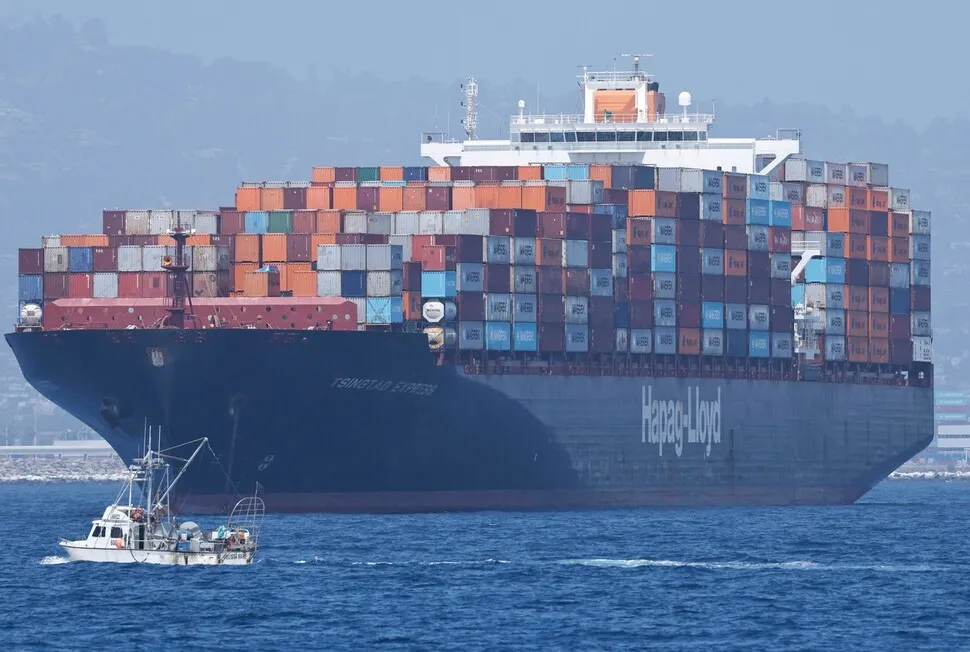
The most visible common theme is trade coercion. In South Korea, American tariffs are discussed almost like a systemic risk for the country’s export model: local outlets write that after U.S. Supreme Court decisions, Trump’s tariff regimes have not disappeared—they have only changed form, and now Korean businesses have to keep track of compensation, exemptions, and new rounds of duties. Chosun Ilbo notes that even after part of the “mutual tariffs” was removed, the Korean side still faces tension: in its coverage, the emphasis is that for Seoul it matters not only what the formal rates are, but also the very unpredictability of American policy, which could once again put “key export goods” in the line of fire. (chosun.com)
Australia’s reaction to the same issue is far more emotional and political. ABC News reports that in July, the United States confirmed a 12.5% tariff on Australian exports, arguing that enforcement is not strict enough regarding goods produced using forced labor; the Australian government filed a formal objection and said it does not see “credible evidentiary grounds” for such a move. Australian business reporters directly link this to the “America First” direction and warn that the U.S. is becoming more isolationist—meaning the damage will be two-way, but will hit Australian exporters harder. (abc.net.au)
In Australia, tariffs have also become a symbol of a broader psychological shift. According to a Lowy Institute survey, only 31% of Australians now believe that the United States will “act responsibly in the world,” while trust in Donald Trump in world affairs has fallen to 21%—the lowest level for any U.S. president in the history of this study. At the same time, 73% still believe that the American alliance is important for the country’s security—so this is not a break but a painful disappointment: Australia remains dependent on the United States, but no longer trusts it the way it used to. Lowy researcher Charles Lyons-Johnson put it almost like a diagnosis: in his view, Australians have “strong aversion to Trumpism and its policies,” and in these conditions America becomes a “beneficiary” only in the sense that it is still seen as an unavoidable partner. (abc.net.au)
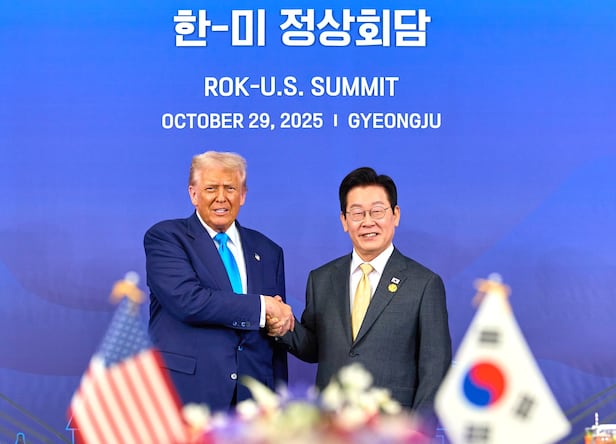
In South Korea, the same anxiety is expressed differently—through the question of whether the American security umbrella is even dependable when the United States both demands greater contributions and shows readiness to use the alliance as a tool of pressure. In recent months, Hankook, Dong-A and Maeil Kyungjae have written about a rebalancing of roles in defense, pushing for negotiations on transferring operational control, and about what Washington expects from Seoul in terms of greater responsibility— including rising defense spending and participation in allied operations. The editorial line is especially telling: when Maeil Kyungjae asks whether one can trust a Korean nuclear umbrella after Trump allows himself a dismissive tone toward Taiwan, the newspaper effectively moves Korean fear beyond any single incident—the question is no longer just about Taiwan, but whether East Asian security might become a bargaining chip in American deals with China. (mk.co.kr)
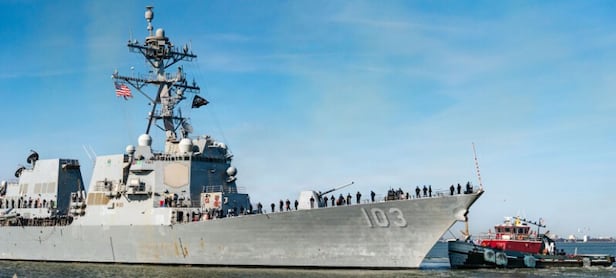
Even more sharply, this sense has surfaced in the story of the “Freedom Project” and the Strait of Hormuz. Korean media wrote that Trump effectively pushed Seoul to take part in an operation tied to the security of sea routes, and the South Korean government responded cautiously, citing international law, regional security, and domestic procedures. In Korean editorial commentary, something close to resentment comes through: “America makes the mistake, but the bill is paid again by the allies.” The phrasing is not only about the Middle East, but also about a new self-perception among Korea’s elite: the United States no longer looks like a guarantor of order, but rather like a partner capable of pulling an ally into risk without bearing the full cost. (chosun.com)
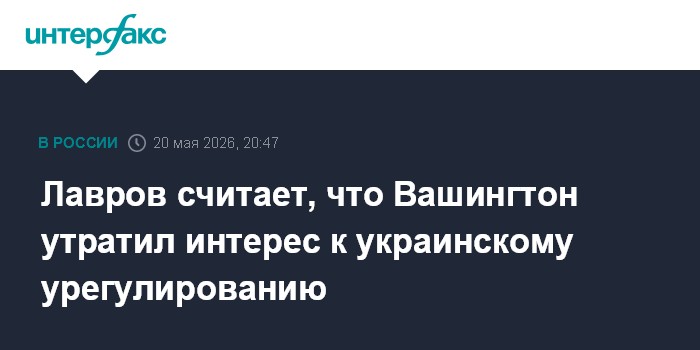
The Russian discussion about the United States, by contrast, is almost entirely tied to Ukraine and negotiations. Foreign Minister Sergey Lavrov said that Washington has “partly lost interest and enthusiasm” in settling the Ukrainian situation, and that it increasingly seems to be telling Europe to handle it itself while the United States switches its focus to China. Yuri Ushakov said that Russia discussed military assistance to Kyiv with Americans and will continue doing so, and also that Moscow has not yet received a response to its warnings about strikes on Kyiv. In the Russian interpretation, this looks not just like a diplomatic pause, but like a sign that either the United States is tired of the Ukraine file, or it is trying to manage it remotely and without full responsibility. (interfax.ru)
The plot around the “Ankara/Anchoridge understandings” is especially important here—Russian sources increasingly reduce the American position to the question of who derailed a possible compromise and why now Washington is being asked for clarity. RBC quotes Maria Zakharova saying that Russia expects the United States to clarify the situation regarding these understandings before discussing new ideas on Ukraine; Lavrov, for his part, links Kyiv’s skepticism toward American proposals to the fact that Ukraine is being “supplied with weapons,” and a significant part of that support is American. Russia’s logic here is consistent: the United States remains a central player, but precisely because of that it is they that are held responsible for why the peace process is stuck. (amp.rbc.ru)
There is also a third layer that connects all three countries: America as a source of strategic unpredictability. In Australia, it is read through AUKUS and tariffs; ABC directly writes that “AUKUS ties Australia to America’s actions, whether we like it or not,” and this is no longer just about purchasing submarines—it is about geopolitical dependence. In South Korea, a similar fear is expressed through defense partnerships and the prospect of expanding Seoul’s military role. In Russia, unpredictability is discussed with diplomatic irritation: informal and confidential contacts can be made with Washington, but there is still no clear result. In all three cases, the United States is perceived not as a stable architect of order, but as a power that changes the rules while the game is in progress. (abc.net.au)
The most interesting local feature is that each country draws its own conclusion from this. South Korea does not break with America; instead, it tries to bargain for a more predictable alliance and protection from tariffs, turning the debate about the United States into a dispute over industrial policy, defense, and technological sovereignty. Australia still clings to the alliance, but it is now speaking in the language of lost trust and something close to everyday annoyance: the alliance matters, yet Trump’s America seems less and less reliable and increasingly selfish. Russia, meanwhile, uses American inconsistency as an argument in its own diplomatic line, showing that Washington is both needed and not worthy of trust. That is why the common international backdrop now looks so similar, even as reactions differ: for some, the United States is a risk to exports; for others, a risk to security; and for a third group, a risk to negotiations. (abc.net.au)