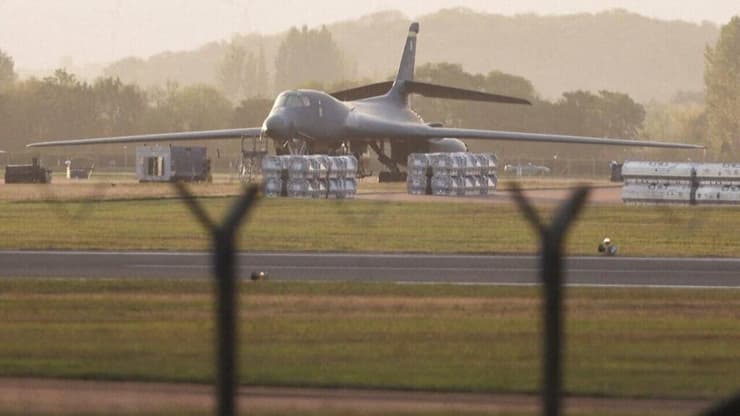
The foiled incident near the British RAF Fairford air base, which is also used by the U.S. Air Force, has become a new source of tension in Iran’s relations with Britain and the United States. As Ynet writes, the story is important for Israel not only as a British criminal investigation, but also as a possible signal that Tehran’s confrontation with the West is expanding beyond the Middle East.
British Prime Minister Andy Burnham said there were “strong indicators” of a possible Iranian role in what happened. However, he stressed that the investigation is ongoing and that no public evidence of a direct link between the detainees and Tehran has yet been presented. This caveat remains crucial: the allegations against Iran have not been established by a court or confirmed by published investigative materials.
According to the publication, three vans were stopped near the air base. No explosive devices were found inside—only gasoline. Five British citizens were subsequently released on bail, although the investigation is continuing. The possibilities being considered include intelligence activity, security testing as part of a possible “dry run,” or a political action without any immediate intention of attacking the facility.
Nevertheless, the choice of location gives the case international significance. Fairford is linked not only to British infrastructure but also to the U.S. military presence. Therefore, any possible preparations for action near the base could be perceived by Washington as a challenge directed at both Britain and the United States.
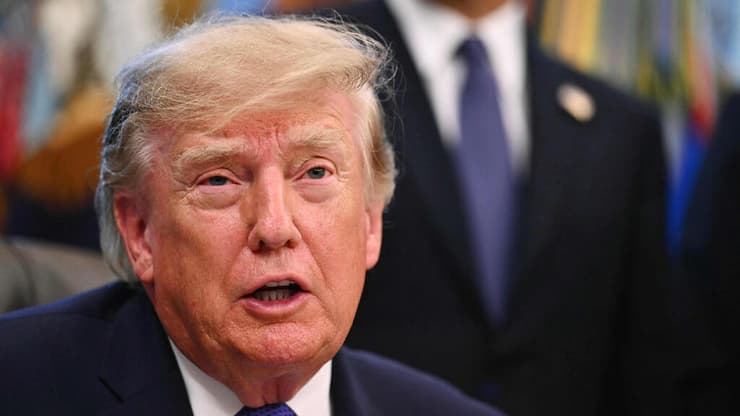
President Donald Trump said the United States was examining the matter “very seriously” and would respond soon. Ynet views his statements about Iran—“they have no money,” “the economy is dead,” and “they have no army”—as a sign that the administration may be ready to use the alleged incident to exert further pressure on Tehran.
The story is unfolding against the backdrop of already unsuccessful contacts between the United States and Iran. According to Axios, Secretary of State Marco Rubio demanded that the Iranian delegation leave New York after unsuccessful talks on the sidelines of the UN General Assembly. In this context, the investigation in Britain could become an additional argument for supporters of a hard line against Iran.
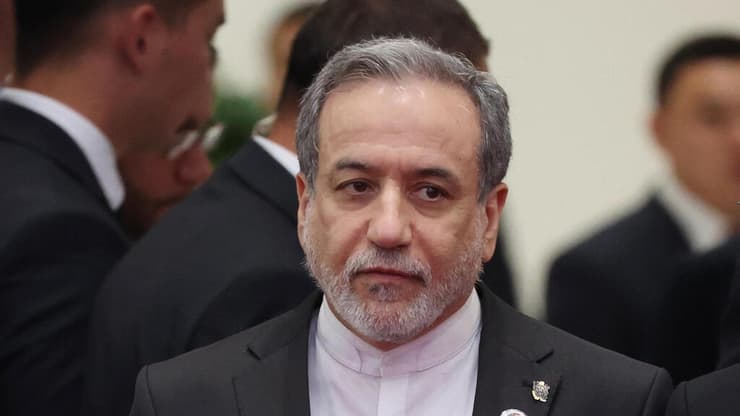
Tehran rejects the allegations. Iranian Foreign Minister Abbas Araghchi sarcastically advised British authorities not to jump to conclusions, saying they were “barking up the wrong tree.” His reaction reflects the Iranian position: in Tehran’s view, London and Washington are trying to link Iran to an episode for which direct evidence has yet to be presented.
For Israel, the situation has a direct strategic dimension. Israeli authorities have traditionally viewed Iran as the main source of regional threats because of its nuclear program, missile arsenal, and support for allied armed groups. Therefore, a possible operation against a facility linked to U.S. forces—even if it was not carried out and remains under investigation—fits Israel’s perception of a broader pattern: Tehran is capable of acting through indirect, covert, and difficult-to-prove means far beyond the Middle East.
Thus, the episode near Fairford remains legally unclear but has already acquired political weight. It lies at the intersection of a British investigation, the U.S.-Iran diplomatic crisis, and Israeli concerns about further escalation. The main question now is whether the United States and Britain will consider the available information sufficient to publicly accuse Iran—and whether the incident will trigger a new round of pressure on Tehran.