In recent days, the United States has found itself at the center of three interconnected international disputes: Donald Trump’s agreement with Vladimir Putin to allow Russian diesel onto the global market, threats to restrict aid to Ukraine, and suspicions of political pressure on allies and partners. In Kyiv, this is seen not as another diplomatic flare-up, but as a matter of physical security ahead of another winter of war. In France, the events are being interpreted as proof that Europe can no longer base its defense on the assumption of unwavering American support. In Brazil, meanwhile, U.S. policy is discussed primarily in terms of sovereignty, tariffs, elections, and the risk that Washington is prepared to use economic leverage to interfere in the domestic politics of other countries.
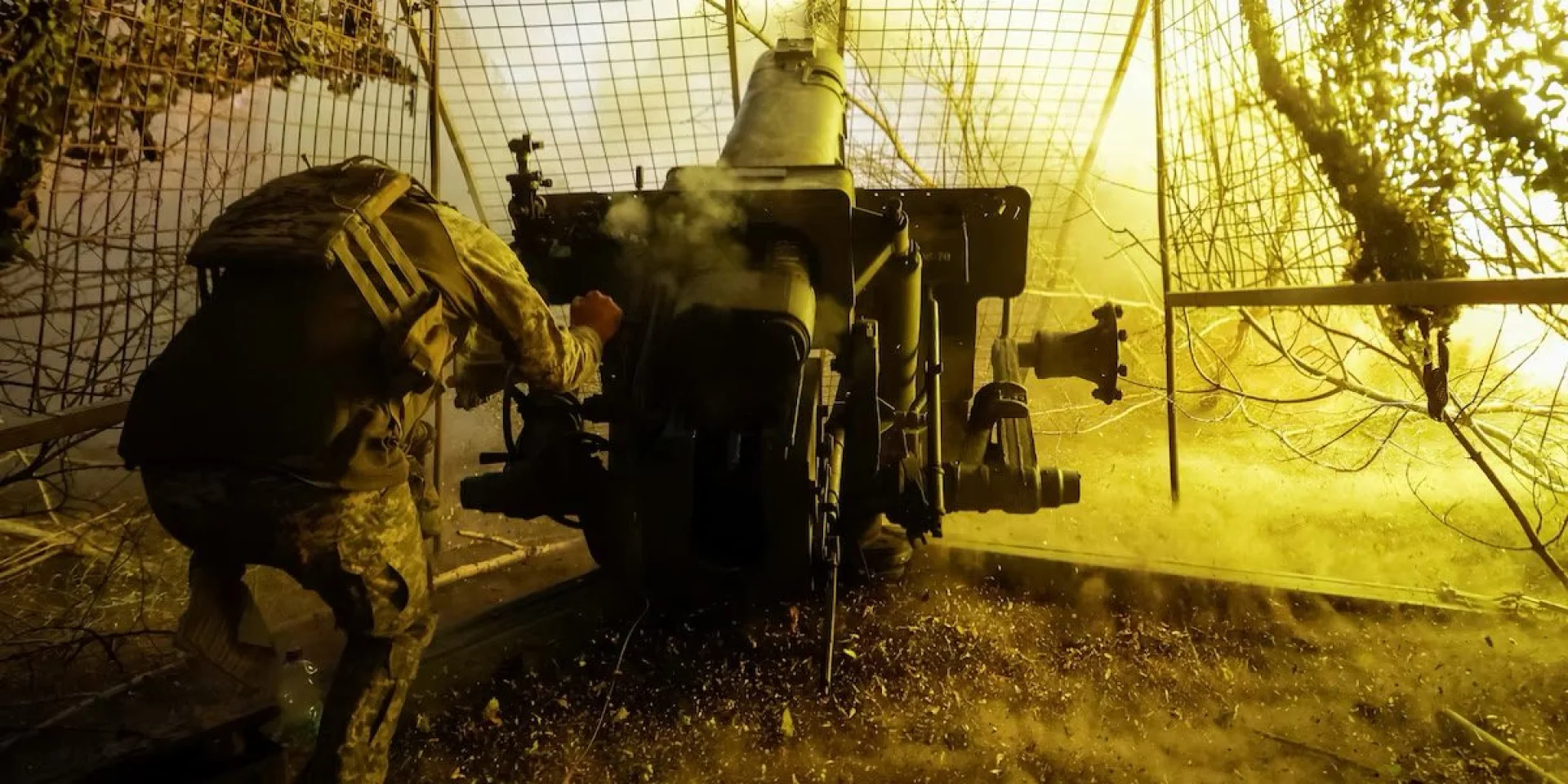
The central thread connecting these developments is the unexpected transformation of Russian energy—from a target of sanctions into an instrument of U.S. domestic policy. Brazilian international affairs commentator Lourival Sant’Anna, in a column for CNN Brasil, notes that permission to sell Russian diesel is unlikely to significantly alter the physical volume of fuel on the market, but radically changes the political meaning of the U.S. position: Moscow gains not only revenue, but also a direct U.S. interest in the stability of Russian supplies. From the Ukrainian perspective, this step is particularly painful because it coincided with American pressure on Kyiv to halt strikes on Russian oil refineries—one of the few ways to systematically hit the financial foundation of Russia’s war.
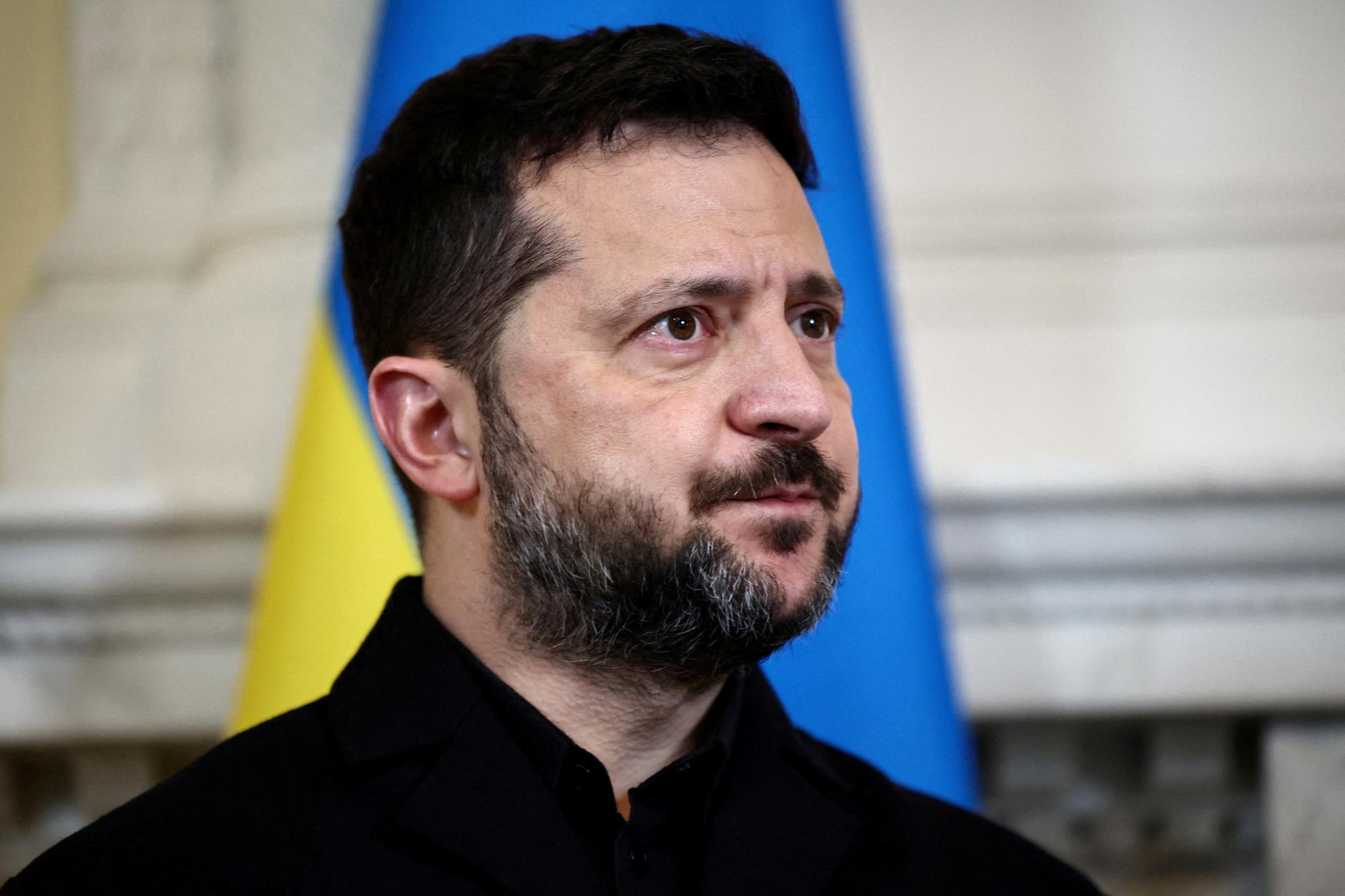
The French debate formulates the same conclusion more bluntly: the diesel deal looks like the subordination of European security to the short-term goal of lowering fuel prices in the United States ahead of the midterm elections. An analysis by Le Monde directly links this to the U.S. and Israeli war against Iran, which has driven up diesel prices: Washington is trying to offset the consequences of its own Middle East policy, effectively expanding the Kremlin’s room for maneuver. Ukrainians see an almost surreal inversion here: the country under attack is expected to stop striking Russian oil infrastructure, while Russia is simultaneously given the opportunity to earn money from fuel exports. It is no coincidence that Volodymyr Zelensky called what was happening a betrayal: “We are losing a powerful partner” [«Nous sommes en train de perdre un partenaire puissant»], he said in an interview quoted by Le Monde. (lemonde.fr)
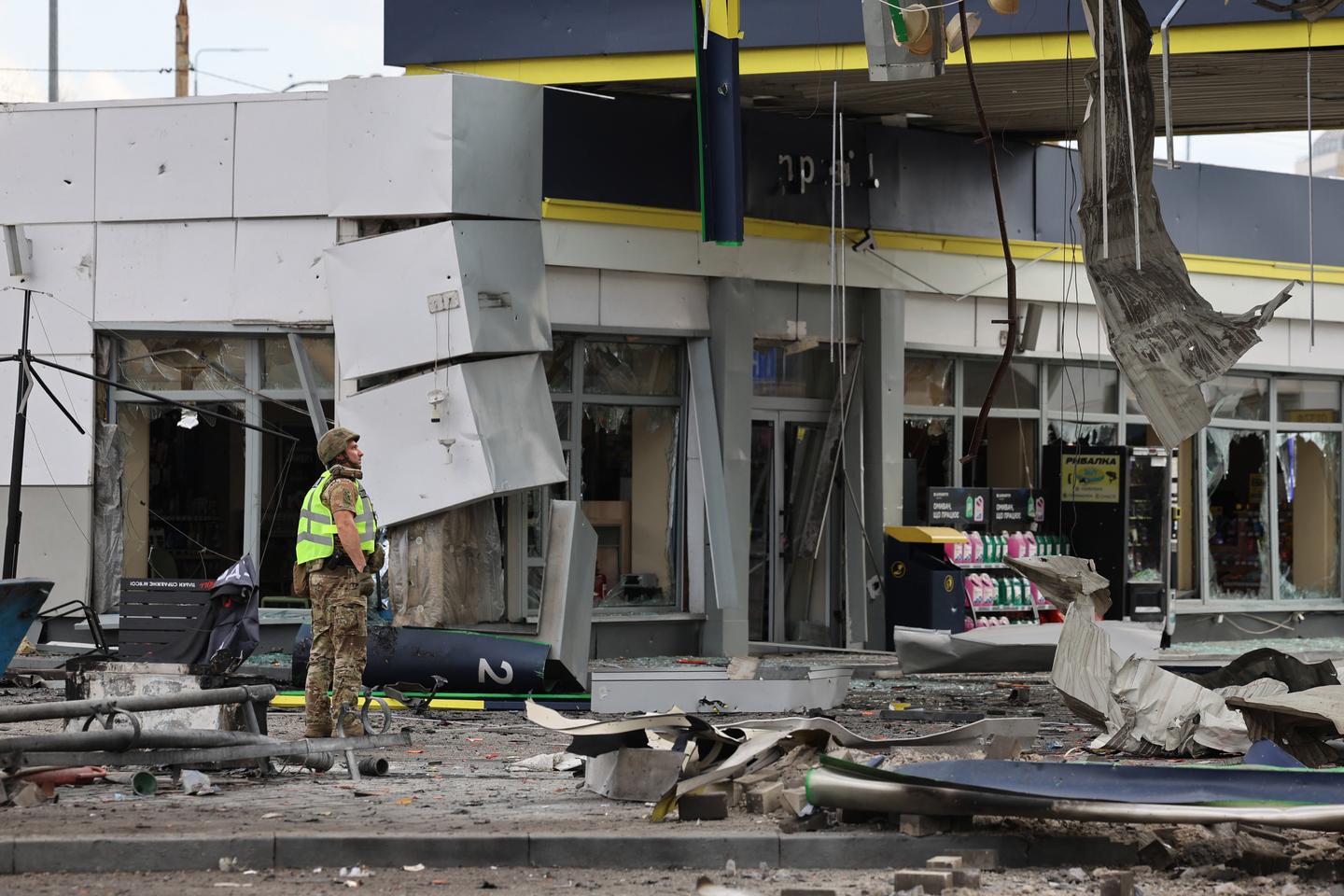
The second common theme is the unreliability of dependence on U.S. infrastructure. On October 13, Donald Trump denied that Washington had stopped sharing intelligence with Ukraine, saying: “No, we didn’t do that. We’re helping them.” But in the Ukrainian information space, it was not the formal denial that mattered most, but the very fact that such a threat had been made. Analysts at BII describe the situation as the use of military-technical cooperation as a tool to pressure a partner’s decisions. For Ukrainian society, intelligence is not an abstract diplomatic currency: it means warnings of ballistic launches, satellite information, target data, and military analysis. Reports of delays in alerts amid strikes on energy facilities are therefore perceived as a potential price for political disagreement with the White House. (bii.agency)
The French response to the same crisis is less emotional, but strategically even more far-reaching. Paris sees it as yet another confirmation of the need for European autonomy—above all, its own satellite, intelligence, and defense capabilities. French expert François Heisbourg, quoted by Le Monde, calls for European projects such as IRIS² and Ceres to be accelerated so that Kyiv does not remain dependent on American data. This is an important shift: previously, the French idea of “strategic autonomy” was often viewed in Eastern Europe as rhetoric capable of weakening NATO. Now it is increasingly being presented as a practical response to the risk that an American president could instantly turn access to critical technology into a bargaining chip. (lemonde.fr)
The third theme is the perception of the United States as a power increasingly inclined to export its own political conflicts abroad. In Brazil, this concern is especially visible because of the presidential campaign. Trump said he was following Brazil’s elections “closely” [«de perto»], against the backdrop of earlier tariff measures, visa restrictions, and concerns among Brazilian authorities about foreign interference. A Folha de S.Paulo article emphasizes that Brazilian intelligence classified possible U.S. influence on the 2026 elections as a high-level threat. For local audiences, the issue is not limited to Trump’s sympathies toward one candidate or another: U.S. tariffs, sanctions, and public statements are seen as potential means of altering the balance of power within Latin America’s largest democracy. (www1.folha.uol.com.br)
That is why Brazil’s response to the United States differs noticeably from Ukraine’s and France’s: there is less hope of returning Washington to its previous alliance behavior and more desire to reduce vulnerability to it. An editorial in Folha cites an instructive Latinobarómetro finding: the share of Latin Americans with a favorable view of the United States fell from 73% in 2024 to 63% in 2026; in Brazil, relations with China are viewed more positively than relations with the United States. The editorial draws a fundamental conclusion: a rightward electoral shift in Latin America does not automatically imply sympathy for Washington. For Brazilians, Trump’s toughness—from tariffs to deportations and pressure on neighboring countries—does not look like “conservative solidarity”; it looks like a return to a policy in which the region is treated as America’s backyard. (www1.folha.uol.com.br)
Paris frames this problem in the language of international law. During a session of the National Assembly, lawmaker Anna Pic accused the U.S. president of attempting to dismantle the postwar international order and bring Europe under his control; Minister for Foreign Trade Nicolas Forissier replied that France and the EU must remain committed to the rule of law, support for the International Criminal Court, and sustained aid to Ukraine. His words about the need to remain “committed, consistent, and stable” alongside Ukraine and Zelensky [«volontaire, stable, cohérente»] are important precisely as a contrast with Washington, whose policy in Paris is increasingly described as unpredictable. The official transcript of the French Foreign Ministry shows that France links U.S. pressure on Ukraine, tensions in the fuel market, elections in other countries, and attacks on the International Criminal Court into a single chain. (diplomatie.gouv.fr)
The most unexpected common feature of the reactions in Kyiv, Paris, and Brasília is that they are no longer discussing Trump merely as an eccentric leader, but rather a new model of American power. Ukraine fears that vital military aid will be exchanged for cheaper gasoline for American consumers. France concludes that an alliance with the United States no longer eliminates the need to build independent European capabilities. Brazil sees confirmation of a long-standing Latin American suspicion: trade, security, and elections may become elements of a single pressure package. These assessments differ in tone but converge in substance: the main international problem today is not the weakening of American power, but its increasingly transactional and domestically oriented use.