Ukrainian and Venezuelan sources are discussing Donald Trump’s contacts with Vladimir Putin, possible agreements on the supply of diesel fuel and energy resources, as well as diplomatic initiatives concerning Iran. Against this backdrop, caution prevails: Kyiv emphasizes its demands, fearing that the talks may conceal agreements favorable to Moscow, weaken Ukraine’s position, and affect the protection of Ukrainian migrants. Venezuelan commentators are also assessing the consequences of Trump’s initiatives and the possible return of Russian fuel to global markets. The material is based on Facebook publications from Venezuela and RBC-Ukraine from Ukraine.
Venezuelan Reaction to U.S.–Iran Talks: Criticism of Trump
A publication by RTVE Noticias about Vladimir Putin’s statements regarding a possible peace agreement between the United States and Iran prompted a sharply emotional reaction from a Venezuelan user. The comment contains no analysis of Moscow’s diplomatic proposals, the terms of a potential deal, or the positions of Tehran and Washington. Instead, its author focused on Donald Trump personally, calling him a threat to peace and predictable diplomacy.
The U.S. president is described in the comment as a psychologically unstable and dangerous politician. “This northern guy is completely crazy,” the user writes, using the Spanish phrase: “Este sujeto del norte, está totalmente loco.” Trump is also called a “pobre diablo”—a “pathetic devil” or “poor wretch”—and is said to suffer from a “deep emptiness” that, in the author’s view, neither power nor money can fill.
The commenter claims that Trump supposedly seeks recognition, love, and sincere relationships, but that his arrogance and behavior prevent him from achieving them. In this interpretation, U.S. foreign policy is an extension of the American leader’s personal insecurities, while decisions affecting Iran, the Middle East, and international security are linked primarily to his character.
The Venezuelan context gives this reaction particular significance. A substantial part of the country’s audience views the United States through the experience of sanctions, political pressure on Caracas, support for the international isolation of Venezuela’s authorities, and attempts to influence the country’s internal affairs. Consequently, discussions of U.S.–Iran contacts are seen not only as a Middle Eastern diplomatic story, but also as further confirmation of distrust in Washington’s policies.
Although the commenter cites no Venezuelan experts, politicians, or officials, the rhetoric is close to the anti-interventionist view of U.S. foreign policy that is widespread in the country. Trump is presented not as a head of state with whom a stable and rational dialogue is possible, but as a leader whose personal qualities may have consequences for the entire world.
This reaction demonstrates how international events are interpreted in Venezuela through the country’s own experience of relations with the United States. The focus is not on the substance of a possible U.S.–Iran agreement or Russia’s diplomatic role, but on fears that Washington’s policy depends on the president’s volatility and personal motives.
U.S. Democrats Condemn Trump’s License for Russian Diesel
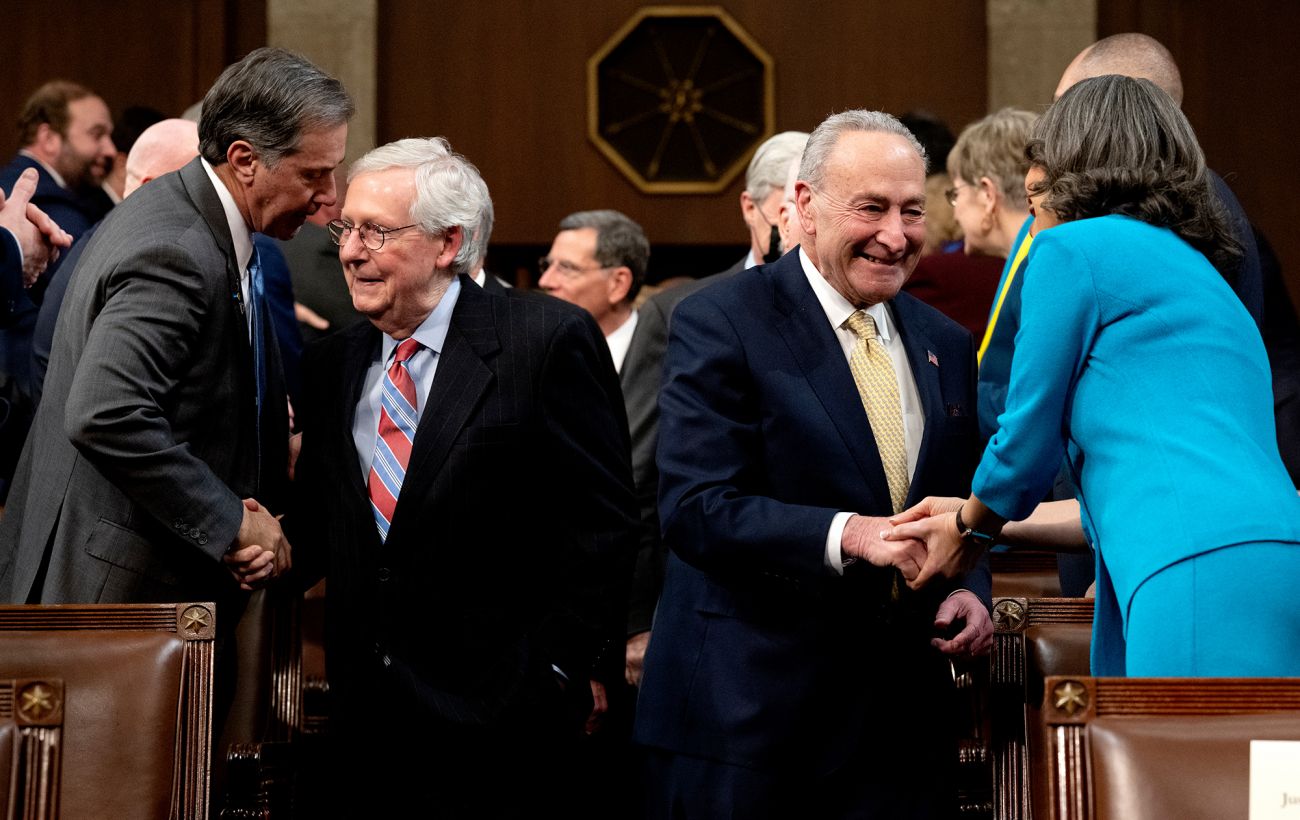
The Donald Trump administration’s decision to allow purchases of Russian diesel fuel has drawn sharp criticism from leading Senate Democrats and prompted concern in Ukraine. According to RBC-Ukraine, Senators Jeanne Shaheen, Democratic Minority Leader Chuck Schumer, and Elizabeth Warren called the move “a complete betrayal of Ukraine, European allies, and America’s national security.”
The controversy centers on General License No. 135, issued by the U.S. Treasury Department after Trump reached an agreement with Vladimir Putin. The document allows Russian diesel fuel to be purchased anywhere in the world for six months. In Kyiv, this is viewed not as a technical energy exemption, but as a decision capable of once again expanding Russia’s financial resources during the ongoing war against Ukraine.
According to the Democrats, the Trump administration is attempting to offset rising fuel prices resulting from the conflict with Iran through “desperate deals” with the Kremlin. The senators believe that, in order to address a domestic economic problem, the White House is prepared to ease pressure on Moscow, putting the interests of Ukraine and U.S. European partners at risk.
Critics are particularly outraged by the contradiction between the license and recently enacted bipartisan U.S. legislation. That legislation was intended to reduce the revenues of Russia’s war machine and limit purchases of Russian energy resources. The authorization to trade in diesel, the senators argue, undermines this policy and effectively creates an exception that the Kremlin can use to replenish its budget.
“Putin responds only to strength,” Shaheen, Schumer, and Warren emphasize. This assessment echoes a view that is widespread in Ukraine: sanctions relief, economic deals, and partial exemptions for Russia do not persuade it to abandon its aggression. On the contrary, they may reinforce the Kremlin’s belief that Western pressure can be outlasted or circumvented.
For Ukraine, the issue has not only economic but also direct military and political significance. Additional revenues from energy exports could be directed by Russia toward financing its army, producing weapons, and continuing the war. Kyiv is no less concerned by the precedent of Washington negotiating and reaching agreements with Moscow without taking Ukrainian interests into account.
Ukraine’s reaction to the controversy surrounding License No. 135 reflects a broader fear: the short-term energy and domestic political gains of Western countries may once again prove more important than Ukraine’s and Europe’s long-term security. At the same time, the senators’ statement shows that influential forces remain within the U.S. political establishment that are prepared to advocate strong sanctions pressure on Russia and oppose any steps that could make it easier for Moscow to trade in energy resources.