The view of the United States from Kyiv, Seoul and Tokyo in spring 2026 is no longer the familiar story of a “global leader,” but a multi-layered mix of hope, irritation and cold calculation. For Ukraine, America remains the main source of weapons and political weight in the war, but also a partner that can be distracted by Iran or China. For South Korea, the US is a security guarantor that is simultaneously increasing pressure: Washington demands a greater Seoul contribution to deterring North Korea and the handover of wartime operational control. For Japan, the image of America increasingly passes through the prism of US–China rivalry and “chokepoints” in semiconductors and energy: Tokyo is carefully assessing whether US “leadership” is becoming a source of strategic instability. It is precisely these three themes — Ukraine, Iran and the Middle East, and the new configuration of US–China relations — that currently determine how Washington is discussed in the three countries.
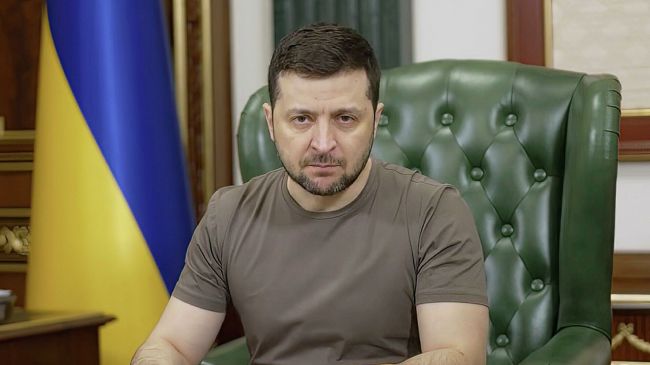
The first major block is the war in Ukraine and the broader crisis of European and Middle Eastern security, where the US acts both as a military anchor and as an architect of instability. Within Ukraine itself, the tone of public statements about Washington in recent weeks has been noticeably nervous. Volodymyr Zelensky in an interview with CNN, recounted by Ukrainian and pro‑Russian media, directly urges Washington “not to forget about Ukraine,” acknowledging that US attention has shifted to the war with Iran. He speaks of the need to “remain in the US spotlight” and reproaches the American side that the same negotiators are handling both the Iran and Ukraine tracks simultaneously — something in Kyiv is perceived as a symptom of Washington’s overload and fatigue with the Ukraine dossier. (eadaily.com)
Pro‑Western Ukrainian commentators read news of delays in implementing already approved aid packages with alarm: Mitch McConnell’s article in the Washington Post, in which he accuses the Pentagon of “stalling” deliveries, is cited in the Ukrainian press as a rare signal that part of the American establishment is still willing to “push the system” for Kyiv.(washingtonpost.com) At the analytical level, especially in expert columns, there is a noticeable shift from the rhetoric “Ukraine can win with Western help” to a more pragmatic formulation: “Ukraine can hold on and not lose if the US and Europe maintain aid levels.” In a piece published on the George W. Bush Center website, Western and Ukrainian authors emphasize that without “front‑loading” American air‑defense systems, Russia will retain the ability to carry out massive strikes on energy infrastructure, and this is gradually undermining social resilience in Ukraine.(bushcenter.org)
Against this background, the temporary three‑day ceasefire announced by Donald Trump from May 9 to 11 is felt very sensitively: in Ukrainian discourse it appears ambiguous. On the one hand, the respite is perceived as lifesaving for infrastructure after the largest missile‑drone attacks in April. On the other hand, experts fear that such “gestures” by Trump strengthen his image as a mediator controlling the Ukrainian agenda, rather than as an ally acting in Kyiv’s interests.(ru.wikipedia.org)
A separate painful theme in Ukrainian discussions of the US is Trump’s accusations against Kyiv of meddling in US domestic politics and the reallocation of American funds. Russian‑ and Ukrainian‑language social media actively recount and debate a declassified US intelligence report about an allegedly discussed plan by Ukrainian officials to direct hundreds of millions of dollars from USAID “green” programs to finance Joe Biden’s campaign and the Democratic Party. In Ukraine’s public sphere this is most often interpreted as part of US domestic political struggles, but simultaneously as a danger signal: any new scandal could be used by Washington as a pretext to “grow tired” of Ukraine.(reddit.com)
Added to this is the general backdrop: American strikes and force deployments in the Middle East and the war with Iran. Ukrainian columnists draw direct parallels: as soon as Washington’s attention shifts to Tehran, Russian attacks on Ukrainian cities accelerate. Western assessments are cited in the Russian and Ukrainian expert segments: the deployment of US forces in the region in 2026 causes fear in Iran that a US strike could trigger internal unrest and regime change. For Kyiv the main question is whether Washington can resourcefully and politically sustain simultaneous support for Ukraine and a military confrontation with Iran.(ru.wikipedia.org)
The second major narrative, involving both South Korea and Japan, is the US pivot to Asia, primarily through the lens of competition with China and expectations of allies. In Seoul, recent days have seen discussion of statements by the head of the National Security Office in the presidential administration that talks with Washington on the timing of the transfer of wartime operational control over South Korean forces (OPCON) “are proceeding in a positive direction” and that “there is reason for optimism” about a soon agreement. South Korean outlets emphasize: Washington, on the one hand, is pushing Seoul toward “self‑reliant defense,” and on the other openly declares that the main responsibility for deterring North Korea should lie with South Korea.(koreajoongangdaily.joins.com)
In analytical columns of the South Korean press this is presented as a dual message. On one hand, strengthening “sovereign defense” is seen as a natural maturation of an ally. On the other, there is concern that the US, overloaded by Ukraine and Iran, might in the long term seek to reduce its real commitments on the Korean Peninsula, shifting costs onto Seoul. Columnists warn: if OPCON is transferred against the backdrop of Washington effectively declaring “your primary responsibility — your region,” South Korean society will face a painful choice between strategic autonomy and maintaining deep dependence on the American nuclear umbrella.
This line continues in another dimension — relations of the US with the DPRK and China. The Seoul press extensively quotes official US statements where North Korea still appears as a threat, but in the new configuration of American strategy it already ranks only fourth after China, Russia and Iran. For South Korean analysts this is an important symbol: US interest in the region is increasingly determined not by the Korean issue but by global rivalry with Beijing and the struggle with Tehran.(en.sedaily.com)
In Japan, recent discussions about the US almost inevitably come to the triangle “America–China–semiconductors.” A commentary in The Japan Times dedicated to “chokepoints” in the global chip supply chain states directly: US–China technological rivalry is increasingly about control over several critical nodes — lithography, advanced manufacturing, specialized equipment. Japanese analysts emphasize that Tokyo, Seoul and Taipei find themselves under growing pressure from Washington: the US wants allies to help “squeeze” China, while American companies themselves aim to use this architecture to their advantage.(japantimes.co.jp)
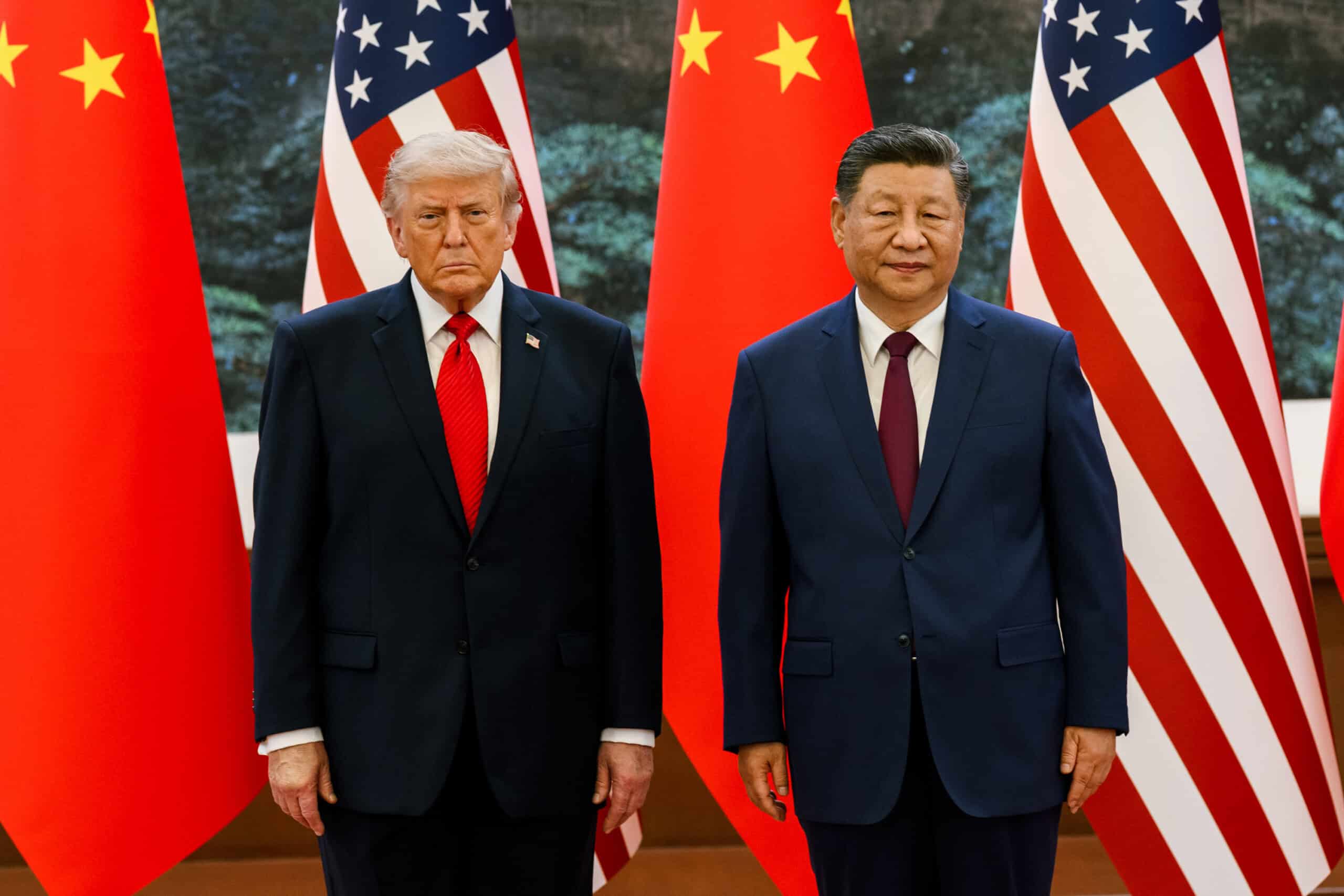
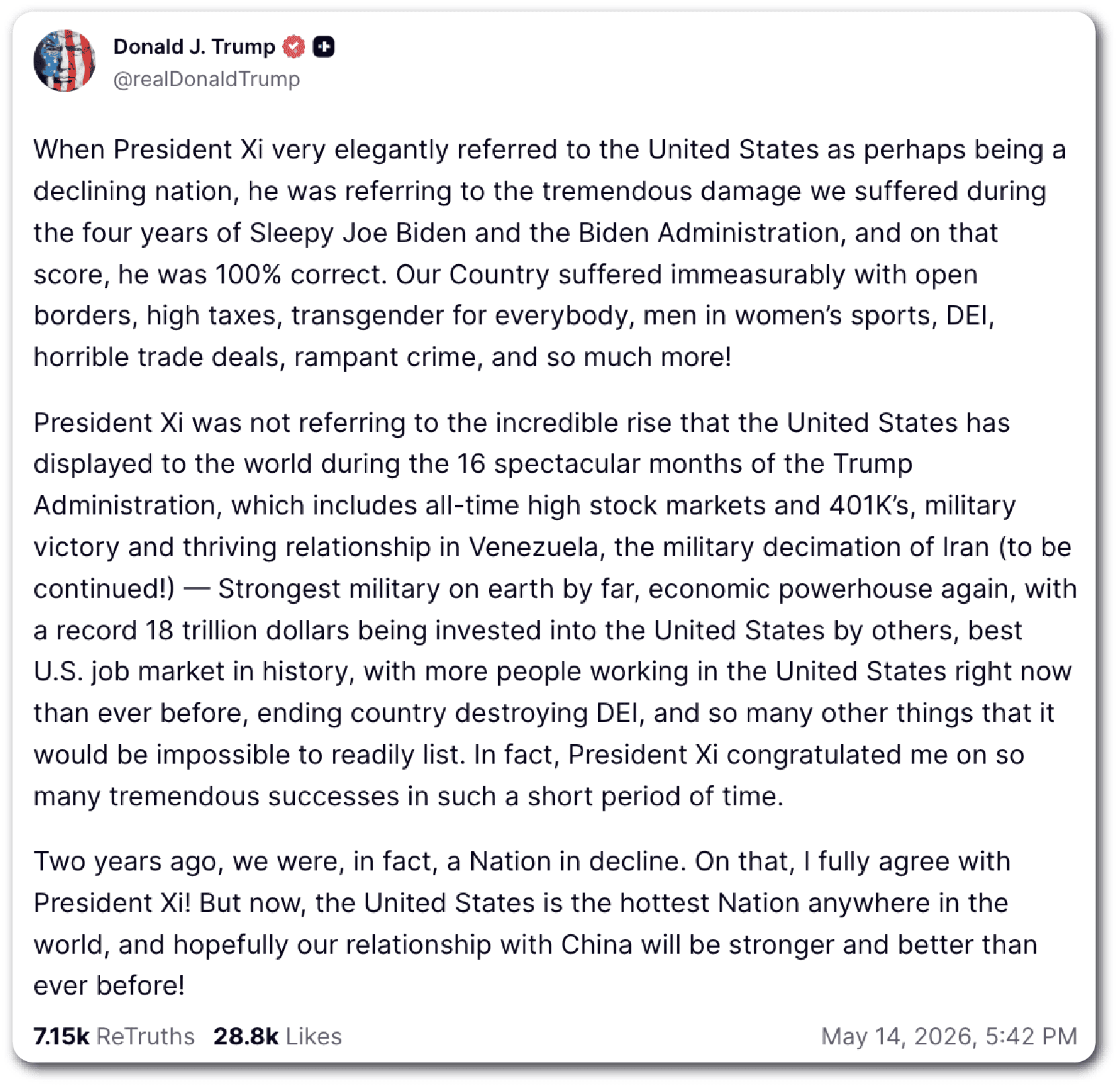
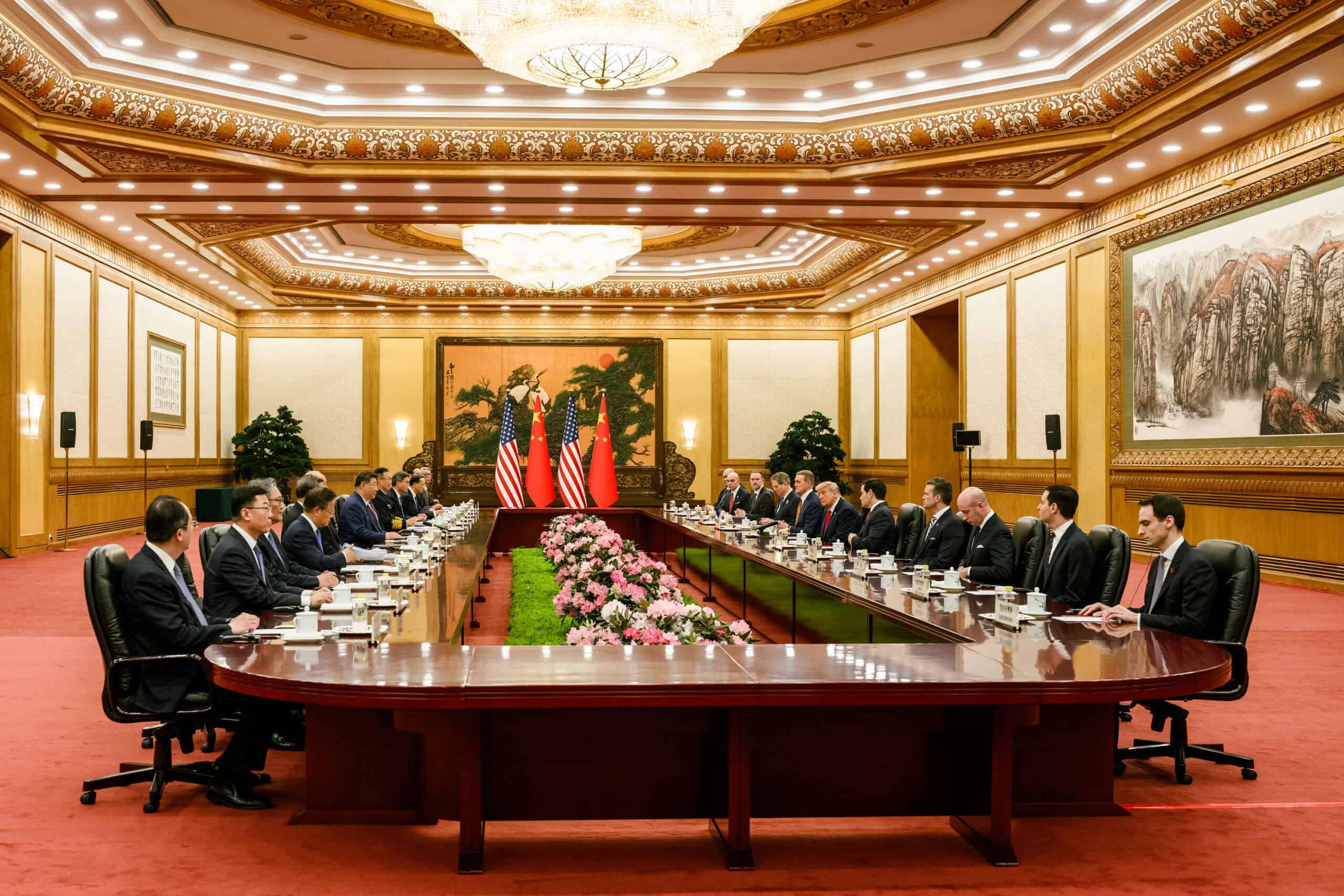
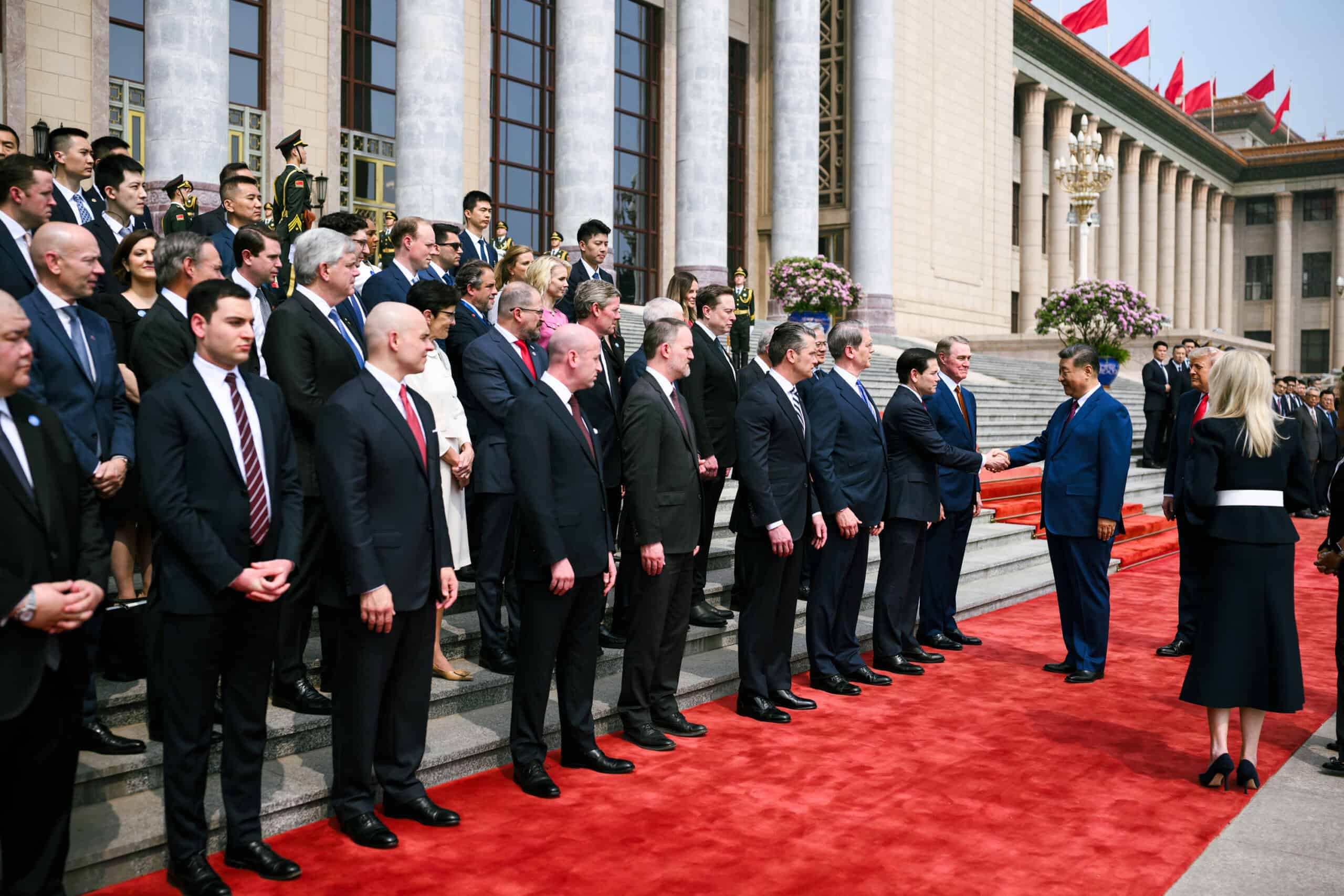
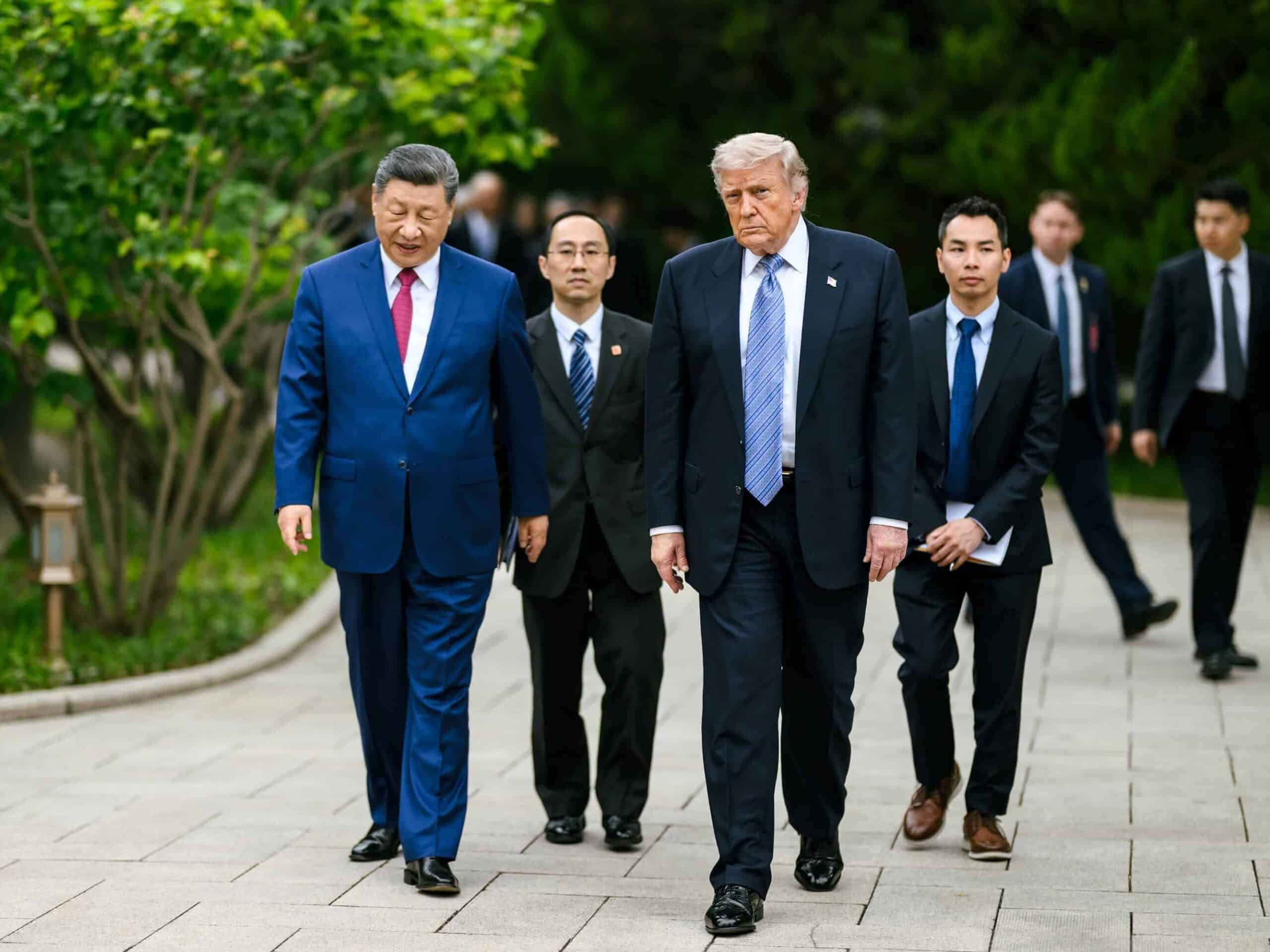
A Japan Research Institute policy note on Trump’s recent visit to Beijing contains a characteristic phrase: the summit showed that Washington and Beijing strive to “manage the ceiling of conflict,” while key, painful decisions are being postponed until the Chinese leader’s autumn visit to Washington. The author, international politics expert Naoyuki Fukuda, notes: it was “staged stability,” where the parties agree not on resolving differences but on how to delay their explosion. For a Japanese audience there is an implied message: as long as the US and China play at managed confrontation, Tokyo remains on the front line — both militarily and economically, including energy supply and gas and oil deliveries, which are already suffering because of the Iranian crisis.(jri.co.jp)
Japanese expert journals also offer a broader, more philosophical view of America’s role. A former Washington correspondent for major Japanese media, now a Meiji University professor, in his series “Wind from America” writes that 2026 confirms a shift to a “G2” world — a de facto bilateral architecture of the US and China, in which other players are forced to maneuver between two centers of power. For Japan, he notes, this means the need to both deepen the alliance with Washington and develop its own “independent and self‑defensive” line so as not to become a mere appendage of American strategy.(joi.or.jp)
The third important layer is US domestic politics and Washington’s image as an international player as seen from Kyiv, Seoul and Tokyo. The Ukrainian elite closely follow fluctuations in the US Congress and the split over the president’s war powers in connection with Iran. Discussion in Congress of a possible War Powers resolution that could limit Trump’s authority to strike Iran is seen by Ukrainian analysts as an indicator of how stable support for Ukraine is: if some Republicans and Democrats want to “rein in” the White House in the Middle East, this could unintentionally lead to a reassessment of military commitments in Eastern Europe as well.(ru.wikipedia.org)
South Korean outlets, especially conservative ones, write with interest and sometimes irony about how the US Congress and media criticize Trump for an allegedly “too soft” stance toward China. Pieces from outlets like The Wire China or the Los Angeles Times, with accusations that Trump “weakened his position even before landing in Beijing,” are recounted as an example that even within the US there is no unity on how to play the “big game” with the PRC. For the South Korean audience this prompts reflection: if Washington wavers between toughness and deals with Beijing, can one fully rely on the American line in managing risks on the peninsula?(thewirechina.com)
In Japan, by contrast, US domestic turmoil is more often perceived through the lens of institutional resilience. Some Japanese analysts remind readers that despite the drama of the era, American institutions can still correct foreign policy — through Congress, courts, and pressure from expert communities. But at the same time Japanese texts increasingly argue that Washington is no longer able — and perhaps no longer willing — to be the indisputable “leader of the free world.” An article in the National Committee on American Foreign Policy about “anchoring” the US–Japan alliance argues that to preserve the resilience of the regional order Tokyo must play a more active political role, and not rely solely on the American military umbrella.(ncafp.org)
Finally, an important common thread uniting Ukraine, South Korea and Japan is the sense that the US is at once indispensable and increasingly unpredictable. In Kyiv there is fear of American “fatigue” and distraction by Iran and China, but also an understanding that without Washington — no adequate air defense and no serious chance for negotiations with Moscow on any remotely acceptable terms. In Seoul anxiety grows that under slogans of “self‑reliant defense” and “primary responsibility” the US is preparing to shift increasing costs onto allies while retaining political control and the final say on matters of war and peace. In Tokyo observers speak most coldly of the “staged stability” of US–China summits: Japan sees that the two superpowers are trying to manage conflict but are reluctant to solve structural contradictions, and allies become the first hostages of any failure in that management.
Local voices in the three countries add their own tones to this set of common motifs. Zelensky urging not to forget Ukraine; South Korean officials cautiously speaking of “optimism” on OPCON timing but warning in closed briefings about stress on the defense budget; Japanese economists dissecting scenarios of a US‑led “semiconductor blockade” of China in detail — all paint a rather sober portrait of the US. This is no longer a romanticized image of a “hegemon,” but a large, heavy, internally contradictory partner with whom one can neither break ties nor trust unconditionally.
That is why in recent months in Kyiv, Seoul and Tokyo words like “self‑reliant defense,” “strategic autonomy” and “diversification” have been heard more often — while none of the three countries seriously questions fundamental alliances with the US. America is still seen as a central actor in their security and economies, but no longer as a reliable “anchor” of stability, rather as a source of both protection and new risks at the same time.