
By September 11, 2026, the United States had become, for Japanese, Russian and Indian observers, not merely an external power but the main source of strategic uncertainty. Attention to several American storylines at once—the protracted war with Iran, the White House’s new attempt to move Ukraine negotiations forward, and trade pressure on India—has united local debates around one question: can Washington still impose rules on the world if it increasingly changes its goals, timelines and instruments itself? (kommersant.ru)
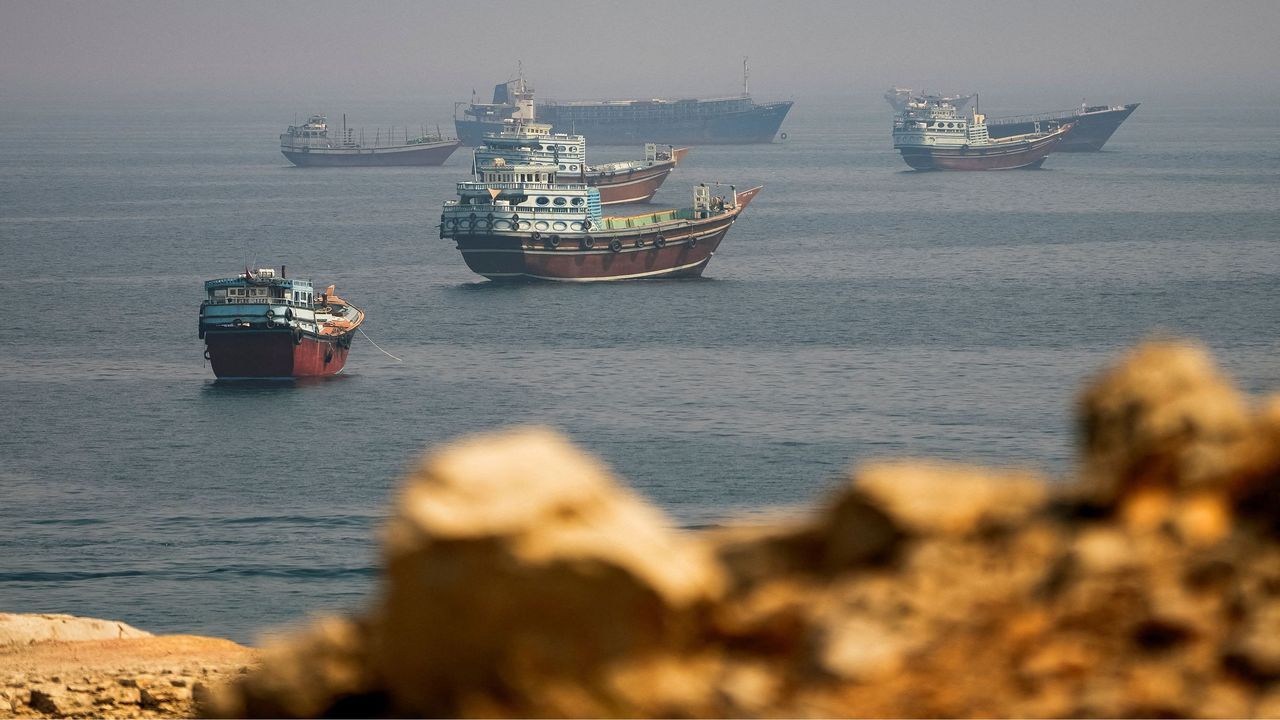
The most painful issue for Japan has been the American military campaign against Iran and its consequences for the Strait of Hormuz. In Tokyo, this is seen not as a distant Middle Eastern crisis but as a direct blow to the cost of living, energy security and the United States’ ability to deter China in the Pacific. Nobuhide Kiuchi, an economist at the Nomura Research Institute, calculated in his analysis that keeping oil prices near $90 per barrel could add 0.30 percentage points to Japanese inflation and increase the annual burden on households by approximately ¥13,000. From the Japanese perspective, this is particularly alarming: the country depends on seaborne fuel imports, meaning that the US confrontation with Iran literally turns into Japanese bills for gasoline, electricity and food. (nri.com)
Yet Japan’s deeper concern is linked to the geography of American resources. In an article by Nippon.com, the war is described as a source of “distrust in the United States” that Washington is spreading itself: an operation initially promised to be brief has become a six-month confrontation, while American aircraft carriers and air-defense assets remain tied down in the Middle East for longer and longer. Japanese authors see a risk here for Taiwan and the East China Sea: if the United States is expending ammunition and political attention in the Strait of Hormuz, its Indo-Pacific deterrence becomes less convincing. This is a distinctly Japanese perspective: the issue is not only whether the United States is right in its conflict with Iran, but whether it is weakening its own alliance with Japan by trying to manage too many crises at once. (nippon.com)
In Russia, the same war is interpreted differently—as proof that American power remains destructive but is no longer strategically coherent. In a column for Kommersant, Middle East expert Farhad Ibragimov draws attention to Donald Trump’s contradictory rhetoric: the president sometimes promises that the confrontation will end soon, then says he is in no hurry to negotiate. For Russia’s expert community, this inconsistency is not merely a communication error but a symptom of a Washington policy in which loud promises increasingly diverge from military and diplomatic reality. Against this backdrop, reports that the United States has destroyed Iranian tankers and that further escalation is possible are viewed in Moscow primarily through the oil market: prolonged disruptions in the Strait of Hormuz could keep oil prices high and thereby indirectly improve Russia’s foreign economic position. (kommersant.ru)
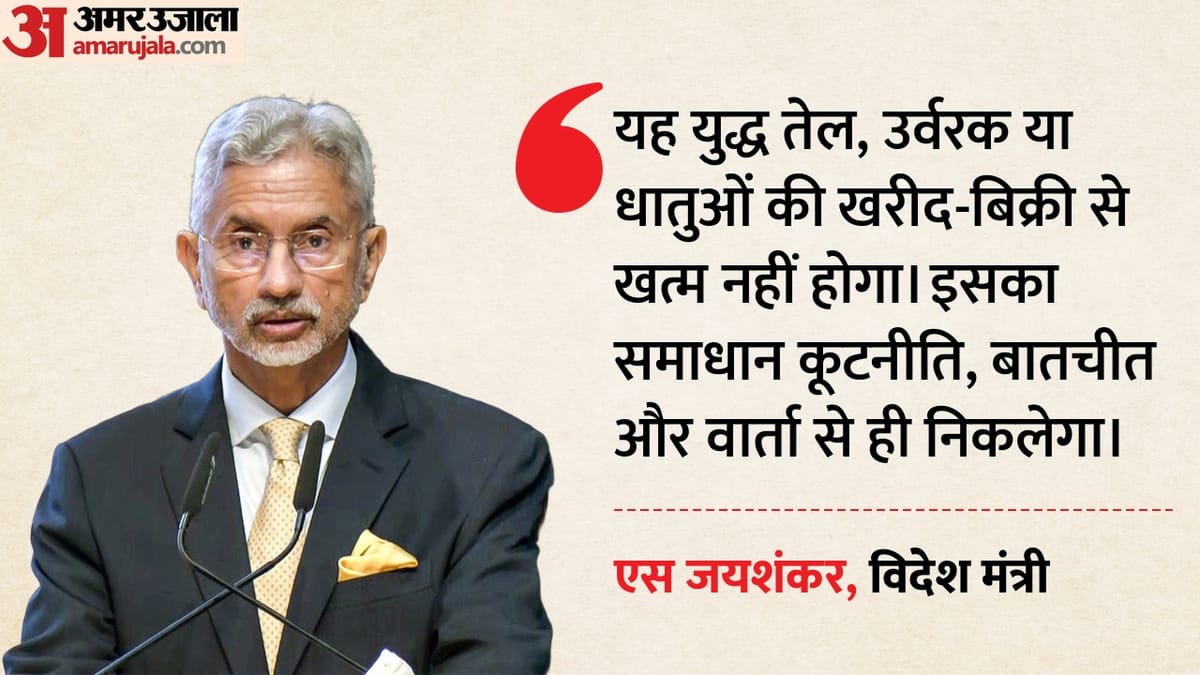
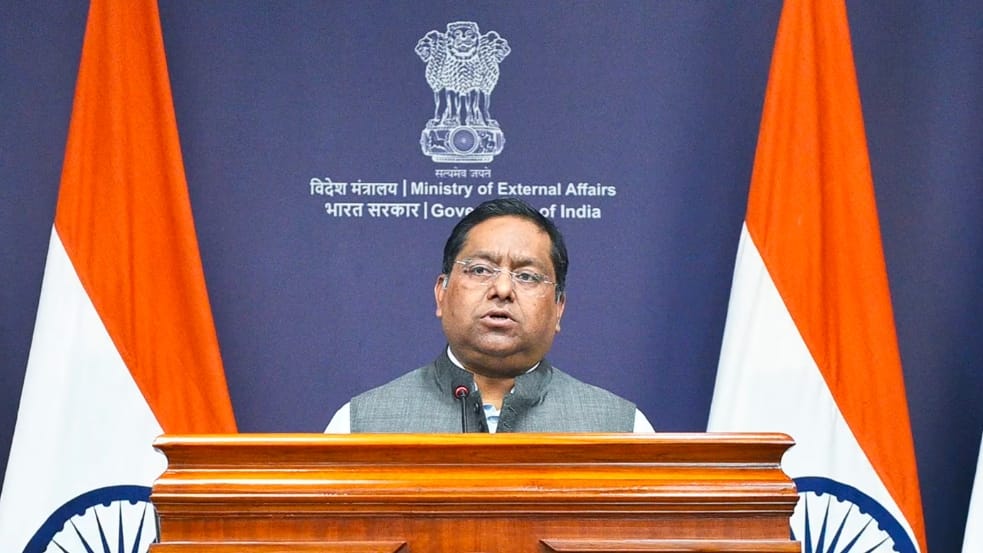
India views Hormuz even more pragmatically. For New Delhi, the American campaign is simultaneously a risk to energy supplies, shipping and Indian citizens in the region. India’s reaction therefore does not boil down to moral support for either side: its main instinct is to avoid being drawn into bloc politics and preserve room for diplomacy. India applies the same approach to Ukraine. Speaking in Warsaw, Foreign Minister Subrahmanyam Jaishankar stressed that ending the war depended not on decisions concerning purchases of oil, metals or fertilizers but on negotiations; his words were widely quoted by Amar Ujala. Behind this formula lies a direct dispute with American pressure on countries that continue trading with Russia: New Delhi refuses to accept that economic ties with Moscow make India complicit in the war. (amarujala.com)
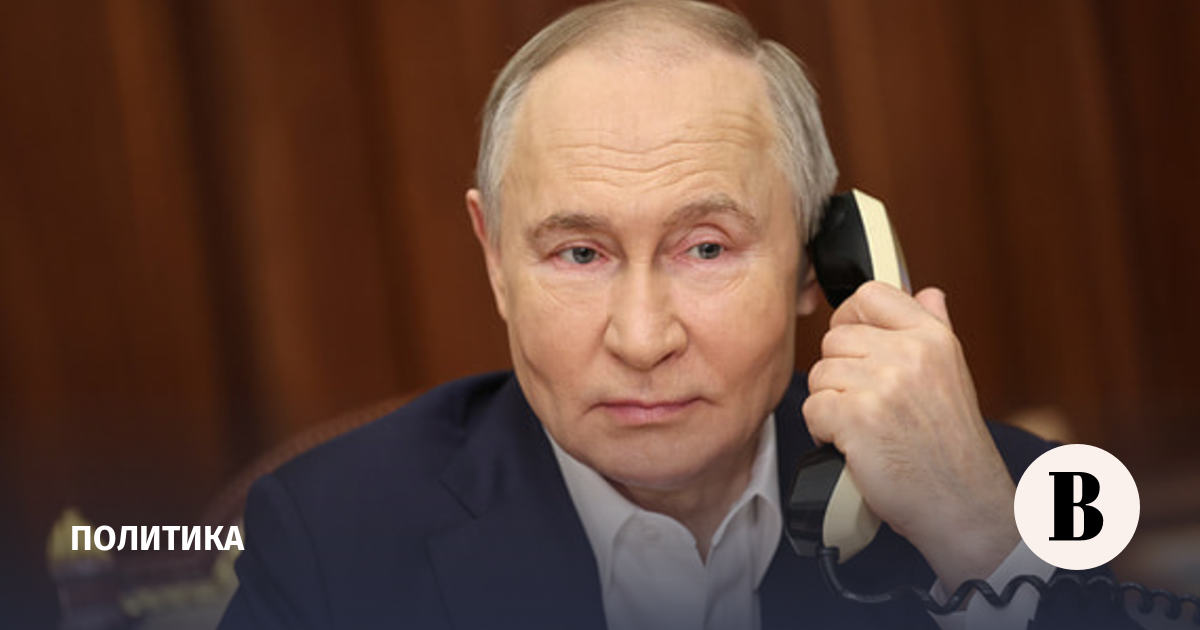
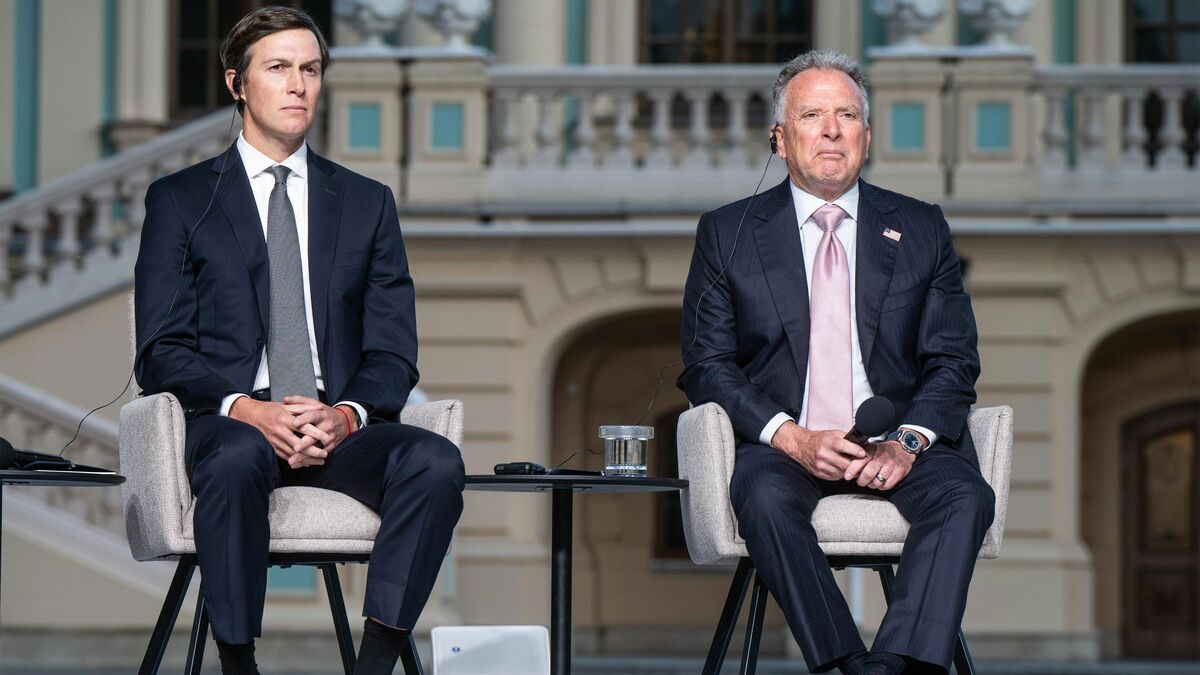
US diplomacy over Ukraine has become the second theme shared by all three countries. Following visits by Steve Witkoff and Jared Kushner to Moscow and Kyiv on September 5–6, and Vladimir Putin’s subsequent conversation with Trump, Russian commentators began discussing the return of a direct US-Russian channel. In an article by Vedomosti, Pavel Koshkin of the ISKRAN Institute sees “the political will for dialogue” in these developments, but adds a qualification: a willingness to talk does not yet mean a willingness to make concessions. Another expert, Vladimir Pavlov of MGIMO University, links Washington’s renewed activity both to the Iranian campaign and to the approaching US midterm elections. The Russian interpretation is therefore ambivalent: contacts with Trump are welcomed as recognition that Moscow’s interests must be taken into account, but the White House itself is viewed as a partner seeking a rapid, demonstrative result. (vedomosti.ru)
Fyodor Lukyanov, chairman of the Presidium of the Council on Foreign and Defense Policy and editor-in-chief of Russia in Global Affairs, formulates the problem more starkly. In a comment for the Russian International Affairs Council, he acknowledges that the Trump administration is the only Western actor simultaneously trying to change the situation and possessing substantial leverage over it. But this praise itself contains Russian skepticism: the peace process is stalled not because mediators are lacking, but because the parties’ goals are incompatible—and because of the question of how far the United States is prepared to pressure Kyiv and Europe. (russiancouncil.ru)
In Japan, American mediation provokes an almost opposite concern: could Washington too easily turn a Ukrainian territorial concession into the price of its own diplomatic success? Kenro Nagoshi, a professor at Takushoku University, warns in an analysis for President Online that formulas such as a ceasefire, a “buffer zone” or international administration could effectively create conditions for the entire Donbas to come under Russian control. For Japanese audiences, this is not an abstract European issue. Japan itself has a territorial dispute with Russia, and so a compromise cementing a change of borders by force looks like a dangerous precedent for East Asia. (president.jp)
The Indian interpretation is particularly interesting because of its attempt to position India not as a US ally or Russia’s advocate, but as a potential mediator. India’s Foreign Ministry reiterates that a solution “will not come from the battlefield,” while New Delhi maintains constant contact with both Moscow and Kyiv; Amar Ujala reported this position. Against the backdrop of Witkoff and Kushner’s missions, India is effectively offering a different language: not a deal dictated by a single great power, but sustained diplomacy in which Global South countries have their own voice. (amarujala.com)
The third line—trade—shows how quickly the US-India strategic partnership is turning into a bargaining process over sovereignty. Indian Trade Minister Piyush Goyal said that the final parameters of the bilateral agreement would not be announced until Indian goods received a more favorable tariff regime in the United States than competing products; Aaj Tak reported. Indian analysts increasingly describe American tariffs not as a technical trade measure but as an instrument of geopolitical coercion. In an editorial analysis by AFEIAS, the additional 10 percent US tariff is explained less as an effort to combat forced labor than as an attempt to accelerate a trade deal favorable to Washington. (aajtak.in)
On this point, Japan’s experience serves as an important contrast for India. Tokyo has already secured confirmation that the new American measures should not exceed the agreed tariff level for Japan, but the price of such predictability is a far-reaching economic tie to the United States, including major investment commitments. Indians are watching this without much desire to repeat the model: access to the US market is valuable, but it should not be bought by abandoning their own trade, energy or Russia policy. (oanda.jp)
Thus, an unexpected common portrait of America is emerging in all three countries. Russia sees a power with which it must bargain directly and whose desire for a quick deal can be exploited. Japan sees an indispensable ally whose preoccupation with the Middle East may weaken security in Asia. India sees a necessary market, a technology partner and a source of pressure that must not be allowed to determine its foreign-policy choices. The differences between these reactions matter: none of the three countries considers the United States insignificant. But fewer and fewer people in Tokyo, Moscow and New Delhi are convinced that America can consistently wield the power it still possesses.
![[Washington Kyodo] On the 4th, Minister of Economy, Trade and Industry Ryosei Akazawa met with US Trade Representative Jamieson Greer in Washington, where he was visiting. According to Akazawa, the two sides agreed to comply with the US-Japan agreement of July last year and not impose additional tariffs on Japan beyond the terms of the agreement. […]](https://storage.googleapis.com/oanda-prod-asne1-oj-jp-wordpress/2026/08/eyecatch_kyodo_q90.jpg)