In recent days, the main American issue prompting a strong reaction in India, China and Turkey has been not US domestic politics, but the war over Iran and the Strait of Hormuz. However, local discussions are quickly moving beyond the Middle East. In Delhi, Beijing and Ankara, a broader question is being debated: can America simultaneously be a military superpower, a guarantor of trade routes and a predictable partner—or is its policy increasingly becoming a combination of sanctions, ultimatums and temporary agreements that nobody regards as final?
The latest surge in concern was prompted by Donald Trump’s statement on August 19 that there are no negotiations with Iran and that none are on the immediate agenda. Turkey’s Dünya Gazetesi interpreted this primarily as a signal that the diplomatic window was closing again precisely when the temporary agreement on the Strait of Hormuz had expired. For the Turkish public, this is not abstract geopolitics: instability in the Persian Gulf immediately means oil-price spikes, a threat to maritime trade and increased regional risks along Turkey’s southern borders. (dunya.com)
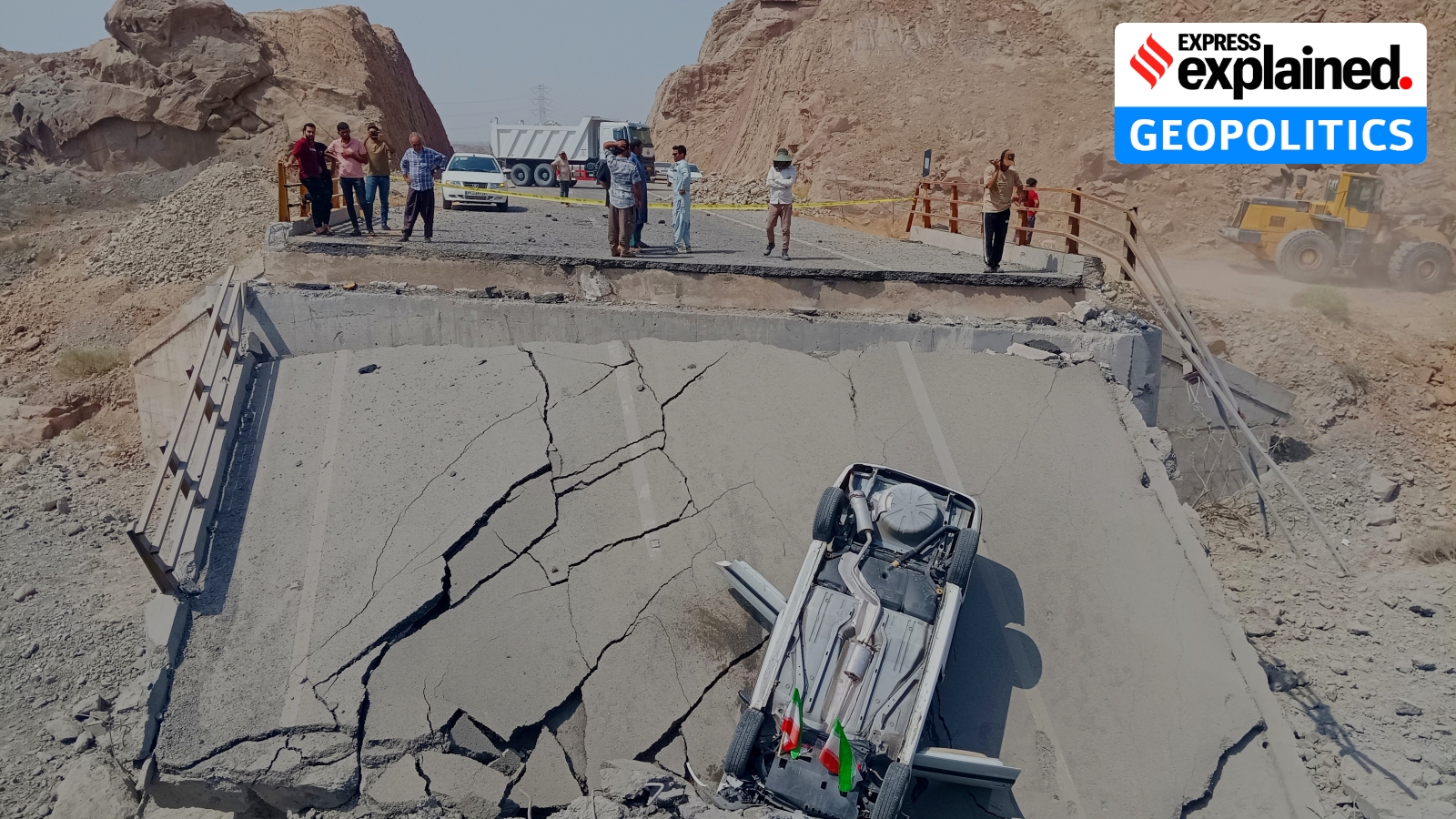
A distinctive feature of the Turkish perspective is its skepticism toward the very American model of “negotiations under fire.” Merve Seren Yıldırım Beyazıt, an associate professor at Ankara University, describes the war in an Anadolu Ajansı analysis as a conflict with no clear end in sight, in which military strikes and diplomacy proceed in parallel, creating a “gray zone” rather than a path to peace. In this reading, the problem is not limited to Iran’s nuclear program: the US and Israel have acquired a tool of pressure, but have not created a political formula that Tehran, the Arab monarchies and regional mediators could regard as sustainable. (aa.com.tr)
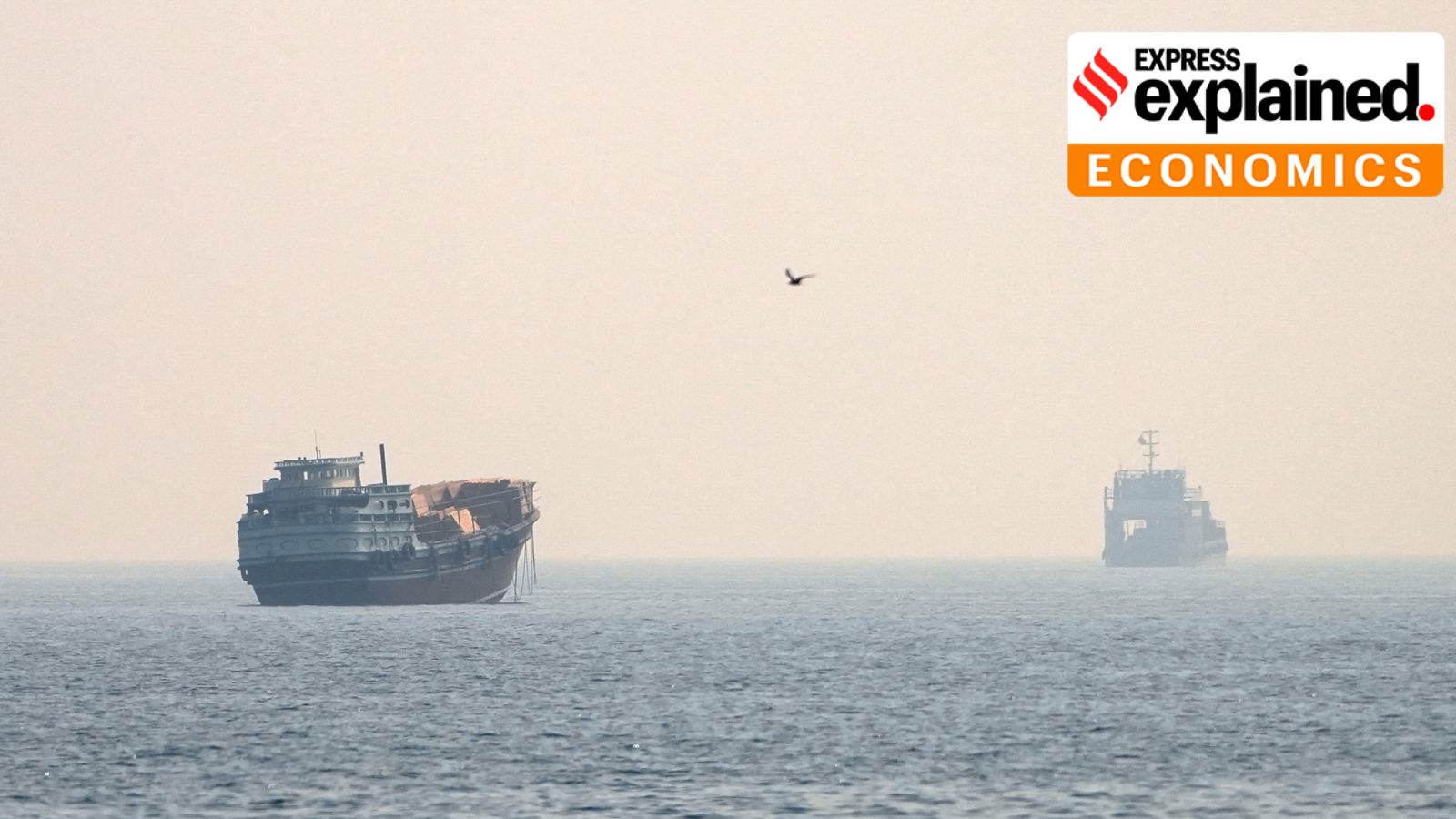
The Indian reaction is noticeably less ideological, but far more alarming in economic terms. In New Delhi, the debate is focused less on who is right in the conflict than on why the American campaign for “freedom of navigation” has placed Asia’s energy supplies at risk. An Indian Express analysis emphasizes that around 40% of India’s crude-oil imports, 60% of its LNG imports and 90% of its liquefied petroleum gas supplies from West Asia pass through the Strait of Hormuz. For India, the strait is not a symbol of global maritime freedom, but an artery on which inflation, industry and the incomes of millions of families depend. (indianexpress.com)
This explains India’s characteristic ambivalence. Delhi is not abandoning strategic cooperation with Washington, but it increasingly sees the US as a power whose decisions in third countries can cause India direct harm. Indian Express diplomatic editor Shubhajit Roy wrote that a new major war would mean not only an energy shock for India, but also a threat to its sailors and its large Indian community in the Gulf states; in his words, New Delhi is seeking the parties’ return to dialogue because a global economic downturn would hit the Global South particularly hard. (indianexpress.com) In this logic, American power is valued only as long as it reduces risks; when it becomes a source of disruptions in the Strait of Hormuz, sanctions and rising prices, India begins seeking insurance through supplier diversification and its own “strategic autonomy.”
Chinese commentators view the same crisis through the lens of America’s reputation. In a Xinhua article published by The Paper, Trump’s threats against Oman are interpreted as a sign of Washington’s frustration over the lack of quick results. It cites Dubai-based researcher Ahmed Ali, who argues that “the diplomacy of threats” does not address the roots of Iran’s problem and merely erodes trust in the US in the Middle East and around the world. (thepaper.cn) For Chinese audiences, this argument is particularly convenient: it links the Middle Eastern conflict to Beijing’s longstanding criticism of unilateral American pressure.
But China’s discussion is not limited to a propaganda formula about “hegemony.” In a Global Times commentary, a Chinese expert explained the collapse of the previous US-Iran memorandum not only in terms of military actions, but also by pointing to its inherent ambiguity: the two sides understand differently who should determine the rules of navigation in the Strait of Hormuz. This is an important local observation. Beijing sees the crisis not simply as a clash between the US and Iran, but as a dispute over who has the right to establish order in an international strait—the American military coalition, the littoral states or a new regional arrangement involving Oman. (globaltimes.cn)
This is where three different national perspectives converge. Turkey fears that Washington is turning a neighboring region into a long-term war zone. India fears that the US-Iran confrontation is sending the bill to Asian energy importers and threatening its maritime communications. China uses the situation as evidence that unilateral coercion does not create a sustainable order. The three countries do not propose identical solutions, but they are all increasingly demanding not an American victory, but workable rules that will outlast the next statement from the White House.
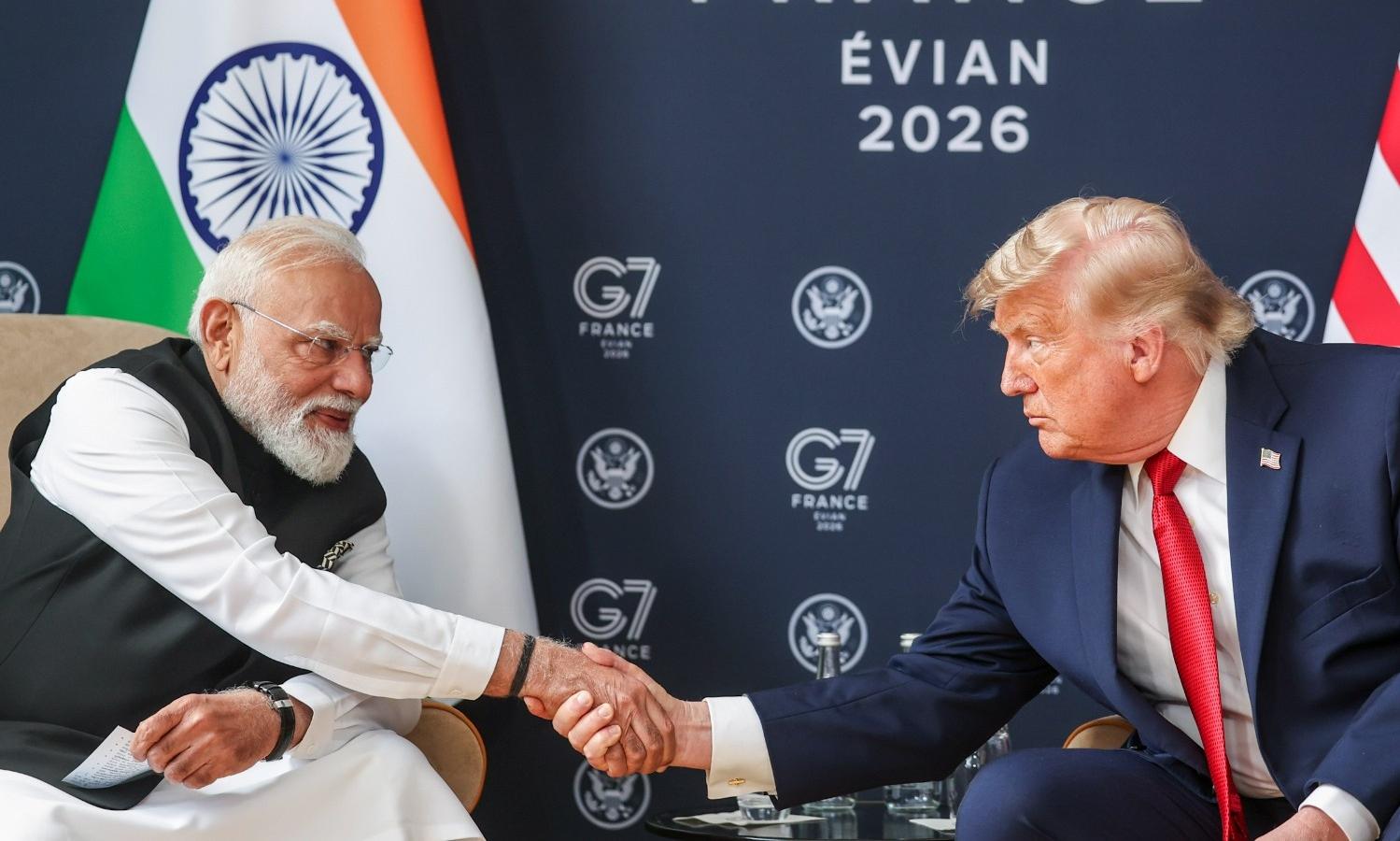
A second common theme is growing distrust of American “deal-making” diplomacy. In India, this is fueled by more than Iran. In a recent column for The Federal, journalist Seema Guha recalls that relations which until recently seemed protected by Narendra Modi’s personal rapport with Trump have come under pressure from punitive tariffs, immigration measures, criticism of Russian-oil purchases and renewed US interest in Pakistan. Her main conclusion is especially telling: India needs not simply to “outlast Trump,” but to adapt to an America that is changing more deeply and, likely, for the long term. (thefederal.com)
In China, similar distrust is fueled not by tariffs against India, but by American restrictions on technology, telecommunications and supply chains. A Chinese official commentary on countermeasures against US entities links them to restrictions on Chinese robotics equipment and power inverters, as well as the expansion of sanctions lists. The essence of Beijing’s position is this: the US publicly speaks of “constructive strategic stability,” but in practice continues to expand the concept of national security into an instrument of economic pressure. (thepaper.cn)
For Turkey, this issue sounds somewhat different. Ankara does not experience the US-China technology rivalry as directly as Beijing, nor does it have India’s level of dependence on Middle Eastern energy flows. However, Turkish debate increasingly views the US as a power against whose decisions it is necessary to hedge through regional formats, mediation and a more independent defense policy. In an Anadolu Ajansı analysis, lecturer Yusuf Bahadır Keskin draws attention to pressure from Saudi Arabia, the UAE and Qatar on Washington, which secured a delay in new strikes against Iran. For Turkish thinking, this is almost a demonstration of the new reality: even the US must take into account not only military-coalition allies, but also regional actors capable of influencing the war through oil, logistics and diplomacy. (aa.com.tr)
The most unexpected common conclusion from the Indian, Chinese and Turkish debates is that American power is not considered to be disappearing. On the contrary, it is precisely its scale—sanctions, naval forces, strikes, technological barriers and influence over markets—that makes Washington the central focus of attention. But respect for power is increasingly less likely to turn into trust in policy. America remains an indispensable power, yet in Delhi, Beijing and Ankara, policymakers increasingly assume that cooperation with it must be selective; that alternative routes, suppliers and diplomatic channels are necessary; and that national strategy should never be built on the assumption that an American signature automatically amounts to a long-term guarantee.