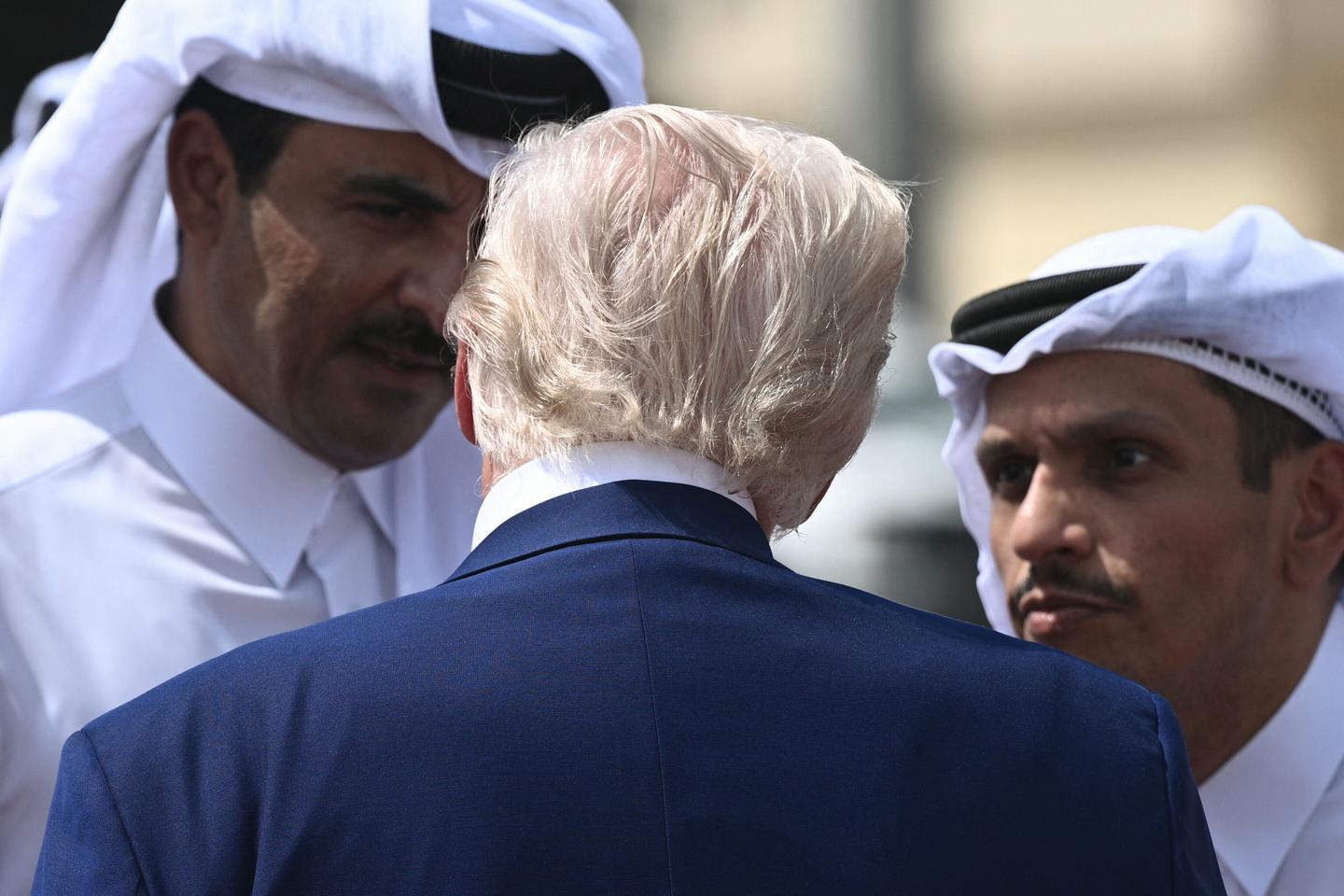
The main American issue currently drawing the most lively reaction in France, Saudi Arabia and Israel is no longer the mere fact of the US confrontation with Iran, but whether Washington’s policy is capable of turning military pressure into a lasting order. On the sidelines of the UN General Assembly on September 22–23, Donald Trump spoke of “significant momentum” toward an agreement with Tehran following contacts between US representatives and Iranian intermediaries. But in Paris, Riyadh and Jerusalem, this formula is perceived in entirely different ways: for some, it is a belated attempt to escape a dangerous war; for others, a risk of concessions to Iran; and for still others, another test of the real value of American guarantees. The Israeli publication Globes reported Trump’s comments about “movement” toward a deal alongside his threat to Iran, neatly capturing the tension of the current situation: diplomacy is taking place not instead of pressure, but within it. (globes.co.il)
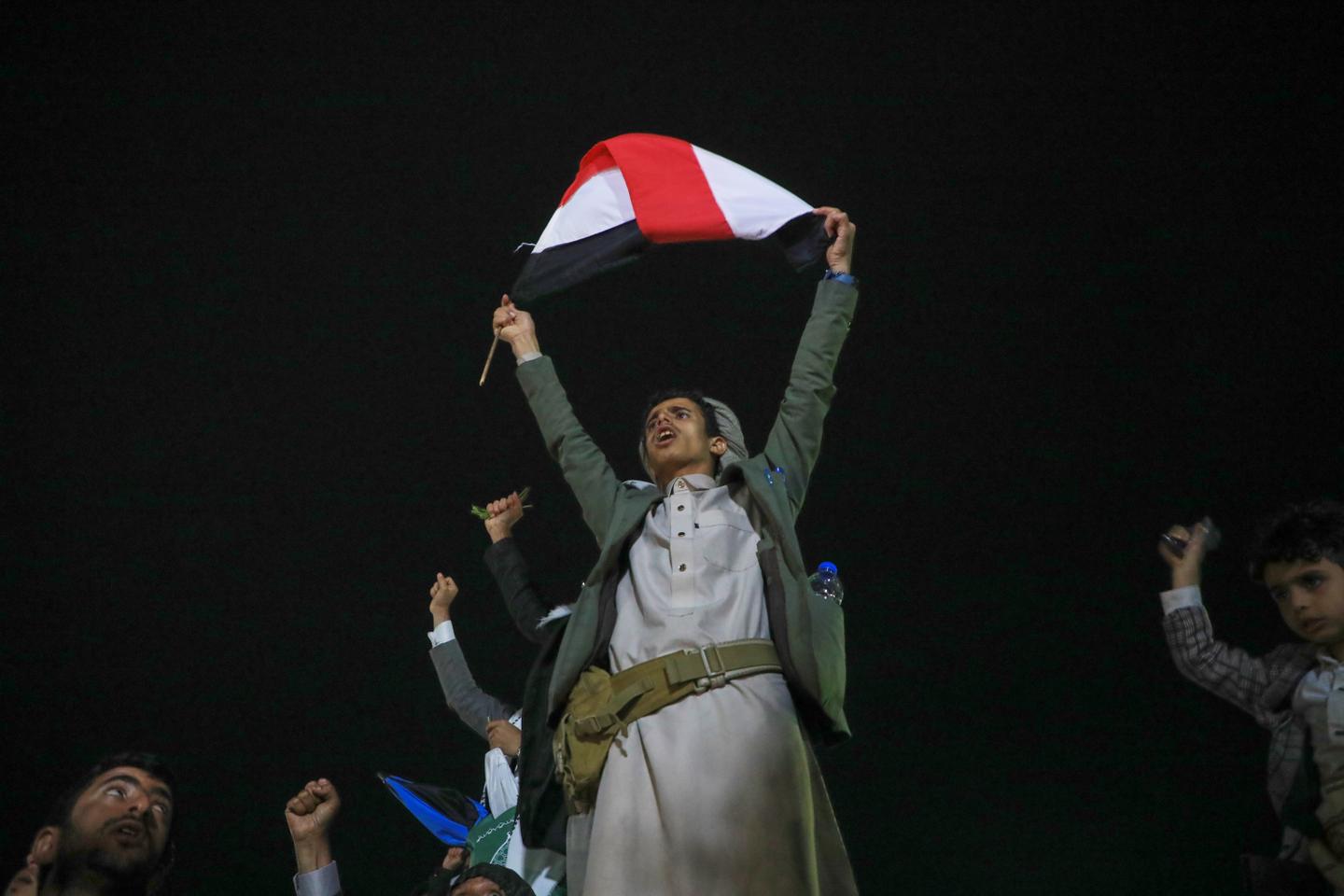
The French reaction is the most skeptical of the American strategy itself. The Paris press views the conflict through its consequences for the international order, the oil market and European security. Le Monde columnist Gilles Paris writes that the Houthi offensive has delivered another blow to the “fragile house of cards” of US Middle East policy: in his assessment, Trump has not only failed to ensure stability since the war with Iran began, but has also left Saudi Arabia alone to face the threat from Yemeni forces. Particularly telling is the claim, according to this interpretation, that the Americans held contacts with the Houthis in Oman, signaling that they did not want to become involved in the Saudi conflict. In his column for Le Monde, Paris explicitly calls this a wedge that the Houthis have managed to drive between the US and its main Arab ally. (lemonde.fr)
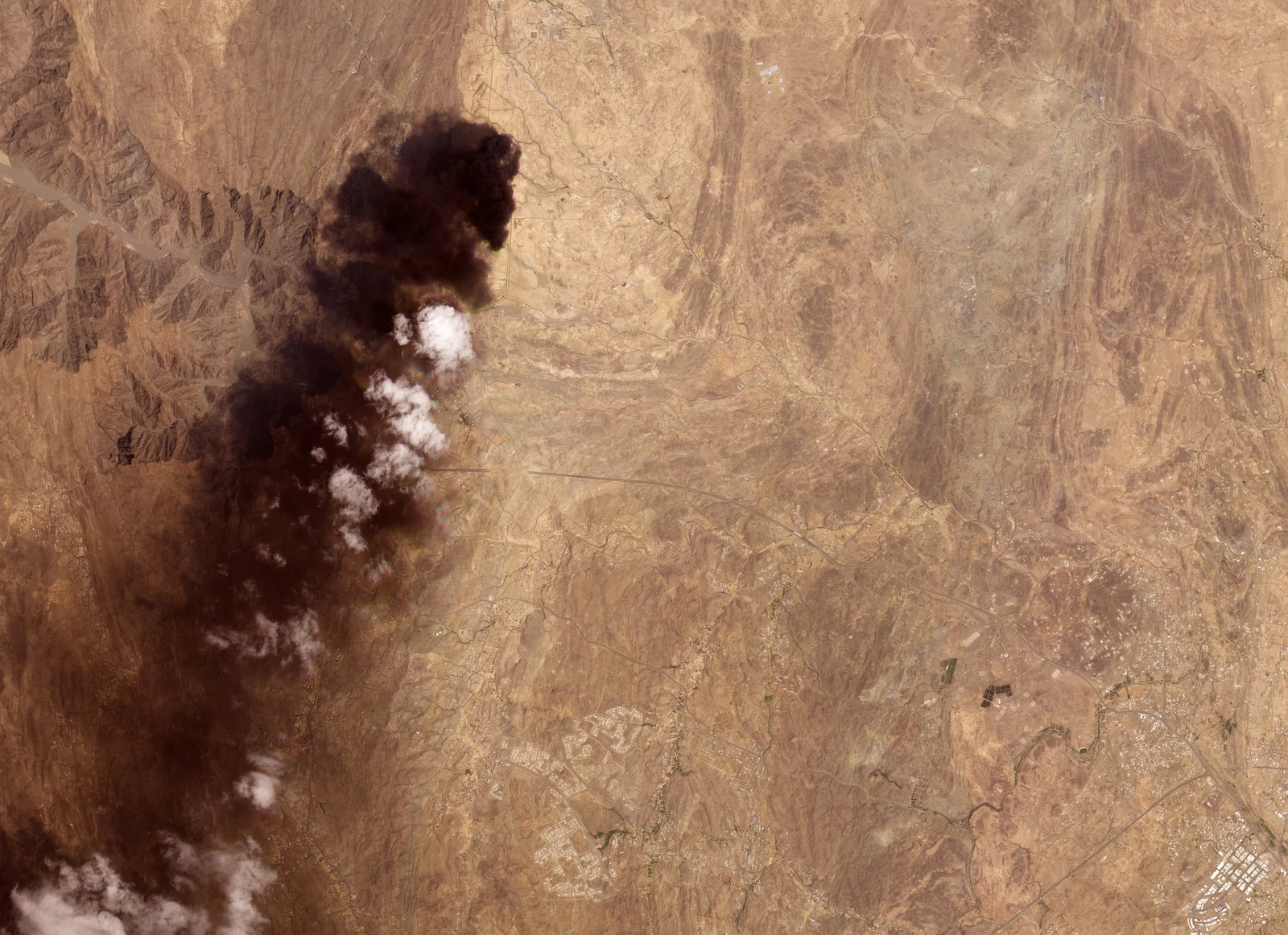
Behind France’s irritation lies more than an anti-adventurist reflex. France sees the protracted crisis around the Strait of Hormuz as proof that the American superpower can launch a campaign without calculating the political cost of continuing it. At the beginning of September, Le Monde expressed the idea bluntly: the United States had proved incapable of quickly changing Iran’s behavior, protecting the Gulf states from retaliatory strikes, or restoring normal shipping through Hormuz. From this perspective, Washington’s statements about a future deal sound not like a diplomatic breakthrough, but like a search for a way out of a strategic deadlock. A French editorial assessment even argues that the US voice in the region has lost its former centrality. (lemonde.fr)
The Saudi perspective is notably less ideological and far more practical. For Riyadh, the question of whether Trump is a strong or unpredictable leader is secondary to three measurable issues: whether Saudi cities and energy facilities are protected, whether the maritime export route remains open, and whether America is ready to honor its promises when an attack occurs. In the Saudi English-language press, the US war with Iran is described as a conflict in which Tehran retains its strongest lever—the ability to disrupt traffic through Hormuz and operate through allied armed groups. Dr. Abdel Aziz Aluwaisheg, assistant secretary-general for negotiations and strategic planning at the Cooperation Council for the Arab States of the Gulf, wrote in Arab News that Iran had exposed cracks in the opposing camp: France, Germany and Japan are not participating in the war, while the US has still been unable to achieve the full reopening of the strait. (arabnews.com)
This explains the Saudi ambivalence. Riyadh has no interest in an Iranian victory and does not consider Washington’s endless oscillation between blockade, strikes and negotiations acceptable. But it also does not want Washington to once again build a regional architecture without taking the interests of the Arab states themselves into account. Commentator Osama Al-Sharif, in Arab News, criticizes the American postwar scheme, based on containing Iran and expanding Arab-Israeli normalization: in his view, a repetition of prewar formulas will not bring stability, because those formulas already failed to prevent the current regional catastrophe. (arabnews.com) The Saudi reaction, therefore, does not amount to rejecting the US: it is a demand to replace general assurances with concrete protection and to recognize that Gulf security cannot be designed unilaterally in Washington.
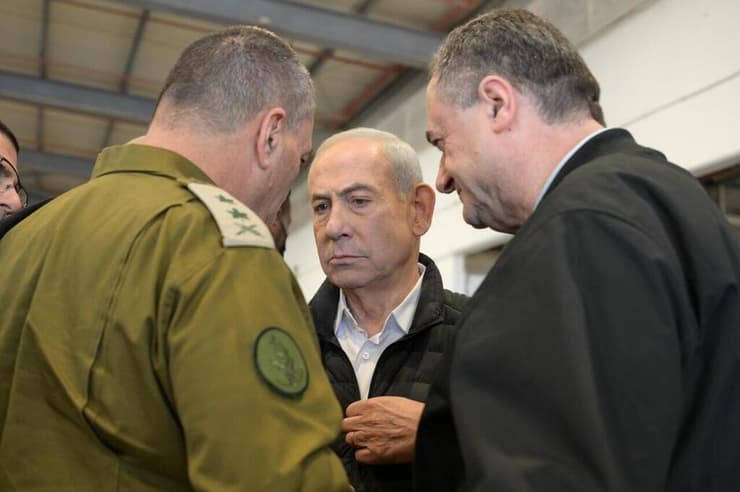
The Israeli debate, by contrast, focuses on whether America’s drive for a deal could turn into a strategic respite for Tehran. In Israeli analysis, Trump appears neither as a peacemaker nor as an unreliable ally in the abstract, but as a politician constrained by US elections, energy prices and a desire to avoid another major war. In a Ynet commentary, Itamar Eichner characterizes the American strikes and pressure as a way to force Iran to accelerate negotiations, rather than as preparations for a full-scale war; the author emphasizes that rising oil prices and the approaching US midterm elections are pushing Trump toward limited, controlled escalation. (ynet.co.il)
But it is precisely this manageability that worries many in Israel. Globes analyst Dean Shmuel Elmas previously expressed the suspicion in exceptionally stark terms: Trump began the campaign by promising unprecedented pressure, but the risk of a global energy crisis then changed his priorities; Israel, according to this logic, is a useful partner as long as it helps pressure Iran, but not necessarily a participant in decisions about a compromise. In his analysis for Globes, a possible deal is portrayed as an agreement that could give Iran economic breathing room without easing Israeli concerns about its long-term military potential. (globes.co.il)
The paradox of the current international reaction to America is that France, Saudi Arabia and Israel assess the desired outcome differently, yet agree on one thing: the old formula of American leadership is no longer enough. France demands multilateralism and predictability; Saudi Arabia, material guarantees and infrastructure protection; Israel, an agreement that will not look like merely postponing the next Iranian crisis. For all three, Hormuz has become not merely a geographical chokepoint, but a symbol of a broader question: can America still serve as a guarantor of security if its partners are forced to hedge simultaneously through Europe, Turkey, Pakistan, China or their own military strength?