In the final days of August 2026, the main foreign-policy issue shaping reactions to the United States in China, Russia and Saudi Arabia was Washington’s latest attempt to isolate Iran economically. Launched on August 24 by U.S. Treasury Secretary Scott Bessent, the “economic expulsion” campaign threatens secondary sanctions not only against Tehran, but also against states, banks, carriers and companies that continue trading with it. For Washington, this is a way to move from a protracted military confrontation to economic coercion. For the three capitals watching from the sidelines, it is simultaneously a test of America’s ability to dictate the rules, a warning about the fragility of maritime trade, and a reminder that the costs of U.S. strategy are increasingly being shifted onto third countries. (kommersant.ru)
In China’s debate, U.S. pressure is viewed primarily not as a narrow Iranian issue, but as another stage in the rivalry between the United States and the PRC. Beijing officially rejected the extraterritorial logic of the sanctions: Foreign Ministry spokesman Lin Jian said on August 24 that pressure and sanctions “do not help solve problems,” but instead increase tensions. The following day, he stressed that Chinese-Iranian cooperation is conducted within the framework of international norms and should not become the subject of interference. This formula is important: China is not promising a political or military alliance with Iran, but it refuses to recognize Washington’s right to determine what trade between third countries is permissible. The Chinese statement carried by China News Service and the Xinhua report show that official Chinese language focuses not on defending Tehran as such, but on defending the principle of sovereign trade. (chinanews.com.cn)
Chinese analysts go beyond the official rhetoric. In an article by Fudan University’s Center for American Studies, Trump’s renewed reliance on economic pressure is interpreted as evidence that the White House lacks a convincing way out of the Iran conflict: “Trump is pressuring Iran precisely because he has no good moves.” This Chinese interpretation is particularly revealing: U.S. actions are assessed not by the toughness of their wording, but by whether they can turn military superiority into an attainable political result. Zhou Bo, a researcher at Tsinghua University, expressed a similar idea back in July, describing the war as the consequence of a decision made “at the expense of the entire world.” His eight conclusions about the U.S.-Iran war reflect a widespread view in China: American power remains immense, but its use is becoming increasingly difficult to reconcile with the stability of the global system. (cas.fudan.edu.cn)
This explains China’s unexpectedly restrained but firm position. Beijing has no interest in direct confrontation with the United States over Iran, especially when its own energy supplies and relations with Arab exporters are at risk. But neither does it see any reason to help Washington restore regional dominance through a sanctions blockade. Chinese political scientist Gu Xuewu, in an interview with Deutsche Welle in Chinese, put it almost cynically: China does not need to “decide America’s fate” in the Middle East; it is enough not to prevent America from making its own mistakes. This does not necessarily mean that Beijing is prepared to compensate Iran for all its losses. Rather, it will calibrate its support so that U.S. secondary sanctions do not become a universal norm.
In Russia, the same campaign is viewed through the experience of years of sanctions against Moscow. Russian media describe the American initiative as an attempt not merely to punish Iran, but to turn trade with it into a risk for all of its partners. The Kommersant analysis emphasizes that Washington speaks of the regime’s “economic strangulation” and openly does not rule out putting pressure on China—the main buyer of Iranian oil. For a Russian audience, this is a familiar construct: sanctions are understood not as a temporary negotiating tool, but as a technology for creating a broad economic perimeter around an unwanted state. (kommersant.ru)
That is why the most important issue in Russian commentary is not how painful the new restrictions will be for Iran, but their blowback. China expert Nikolai Vavilov argues in an RT column that pressure on oil suppliers ultimately accelerates their economic rapprochement with China and makes Beijing an increasingly indispensable center for settlements, logistics and demand. This is clearly a politically colored assessment, but it conveys a broader Russian argument well: excessive use of sanctions does not return countries to the American orbit; instead, it forces them to seek alternative channels for payments, transportation and trade. (russian.rt.com)
Yet the Russian view is not identical to China’s. For Beijing, the crisis is primarily a risk of being drawn into someone else’s war and of losing access to Middle Eastern oil. For Moscow, it is also proof that American sanctions pressure is becoming increasingly global and therefore objectively bringing Russia, China and Iran closer together. In other words, China is predominantly characterized by a pragmatic rejection of American interference, while Russia has a more ideologized view of the conflict as another episode in the struggle against American unipolarity.
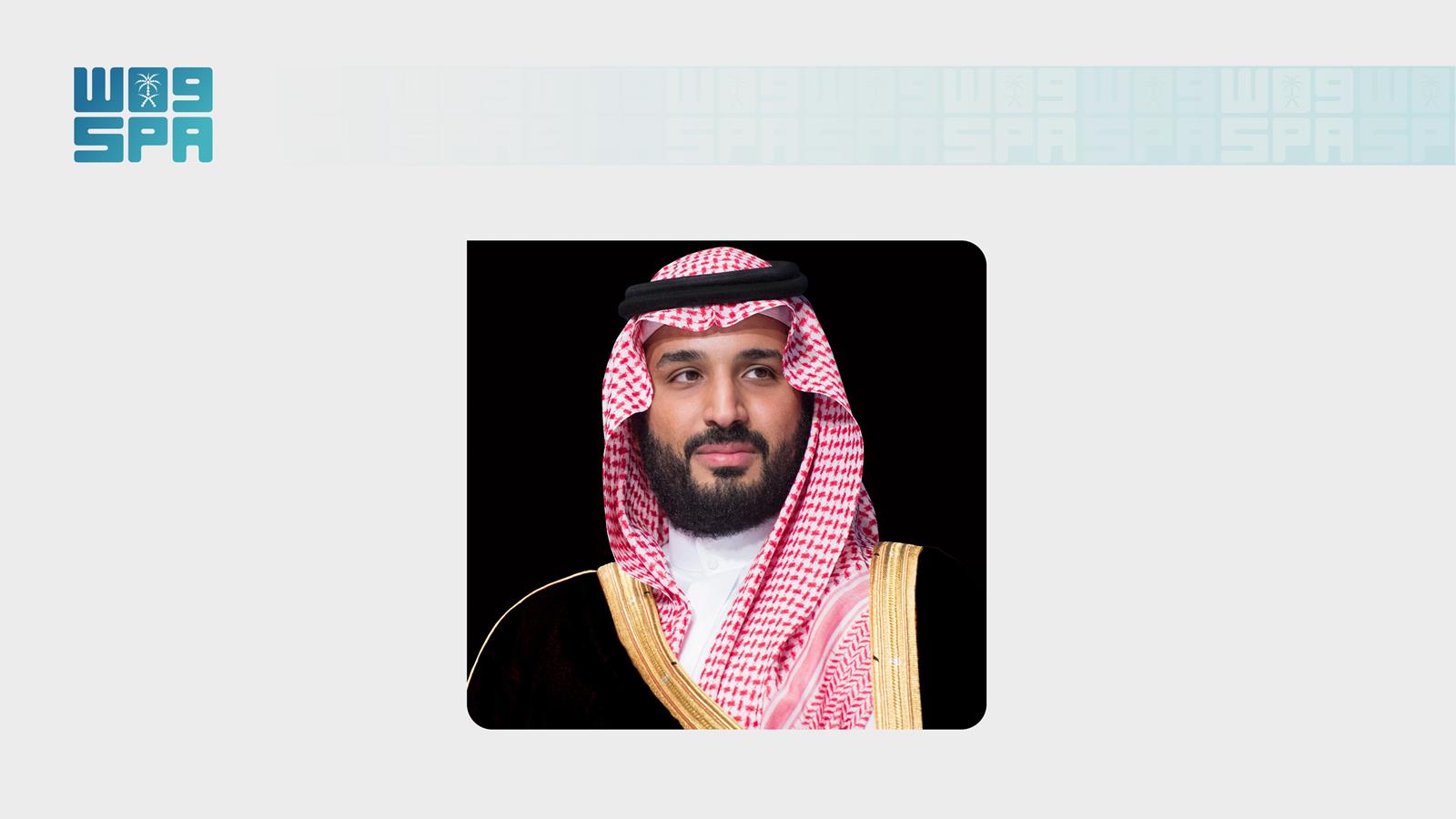
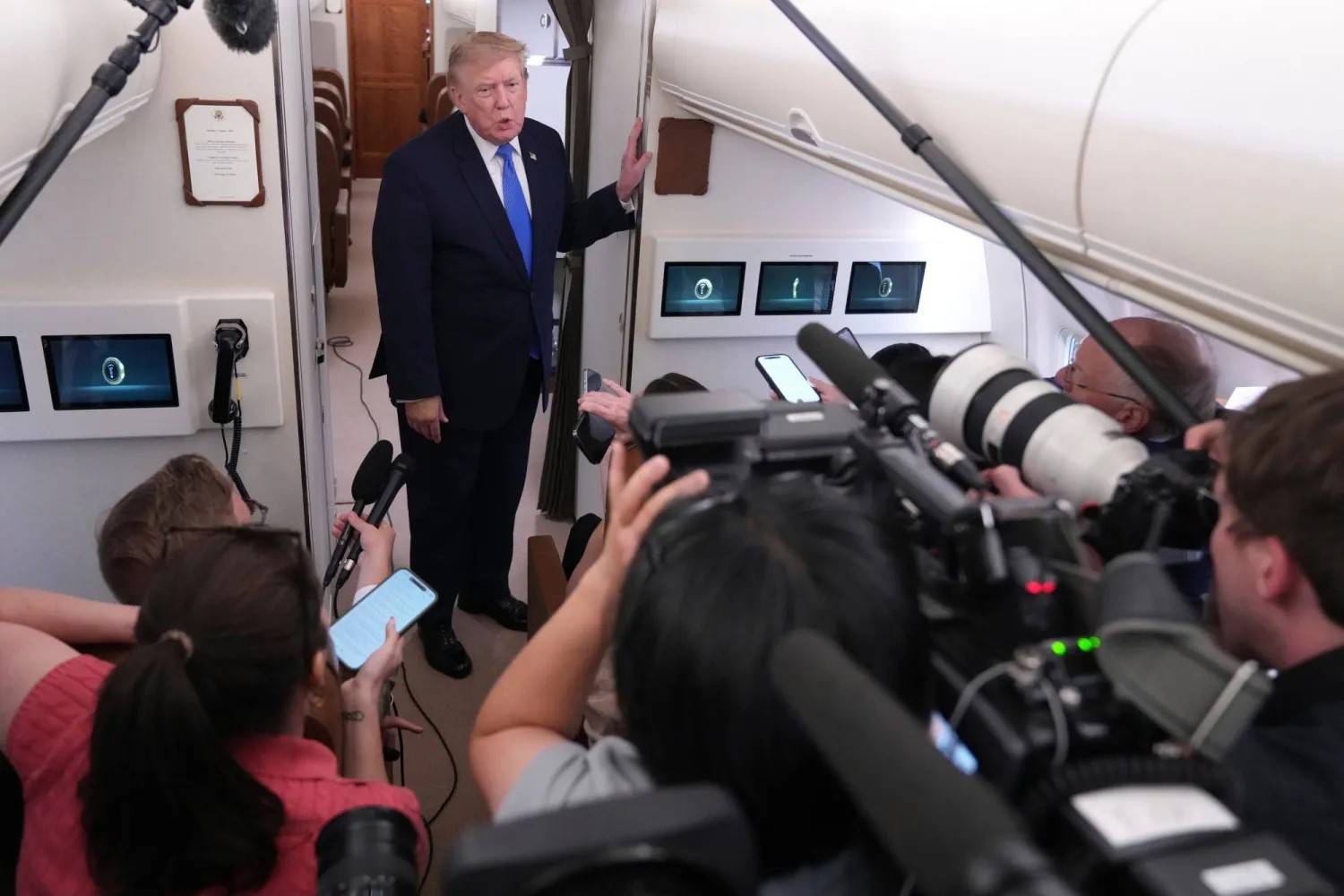
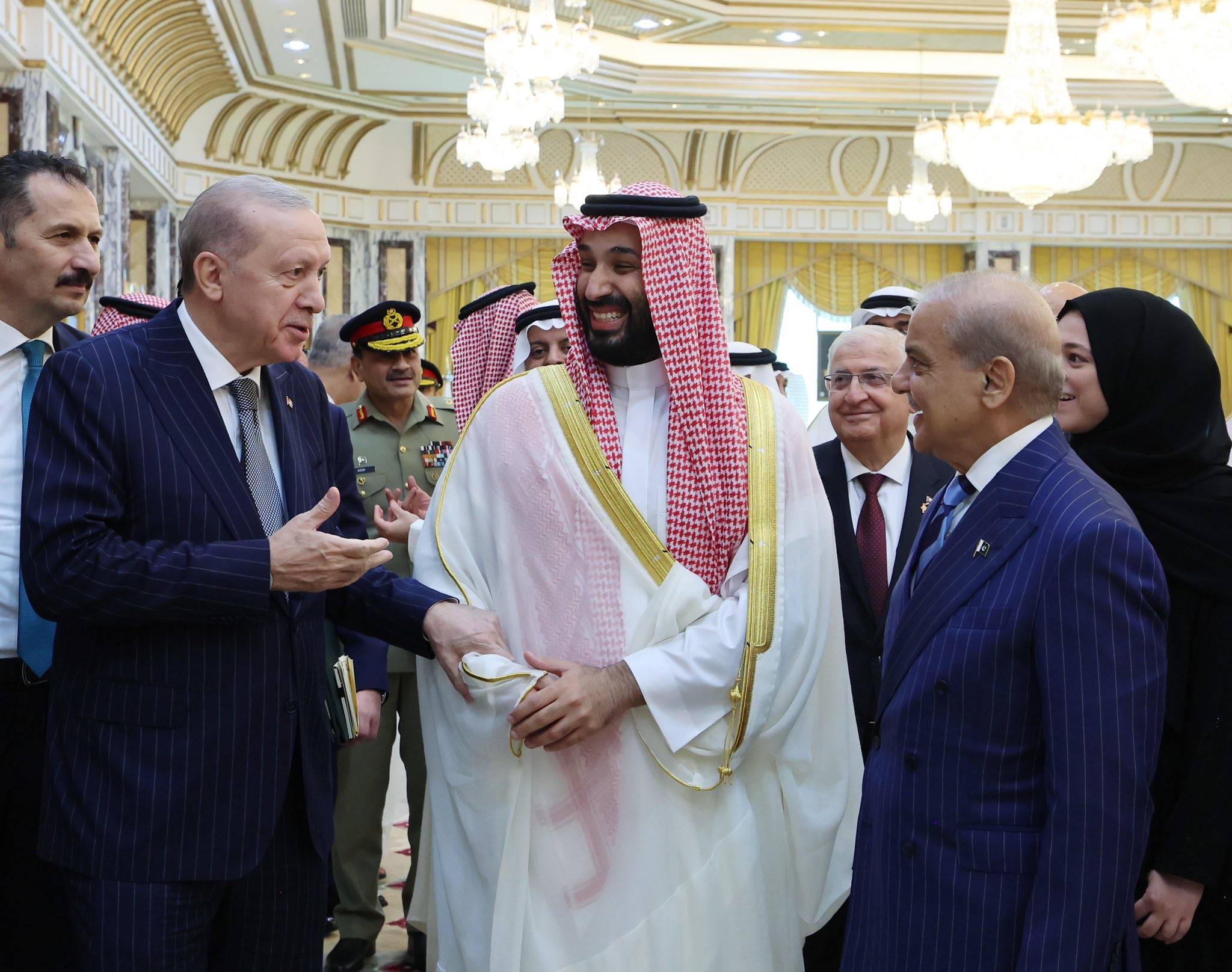
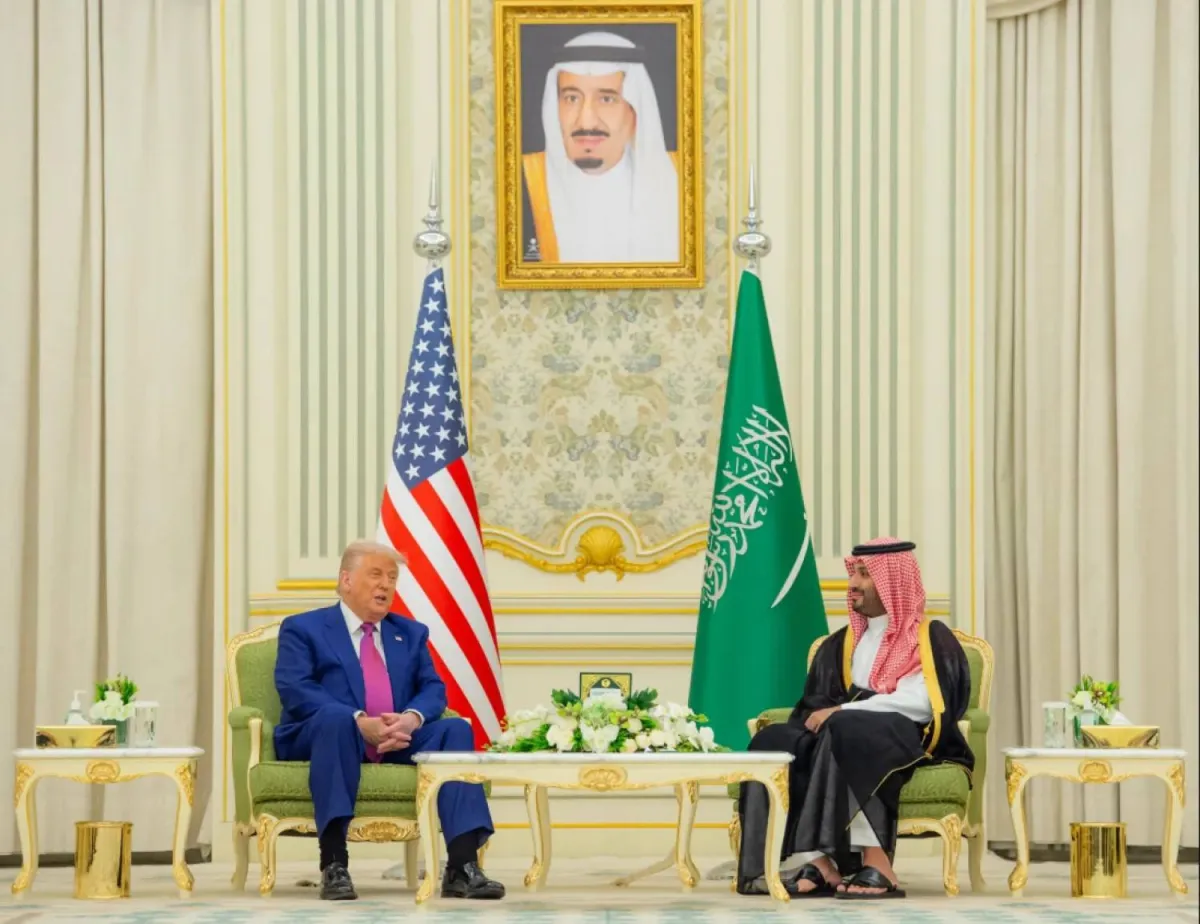
The Saudi reaction differs noticeably from both. Riyadh is less interested in the dispute over the legitimacy of secondary sanctions as such, and more interested in whether the American strategy can once again make the Persian Gulf safe for trade, exports and investment. The Saudi state news agency SPA reported after a July conversation between Crown Prince Mohammed bin Salman and Donald Trump that the parties identified maritime security and support for regional stability as priorities. The official SPA statement shows that Riyadh is not abandoning cooperation with the United States, but measures it by practical results: Are shipping, energy routes and Saudi Arabia’s own security protected? (spa.gov.sa)
Saudi writers increasingly describe the American and Iranian approaches as a mutual trap. Dr. Faiz al-Shehri writes in a column for Al-Riyadh that Washington possesses colossal military power, but has so far failed to transform it into the political will needed to force Tehran to concede; Iran, for its part, is holding on to its leverage over the Strait of Hormuz, but cannot raise the stakes indefinitely. This assessment is notable not for any sympathy toward Iran—which is absent from Saudi public discourse—but for its skepticism toward the idea that American power automatically produces an orderly system. (alriyadh.com)
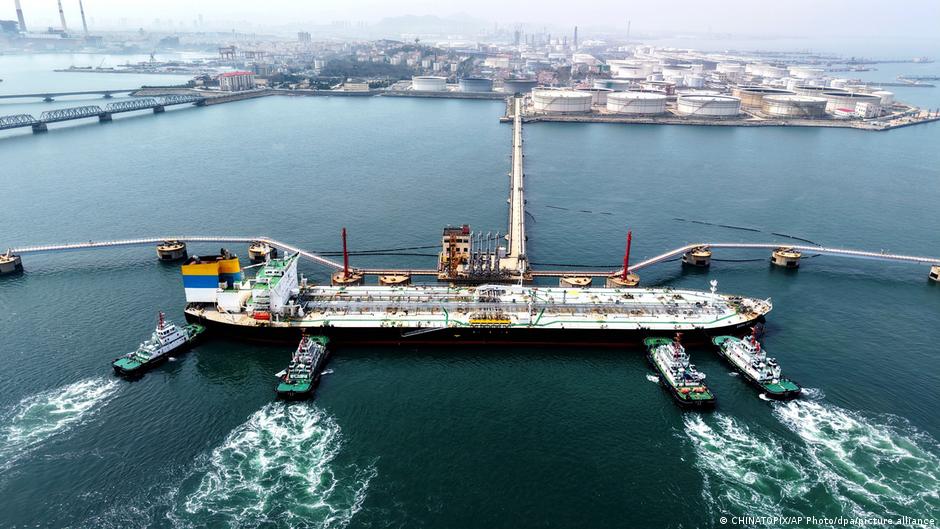
Hormuz has become the focal point of Saudi perceptions of America. In late August, Al-Riyadh recorded oil prices above $85 per barrel, rising insurance and transportation costs, and the threat that a closure of the strait would disrupt not only crude oil supplies but also petroleum-product exports. This economic review is more important than many high-profile political statements: Saudi Arabia does not automatically regard high prices as a gain. For a country implementing its Vision 2030 economic-diversification program, unstable logistics, higher insurance rates and regional risk may prove more dangerous than short-term oil revenues. (alriyadh.com)
The Saudi approach can therefore be reduced to a demand for a dual outcome from the United States: Iran must not be allowed to threaten the security of its neighbors and maritime routes, but American pressure must not escalate into an open war whose consequences the Gulf states would have to bear. In an Asharq Al-Awsat article, this position is described as a desire for an agreement that eliminates the roots of the crisis rather than a temporary pause. This is the main difference from China and Russia: Riyadh does not merely want to limit American influence; it wants America to use that influence more predictably and effectively.
The common conclusion of the three debates is not that China, Russia and Saudi Arabia have the same attitude toward the United States. On the contrary, their interests are often opposed: China is defending its room for maneuver in trade, Russia sees an opportunity for further erosion of the West’s sanctions architecture, and Saudi Arabia needs a functioning American security system. But all three countries agree on one point: Washington’s current policy is seen as a test of its ability to combine pressure with diplomacy. If the United States limits itself to threats of secondary sanctions without ensuring the reopening of the Strait of Hormuz, de-escalation and a political framework for negotiations, Beijing will see this as evidence of American strategic exhaustion, Moscow as confirmation of the failure of sanctions hegemony, and Riyadh as yet another reason to hedge its security and economic future against American unpredictability.