In Germany, Israel, and Australia, the discussion about America in mid-August 2026 is focused almost entirely on the war with Iran, but the subject of debate is no longer limited to the military campaign itself. The central question uniting German, Israeli, and Australian commentators is much broader: can Donald Trump’s administration turn the use of force into a sustainable political outcome—and what should allies do when Washington simultaneously demands participation, changes the terms, and rushes to declare a deal a victory? From the local perspective, the United States no longer appears to be the familiar guarantor of order, but rather a power whose actions create new risks for its partners, from security to energy prices.
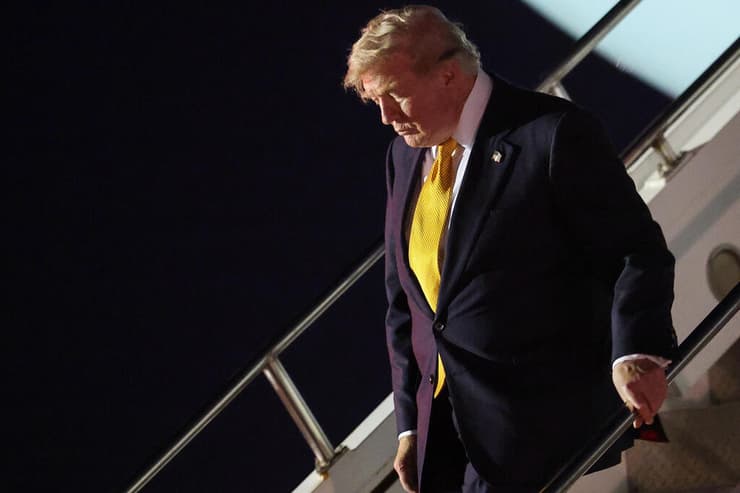
The German response is particularly focused on the gap between American rhetoric and strategy. In an interview with Tagesschau, Sasha Lohmann, an expert at the German Institute for International and Security Affairs, described Trump’s policy as “Strategielosigkeit”—a lack of strategy. For Germany, this is not merely a moral reproach: wavering over strikes, negotiations, and freedom of navigation in the Strait of Hormuz is seen as a mechanism that drives up oil prices, fuels inflation, and makes any diplomatic de-escalation extremely fragile. The German press sees the American problem primarily as one of manageability: the president must show strength, avoid a protracted war, and prevent the costs of the conflict from damaging his standing ahead of the midterm elections. (tagesschau.de)
This also explains German skepticism toward the very idea of a “deal.” In Tagesschau’s analysis of the situation in the Strait of Hormuz, the conflict is described as a state between war and negotiations: Tehran can inflict global economic damage through relatively inexpensive attacks and threats to shipping, while the United States has no good choice between major escalation, retreat, and an endless cycle of limited retaliatory strikes. In another interview with the outlet, expert Guido Steinberg says directly that he sees no compromise solution to the nuclear issue. In the German reading, this means that American military power has not disappeared, but its conversion into order and rules has become questionable. (tagesschau.de)
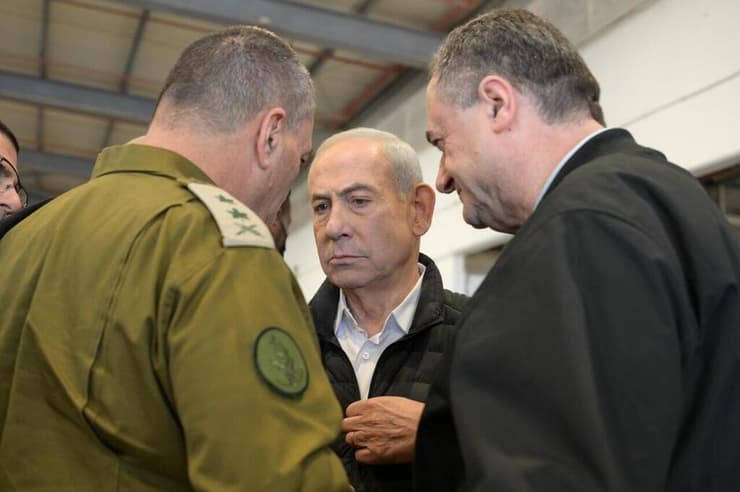
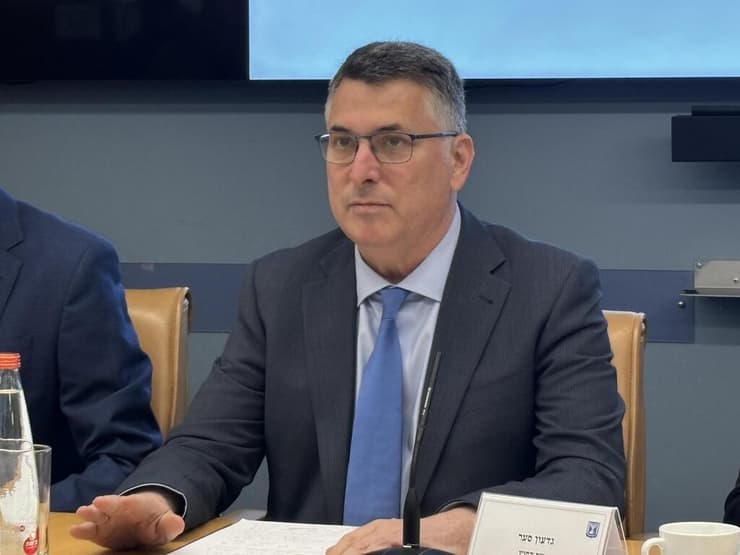
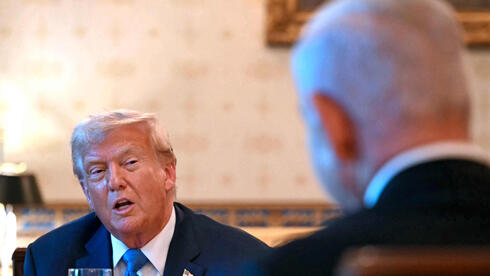
The Israeli debate is more emotional because, for Israel, American inconsistency is not an abstract alliance problem but a direct national-security risk. In a Ynet commentary, Itamar Eichner offers an interpretation characteristic of part of the Israeli establishment: Trump is using pinpoint strikes as a way of negotiating with bombs, seeking to pressure Tehran into moving faster without returning to a full-scale war. The author links this haste to domestic U.S. politics—the midterm elections, oil prices, and the president’s desire to preserve his image as a peacemaker. In other words, Washington, in the Israeli assessment, is acting less according to the logic of eliminating the threat once and for all than according to the logic of limited pressure designed to produce a rapid political effect. (ynet.co.il)
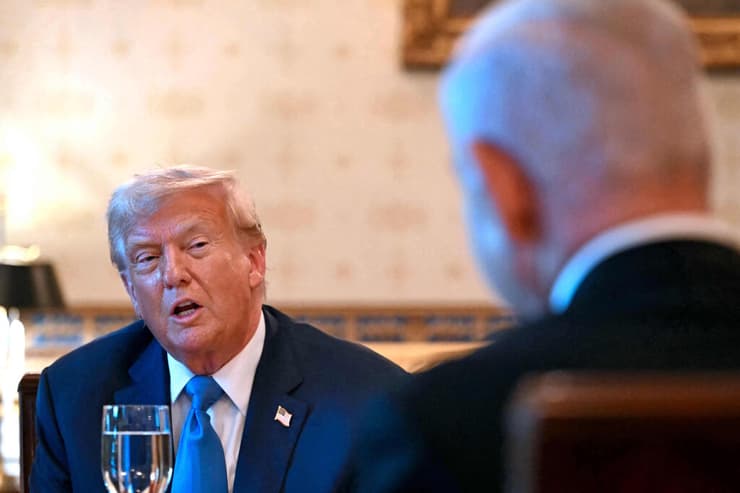
But this is precisely what generates an anxiety in Israel that is largely absent from German articles: the fear that the United States will conclude an agreement convenient for America but insufficient for Israel. In an analytical article in The Times of Israel, David Horovitz writes about the divergence between Washington’s and Jerusalem’s goals: for Trump, stabilizing the Strait of Hormuz and lifting the energy shock are becoming priorities, while Israel fears that key military and nuclear threats will remain unresolved. In another Ynet commentary, Eichner puts it even more bluntly: Benjamin Netanyahu’s reliance on his personal closeness with Trump has turned into dependence on a president who can quickly change course. This is an important and less obvious local point: Israeli criticism does not necessarily call for greater U.S. involvement; some commentators are demanding greater predictability and recognition that the interests of allies are not identical. (timesofisrael.com)
The Australian response revolves around a different question: where the boundary of allied obligations to the United States lies. Canberra does not want a break with Washington, but it refused to send ships for an operation in the Strait of Hormuz despite Trump’s public irritation. In an ABC analysis, the refusal is described as a possible “red line” for Australia: the country condemns Iran’s actions but is not prepared to enter automatically into a war whose planning it was not involved in. Even conservative Andrew Hastie described Trump’s attack as “petulant”; this is significant because dissatisfaction with the American style here extends beyond ordinary partisan divisions. (abc.net.au)
Australians also see the conflict not as a distant Middle Eastern drama but as a test of their own strategic independence. An ABC column on AUKUS voices concern that the defense partnership with the United States is physically and politically drawing Australia into American decisions, even as the Australian government tries to distance itself. Prime Minister Anthony Albanese, as ABC notes, expressed “very serious concern” about the humanitarian and global economic consequences of the escalation. From this perspective, the alliance with the United States remains necessary because of China and the broader security architecture of the Indo-Pacific, but it is no longer seen as an unconditional safeguard against crises: it can itself become a channel through which they are imported. (abc.net.au)
A common international diagnosis is therefore taking shape. Germany sees the United States as a source of strategic volatility and economic risk; Israel sees it as an indispensable but increasingly unreliable patron capable of placing its own deal above Israeli objectives; and Australia sees it as an ally whose closeness requires increasingly clear national limits. The degree of dependence on Washington differs enormously among these countries, but the conclusion is the same: the era when American support automatically meant agreement with the American course is ending. Allies are no longer discussing whether they are prepared to stand alongside the United States, but how to avoid becoming hostages to American improvisation.