By September 14, 2026, the United States had simultaneously become the leading—but highly ambiguous—participant in two conflicts: the attempt to restart negotiations on the Russian-Ukrainian war and a new phase of confrontation with Iran. In Kyiv, Jerusalem and Moscow, these developments are not viewed as manifestations of a single American strategy, but as actions by Donald Trump’s administration, for which the speed of reaching a deal, domestic political advantage and a reluctance to become bogged down in yet another war often matter more than traditional allied commitments. The common thread in all three countries is the question of where American mediation ends and pressure on partners to make concessions begins.
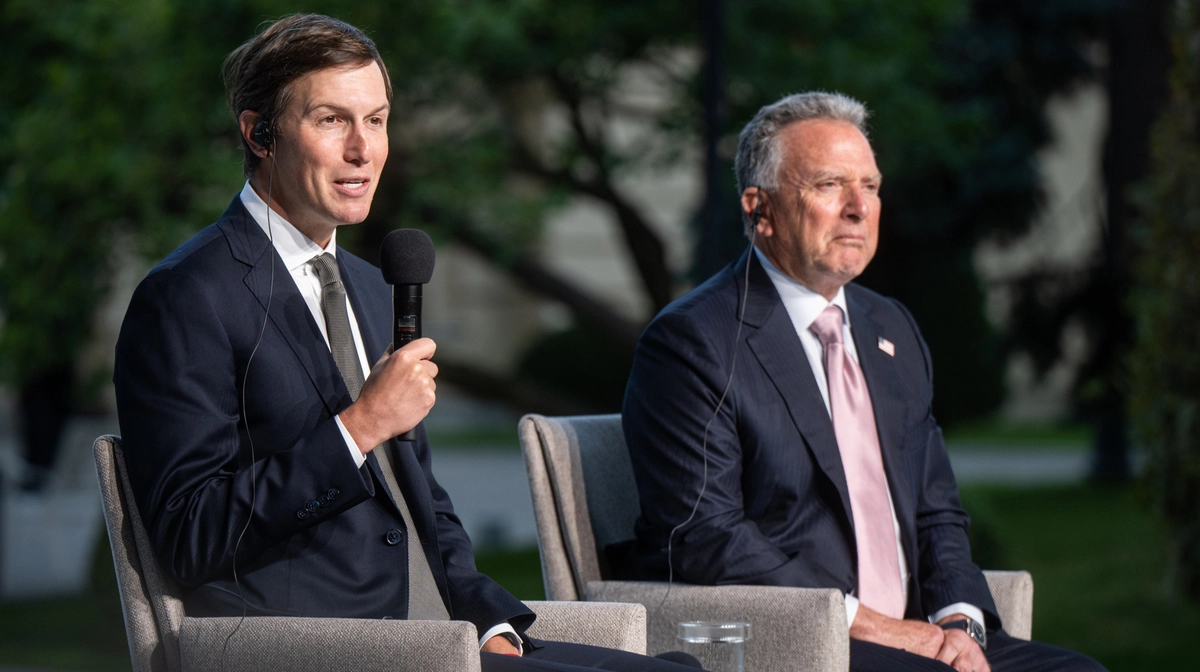
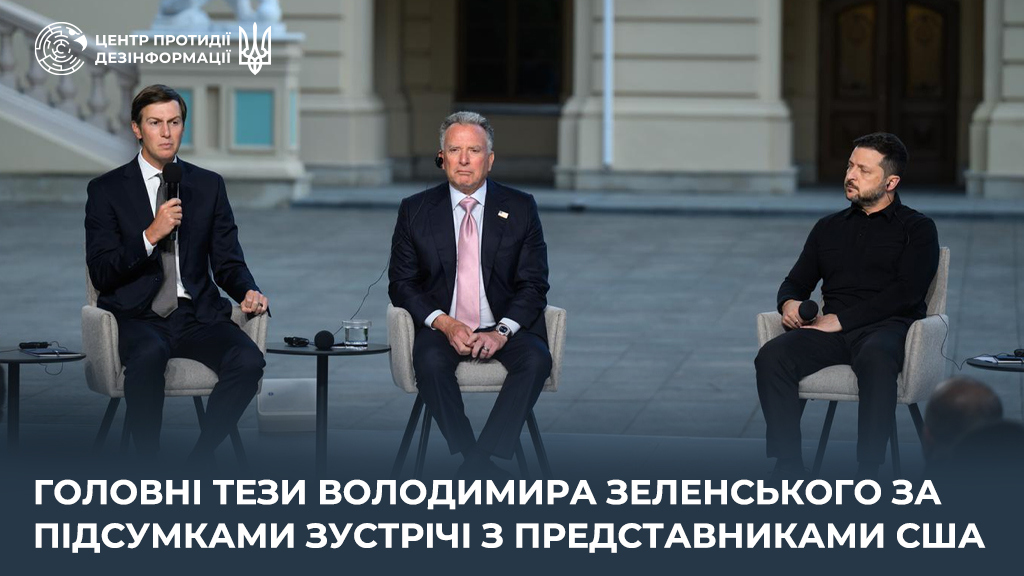
The most painful issue remains Ukraine. Following Steve Witkoff’s and Jared Kushner’s visits to Moscow on September 5 and Kyiv on September 6, the Ukrainian reaction intensified sharply because of Kushner’s remarks at the YES forum on September 12. According to his version, an agreement would be nearly complete if Ukraine agreed to withdraw to the line demanded by Vladimir Putin. For Ukrainian audiences, this sounded not like a neutral mediation formula, but like shifting responsibility for the absence of peace from the aggressor to the country under attack. The contrast highlighted in a Ukrainska Pravda report was particularly telling: while the American envoy spoke about finding the “right formula” and postwar economic prosperity, an air-raid alert was sounding in Kyiv. (pravda.com.ua)
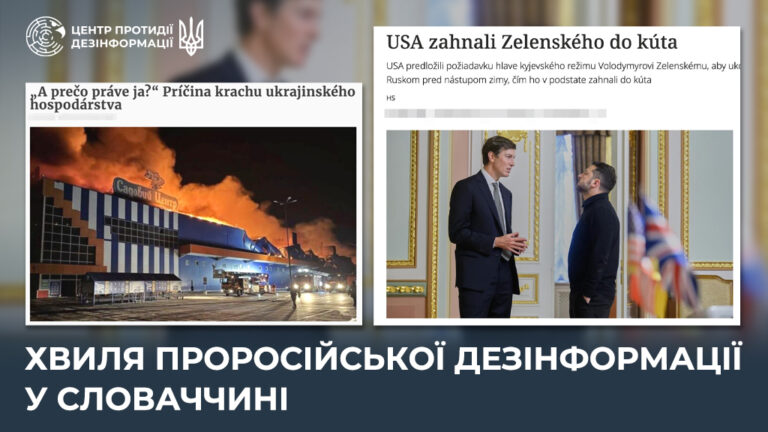
Ukrainian criticism, however, is directed not simply against negotiations themselves. Kyiv is ready for a diplomatic process, but fears that Washington is trying to turn the reality on the battlefield into a legal basis for a territorial settlement. Following his meeting with American representatives, President Volodymyr Zelensky emphasized the need for a winter air-defense package, energy support and American LNG, while warning that without a strong position on the battlefield, negotiations turn into ultimatums. That is why, in the Ukrainian debate, American diplomacy is inseparable from the issue of military aid: a mediator who calls for compromise but does not strengthen the side’s defenses risks being perceived as a source of pressure rather than a guarantor of peace. (cpd.gov.ua)
In Russia’s public discourse, the same diplomatic episode looks almost like a mirror image. Moscow welcomes the very fact of direct contact with the White House and especially values the fact that the American side is discussing not an abstract ceasefire, but the political structure of the postwar order. In a Kommersant analysis, presidential aide Yuri Ushakov conveyed the Kremlin’s assessment: the results of Witkoff’s and Kushner’s visit were received “as a positive,” while Trump linked the end of the war to the prospect of a large-scale restoration of Russian-American trade relations. (kommersant.ru) Russian commentators see the value of the current moment primarily in the fact that the United States no longer appears to be Kyiv’s unconditional political patron and is prepared to discuss the parameters of a settlement directly with Moscow.
But even in Russian analysis, optimism is limited. In a commentary for Kommersant FM, commentator Dmitry Drize notes that real peace talks will most likely depend on the outcome of the winter campaign, while the current contact merely preserves “some kind of” chance for dialogue. (kommersant.ru) This is an important detail: the Russian debate does not assume that Trump is capable of imposing a solution immediately. Rather, his administration is viewed as a channel through which American involvement in the war can be reduced, discussion of the “realities on the ground” can be consolidated, and transatlantic unity weakened. Expert Georgy Asatryan states Russia’s minimum objective directly in Kommersant: to keep the United States as far away as possible from deep involvement in the conflict. (kommersant.ru)
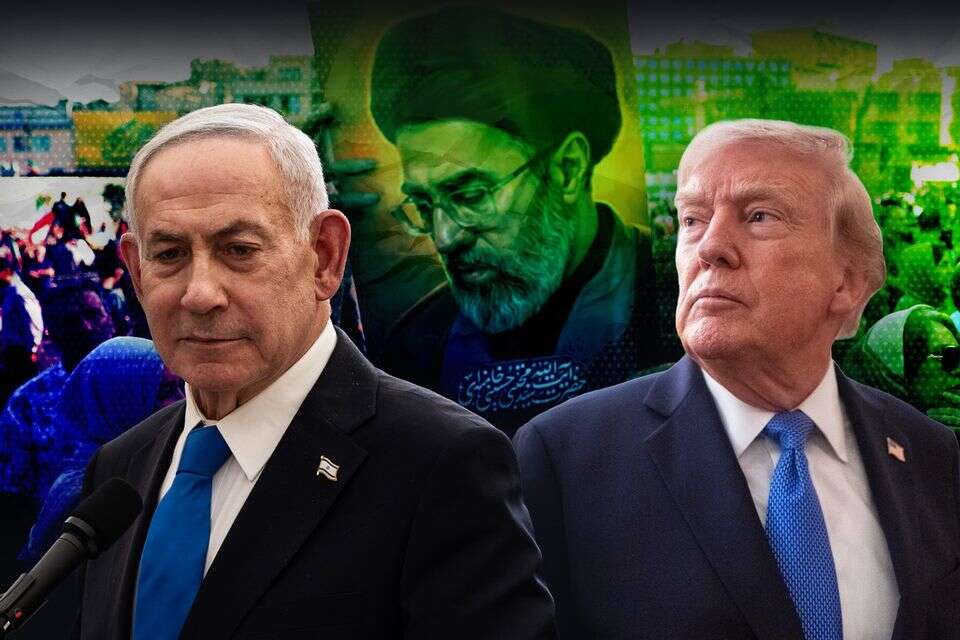
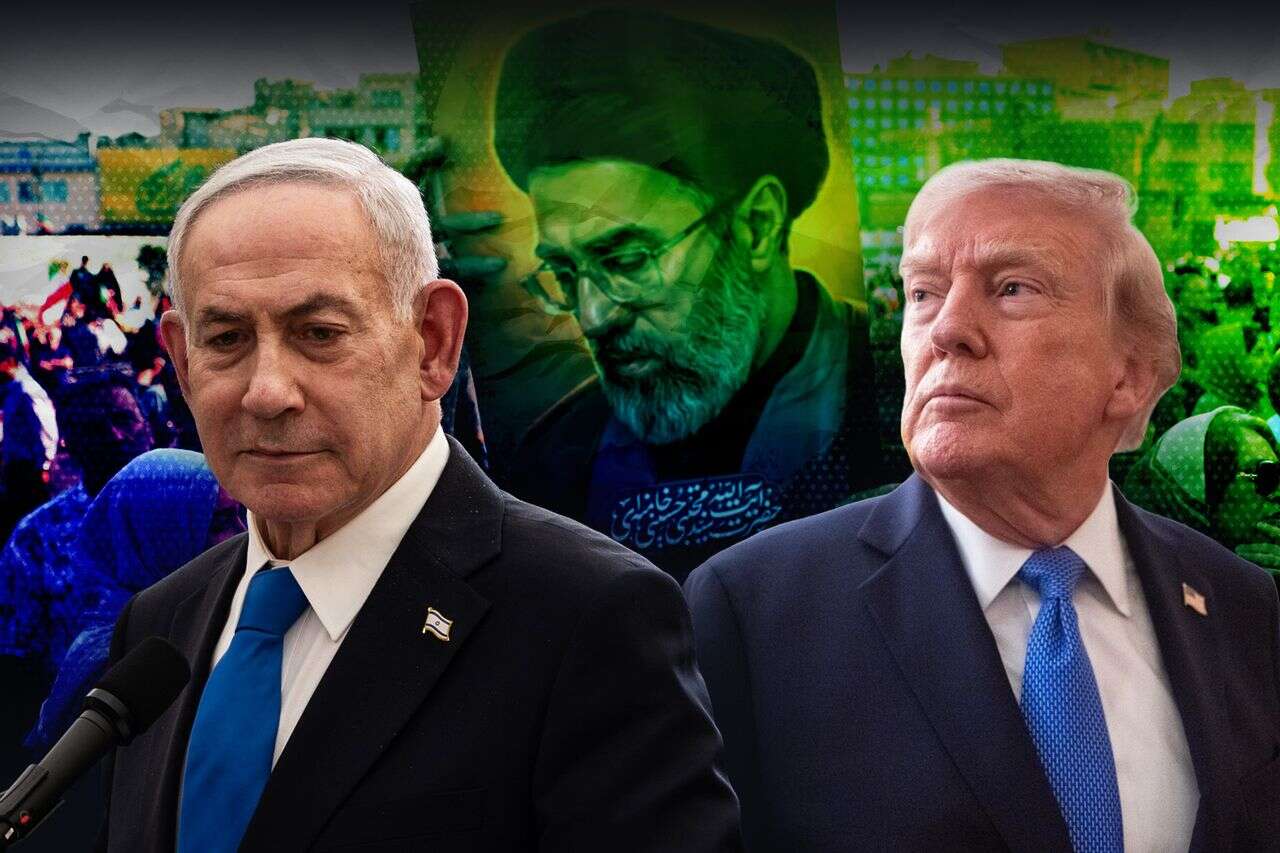
Israel’s perception of Washington is shaped by a different fear: not that America is too deeply involved, but that it may step back at a decisive moment. The strengthening of the Houthis near the Bab el-Mandeb Strait, uncertainty surrounding Iran and American caution ahead of the November midterm elections have created a sense of unreliability in Israel, even amid formally close relations with the White House. In a column for Israel Hayom, military commentator Yoav Limor describes Trump’s current policy as a troubling retreat from the role of global policeman. In his assessment, Washington is effectively leaving its allies alone to deal with the consequences of the Houthis’ growing strength and Iran’s influence. (israelhayom.co.il)
For Israelis, what is most sensitive is not the fact that the United States is unwilling to open a new front, but the practical effect of that reluctance. If Saudi Arabia, under pressure from Iran and the Houthis, begins seeking closer ties with Turkey, Qatar or even Tehran, that would mean a weakening of the regional architecture on which Jerusalem had been counting. Limor also emphasizes another, almost paradoxical dependency: Israel would like to act against a possible revival of Iran’s nuclear program, but is unlikely to do so without clear American consent. (israelhayom.co.il) In other words, American disengagement does not automatically make Israel freer—it makes it more anxious and more dependent on an unpredictable political signal from Washington.
Russia’s interpretation of the U.S.-Iranian escalation, by contrast, focuses on its manageability and electoral function. In a Vedomosti analysis, Americanist Pavel Koshkin describes what is happening as a “controlled escalation”: both sides are demonstrating toughness but are not seeking a new, uncontrollable spiral of war. He links Trump’s rhetoric to the task of maintaining the image of a decisive leader ahead of the U.S. midterm elections. (vedomosti.ru) In this logic, Iran is not only a Middle Eastern crisis for Moscow, but also a tool that diverts American resources, attention and ammunition away from Ukraine.
This is where the Ukrainian, Israeli and Russian perspectives converge, despite their opposing interests. Ukraine fears that the United States will trade principle for a quick agreement; Israel fears that America will trade allied reliability for an unwillingness to take risks before the elections; Russia hopes that Trump’s pragmatism will allow the conflict to be shifted from the realm of pressure to the realm of bargaining. The most unexpected common feature of these reactions is that almost no one believes in American “omnipotence.” Kyiv doubts that Washington will ensure a just peace, Jerusalem doubts that it will ensure deterrence, and Moscow doubts that it can easily force Ukraine and Europe to accept the Russian formula. America remains the central power, but its partners and opponents are increasingly planning their actions not on the basis of its promises, but on the likelihood that it may change the terms of the deal.