In discussions in France, South Korea and Russia, the United States is now perceived not simply as a superpower responding to crises, but as a country whose foreign policy is increasingly subordinated to the domestic price of gasoline, upcoming elections and President Donald Trump’s ability to present yet another deal as a personal victory. Two stories have merged into one: the dangerous, unfinished war with Iran around the Strait of Hormuz and Washington’s sudden attempt to reach an agreement with Moscow on Russian diesel, while simultaneously demanding that Kyiv halt strikes on oil refineries. In all three countries, this causes particular concern, but the overall conclusion is similar: America remains an indispensable power, yet its promises are becoming increasingly transactional and therefore less predictable. (hani.co.kr)
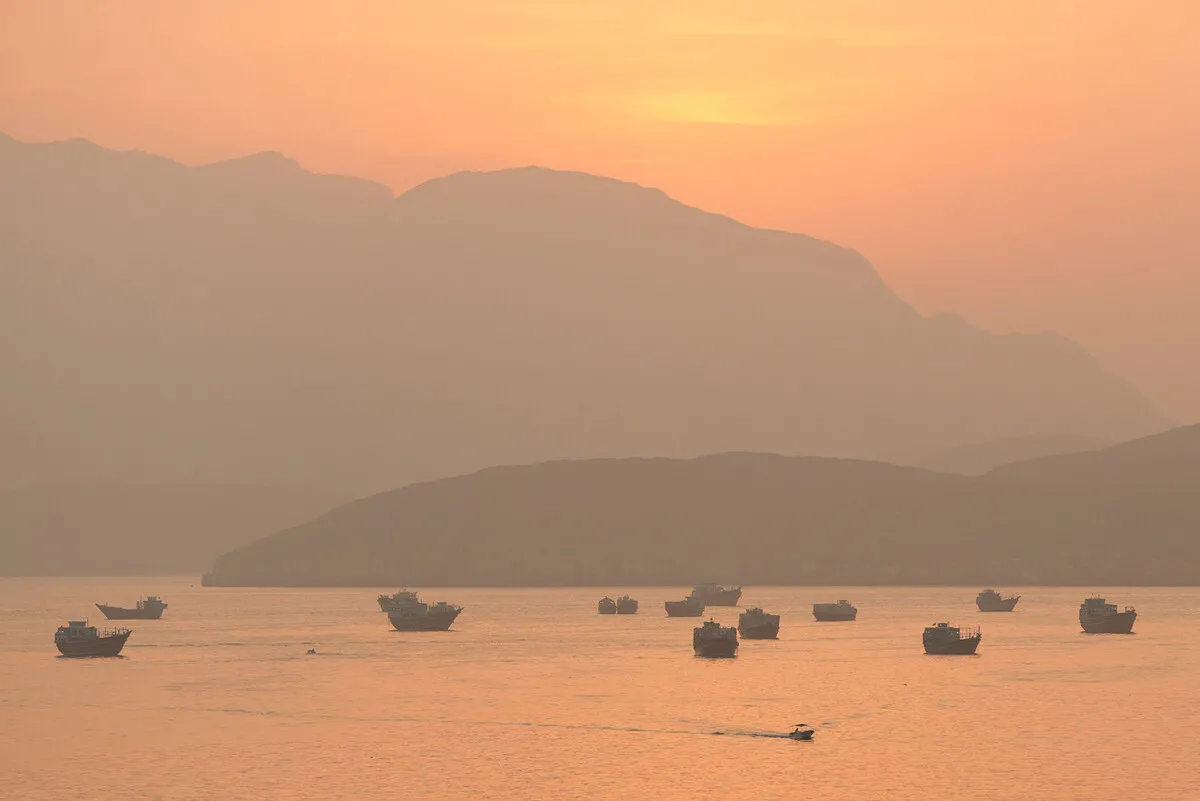
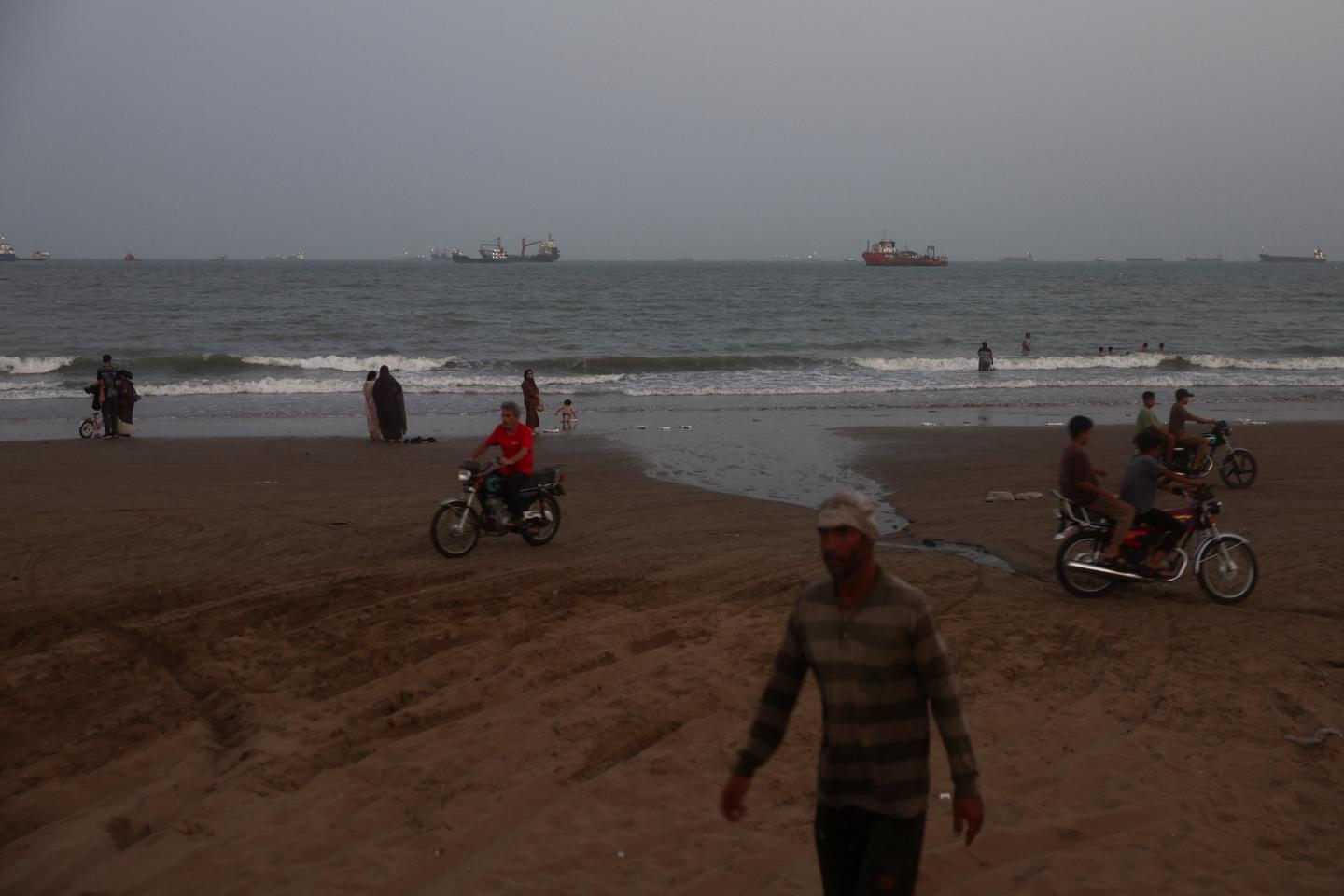
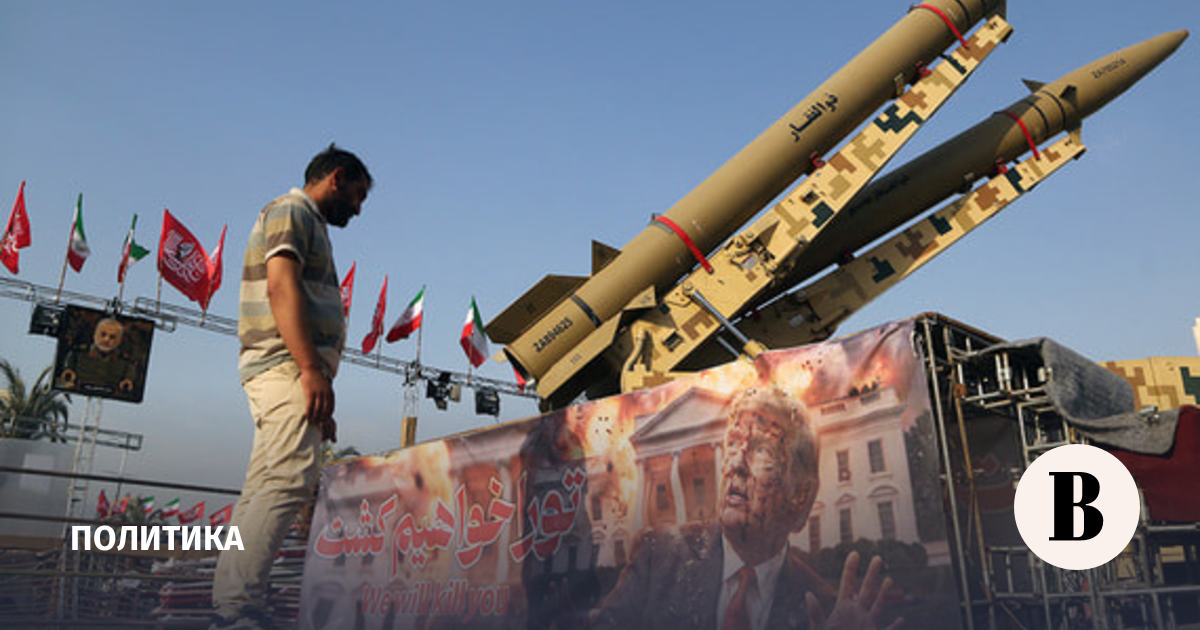
The most immediate issue is Hormuz. The French reaction is especially harsh in its assessment of the American strategy: Paris commentators see not a Washington victory over Iran, but the transformation of a vital sea lane into a permanently managed zone of risk. In Le Monde’s analysis, the conflict is described as the “new normal”: the United States and Iran alternate between negotiations and exchanges of fire, with shooting becoming not an alternative to diplomacy but its instrument. This is an important French perspective: the problem is not one failed operation, but the fact that the White House has effectively acknowledged the possibility of bargaining with a state over access to an international strait while simultaneously trying to coerce that state by force. (lemonde.fr)
French criticism is also based on economic logic. In an editorial in Le Monde and in subsequent articles, the war is viewed as a strategic mistake, since its most obvious result may be nothing more than the partial restoration of passage through Hormuz—the very passage that was open before hostilities began. The Paris press emphasizes the contradiction: Washington’s declared “defense of freedom of navigation” has itself helped create a system of dual blockade, in which both the United States and Iran selectively determine who can sail and how safely. (lemonde.fr)
In Seoul, the same war is seen less as a dispute over international law and far more as a direct threat to South Korea’s economy and freedom of maneuver. On October 14, Hankyoreh linked the increase in attacks on vessels in Hormuz to Iran’s attempt to drive up oil prices ahead of the U.S. midterm elections, and Trump’s decision not to intensify the bombing before the vote to his domestic political calculations. For Korean readers, geography is not the only issue: the country depends on energy imports and exports industrial goods, so instability in the strait immediately becomes a threat to production costs, inflation and the trade balance. (hani.co.kr)
But the Korean debate goes further still: it asks how much an ally is entitled to demand from Seoul in exchange for its protection. JoongAng Ilbo compares possible South Korean participation in a mission around Hormuz with the dispatch of troops to Iraq in 2003. The analogy reflects a dual concern: participation may be necessary to preserve the alliance with the United States and the security of maritime routes, but it could turn Korea into a party to America’s war with Iran. Particularly notable is that the discussion is not reduced to anti-Americanism: Seoul fears both refusal and consent. Refusal could damage relations with its main military ally; consent could create the risk of Iranian retaliation and divert resources from the North Korean threat. (joongang.co.kr)
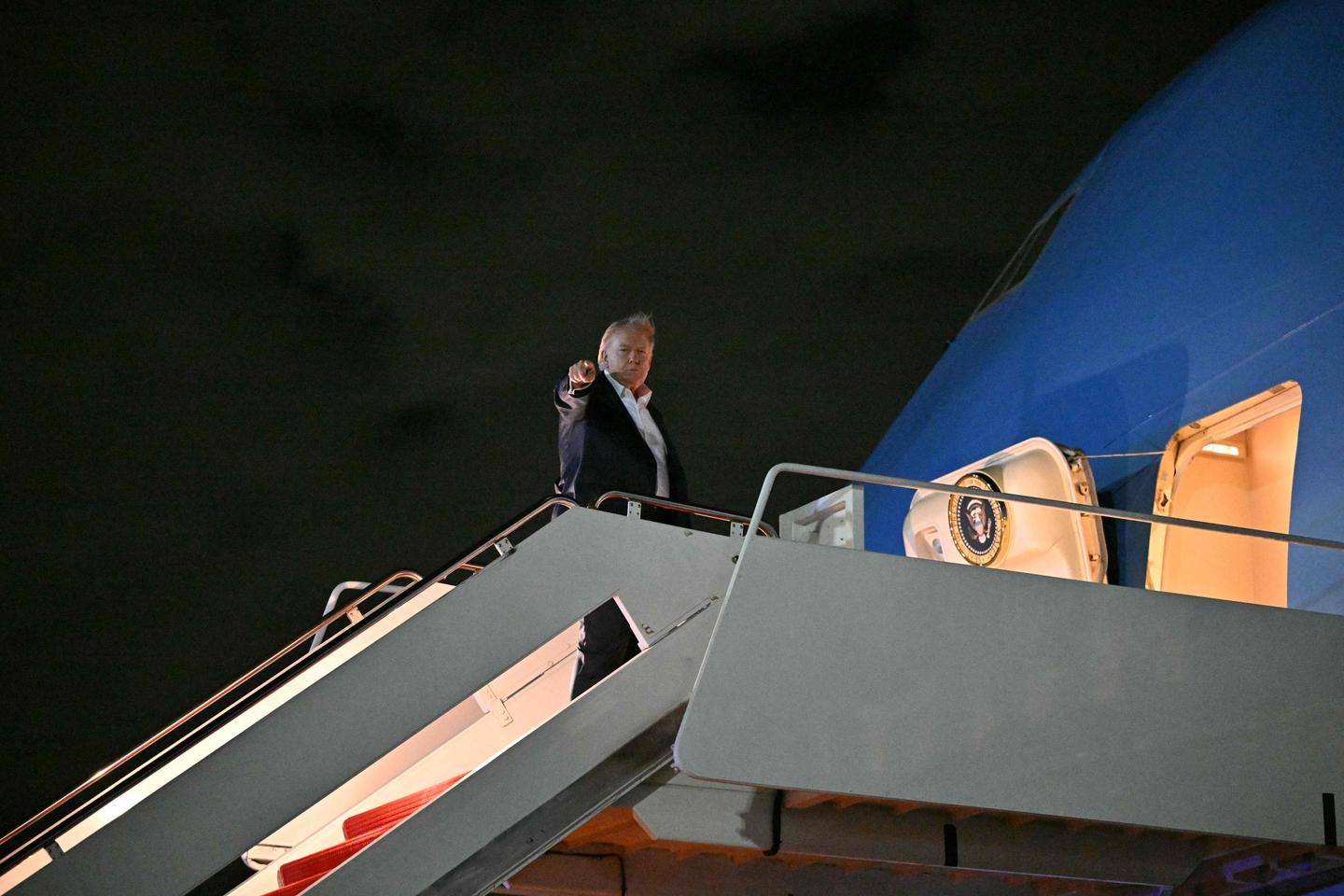
The Russian public view of Hormuz is different. Here, the American pause until the elections is seen above all as proof that Washington is constrained by its own costs. Russian outlets report Trump’s statement that, until the November 3 congressional elections, the United States will not attack Iran while the blockade remains in place and oil shipments continue through the strait. In this interpretation, American power has not disappeared, but its use depends on fuel prices, approval ratings and the electoral calendar. Vedomosti paints a less triumphant picture: exchanges of threats and incidents in Hormuz show that the United States and Iran are unable to agree on de-escalation at sea. (profile.ru)
It is fuel that connects the Iranian crisis with the war in Ukraine. French outrage was provoked by the agreement reached by Trump and Vladimir Putin on supplies of Russian diesel to the American and global markets. In an article in Le Monde, this logic is stated with particular clarity: the White House placed the interests of American truckers and farmers above those of Ukraine. For France, this is not merely a moral objection. It signals that the sanctions regime, which Europe regarded as a means of deterring Russia, may be weakened by the United States in exchange for short-term stabilization of fuel prices. (lemonde.fr)
Paris was particularly pained by the fact that Trump’s announced “energy truce” between Moscow and Kyiv had not been confirmed in advance by either side. Kyiv called it a surprise, while Moscow immediately gave no clear consent. French President Emmanuel Macron supported the idea of a genuine mutual halt to attacks on energy infrastructure, but at the same time pointed out that Russia continues to strike Ukrainian infrastructure. The French position, reflected in a Le Monde article, comes down to an important distinction: a moratorium on strikes may be useful, but it must not become a smokescreen for a deal that eases pressure on the Kremlin while simultaneously limiting Ukraine’s defensive capabilities. (lemonde.fr)
Russian media, by contrast, emphasize the pragmatic side of the American initiative: Trump is trying simultaneously to cool the fuel market, halt Ukrainian attacks on Russian oil refineries and achieve a diplomatic breakthrough before the elections. RBC gives a detailed account of the American formula: supplies of Russian diesel should help lower global prices, while the energy pause should protect Russia’s refining sector. Yet even within this framework, skepticism about the agreement’s durability is evident: neither Moscow nor Kyiv has formally confirmed it, while Trump himself declared that it had already taken effect. (rbc.ru)
This reveals perhaps the most unexpected common theme in the French, Korean and Russian debates. All three countries see U.S. foreign policy becoming a policy of managing energy prices. In France, this is interpreted as a dangerous substitution of short-term expediency for strategy: allied commitments to Ukraine may be adjusted for the sake of cheap diesel. In South Korea, it means that the alliance with Washington may bring new demands—from investment in American projects to contributions to Middle Eastern security—precisely when the U.S. administration is trying to hold down domestic prices. In Russia, by contrast, this policy is seen as an opportunity: sanctions and military pressure may become bargaining chips if Moscow can offer a resource needed by the American market. (yna.co.kr)
For Europe, this leads to an old but now more concrete conclusion: dependence on the United States is no longer only a question of NATO, but also of intelligence, energy and technological autonomy. French strategist François Heisbourg, quoted by the English-language version of Le Monde, calls for European satellite programs to be accelerated so that Ukraine can become less dependent on American intelligence. South Korea’s conclusion is more modest but no less telling: the alliance must be preserved while vulnerability to decisions made in Washington without regard for their consequences in Asia is reduced. Russia’s conclusion is opposite in values but similar in diagnosis: American guarantees and American prohibitions are no longer perceived as immutable rules. They are increasingly regarded as proposals in negotiations—with a price, an expiration date and the possibility of revision after the elections. (lemonde.fr)