The final days of September 2026 showed that the United States had once again become the main subject of foreign-policy discussions in Kyiv, Riyadh and Ankara at the same time—but by no means as an unconditional guarantor of order. In local Ukrainian, Saudi and Turkish debates, Donald Trump’s America appears to be a power that retains enormous military and economic strength but applies it situationally: threatening Iran and immediately talking about a deal; promising to support its allies while urging them to assume a larger share of the costs and risks; conducting peace talks on Ukraine without yet turning them into a mechanism for exerting real pressure on Moscow.
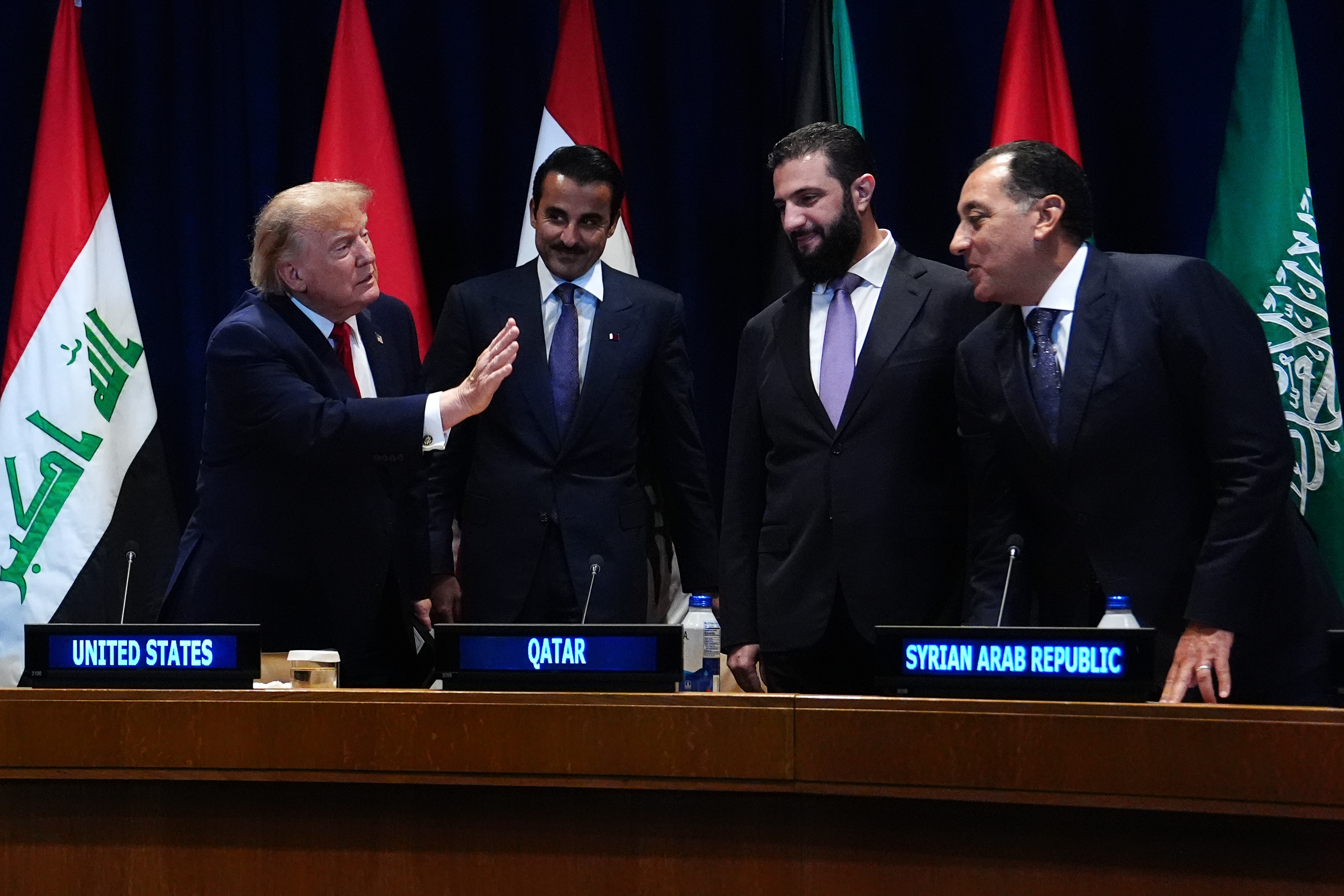
The main common theme is the search for an acceptable way out of the war between the United States, Israel and Iran. At a September 22 meeting in New York, Trump brought together the leaders of the Gulf states, Turkey and several Arab countries, saying that US-Iranian contacts were “gaining momentum.” But for regional capitals, the White House’s rhetoric matters less than tangible issues: the security of oil infrastructure, shipping through the Strait of Hormuz and Bab el-Mandeb, and the risk of strikes on their territory. Saudi Arab News writes about this directly: for the Gulf states, the priorities are ending the conflict, restoring energy security and protecting sea routes. Saudi commentator Abdulrahman al-Qahtani formulated the local “red line” especially clearly: no country can be allowed to hold Hormuz and Bab el-Mandeb “hostage.” (arabnews.com)
This substantially changes the meaning of the Saudi-American partnership. Riyadh does not view American pressure on Iran as an end in itself or a demonstration of strength: the desired outcome is not another strike, but an agreement that would deprive Tehran of the ability to threaten trade and energy exports. This is why the Saudi press shows an ambivalent attitude toward Trump. On the one hand, the newspaper Okaz reports in detail on his optimism after three hours of contacts between American representatives and Iranian intermediaries: according to the US president, the conversation was “very good and very productive.” On the other hand, the sequence of events itself—when Washington was still talking about new strikes in early September but was already promoting negotiations by September 23—only underscores, for Saudi Arabia, the unpredictability of the American course. (okaz.com.sa)
Turkey’s reaction to the same developments is noticeably less defensive and more geopolitical. In Ankara, American policy is interpreted not only through the lens of Iran but also as an attempt to shift responsibility for managing the regional order onto local powers. In an analysis by the Anadolu Agency, lecturer Yusuf Bahadır Keskin notes that Saudi Arabia, the UAE and Qatar sought to persuade Trump to postpone new strikes not because they sympathize with Iran, but because they themselves would pay for an escalation—with attacks on bases, ports and oil facilities, as well as rising transport and insurance costs. In this interpretation, the United States is not so much leaving the region as offering its allies a reality in which American power is available but will not necessarily be used first or in full. (aa.com.tr)
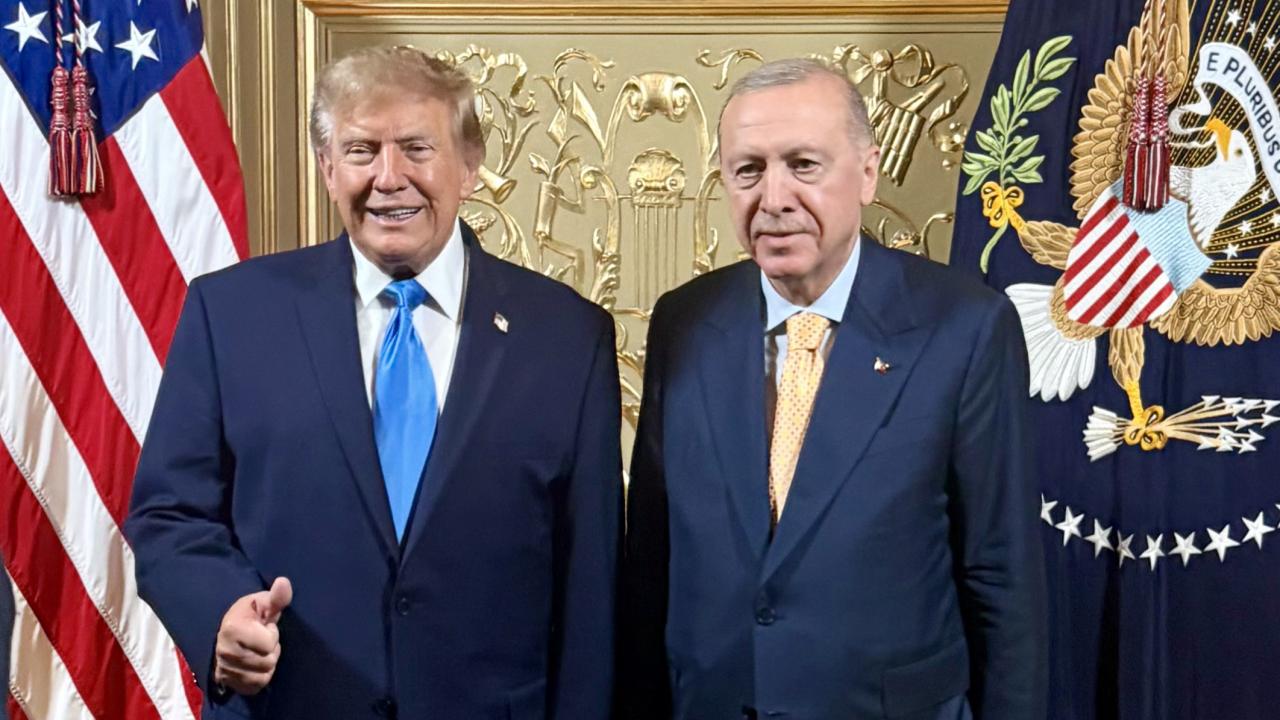
For Turkey, this creates room for ambition. The presence of Recep Tayyip Erdoğan at the New York meeting with Trump and the Gulf states is presented in Turkey’s official media sphere as recognition that Ankara is an essential participant in a Middle Eastern settlement. TRT Haber placed at the center of its coverage US Ambassador Thomas Barrack’s statement that there was “harmony” between Erdoğan and Trump and that relations between the two countries had “never been this good.” This is more than a compliment: in the Turkish reading, the personal channel between the two presidents is an asset that can be converted into influence over the Syrian front, the Iranian crisis and the expansion of trade with the United States. (trthaber.com)
But the Turkish debate is not limited to celebrating closer ties. It also contains a cautious understanding that American praise is simultaneously an invitation to take on greater responsibility. In an Anadolu article, analyst Orhan Karaoğlu offers a broader framework: Washington’s campaign against Iran is not an isolated Middle Eastern crisis but part of a cautious rivalry between the United States and China. For Ankara, this means its role will grow, but also that regional instability may result from a global game whose objectives are determined far from Turkey. (aa.com.tr)
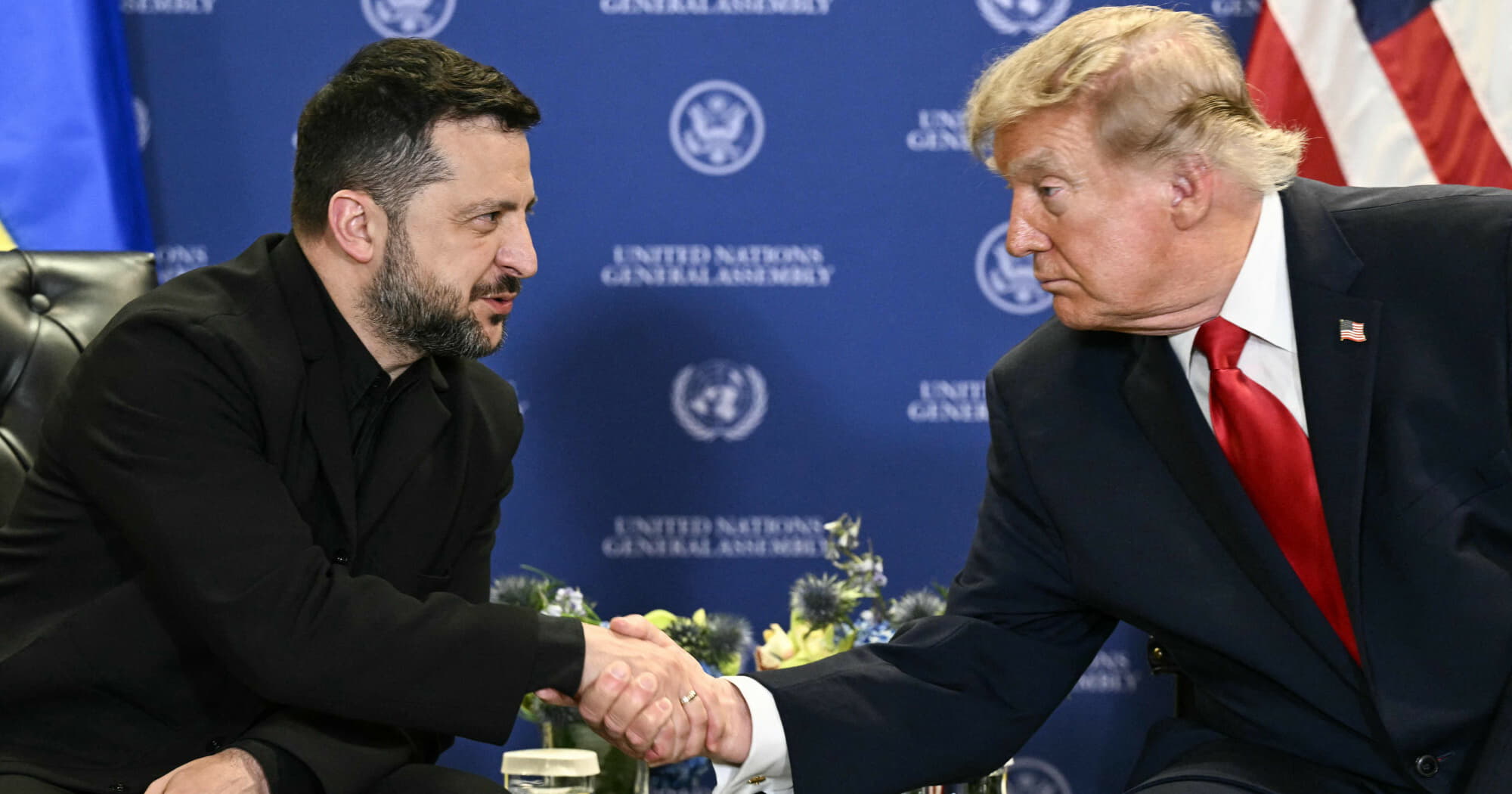
Ukraine’s response to America during these days revolves around a different form of the same problem—the gap between diplomatic access to Trump and practical results. After Volodymyr Zelensky’s meeting with the US president on September 22, the Ukrainian publication European Pravda saw the key positive not in signed agreements, of which there were none, but in a change of atmosphere: Washington did not demand unilateral concessions from Kyiv to Russia and did not object to Ukrainian strikes on Russian territory. For a country that until recently feared renewed American pressure, this is already considered a diplomatic achievement. (eurointegration.com.ua)
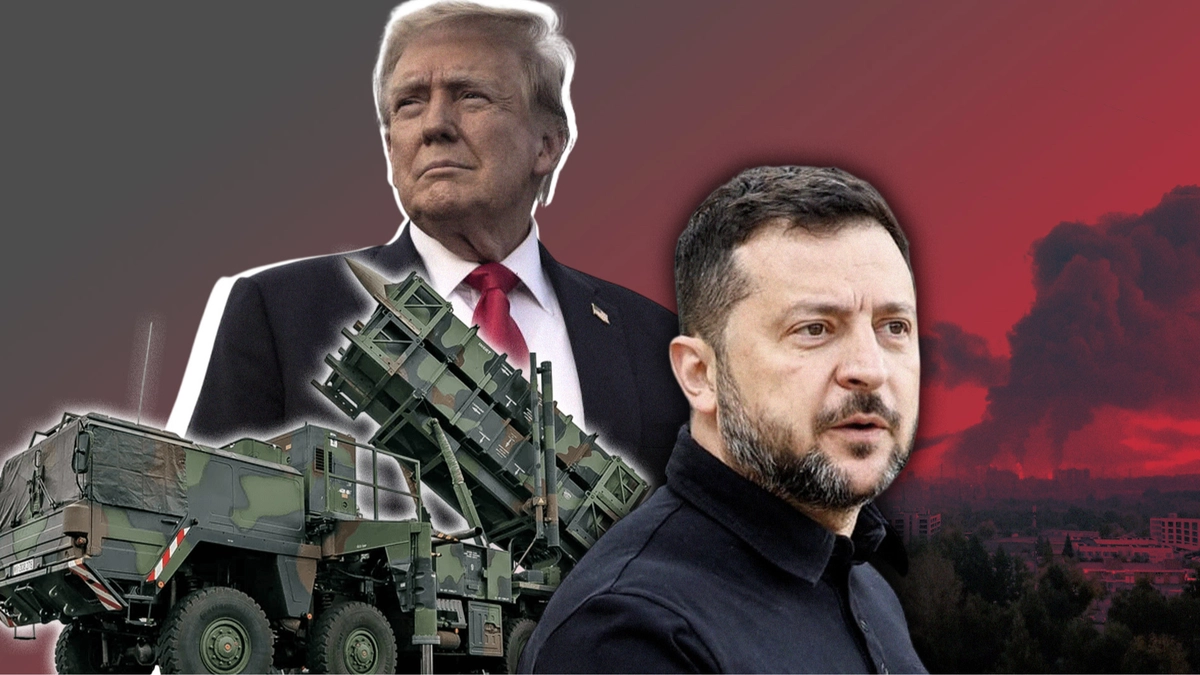
However, a much sharper tone can be heard in an analysis by Ukrainska Pravda. The authors call the meeting essentially fruitless: it produced neither a strong sanctions lever against the Kremlin, nor clear defense decisions, nor a workable format for the peace process. Ukraine’s wariness toward the idea of an “energy truce” is especially telling. Kyiv is prepared to discuss halting attacks on energy infrastructure only on the condition that the truce is complete and unconditional—in other words, Russia must not be able to continue attacking Ukraine’s power system while declaring it connected to defense. (pravda.com.ua)
This leads to a conclusion shared by all three countries—one rarely expressed so directly in American political discourse. Ukraine, Saudi Arabia and Turkey are not expecting the United States to make a simple choice between intervention and withdrawal. They are trying to adapt to an America that simultaneously pressures, bargains, mediates and demands greater self-reliance from its partners. Kyiv wants to ensure that the American negotiating process does not become synonymous with concessions to Moscow; Riyadh wants Washington’s struggle with Tehran not to turn the Gulf into a theater of retaliatory strikes; and Ankara wants America’s new need for regional mediators to establish Turkey as a co-author, rather than an object, of the Middle Eastern order.
This is the most important shift in local perceptions of the United States: none of these players is abandoning its ties with Washington. But all three are increasingly unwilling to build their security on the assumption that American will is constant and American promises are automatically equivalent to American action.