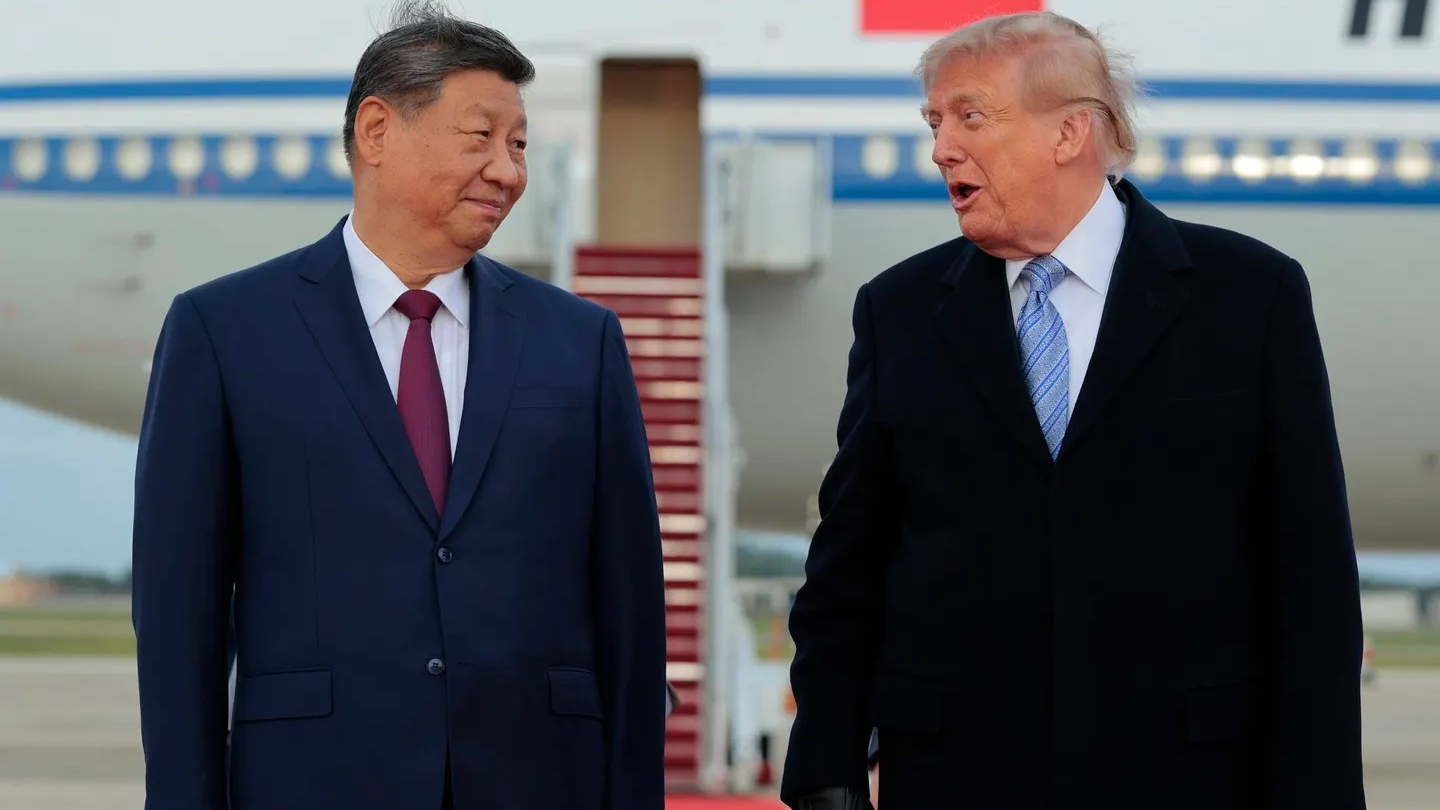
By September 26, the main topic of conversations about the United States in Ukraine, India and Russia was not any single initiative by Donald Trump, but a new style of American policy: Washington is simultaneously offering itself as a mediator in the war, using tariffs to pressure partners and emphasizing its right to act by its own rules. In Kyiv, this is viewed primarily through the question of surviving the winter and securing air-defense supplies; in New Delhi, through the threat of punishment for buying Russian oil; and in Moscow, through the possibility of resuming dialogue with the White House without compromising its own terms for a settlement.
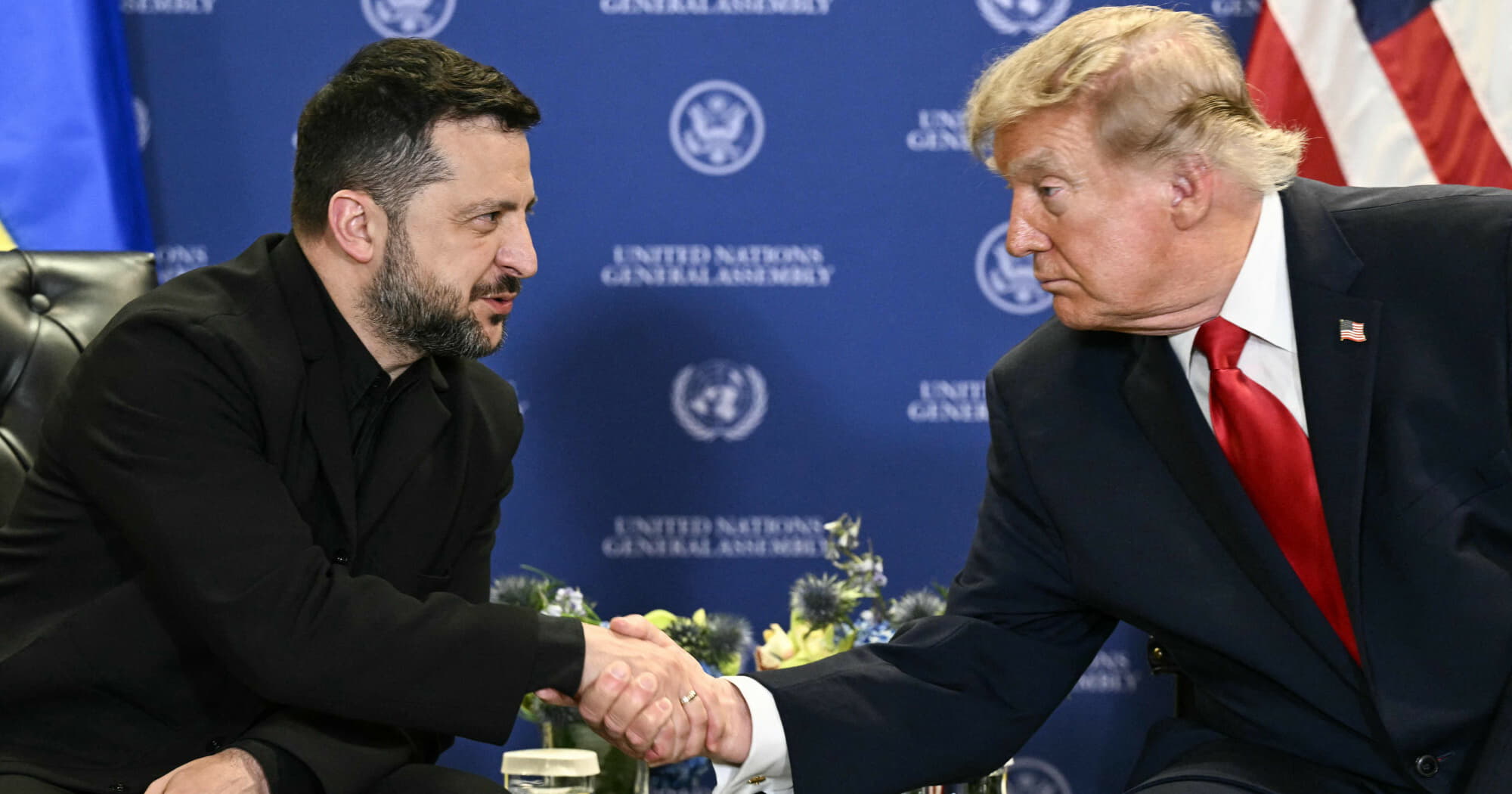
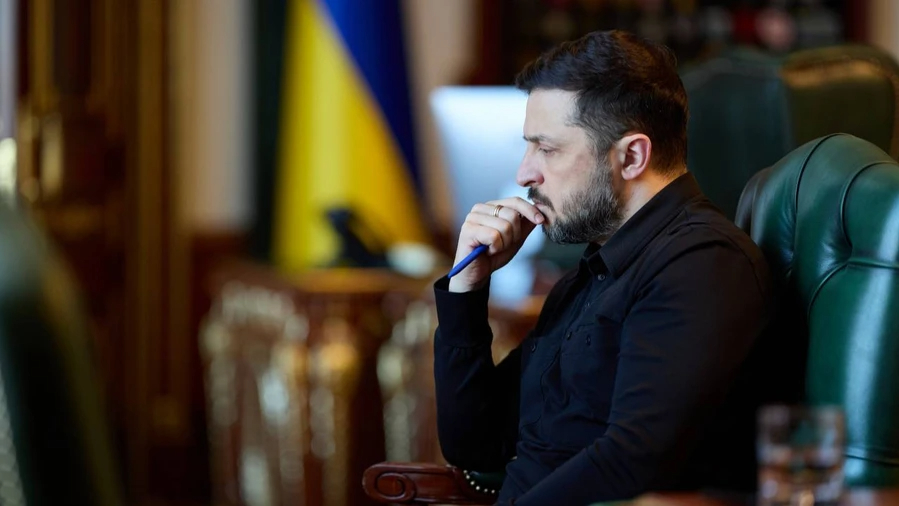
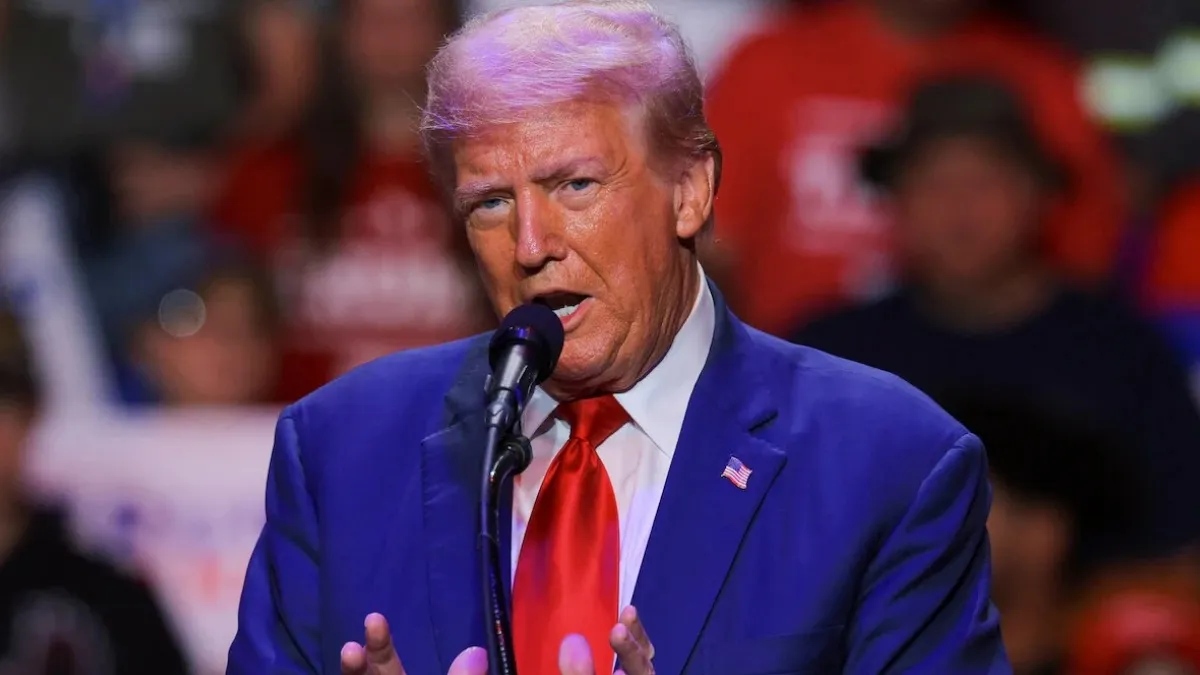
The Ukrainian reaction to the September 22 meeting between Zelenskyy and Trump in New York was noticeably more cautious than the usual diplomatic optimism. Serhiy Sydorenko, editor of European Pravda, saw it not as a breakthrough but as a return of relations with the United States to a “more or less stable positive track”: for Kyiv, the mere absence of public pressure and demands for an immediate halt to strikes on Russian oil-refining facilities was already important. (eurointegration.com.ua) This is telling: the American tone has become a political resource in its own right, since Trump had previously linked Ukrainian strikes on Russia’s energy sector to rising fuel prices in the United States.
However, the Ukrainian press does not regard the change in tone as a guarantee of a strategic shift. In an analysis by Ukrainska Pravda, the current American policy is described as an attempt to secure an energy truce—a mutual halt to strikes on energy infrastructure—but without a clear answer to the key question for Ukraine: what, specifically, will force Russia to comply with the agreement? The authors stress that Washington has stopped responding with an unequivocal “no” to requests to sell Patriot missiles and license their production, but just as unequivocal a “yes” has not been heard either. (pravda.com.ua)
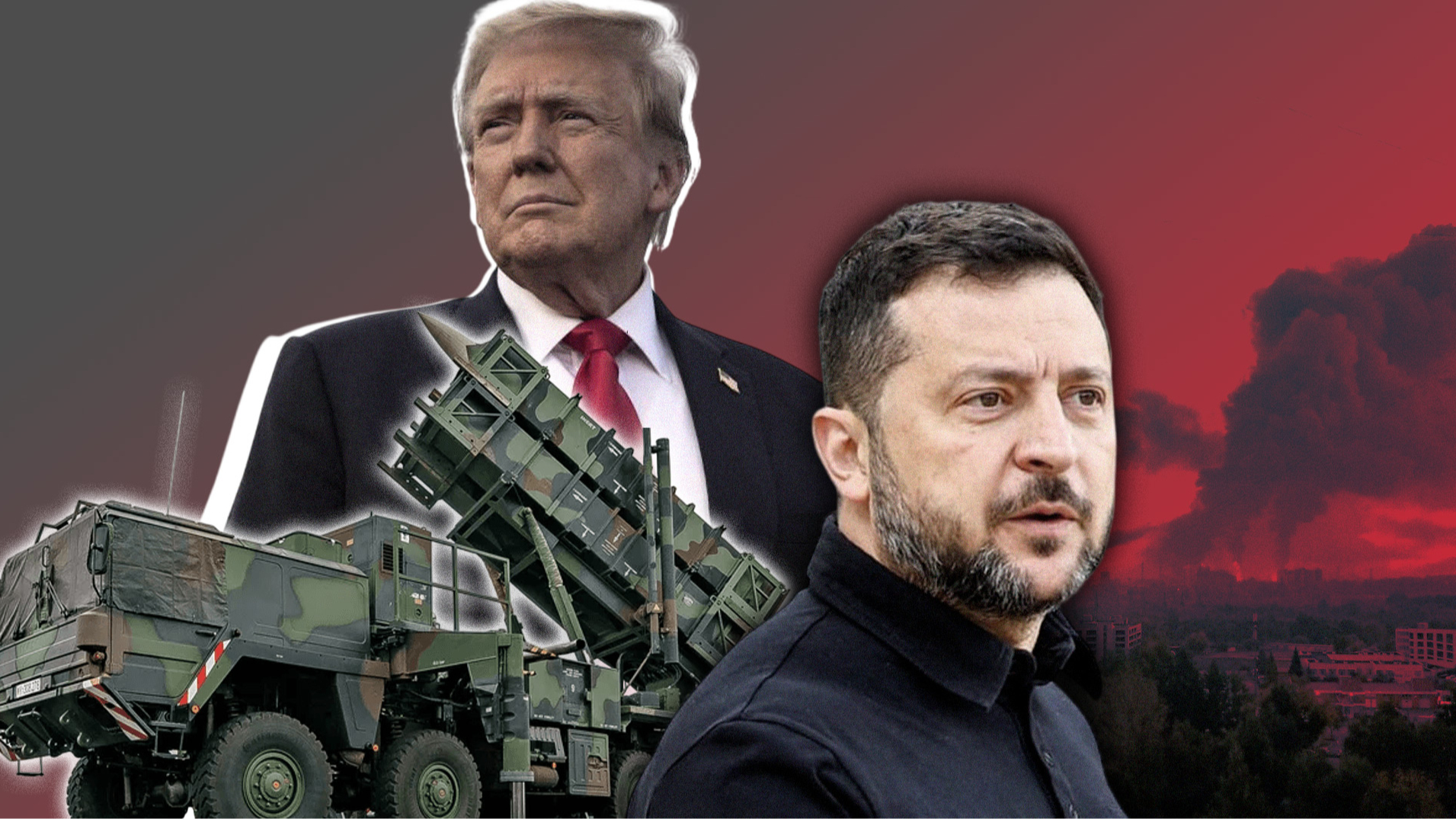
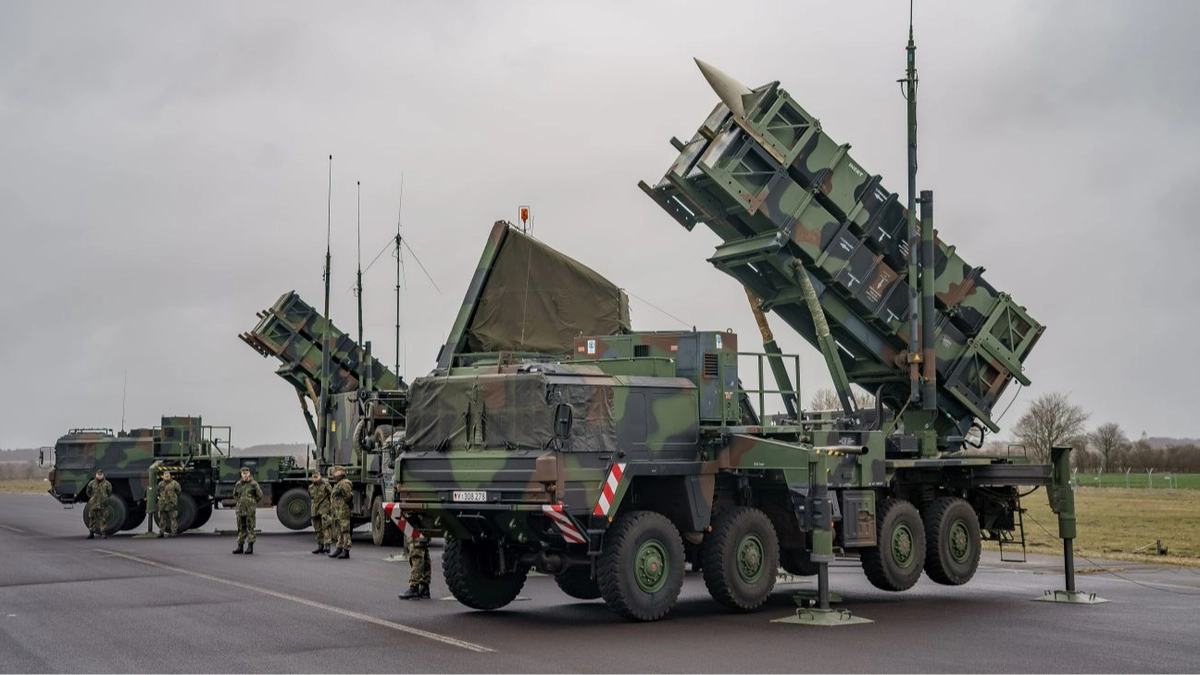
Patriot has become a symbol of how Ukrainians now view the United States: not only as a weapons supplier, but also as a potential partner in building the country’s own defense industry. Trump publicly confirmed that licensing the production of interceptor missiles in Ukraine was being discussed with Zelenskyy. Ukrainska Pravda notes that the White House had previously cited U.S. needs and urged caution over transferring the technology. (pravda.com.ua) Thus, hope in Kyiv is tempered by an understanding of technological realities: as Valeriy Zarubin, head of BlueBird Tec, explains in his column, years of work, complex supply chains and access to critical electronics lie between receiving a license and producing the first missile in series. (pravda.com.ua) For Ukraine, American support is becoming less valuable as one-off assistance and increasingly valuable as access to the ability to produce weapons independently.
The Russian view of American mediation is different. Moscow welcomes the very fact that contacts with the Trump administration have intensified, but it does not see Washington as an arbitrator capable of imposing a compromise. Rather, it sees it as a channel through which Kyiv and Europe should accept Russia’s interpretation of a political settlement. In Sergey Strokan’s analysis for Kommersant, the disagreement is formulated in particularly stark terms: “Kyiv expects a truce from the talks, not peace.” In Russian public debate, “peace” implies not merely a pause in hostilities but a resolution of questions concerning territory, Ukraine’s status and sanctions; from this perspective, an energy truce may be useful, but remains a secondary episode. (kommersant.ru)
In this sense, Russia’s reaction to Trump combines hope with distrust. After the telephone conversation between Putin and Trump, Kommersant FM political commentator Dmitry Drize wrote that the chances for negotiations remained, but urged against rushing to conclusions: a strong view in Russia’s public discourse holds that a substantive conversation will be possible only after another winter campaign and a change in the military situation. (kommersant.ru) Following Trump’s speech at the United Nations, Drize separately noted that Ukraine had been “relegated to the background” for the American president compared with Iran and other crises. (kommersant.ru) For Moscow, this is an important signal: the United States may retain a negotiating role, but its attention is limited, meaning that American pressure will not necessarily be constant or consistent.
India views the same American policy primarily through the lens of economic security and sovereignty. The U.S. decision to give the president the authority to impose tariffs of up to 100% on major buyers of Russian oil and gas became in New Delhi an almost textbook example of how the war in Ukraine is spilling over into third countries’ relations with America. In an editorial in The Indian Express, this approach is called a “reckless and blunt instrument”: the newspaper argues that India created neither the war in Ukraine nor the crisis in the Middle East, but risks paying for them through increased external pressure. (indianexpress.com)
Sanjaya Baru, a former adviser to Prime Minister Manmohan Singh, formulates India’s response particularly clearly in a column for The Indian Express: New Delhi will not “sever ties,” but will reduce its dependence-related risks with respect to America, China and Russia simultaneously. (indianexpress.com) This is not an anti-American position. India remains interested in trade, technology, investment and defense cooperation with the United States. But the threat of secondary tariffs turns Washington from a desirable strategic partner into an unpredictable source of geoeconomic risk. In New Delhi, the American demand to abandon Russian oil is perceived not as a request from an ally, but as an attempt to restrict India’s right to choose the most advantageous energy-supply terms.
This concern extends beyond the oil issue. Indian expert Harsh V. Pant, in an editorial for Dainik Jagran, saw Trump’s September 22 address to the UN General Assembly as an effort to reassert American dominance: the “America First” slogan is combined with a willingness to pressure both rivals and friends. (org432akamprepod.jagran.com) For Ukrainians, this means that security depends on the White House’s current calculations; for Russians, that negotiations with the United States may be accompanied by the threat of new sanctions; and for Indians, that even a partnership with Washington does not protect them from punishment for pursuing an independent foreign policy.
The most unexpected common conclusion from the Ukrainian, Russian and Indian reactions is that none of them sees the United States as a neutral guarantor of order. Kyiv relies on American power but fears American impulsiveness. Moscow values direct contact with Trump but is convinced that his mediation will depend on U.S. domestic priorities. New Delhi wants to maintain its strategic rapprochement with America but is responding to tariff pressure with the principle of “strategic autonomy.” America remains the central power for all three countries—but that is precisely why its policy is increasingly perceived not as a source of stability, but as a variable to which they must urgently adapt.