In recent days, the main American story for Ukraine, Russia and India has not been a single White House initiative, but a new logic in its foreign policy: the United States is increasingly turning security, sanctions, energy markets, trade and migration into tools for immediate bargaining. Events from October 16–19 brought this trend into particularly sharp focus. Kyiv is debating whether Washington is using critical military services to force Ukraine into concessions; Moscow sees an opportunity to separate economic rapprochement with the United States from the war; and New Delhi is asking whether the era of “special relations,” in which strategic partnership shielded India from American pressure, has come to an end. (pravda.com.ua)
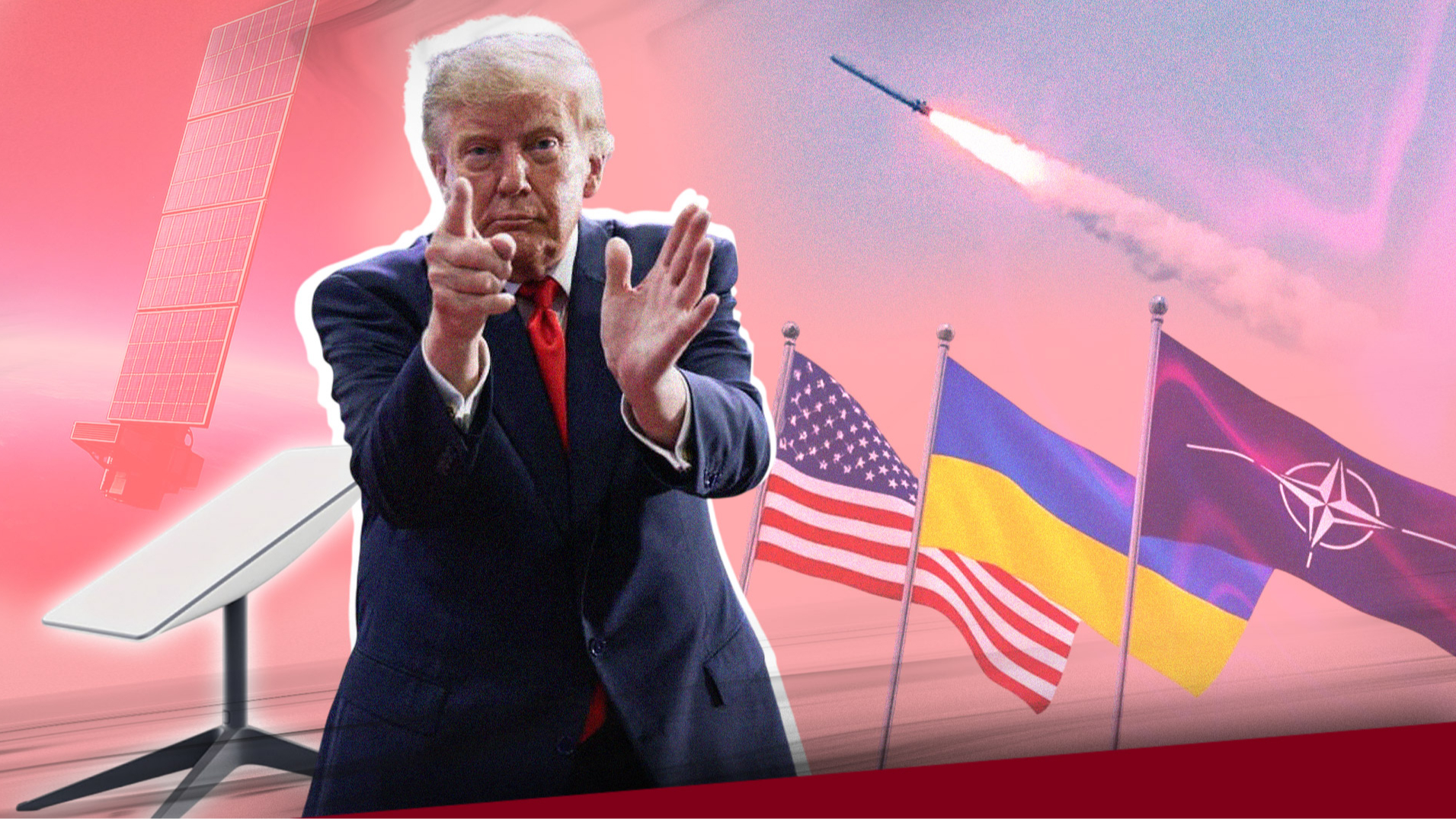
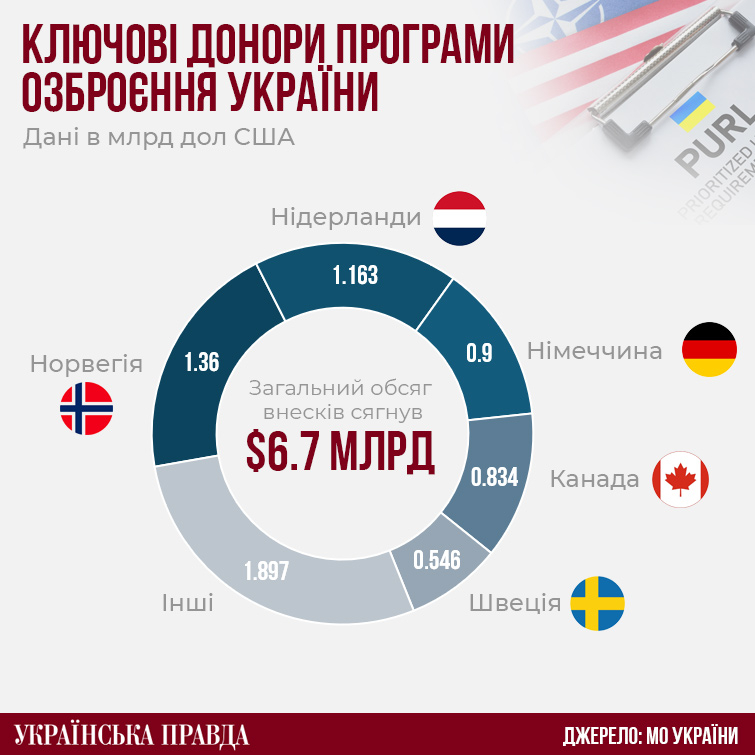
The most painful reaction, naturally, is coming from Ukraine. Ukrainian debate is focused on the connection between the American decision to suspend sanctions measures affecting Russian diesel supplies, demands that Ukraine stop striking Russian oil refineries, and disruptions to the Starshield military satellite communications system. In an analysis by Ukrainska Pravda, this connection is described as three instruments of pressure: intelligence, arms deliveries through the PURL mechanism, and satellite communications. For Ukrainian audiences, this is not a dispute over diplomatic style, but a question of whether an ally can change the terms of its support at a critical moment, relying on its domestic economic conditions—above all, fuel prices in the United States. (pravda.com.ua)
The dispute surrounding Starshield is particularly revealing. Ukrainian officials and military sources said that, beginning October 14, restrictions on connection speeds had hampered the use of interceptor drones and frontline logistics. Volodymyr Zelensky called the consequences “painful and unpleasant,” emphasizing that it had become more difficult to repel attacks by jet-powered Shaheds. The American administration denied involvement in the restrictions, while Kyiv publicly insisted that the signal had come from the U.S. government. In the Ukrainian view, the key issue is no longer merely who technically issued the order: the uncertainty itself looks like a strategic vulnerability, because vital infrastructure lies outside national control. (pravda.com.ua)
This gives rise to a less obvious but important Ukrainian conclusion: dependence on America is now seen not only as a source of strength, but also as a risk requiring European insurance. The authors of Ukrainian reports do not claim that European capabilities can quickly replace American satellites, intelligence or Patriot missiles; on the contrary, they emphasize how difficult such a replacement would be. But that is precisely why the discussion is increasingly shifting from “Will U.S. assistance continue?” to “Which critical functions should Ukraine and Europe take out of unilateral American control?” Former President Viktor Yushchenko expressed the emotional version of this reaction, calling Washington’s current course a “stab in the back” and urging the United States not to abandon its historic role as guarantor of European security. (pravda.com.ua)
In Russia, the same shift is viewed almost as a mirror image, though without the euphoria characteristic of official headlines. The suspension of sanctions and the admission of Russian diesel to the American market are presented as proof that economic pragmatism can break through the sanctions wall. Kirill Dmitriev, head of the Russian Direct Investment Fund, called Washington’s decision “an important and truly historic moment,” while Dmitry Peskov had earlier said that Moscow and Washington should already be developing mutually beneficial projects rather than waiting for a political settlement over Ukraine. This position reflects not merely a desire to sell more fuel: Moscow is trying to establish a principle under which economic ties with the United States become an independent track, rather than a reward for ending the war. (rbc.ru)
Russian analysts, however, also note the limits of this optimism. Fyodor Lukyanov, chairman of the Presidium of the Council on Foreign and Defense Policy, argues in a commentary for the Russian International Affairs Council that the entire situation should not be explained by Trump’s personal unpredictability. His logic is that the sharp reversals may reflect a fairly consistent goal: securing rapid, measurable gains—from lower fuel prices to a political deal—even if this destroys the previous architecture of pressure on Moscow. In the independent Russian-language expert community, the picture is described even more cautiously. Alexander Gabuev, director of the Carnegie Russia Eurasia Center in Berlin, calls what is happening a “kaleidoscope of statements” containing too little clarity about the actual status of relations between the United States, Russia and Ukraine. (russiancouncil.ru)
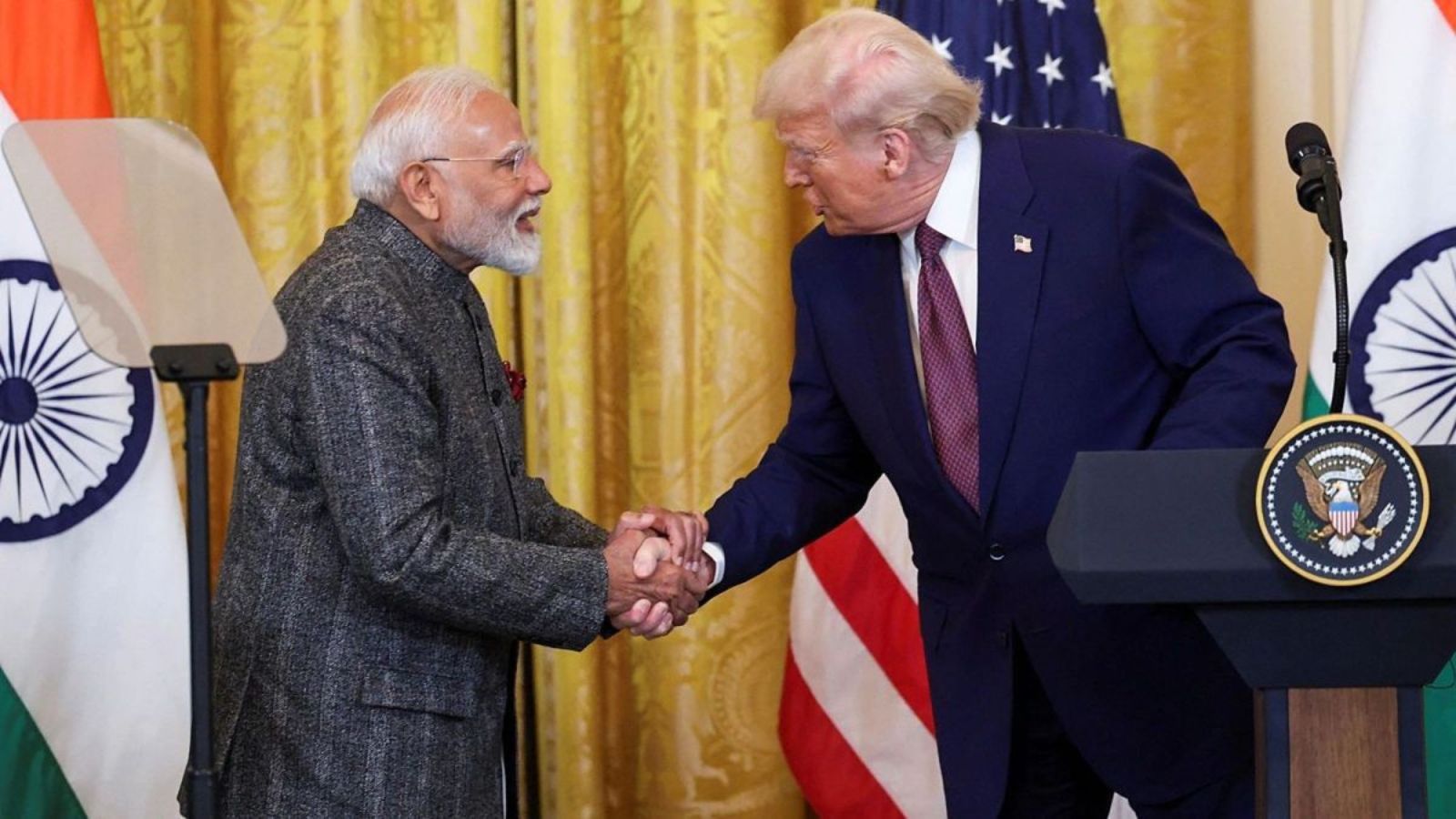
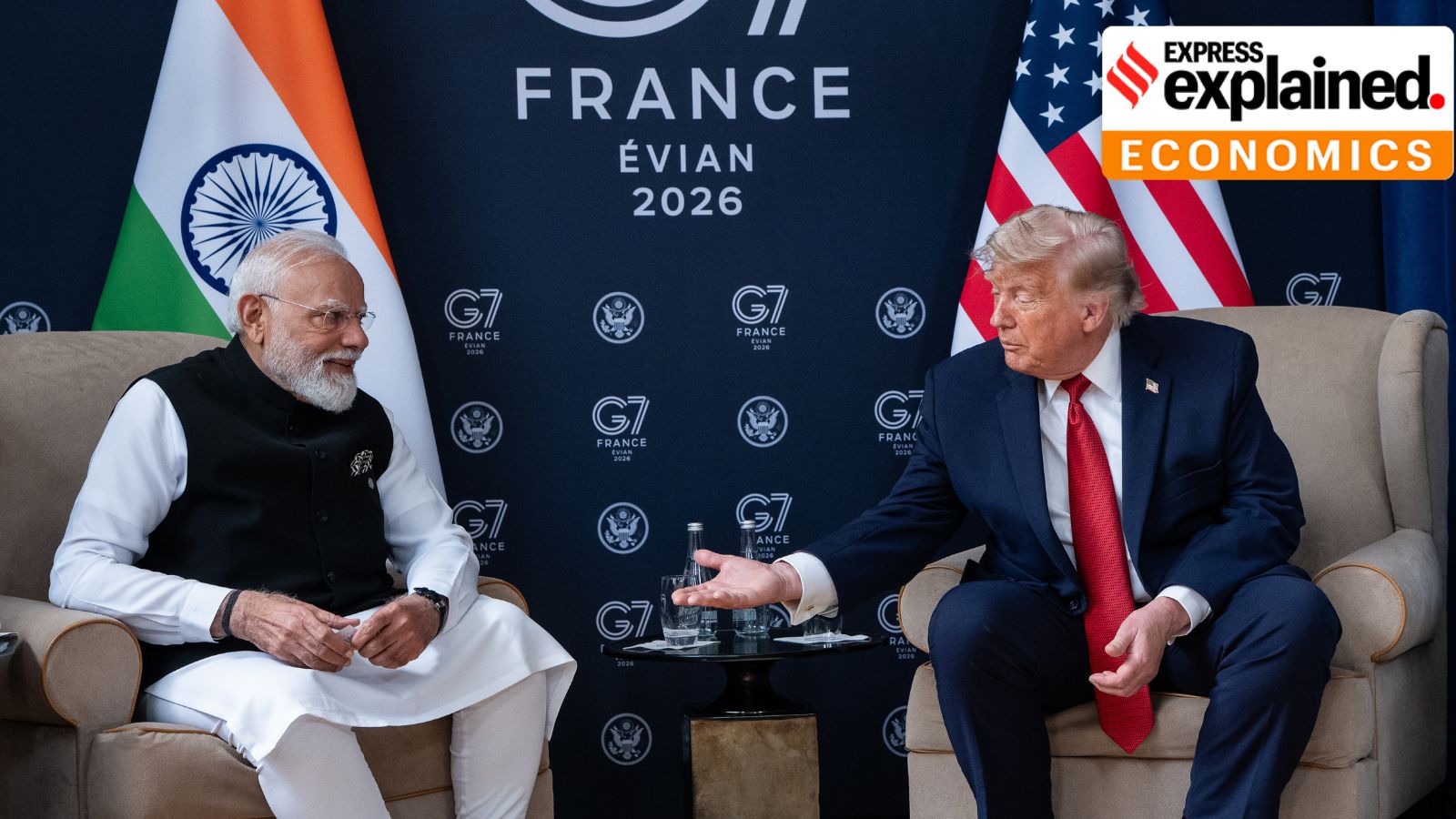
India’s reaction shifts the same dispute onto a different plane—trade, Russian oil and the fate of Indian professionals in America. In New Delhi, U.S. pressure is seen not as an isolated conflict over tariffs or visas, but as part of a broader reassessment of India’s value to Washington. In a column for The Indian Express, Ishan Bakshi links pressure over imports of Russian oil, sanctions legislation targeting buyers of Russian energy, and restrictions affecting Indian IT companies and the mobility of skilled workers. The author’s conclusion is blunt: the problem may outlast the current administration, because the United States is changing not only its tactics but also its assessment of India as a counterweight to China. (indianexpress.com)
This is where a theme shared by Moscow and New Delhi emerges: rejection of American selectivity in energy sanctions. Indian commentators ask why purchases of Russian energy have become grounds for pressure on India, while other major buyers manage to secure more lenient terms. In an explanation by The Indian Express, experts point out that the threat of tariffs of up to 100 percent on major buyers of Russian oil and gas makes a future trade deal with the United States less reliable: concessions by New Delhi may not provide predictability if Washington can change the rules at any moment. For Russia, this is an argument for dismantling the sanctions regime; for India, it is an argument for strategic autonomy—that is, refusing to depend on the political will of any single great power. (indianexpress.com)
The migration issue intensifies India’s sense of inequality. Following U.S. restrictions under the PERM program, which is connected to labor certification for obtaining green cards, India’s Foreign Ministry objected to rhetoric directed at foreign professionals. Ministry spokesman Randhir Jaiswal recalled that Indian professionals bring innovation, productivity and jobs to the American economy, and said wording evoking the painful colonial past was unacceptable. In India’s public sphere, this is not only a defense of the IT sector; it is a symbolic dispute over the dignity of a country that wants to be a technological partner of the United States, not a reservoir of cheap labor. (livemint.com)
At the same time, Indian elites are not calling for a complete break with America. Samir Lalwani of the Carnegie Endowment notes that public trust in the United States has deteriorated because of trade, sanctions, Russia and regional crises, but practical cooperation in defense manufacturing, space, artificial intelligence infrastructure and maritime security continues. This is an important qualification: unlike Ukraine, for which American support is directly tied to survival on the battlefield, India can still separate political irritation from technological cooperation. Its response to pressure is therefore likely to be not a rupture, but a colder bargain. (gateway.ceip.org)
The overall conclusion from the Ukrainian, Russian and Indian reactions is that American policy is increasingly perceived less as a set of lasting commitments and more as a system of levers that can be recalibrated for negotiations, prices, elections and the current balance of power. For Kyiv, this is an alarming story about the cost of dependence; for Moscow, an opportunity to turn partial economic détente into the norm; and for New Delhi, a warning that even a “strategic partnership” does not provide immunity from tariff, sanctions and migration pressure. The most unexpected point of convergence among the three perspectives is not sympathy for any one side in the war, but a growing conviction that, in relations with the current Washington, security, energy, technology and market access can no longer be considered separately.