By September 29, 2026, the main issue in American politics discussed in Israel, Ukraine and Saudi Arabia was no longer simply U.S. power, but the practical reliability of its commitments. Each of the three countries is focused on different developments: Washington’s negotiations with Iran, the U.S. attempt to mediate Russia’s war against Ukraine, and the Saudi-American nuclear agreement. Yet they all come down to one question: is America prepared to defend its partners when the cost of doing so becomes high, or is it primarily seeking a diplomatic deal that can be quickly sold?
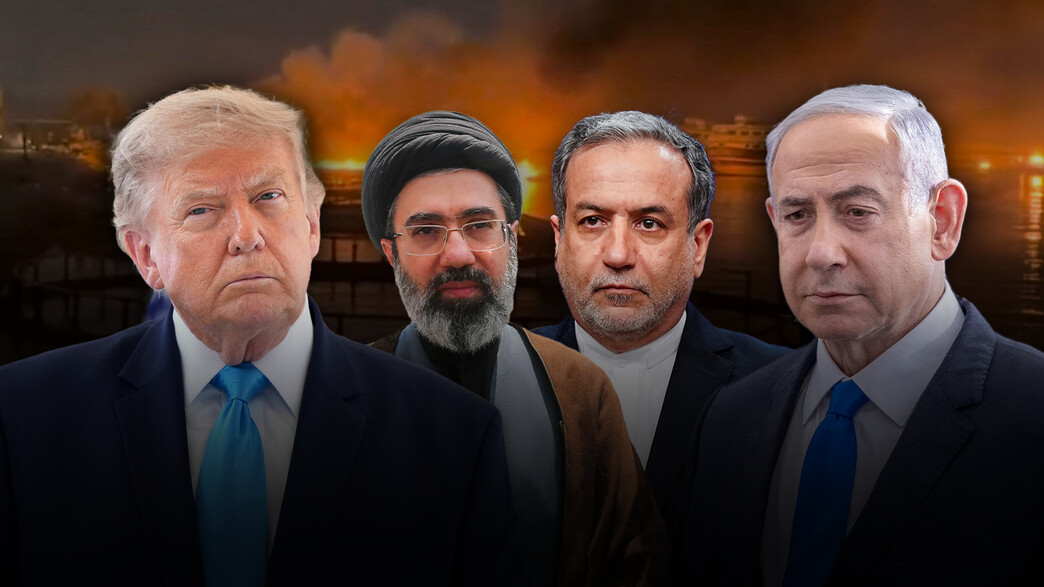
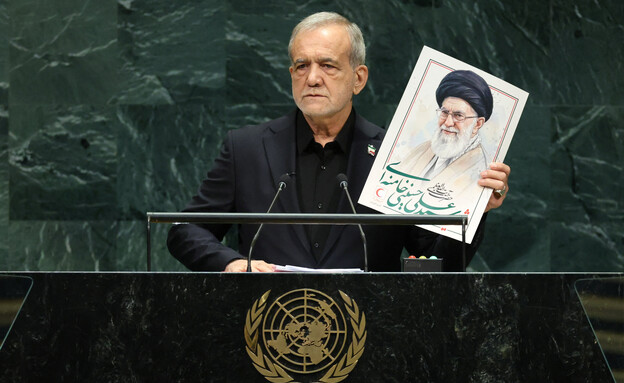
This concern is especially clear in reactions to the U.S.-Iranian crisis. The Israeli perspective is that negotiations with Tehran can be useful only as a means of applying pressure, but become dangerous if they turn into an end in themselves. In a commentary for N12, Sima Shine, former head of the Iran Program at Israel’s Institute for National Security Studies, describes the renewed indirect contacts between the United States and Iran as evidence not of rapprochement, but of the “depth of mistrust” between the sides. Her conclusion is characteristic of the current Israeli debate: the stronger Washington’s sanctions pressure and threats, the more likely Tehran is to seek not compromise, but a sharp military escalation to improve its negotiating position. (mako.co.il)
For Israeli observers, this is not an academic dilemma. The issue is the risk of attacks on regional energy and water infrastructure, the possible expansion of the conflict through Iran’s allies, and Tehran’s nuclear trajectory. Shine explicitly points out that Iranian threats affect infrastructure across the region, while diplomatic deadlock is pushing the regime toward a choice between an agreement on American terms and an attempt to change the situation by force. In other words, Israel views the United States not as a neutral mediator, but as the only external power whose decisions immediately alter Israel’s own risk calculations. (mako.co.il)
The Saudi response to the same crisis is structured differently. Riyadh is far less interested in the logic of a “decisive strike” and more concerned with not becoming the arena in which the United States and Iran wage war by proxy. Saudi columnist Sobhi Shabbana, writing in Al Jazirah, formulates this position almost as a doctrine: a state’s strength is measured not by the number of weapons it possesses, but by its ability to prevent war from spreading. He stresses that, for the kingdom, the security of the Persian Gulf, freedom of navigation in the Strait of Hormuz and energy stability are not foreign-policy abstractions, but elements of national security. (al-jazirah.com)
This represents an important divergence from the Israeli approach. Israel’s public debate demands that Washington not ease pressure until the threat has been eliminated; Saudi Arabia’s demands that Washington not turn pressure into an endless conflict for which the Gulf states will pay. Yet both positions stem from the same distrust of the durability of American strategy. Regional analyst Michael Young, in an Arabic-language Carnegie column, explains why this skepticism is so strong in Saudi Arabia: after the attacks on Aramco facilities in Abqaiq and Khurais in September 2019, Riyadh concluded that, at a critical moment, it would have to rely primarily on itself. (carnegieendowment.org)
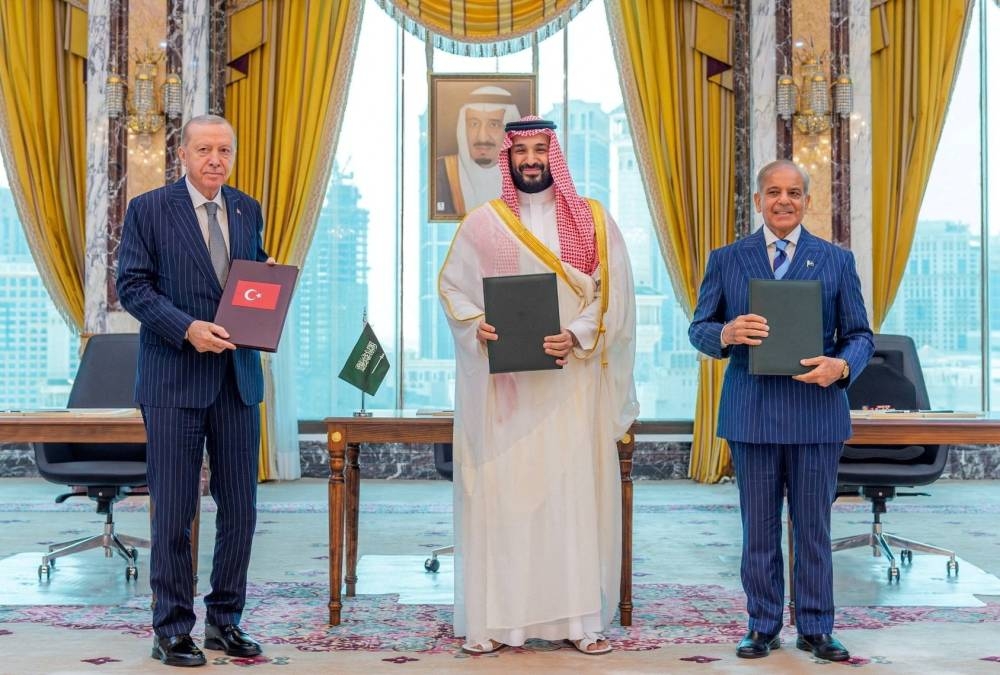
This brings us to the second major issue—the U.S.-Saudi cooperation on peaceful nuclear energy. Saudi media present it not as a concession to Washington, but as evidence of the kingdom’s new negotiating independence. In an Al Watan article, the advancement of nuclear cooperation with the United States without an immediate link to normalization with Israel is described as a diplomatic success: according to the paper, Riyadh managed to separate its strategic and technological partnership from political demands while preserving its condition that there be a genuine path toward a Palestinian state within the 1967 borders. (alwatan.com.sa)
This is particularly sensitive for Israel. In the Israeli press, discussion of the agreement is not limited to the issue of civilian energy; it is assessed in terms of the risk of future uranium enrichment and a possible shift in the regional military balance. Even when Israeli commentators acknowledge the value of a close U.S.-Saudi alliance, they see it as a potential price Washington may pay for influence in Riyadh. In other words, for Saudi Arabia the American deal symbolizes sovereignty and the diversification of partnerships; for Israel, it is a test of whether America is prepared to relax previous restrictions in exchange for a short-term geopolitical gain. (alwatan.com.sa)
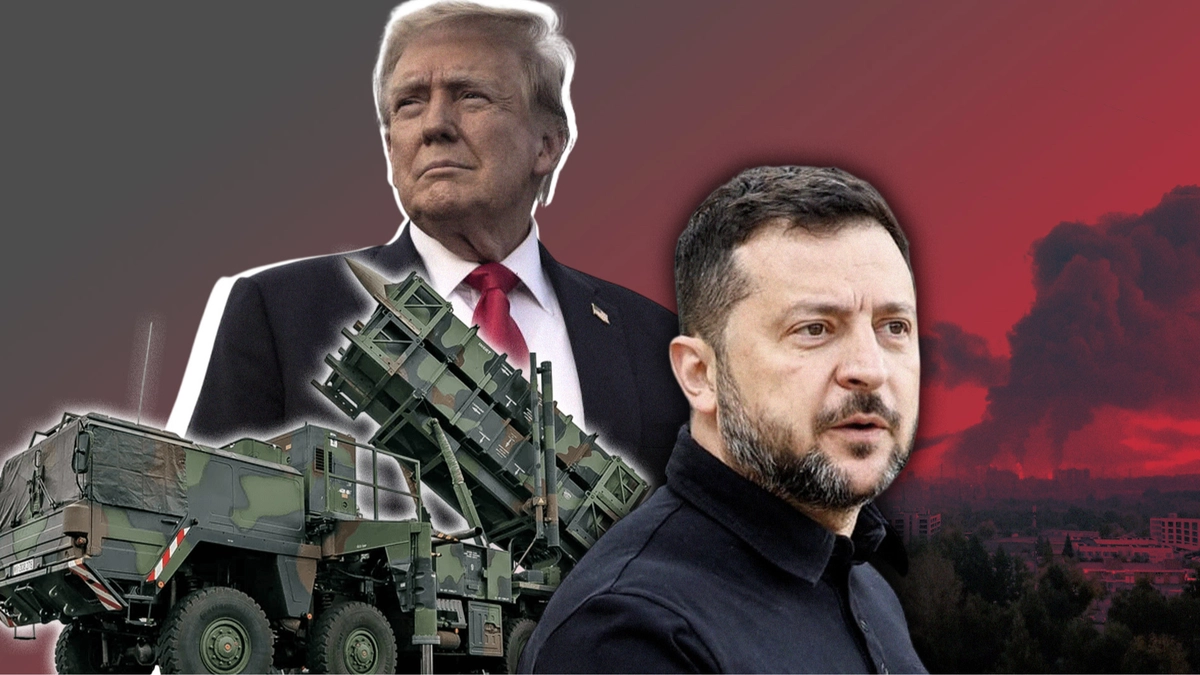
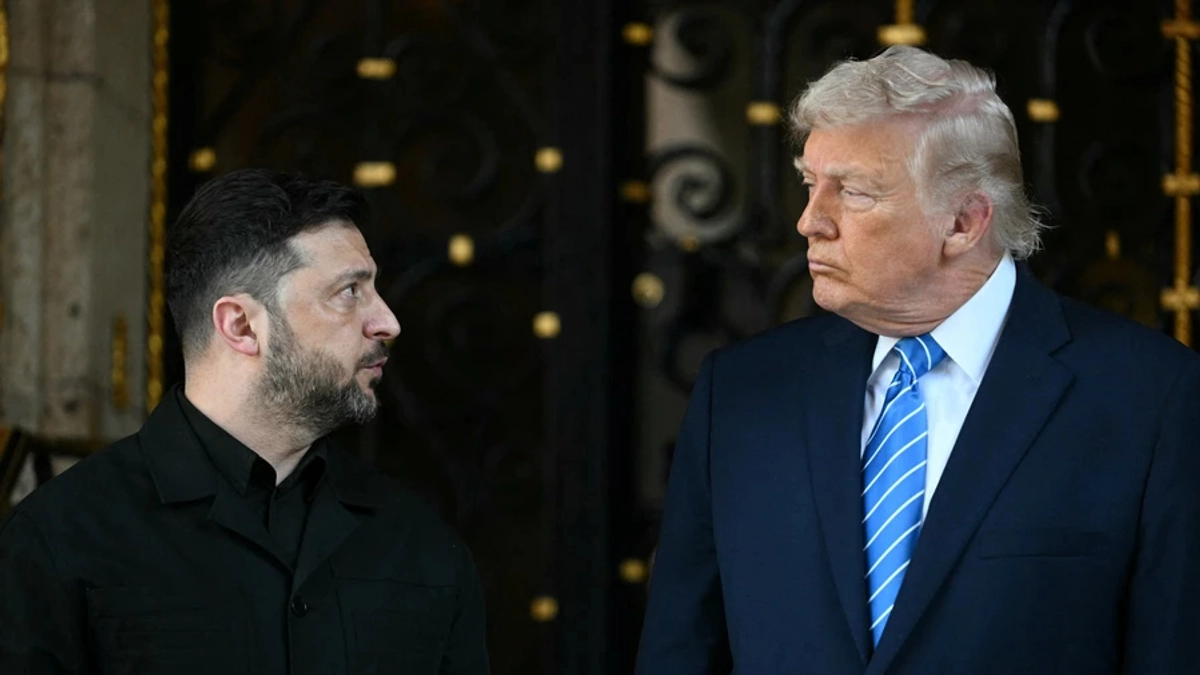
Ukraine views the same American problem through a completely different, but even more painful, lens: is an agreement possible that will stop the war without making a new war inevitable? Following Donald Trump’s and Volodymyr Zelensky’s September contacts, the Ukrainian debate has become notably skeptical of declarations about a swift peace. Ukrainska Pravda called the meeting in New York “empty” and described irritation within the Ukrainian president’s circle over the lack of concrete American security proposals. One source told the publication in particularly stark terms that, in his view, the Americans were offering neither a strategy for victory nor even a “decent defeat,” but concessions to Russia in exchange for promises of subsequent financial support. (pravda.com.ua)
At the same time, Kyiv is not rejecting U.S. mediation. The Ukrainian position is considerably more nuanced: diplomacy is acceptable if it reduces immediate threats to the population and does not impose one-sided restrictions on the victim of aggression. Responding to American calls for de-escalation, Zelensky said that Ukraine was ready to discuss halting attacks, but only on the condition that Russia stop attacking Ukrainian energy facilities, critical infrastructure and food exports. “Solutions are possible,” he stressed, but de-escalation must be mutual. Ukrainska Pravda reports this. (pravda.com.ua)
Here, an unexpected common thread emerges linking Kyiv with Riyadh. Ukraine and Saudi Arabia are not demanding the same policy from the United States, but both countries refuse to become objects of a deal between larger powers. Saudi Arabia does not want to pay for the U.S.-Iranian confrontation with its security; Ukraine does not want to pay for America’s need to demonstrate diplomatic success with territory and vulnerable energy infrastructure. In both cases, the local response increasingly resembles not the traditional expectation of American leadership, but an attempt to negotiate clear, verifiable conditions.
Israel occupies a special place in this trio. There is still stronger faith there in the necessity of American power, but fears are also growing that Washington may use that power inconsistently—sharply raising the stakes against Iran and then seeking a compromise that leaves regional allies to deal with the consequences. Ukrainians fear peace without guarantees; the Saudis fear war without limits; Israelis fear negotiations that give their adversary time to recover. Different formulations express the same reality: American policy is perceived not as a stable architecture, but as a series of transactions, each capable of quickly changing the regional balance.
That is why the international response to the United States today cannot be reduced to anti-Americanism or the familiar debate over Trump. In Israel, Ukraine and Saudi Arabia, Washington is still considered an indispensable player. But its indispensability no longer means unconditional trust. The louder the United States speaks about negotiations, deterrence and major deals, the more insistently its partners demand an answer to one practical question: who will ensure their security, and by what means, on the day American diplomacy declares success and moves on to the next crisis?