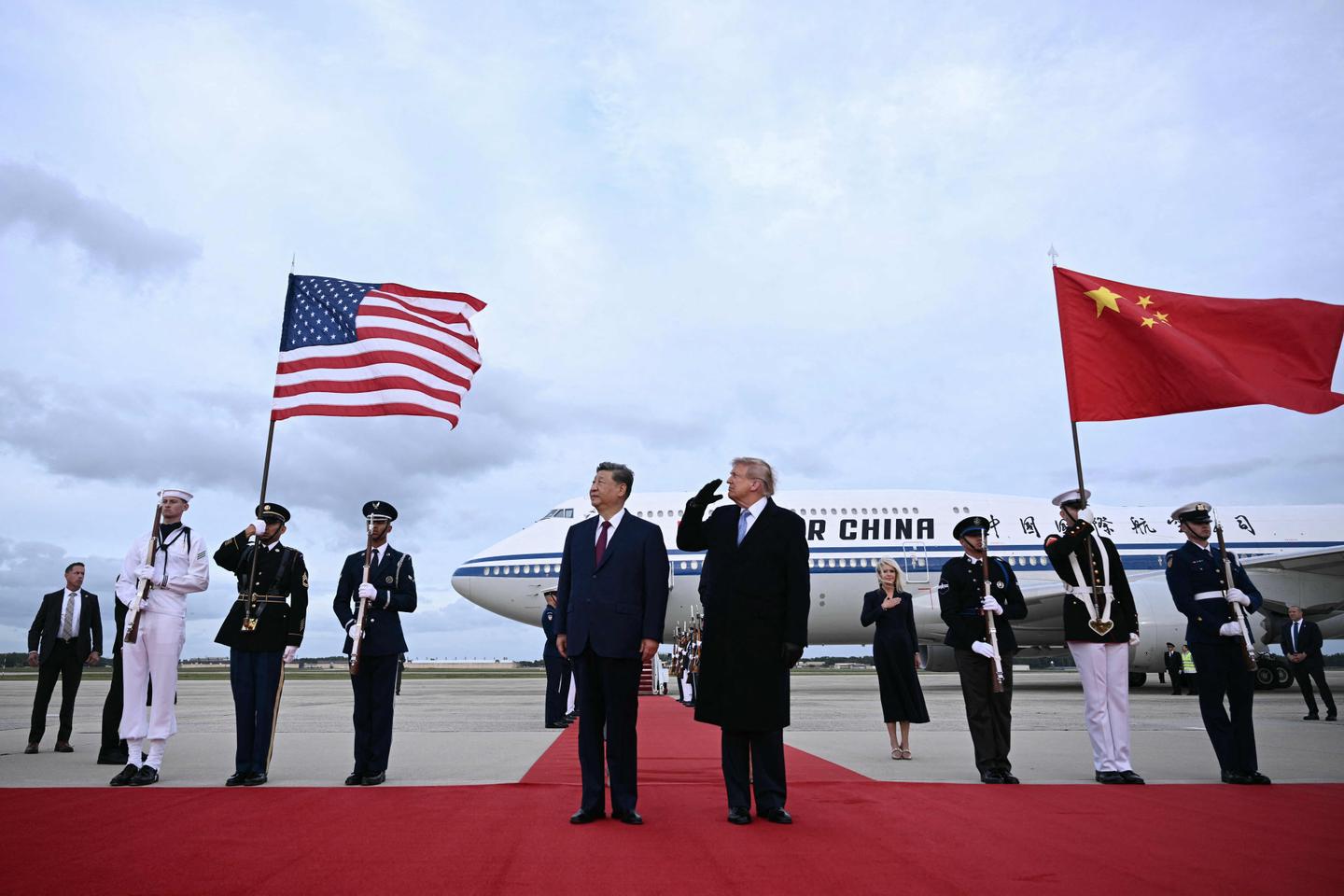
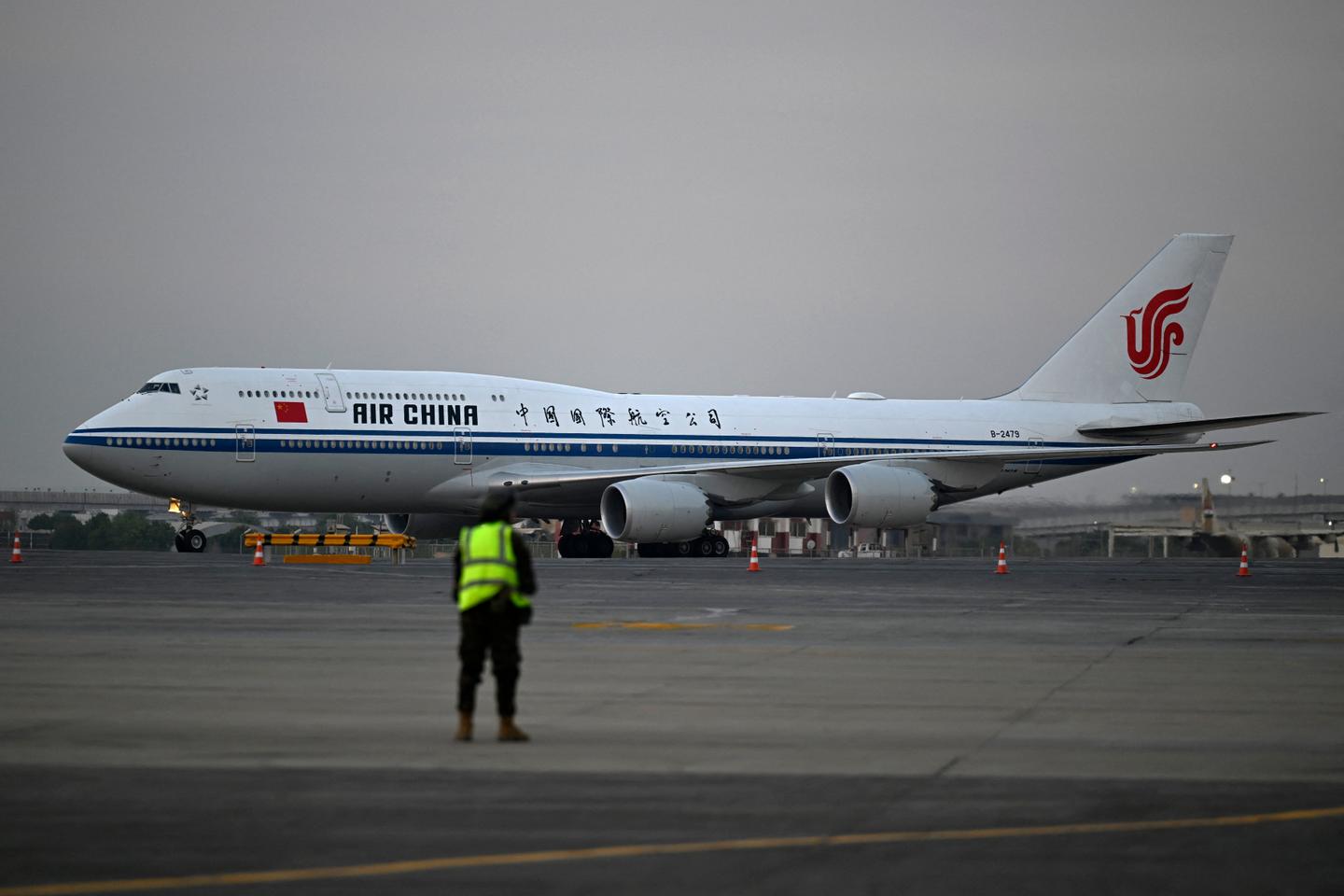
By October 4, 2026, the main subject of international disputes over the United States was no longer any single White House initiative, but the style of American policy itself: Washington is conducting a dialogue with Moscow, trying to stabilize relations with Beijing after Xi Jinping’s September 23–25 visit, and remaining deeply involved in the conflict with Iran. In Russia, Israel and France, this prompts different emotions, but the overall conclusion is remarkably similar: American power has not disappeared, yet its use is increasingly determined by short-term bargaining, domestic politics and Donald Trump’s personal logic—not by the former system of alliances and predictable commitments.
The most prominent theme in the French debate is the impression that China has learned to benefit from American nervousness. In Le Monde’s analysis of Xi’s visit to Washington, the meeting is described almost as a reversal of the customary hierarchy: it is not China making concessions to the United States, but the White House seeking to “stabilize” relations with a rival that has successfully withstood tariff escalation and is using its control over rare earths, the soybean market and ties with Iran. French authors are particularly sensitive to the contrast between Beijing’s firmness and the Europeans’ caution: in their view, China has shown that with Trump it is more advantageous to resist pressure first and then offer him a politically flattering picture. (lemonde.fr)
This gives rise to a broader French fear: Trump’s America may itself be accelerating China’s rise. Paris commentators see Chinese diplomacy not as an alternative bloc with firm obligations, but as a network of flexible ties with countries of the Global South—trade, infrastructure, arms, technological standards and a promise not to interfere in internal affairs. In a Le Monde column on China’s strategy, this model is contrasted with American military operations and alliances that require political solidarity. From the French perspective, it is particularly important that Beijing does not have to “replace” Washington throughout the world: it is enough for China to appear a calmer, more consistent and less costly partner. (lemonde.fr)
In Israel, the reaction to the same American unpredictability is far more anxious, because it is measured not in prestige but in security. After the war with Iran, Trump’s former image as an unconditionally pro-Israel president has noticeably faded. According to a June survey by the Institute for National Security Studies (INSS), 57% of Israelis believe that Trump supports Israel only as long as it serves his own interests, while just 12% describe him as a leader deeply committed to protecting Israeli interests. This is a striking shift: skepticism is widespread among both coalition voters and opposition supporters. (inss.org.il)
Israeli analysts explain this shift not as anti-Americanism, but as the painful experience of dependence. An INSS analysis of the war with Iran and American policy emphasizes that competing interpretations of Israel’s role have emerged within the U.S. administration itself: some see it as an effective ally and a “force multiplier,” while others see Israel as a country that dragged America into an undesirable conflict. For Tel Aviv, the danger lies not only in criticism, but also in the fact that such interpretations can change rapidly depending on U.S. gasoline prices, the approaching midterm elections and the mood of the Republican electorate. (inss.org.il)
This is precisely where the French and Israeli assessments converge. In France, many believe that Trump changes strategic priorities too easily—from confronting China to conflicts with Iran or Canada. In Israel, there is concern that the same flexibility could one day turn the country’s security from a principle of American policy into a bargaining chip. Both countries observe that the White House is increasingly focused on short-term domestic effects. The French analysis directly links the softer tone toward Beijing to the desire to reduce energy and inflation risks ahead of congressional elections. (lemonde.fr)
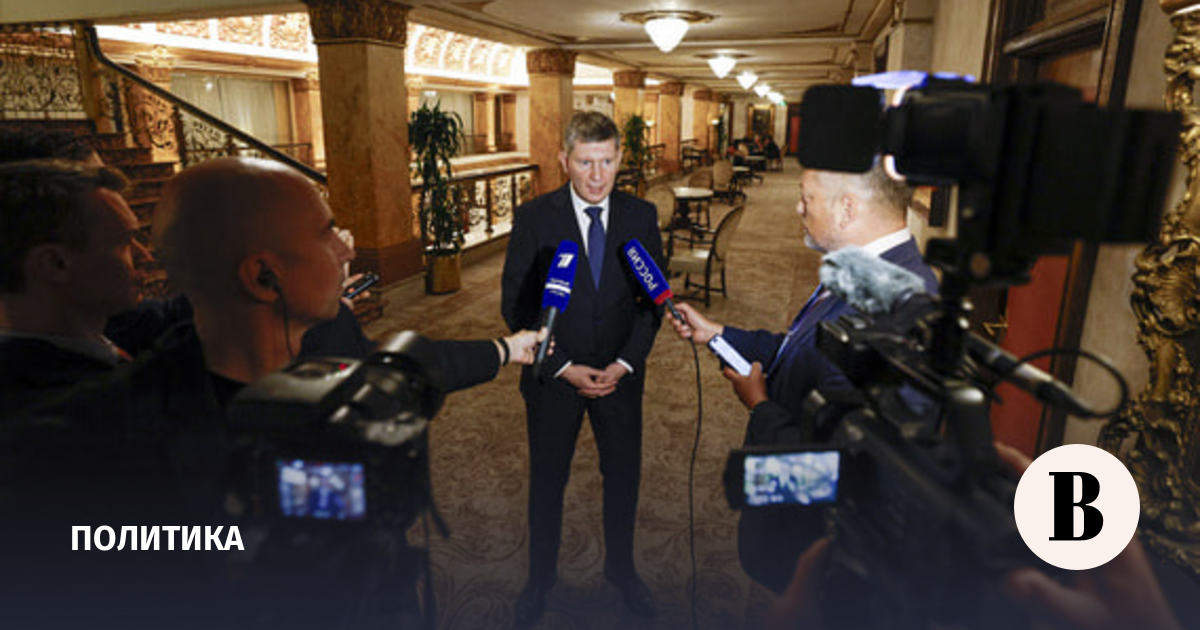
The Russian debate is structured differently. In Moscow, today’s America is perceived less as a declining power than as a state with which it is once again possible to speak directly—but only in a pragmatic and conditional language. It is telling that, in the Russian agenda at the beginning of October, an invitation to Vladimir Putin to attend the G20 summit in Miami, meetings between Russian and American representatives, and constant reminders that economic normalization will not happen automatically all exist side by side. In a Vedomosti report published on October 2, Kirill Dmitriev’s and Maksim Reshetnikov’s visits to the United States are described as part of a series of contacts against the backdrop of the American fuel crisis and Trump’s efforts to contain it; at the same time, the Russian side publicly denies that substantive negotiations on lifting sanctions or economic cooperation are already underway. (vedomosti.ru)
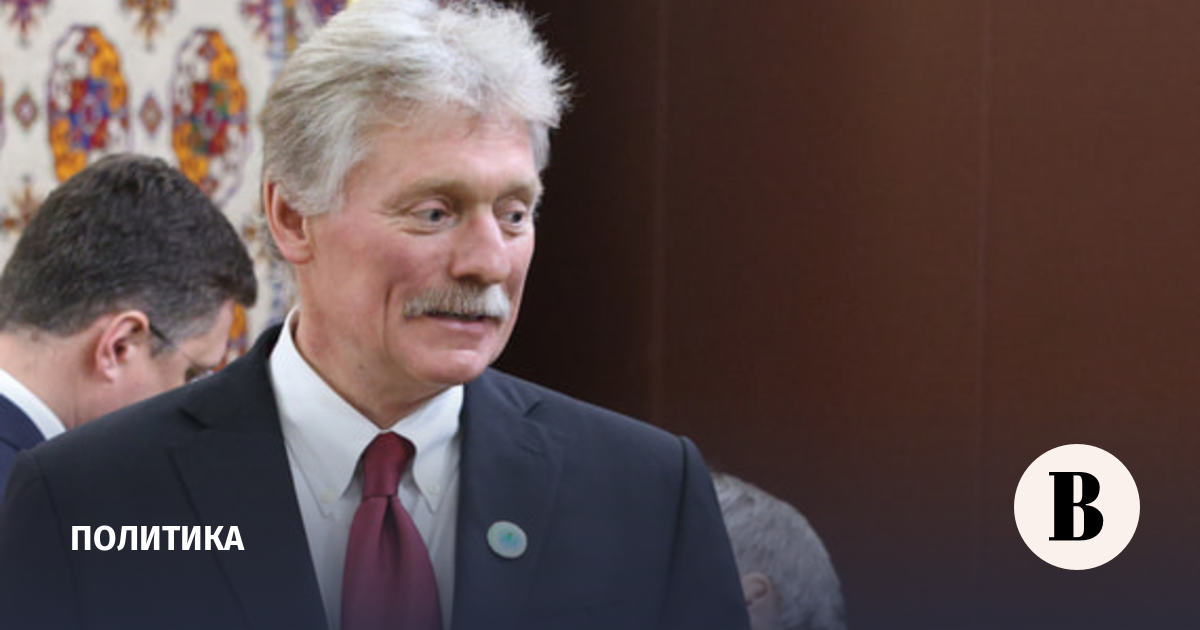
The Kremlin’s formula is even clearer: as Dmitry Peskov reported, the United States is linking the resumption of projects with Russia to a settlement in Ukraine. In a Vedomosti report dated October 4, this appears not as a return to prewar normality, but as a negotiating package in which diplomacy, sanctions, energy and the war in Ukraine are traded together. (vedomosti.ru) The Russian view is therefore less romantic than it may appear from the outside: contact with Trump is valuable, but it is not regarded as a guarantee of strategic détente. Moscow sees the United States as a partner willing to make deals, but not one that has abandoned its levers of pressure.
This is the most important difference among the three countries. France sees the weakening of American strategic consistency as an opportunity for China and as an argument for European strategic autonomy. Israel sees it as a risk that the most important security guarantee could become situational. Russia sees a window of opportunity for bilateral bargaining—one that could close just as quickly if Washington decides that the price of an agreement is too high. Yet all three reactions share one idea: today, the allies, rivals and adversaries of the United States must take into account not only America’s power, but also the volatility of its political will. This volatility—more than tariffs, sanctions or individual summits—is becoming Washington’s main export product.