As of October 11, 2026, discussions about the United States in Australia, India and Russia center on the same shift: Washington remains too important to ignore, but has become too unpredictable to rely on unconditionally. The triggers vary—from protracted US-India trade talks and a new fuel agreement between Moscow and Washington to the war involving Iran, tariffs and the future of AUKUS. Yet reactions in all three countries converge on one point: Donald Trump’s administration is seen as a force that combines security, trade, energy and personal diplomacy into a single negotiation.
In India, this negotiation is measured primarily in tariffs—and New Delhi is increasingly unwilling to accept the American formula under which it must open its market, increase purchases from the United States and simultaneously adjust its energy ties with Russia, without receiving a long-term guarantee of access to the US market in return. Finance Minister Nirmala Sitharaman called the talks a “plateau”: the room for mutual concessions has nearly run out. In a column for The Indian Express, Soumya Bhowmick expresses India’s concern in decidedly pragmatic terms: if India cuts its own tariffs and increases purchases of American goods, while its exporters receive no sustainably better terms in the United States, the agreement loses its purpose. (indianexpress.com)
The position of trade expert Ajay Srivastava, founder of the Global Trade Research Initiative, is particularly telling. In a comment for StratNews Global, he advises against signing a deal until Washington clarifies what tariff protection it is actually prepared to offer. This is not anti-Americanism: Indian authors acknowledge the critical importance of the US market, technology and strategic partnership. But they are increasingly demanding that political promises be replaced with legally protected rules. For India, this concerns not only exports of textiles, pharmaceuticals and machinery, but also strategic autonomy: US attempts to link trade with purchases of Russian oil are seen as a test of whether New Delhi can remain an independent center of power. (stratnewsglobal.com)
In Australia, similar distrust takes a military rather than a trade-related form. The United States is not merely a major market there, but the foundation of the country’s defense architecture—and that is precisely why the White House’s unpredictability appears especially dangerous. ABC analyst Laura Tingle, in an analysis of AUKUS’s future, writes that the alliance’s original idea—giving Australia its own nuclear-powered submarine capabilities—risks being transformed into a framework in which the American presence in Australia expands faster than Australian independence. In other words, Canberra is gaining not so much an independent deterrent as deeper integration into US military infrastructure. (abc.net.au)
Two lines of reasoning have therefore collided in Australia’s debate. On one hand, former Australian ambassador to the United States Arthur Sinodinos argues in an article for Guardian Australia that, despite all the problems with Trump, the American alliance system remains indispensable to Indo-Pacific security, and AUKUS should not be written off. On the other, concern is growing that an alliance with the United States turns Australia into a participant in conflicts whose objectives are determined in Washington. Former Prime Minister Paul Keating warned that AUKUS could drag the country into a US war with China, while Emma Shortis, a researcher at the Australia Institute, sees current American policy as a direct challenge to the international order from which Australia previously benefited. (theguardian.com)
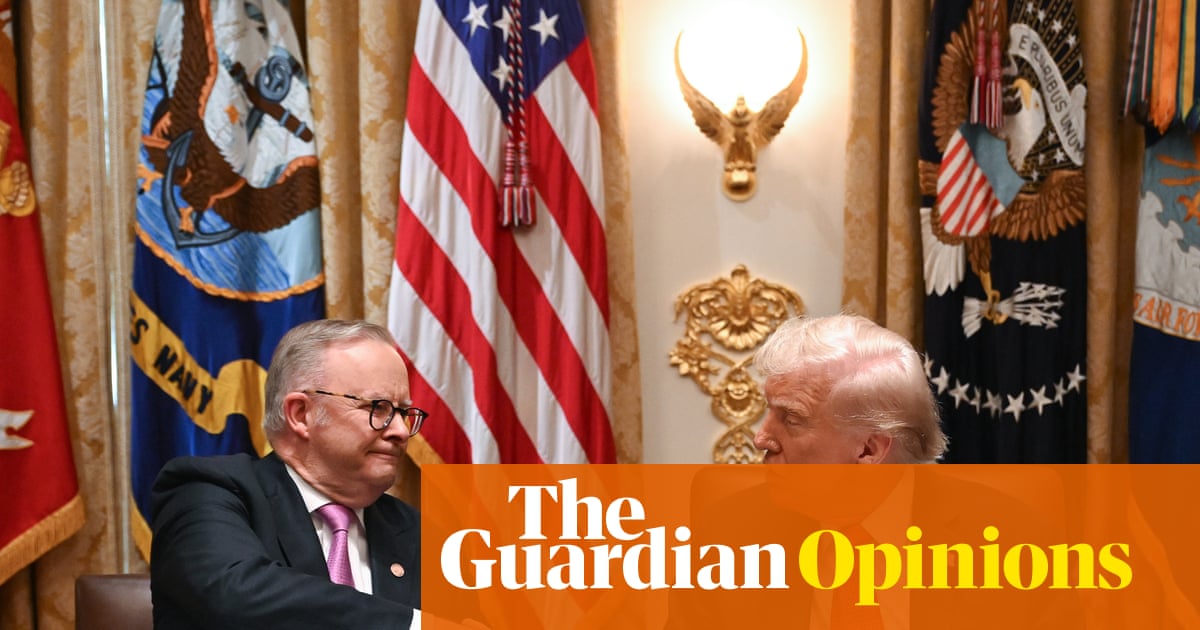
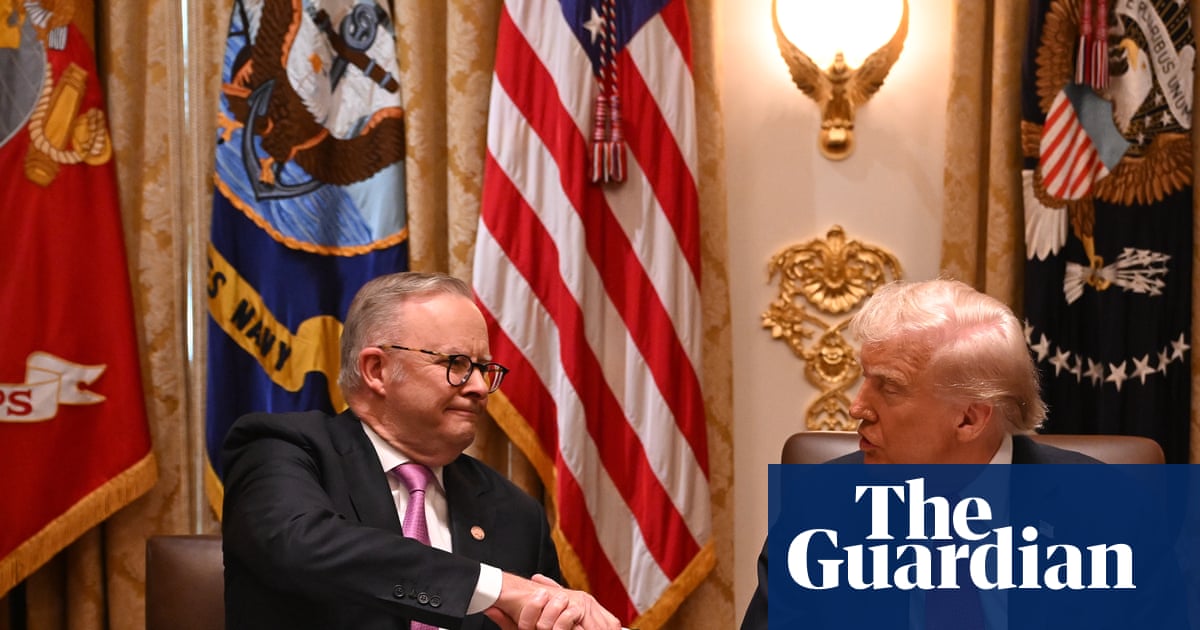
Even Australia’s tariff dispute with the United States is viewed through this lens by the local press. When Canberra seeks exemptions from US import restrictions, it faces the same question as India: how valuable are alliance ties if they provide no predictability in commerce? In an ABC analysis, Trump’s tariffs are described not only as a trade instrument, but also as a means of securing political concessions. And in an article about Anthony Albanese’s call with Trump, the nervous tone is especially apparent: even for one of the United States’ closest allies, a tariff reprieve looks not like a rule, but like something subject to the president’s personal “consideration.” (abc.net.au)
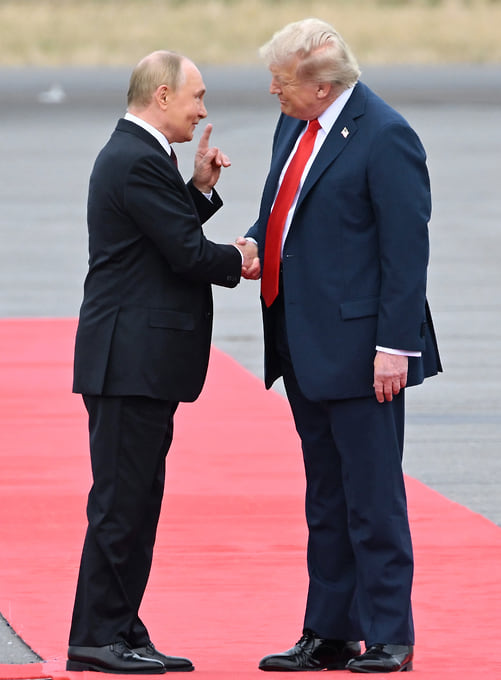
Russia’s reaction to America is structured differently: the question here is not whether the alliance can be saved, but how far a situational deal with Washington might go. Russian business media viewed the October 9 agreement between Putin and Trump on supplying Russian diesel to the American and global markets as something significantly more important than an ordinary fuel contract. A Kommersant summary attributes it to a global shortage of refining capacity amid problems at Middle Eastern refineries, shipping restrictions, damage to Russian plants and reduced refining in China. In this picture, Russia is not merely the target of sanctions, but also a supplier without whom the global market cannot cope. (kommersant.ru)
Yet optimism in Russia itself is mixed with caution. In its analysis of the authorization to import Russian diesel, Kommersant cites an important point made by industry sources: technically, it is possible to assemble the stated volumes, but the deal depends on domestic demand, the recovery of oil refining and the political climate. For Moscow, this is not proof that relations are returning to normal, but an opportunity to convert America’s need for fuel into a broader dialogue on sanctions. That is why Russian commentary often treats the “energy truce” around Ukraine not as a humanitarian initiative, but as an object of exchange: the security of energy facilities in return for easing pressure. (kommersant.ru)
The paradox is that the US war with Iran has brought the interests of all three countries into even closer alignment. For Australia, it exposed the risk of automatically following US strategy and affected voter sentiment through fuel prices. For India, it heightened the vulnerability of an energy importer already forced to balance American demands against Russian supplies. For Russia, it opened a window of opportunity in the petroleum-products market, while simultaneously demonstrating how quickly US policy can shift from sanctions pressure to pragmatic purchases—and then back again. In this sense, Trump is becoming less an ideologue of “America First” for the outside world than a manager of a crisis market: an ally, competitor and adversary can suddenly find themselves on the same side of a deal if the United States needs to lower fuel prices or demonstrate a diplomatic success. (theguardian.com)
The most unusual common feature of the Australian, Indian and Russian reactions is their refusal to regard relations with the United States as a stable category. Australia is debating how to preserve the American security umbrella without losing the right to make its own decisions. India is demanding that its strategic partnership not turn into tariff dependence or restrictions on its energy choices. Russia is testing whether America’s need for resources can be converted into a partial exit from isolation. In all three cases, America remains the central power, but is no longer perceived as the guarantor of unchanging rules. The main international conclusion of this week lies precisely here: rather than a united anti-American front, a multitude of countries is forming around Washington—countries learning to cooperate with the United States without their former faith in its constancy.