Events in recent days have prompted Turkey, Saudi Arabia and Australia to discuss America once again not as a distant superpower, but as a factor directly shaping their security. The triggers included Houthi attacks on Saudi Arabia followed by Donald Trump’s cautious response, Washington’s conspicuous strengthening of ties with Greece during Secretary of State Marco Rubio’s visit to Athens, and continuing concerns in Australia about AUKUS’s practical reliability. At first glance, these are three different stories. But in local commentary, they converge around one question: if Washington demands strategic loyalty from its partners, how quickly and firmly is it prepared to defend them when real danger arises?
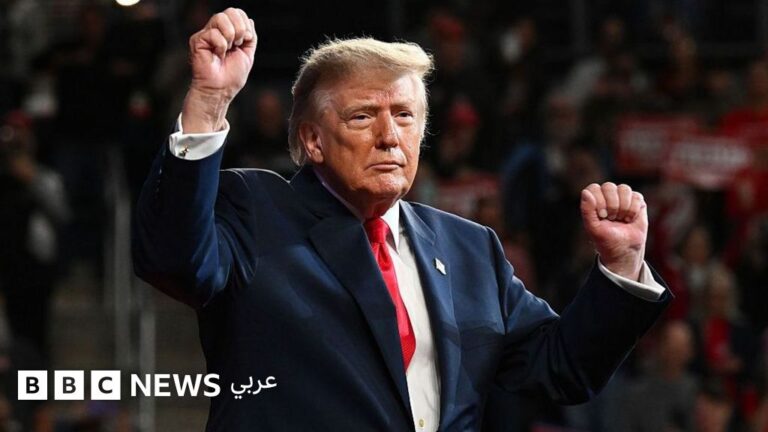
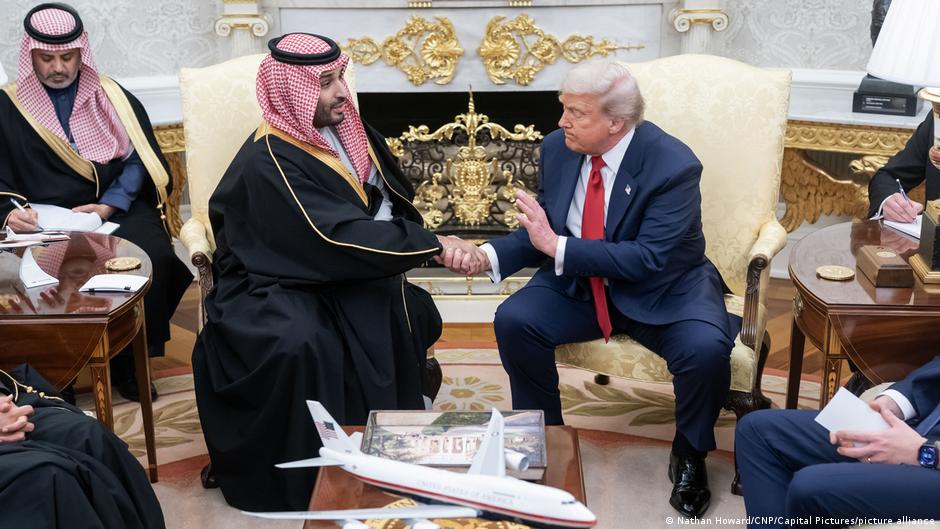
The question is particularly acute in the Arabic-speaking debate surrounding Saudi Arabia. After the strike on King Khalid International Airport in Riyadh on October 10, the American president called the attacks “terrible,” while also emphasizing that the Saudis themselves were capable of defending their country. The Saudi newspaper Al Jazirah also reported another part of his position: the White House was merely “considering” taking part in strikes against the Houthis. In the newspaper’s report, the formula appears diplomatic; to many commentators, it became a symptom of uncertainty. (al-jazirah.com)
The key emotion here is not so much surprise as irritated distrust of the format of the American guarantee. In an Arabic analysis by Almejhar, author Talal al-Shahrani formulates the dilemma in stark terms: the Trump administration faces a choice between direct military intervention on Riyadh’s side and indirect support combined with efforts to seek a broader deal involving Iran and the Houthis. F. Gregory Gause, the Saudi Arabia expert cited by the author, warns that strikes alone cannot resolve the crisis: agreements addressing its political causes are needed. (almejhar.net)
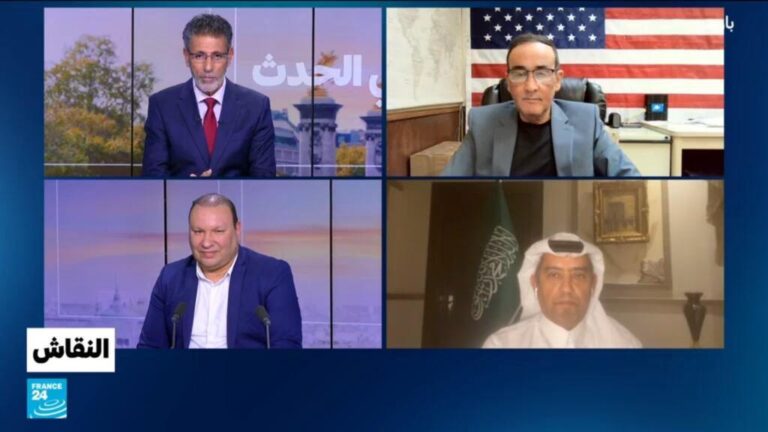
This is an important local nuance. In the American debate, the argument usually comes down to whether the United States should become embroiled in another Middle Eastern war. In the Saudi context, the question sounds different: what exactly does a state gain by concluding a defense agreement with America and investing in a strategic partnership if, at the critical moment, Washington promises only to “make a decision quickly”? In an article by Watan, this concern is described as a test of the entire US-Saudi defense relationship: an alliance is judged not by statements and contracts, but by whether it protects infrastructure, the population and maritime routes during an attack. (watanserb.com)
At the same time, Arab commentary reflects a suspicion that Riyadh’s security could once again become a bargaining chip in broader American plans—above all, efforts to link military support with the normalization of relations between Saudi Arabia and Israel. This does not mean that such a deal is demonstrably under discussion. But the fact that this hypothesis has become a noticeable part of the regional conversation reveals the depth of the doubts: the partnership with the United States is increasingly seen less as an automatic shield and more as a deal whose terms may change at the White House’s discretion. (watanserb.com)
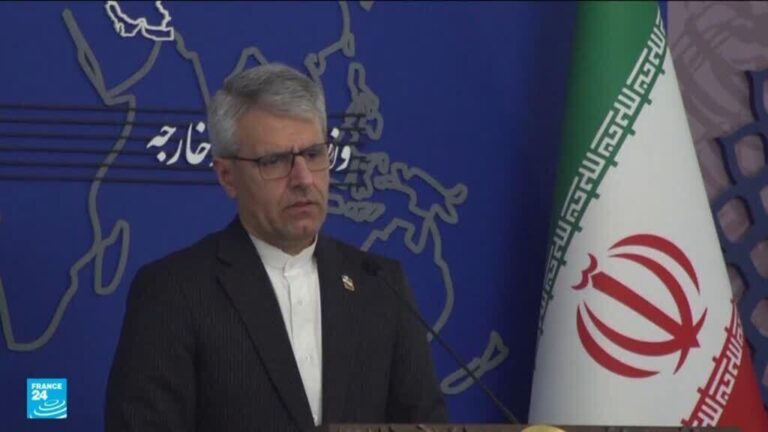
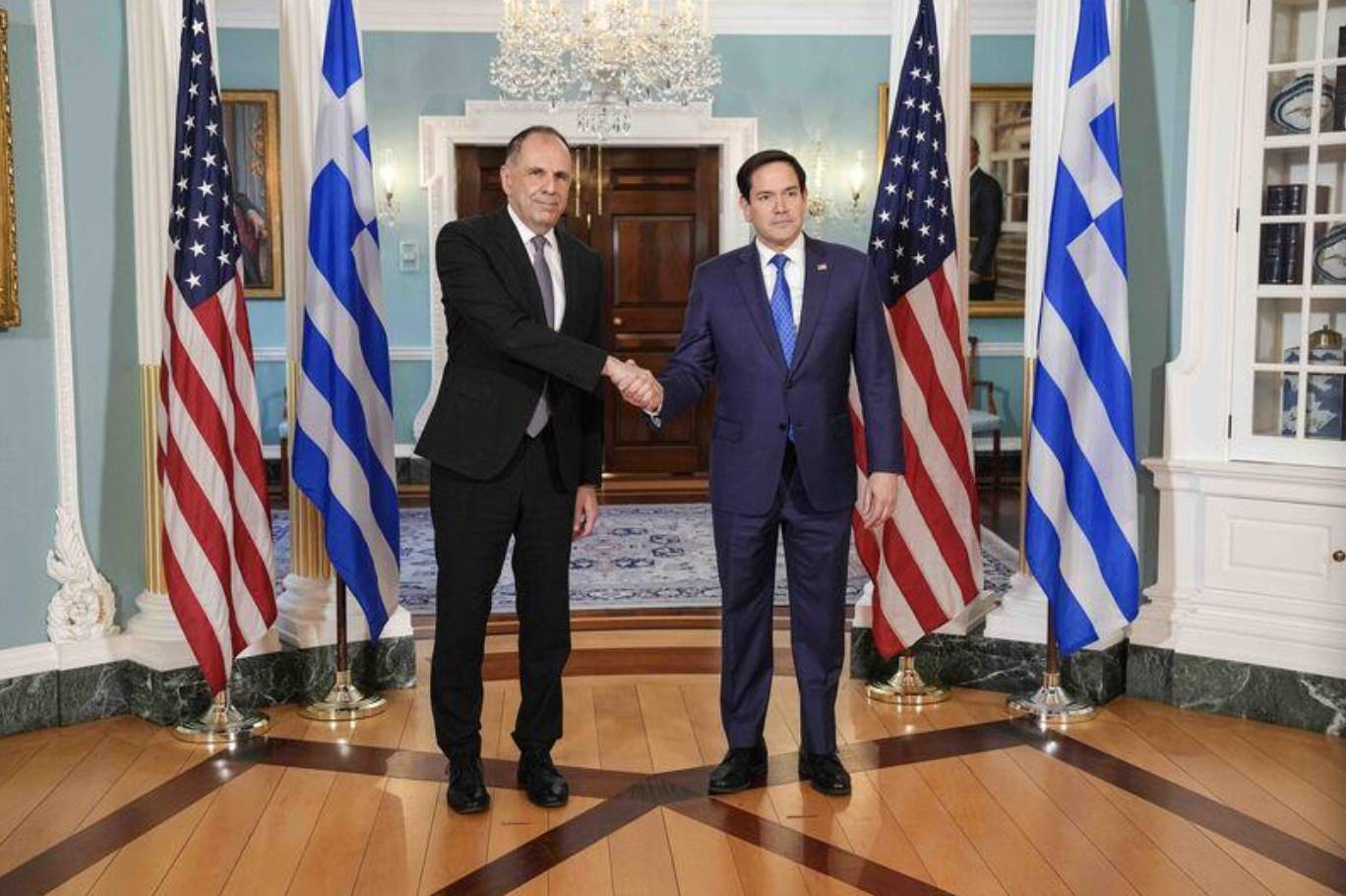
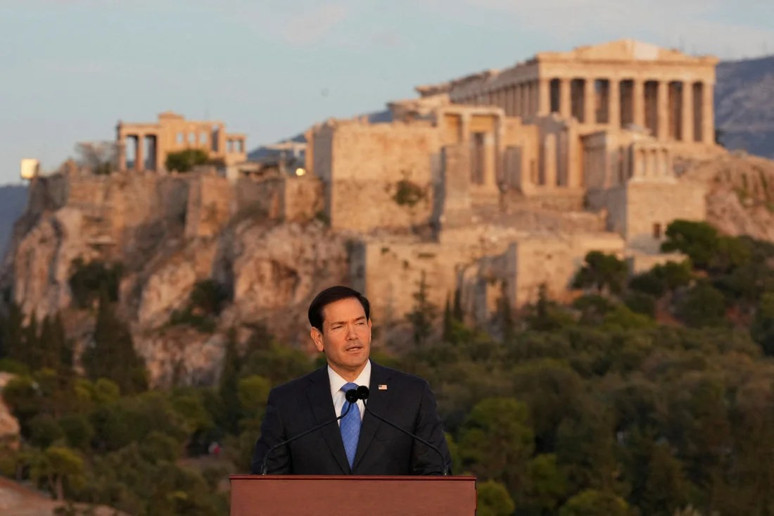
In Turkey, the American problem appears less dramatic militarily, but no less painful politically. The main subject there was Marco Rubio’s visit to Athens on October 7 and his emphasis on Greece’s strategic value. Rubio himself publicly said that a conflict between Turkey and Greece over the Aegean Sea or Cyprus would be “unthinkable,” since both countries are NATO allies. (aa.com.tr) However, Turkish analysts heard in his visit not only a call for de-escalation, but also a signal about American priorities in the Eastern Mediterranean.
In a column for Independent Türkçe, political scientist Osman Gazi Kandemir interprets the visit as evidence that the United States is simultaneously strengthening Greece’s military capabilities, supporting its ties with Israel and trying to keep Turkish-Greek rivalry under control. His conclusion is characteristic of the current Turkish debate: stability in the Eastern Mediterranean should not depend on external guarantees; Turkey needs its own diplomatic ties and deterrence capabilities. (collector.com.tr)
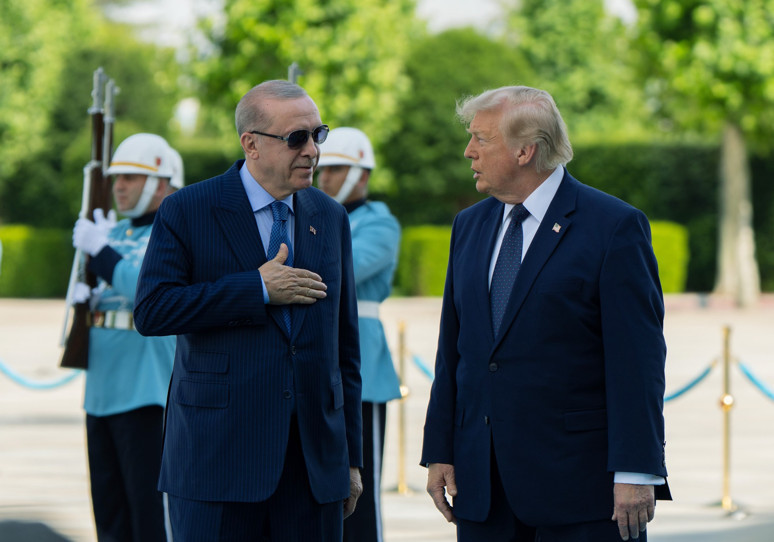
Columnist Doğan Akdeniz put it even more sharply in an article for Aydınlık. He saw Rubio’s speech in Athens not simply as support for an ally, but as an attempt to construct a cultural and political line running from ancient Greece and Christian Europe to modern America. For the Turkish author, this raises the question of whether Ankara could eventually find itself on the periphery of the West’s strategic identity—even if personal contact between Recep Tayyip Erdoğan and Trump is maintained. (aydinlik.com.tr)
The contrast with the Saudi reaction is clear. Riyadh asks whether the United States will come to its aid when missiles are already falling. Ankara asks whether Washington is creating a new regional architecture in which Turkey is assigned the role of a difficult but necessary neighbor, rather than that of an equal strategic center. But the underlying concern is the same: both countries want to understand whether American alliances are systems of mutual obligations or tools for managing regional balances on a case-by-case basis.
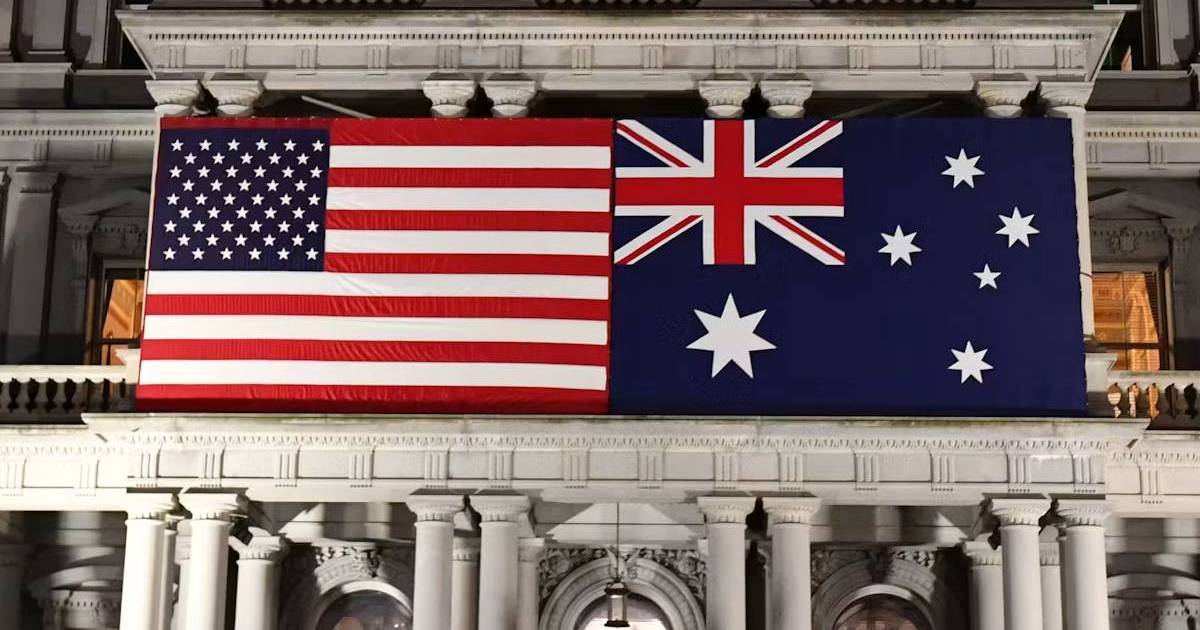
The Australian debate adds another layer—one centered on the Pacific—to this discussion. There is less concern about an immediate attack, but growing doubt about the long-term ability of the United States to fulfill promises it has already made. AUKUS’s fifth anniversary is taking place against the backdrop of problems with the pace of American nuclear-submarine construction. An ABC report notes that former officials from Australia, the United States and the United Kingdom consider the pact broadly viable, but acknowledge that American submarine production is not accelerating as quickly as the plan to transfer capabilities to Canberra requires. (abc.net.au)
Australians are therefore discussing not simply Trump as a difficult politician, but the risk of dependence on an America whose domestic political and industrial capacities may not match its international commitments. Researchers at the University of Sydney’s United States Studies Centre, in an analysis for The New Daily, found that 58% of Australians surveyed consider Trump’s second administration bad for Australia, while attitudes toward the United States as a power in Asia have become noticeably more cautious. (thenewdaily.com.au)
Perhaps the most unexpected conclusion from these three national debates is that this is no longer traditional anti-Americanism. Turkish analysts are not proposing withdrawal from NATO; Saudi commentators do not regard a break with Washington as realistic; Australia is not abandoning AUKUS. On the contrary, all three countries recognize that the United States remains an indispensable military, technological and diplomatic power. What is changing is something else: the allies want to reduce the cost of one-sided dependence.
For Saudi Arabia, this means combining the American defense umbrella with independent regional diplomacy. For Turkey, it means not allowing closer Greek-American ties to dictate its position in the Eastern Mediterranean. For Australia, it means developing its own industrial and defense base so that AUKUS does not remain a project dependent on overburdened American shipyards. America remains at the center of their strategies, but it is no longer the unquestioned center of their trust.