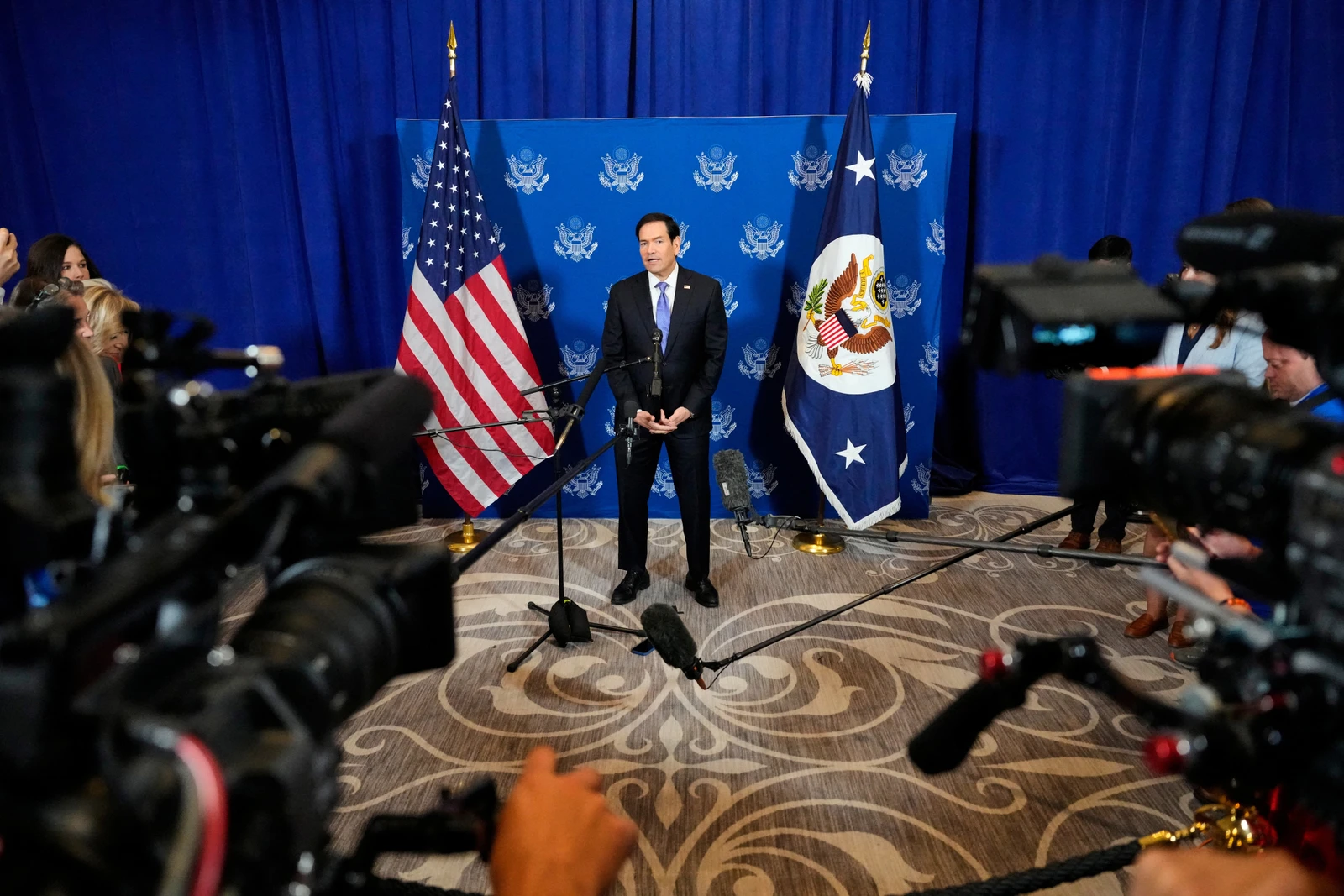
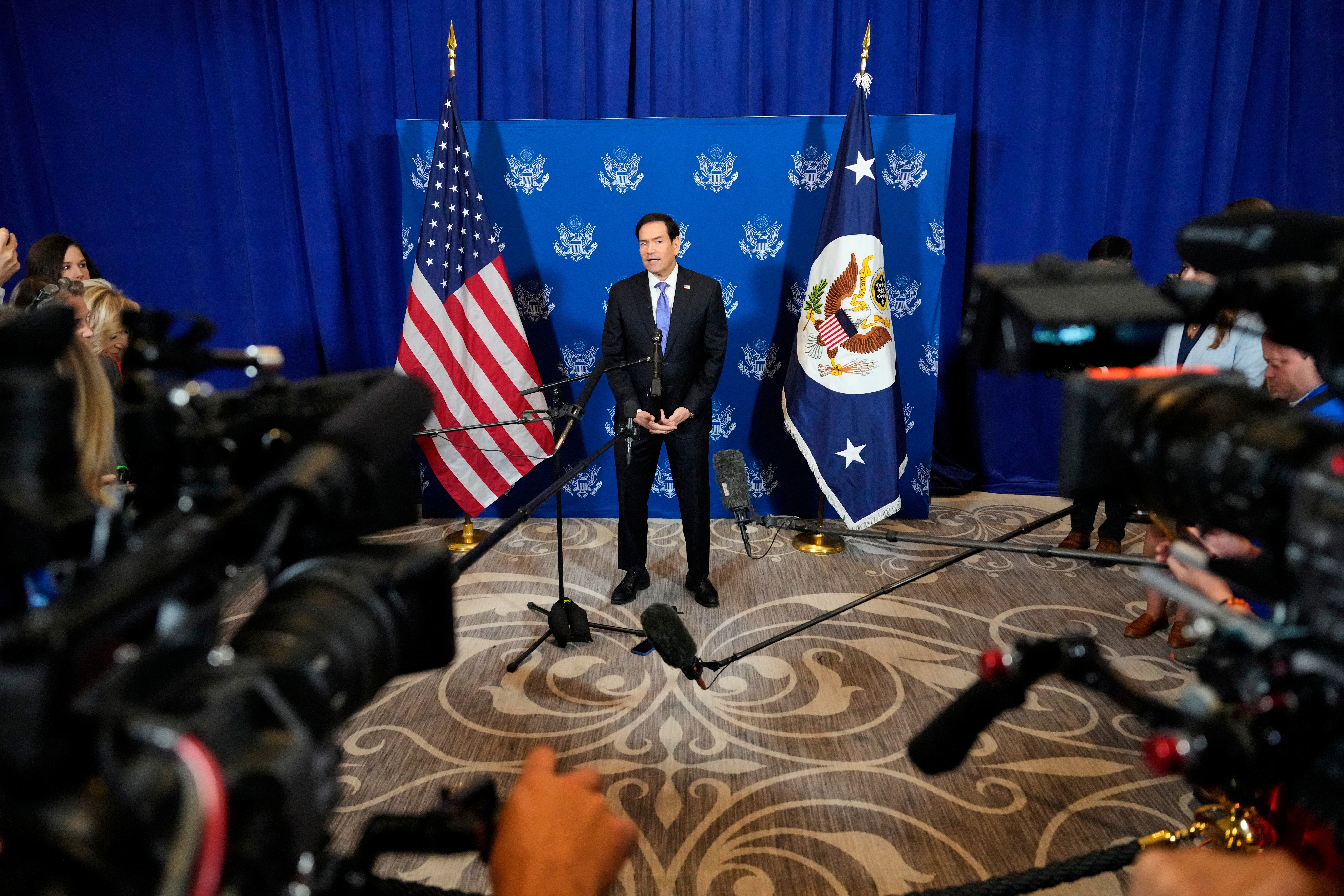
By the end of September 2026, the United States had simultaneously assumed three very different but closely connected roles: security guarantor in the Middle East, negotiator with China on issues vital to Japan, and a state prepared to turn trade and financial pressure into a tool of political influence over Brazil. In Riyadh, Tokyo and Brasília, people are discussing more than Donald Trump’s latest statements. The deeper question is this: how reliable is American support if Washington increasingly acts according to the logic of immediate gain and bilateral deals?
The sharpest test of this issue is taking place in Saudi Arabia. Intensifying Houthi attacks and threats to shipping near the Bab el-Mandeb Strait have turned American promises into a matter of practical survival rather than diplomatic rhetoric. Saudi researcher Abdelaziz Sager, founder of the Gulf Research Center, articulated the local expectation in highly concrete terms: for Riyadh, the value of Washington’s promises is measured in arms deliveries, operational expertise and intelligence. In an analysis by Arab News, he stressed that these three components must turn the alliance into genuine deterrence. This is a characteristic Saudi response: less talk of “eternal friendship,” and more demands regarding the speed, scale and practical applicability of American assistance.
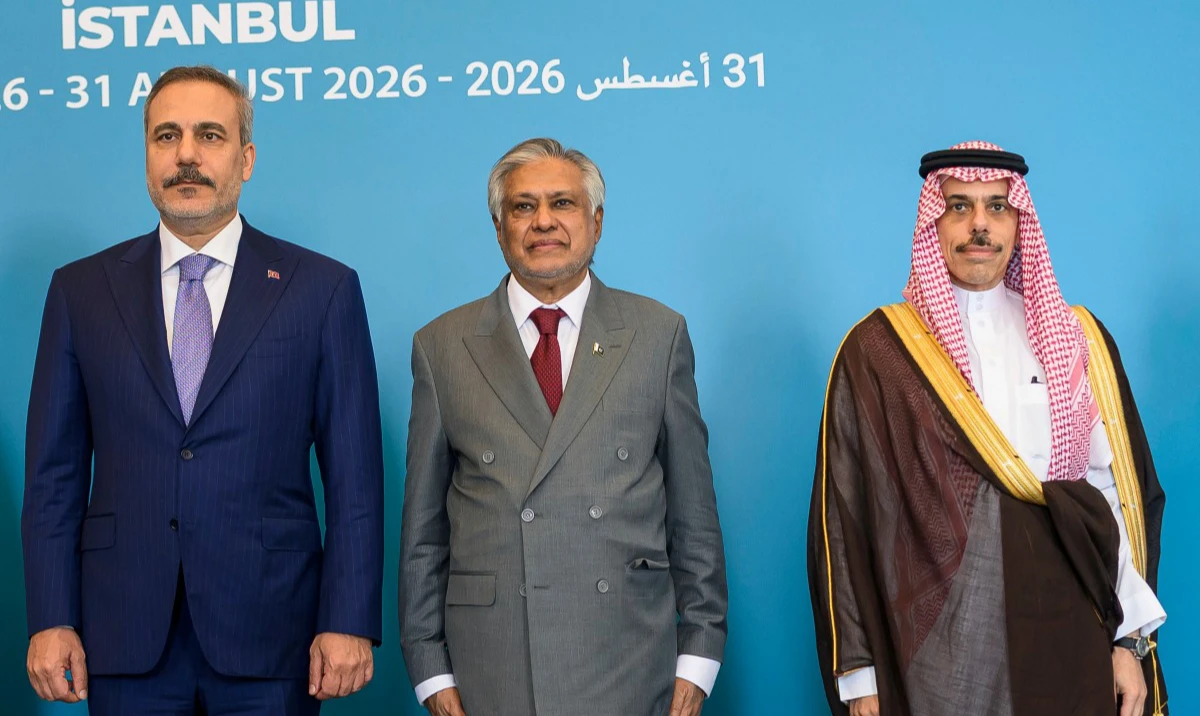
The kingdom’s official line, meanwhile, remains emphatically positive. The Saudi Embassy in Washington called the F-35 agreement evidence of the “depth of the strategic partnership” and linked defense cooperation to regional stability, according to the newspaper Okaz. But there is visible tension between the official optimism and the analytical tone. The Saudi debate starts from the premise that the alliance with the United States remains indispensable, but must not be the only safety net. That is why regional formats and ties with Turkey and Pakistan are being strengthened in parallel, while Saudi Arabia itself seeks to act not as a dependent client but as an organizer of the regional balance. In an Arab News column, this new logic is stated directly: America wants to see partners in the region, not dependents. For Riyadh, this is not a rejection of the United States, but an attempt to reduce the cost of American unpredictability.
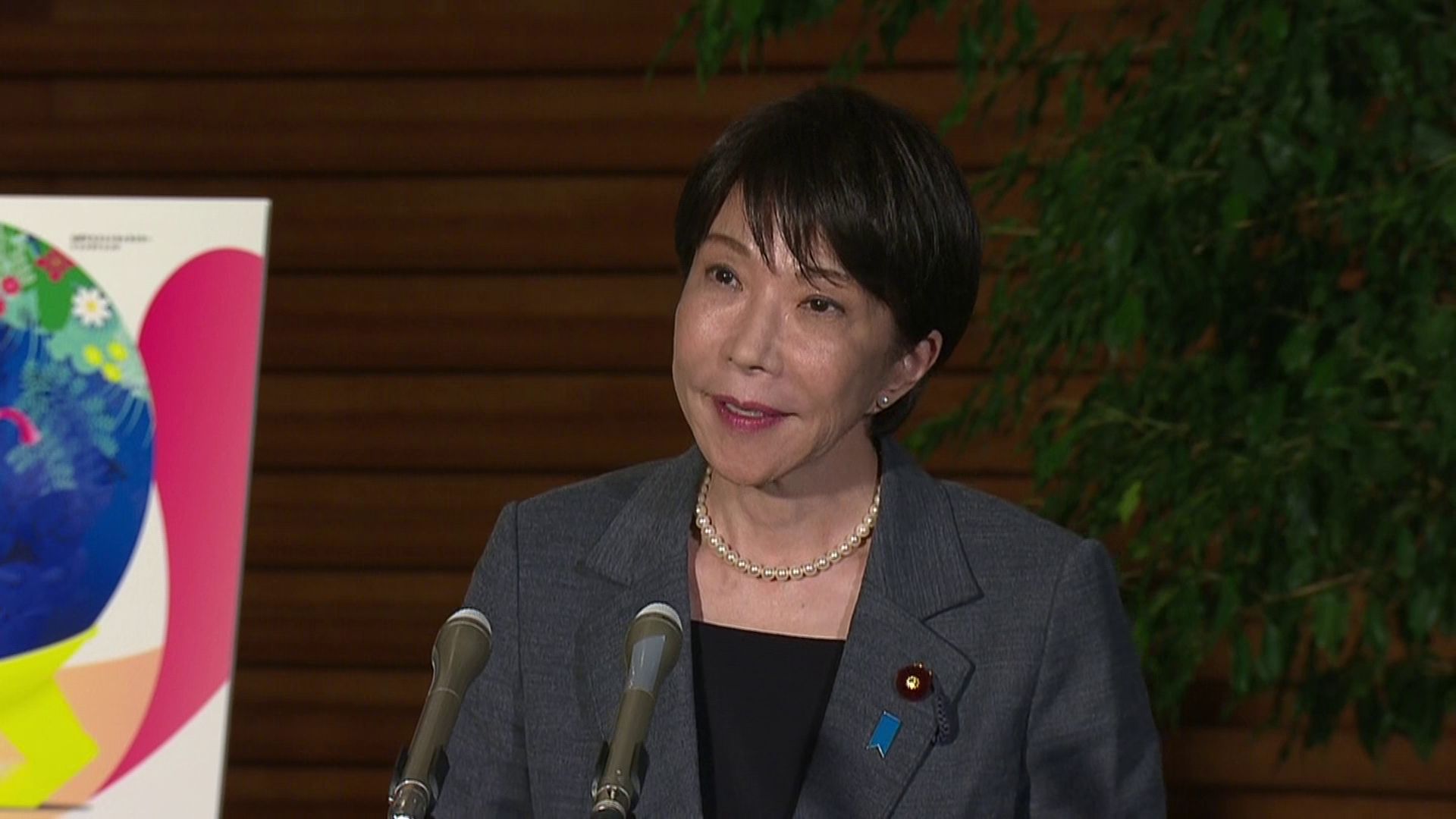
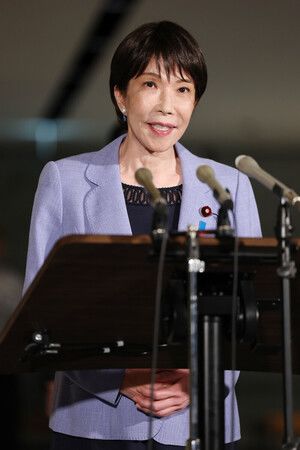
In Japan, American unpredictability is perceived differently—not through Houthi missiles, but through fears that momentous decisions on China and Taiwan could be made without fully taking Japanese interests into account. After Trump and Xi Jinping met in Washington on September 24, Japanese observers watched warily to see whether Taiwan might become a bargaining chip in a more advantageous US-China deal on trade, technology or resources. The Japanese government publicly indicated that Prime Minister Sanae Takaichi had conveyed Tokyo’s position to the American side, without disclosing details. On September 26, Takaichi received a direct explanation from Trump of the outcome of his talks with Xi and confirmed the need for coordination on defense and economic security, nippon.com reported.
Yet the very need to seek clarification is more important than the diplomatic formulas. It shows that Tokyo no longer considers the automatic nature of American guarantees sufficient protection. Particular irritation was caused by an episode in which Trump described the United States and China as allies during World War II: Japanese officials urgently began analyzing the political meaning of the phrase, concerned that the White House might want to demonstrate to Beijing its readiness for broader détente. Japanese reports noted unease over the possibility of concessions to China on Taiwan amid Trump’s declining approval ratings and his desire to achieve a quick foreign-policy result before the US elections. The Japanese perspective is especially revealing in this respect: the alliance with the United States remains the foundation of security, but the ally now has to be constantly informed, pressed and restrained from making compromises that are too convenient for it.
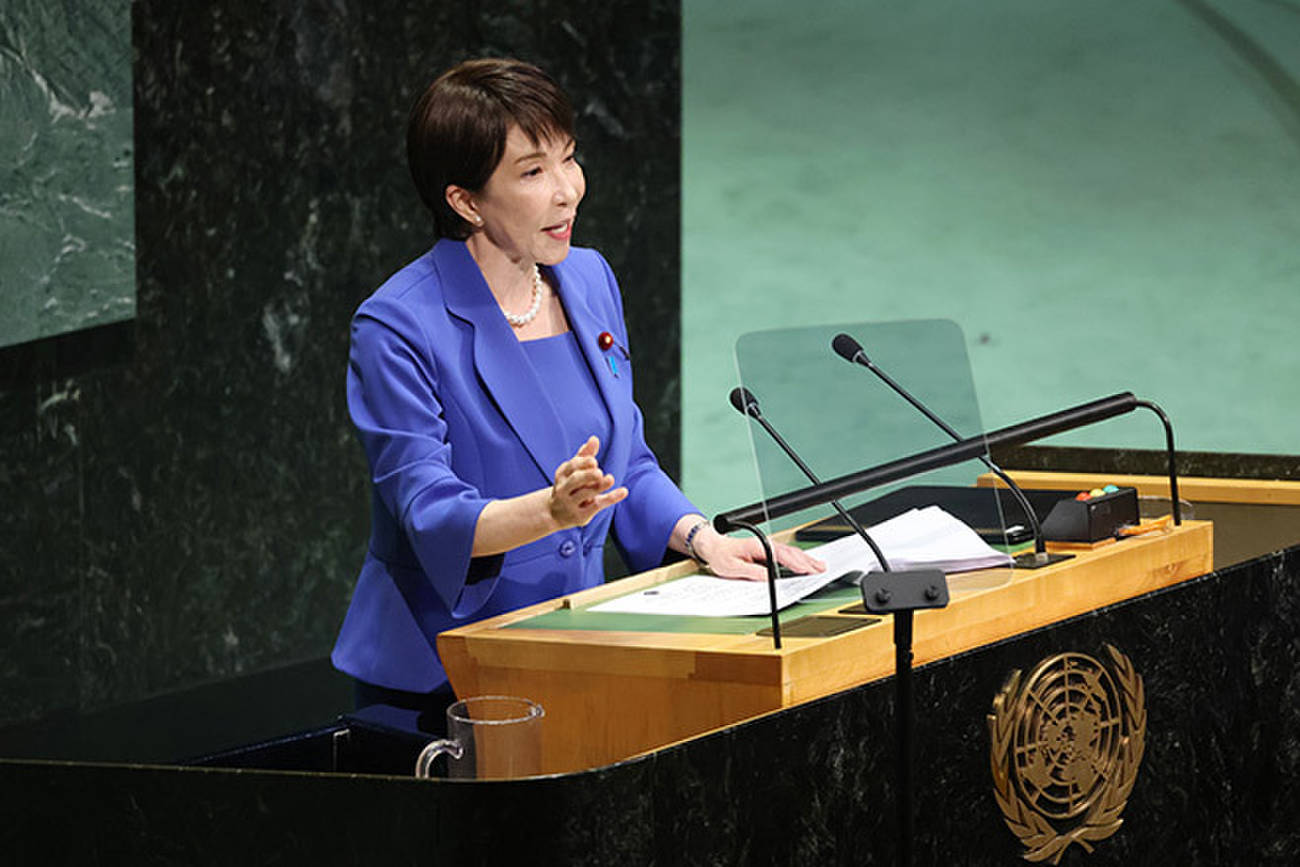
Tokyo’s reaction is not limited to Asia. Value-based criticism of American policy is also growing in the Japanese press. An editorial in Asahi Weekly, following Takaichi’s address to the UN, asked whether Japan could genuinely defend international law if Trump is simultaneously increasing pressure on the International Criminal Court and calling on countries to leave it. For Japan, this is not an abstract dispute over international institutions. Tokyo sees law and rules as protection for middle powers against the dictates of larger ones: if the United States itself begins treating rules as bargaining chips, Japanese diplomacy must choose between loyalty to the alliance and loyalty to its own publicly declared model of international order.
The economic dimension of American influence is particularly visible in Japanese debates over the yen’s exchange rate. According to local assessments, Washington is increasingly linking the currency issue to Japan’s fiscal and monetary policies. Takahide Kiuchi, an economist at the Nomura Research Institute, warned in an analysis dated September 28 that after currency coordination, the United States could intensify its influence over Japan’s economic policy; in his view, the market is already pricing in the possibility of larger-scale joint action to support the yen. Here, Japanese concerns echo those of Saudi Arabia: Washington’s support is useful, but it comes with Washington’s right to interfere in a partner’s priorities. In Saudi Arabia, the issue is the structure of defense; in Japan, it is the cost of money, government spending and the national currency’s exchange rate.
In Brazil, this same American approach operates not as the uncomfortable supervision of an ally, but as overt foreign pressure. In the final days of September, Brazilian debate focused on the combination of tariffs, visa restrictions, sanctions policy and American assessments of the country’s domestic politics. In a column for Folha de S.Paulo, former US Treasury financial attaché for South America Adam Goldsmith called the Trump administration’s foreign policy toward Brazil “clumsy and aggressive.” He listed 50 percent tariffs, Section 301 surcharges, sanctions under the “Magnitsky Act,” visa restrictions and the revocation of the visa of Brazil’s ambassador in Washington, Maria Luiza Viotti.
But Goldsmith’s conclusion is the most interesting: the weakness of bilateral ties protects Brazil in the short term. He estimates the actual damage from the current 17 percent tariff at roughly 0.1 percentage point of GDP and remarks with biting irony that the main result of many of the measures has been that some Brazilian officials can no longer go to Disneyland. This does not mean Brazilians consider the pressure harmless. Rather, a dual view has taken shape in Brazil: America can be an irritating and dangerous political factor, but it is not yet so deeply embedded in Brazil’s economy and security that it can unilaterally dictate the country’s direction of development.
This is where the key difference between the three countries becomes apparent. Saudi Arabia wants more reliable American engagement because the cost of its absence is measured in the security of its territory and maritime communications. Japan wants greater predictability and transparency because it fears being presented with faits accomplis in US negotiations with China. Brazil, by contrast, is seeking room for distance because it sees American activity as interference in sovereign political processes. But the underlying motive is the same: in all three societies, the United States is no longer viewed as a neutral provider of protection, markets or rules. America is perceived as a power that offers resources—arms, intelligence, market access, currency coordination and diplomatic backing—while simultaneously demanding a political price.
The unexpected conclusion from these national reactions is that American power has not disappeared at all; on the contrary, it is too tangible. That is precisely why Riyadh is building additional defense frameworks, Tokyo is demanding explanations after US talks with China, and Brasília is trying to prove to itself that it can withstand American displeasure. In September 2026, the dispute is not about whether the world needs Washington. It is about whether it is possible to plan for the future when Washington is simultaneously an ally, a negotiator and a source of pressure.