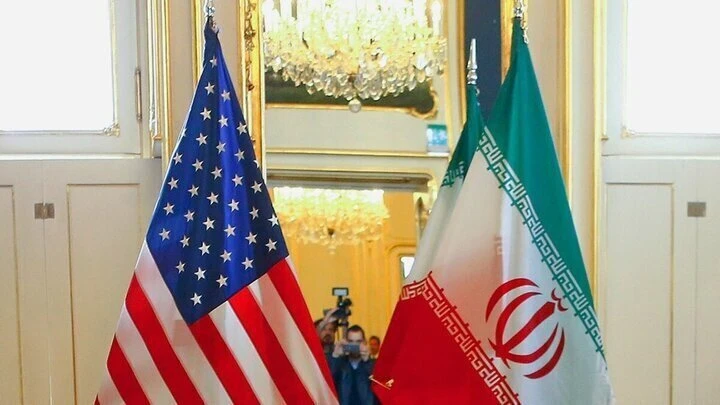
In discussions in South Africa, Saudi Arabia and Israel in recent days, America has figured above all in two guises: as a state capable of changing the military balance in the Middle East at any moment, and as an increasingly unpredictable partner whose domestic political calculations directly shape its foreign policy. The most fraught issue is the possibility of renewed US strikes on Iran after Donald Trump again raised the prospect of military action in early 2027. But behind this debate lies a broader question: are countries in the region and the Global South prepared to build their security and economic strategies around Washington when it acts in short, transactional and often conspicuously unilateral bursts?
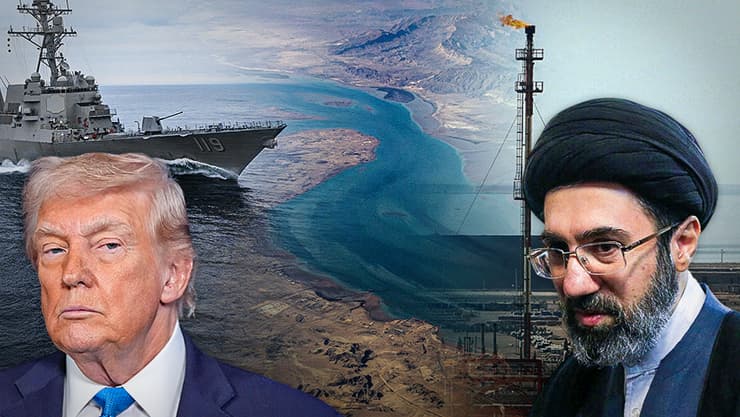
In Israel, American uncertainty is read almost exclusively through the lens of the Iranian threat. Local commentators do not see a delay in a strike as a de-escalation; to them, it is a pause during which Tehran, Israel and the US are preparing for the next round. Military commentator Ron Ben-Yishai writes in an analysis for Ynet that Iran may try to send an oil convoy through the Strait of Hormuz, effectively testing whether the US Navy is prepared to enforce the blockade. In this view, Hormuz is not just a route for oil supplies but a test of the White House’s political will: will Trump back down in the face of the risk of higher fuel prices and another protracted war, or prove that his threats carry military weight?
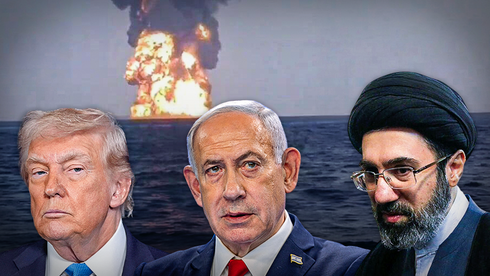
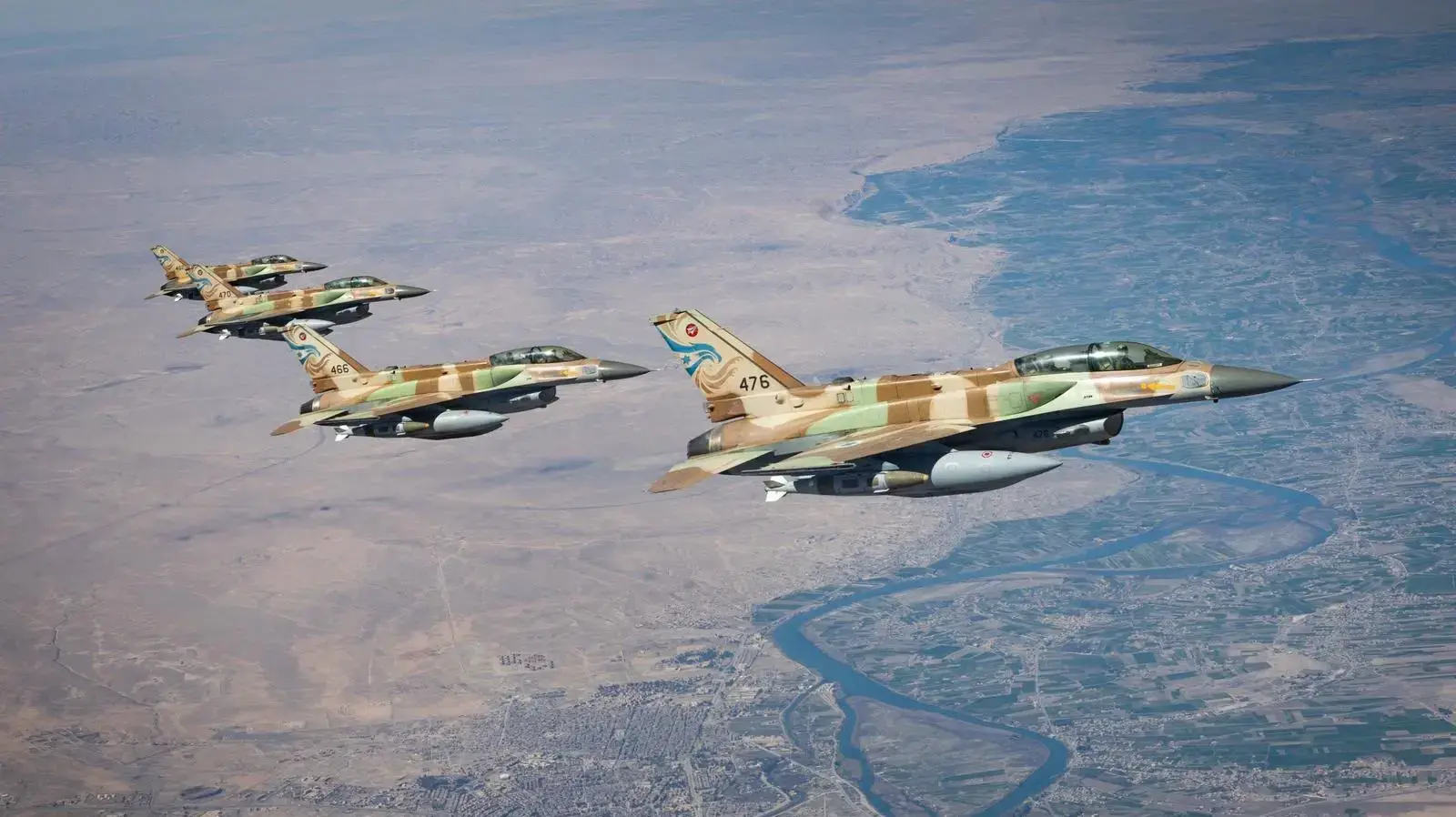
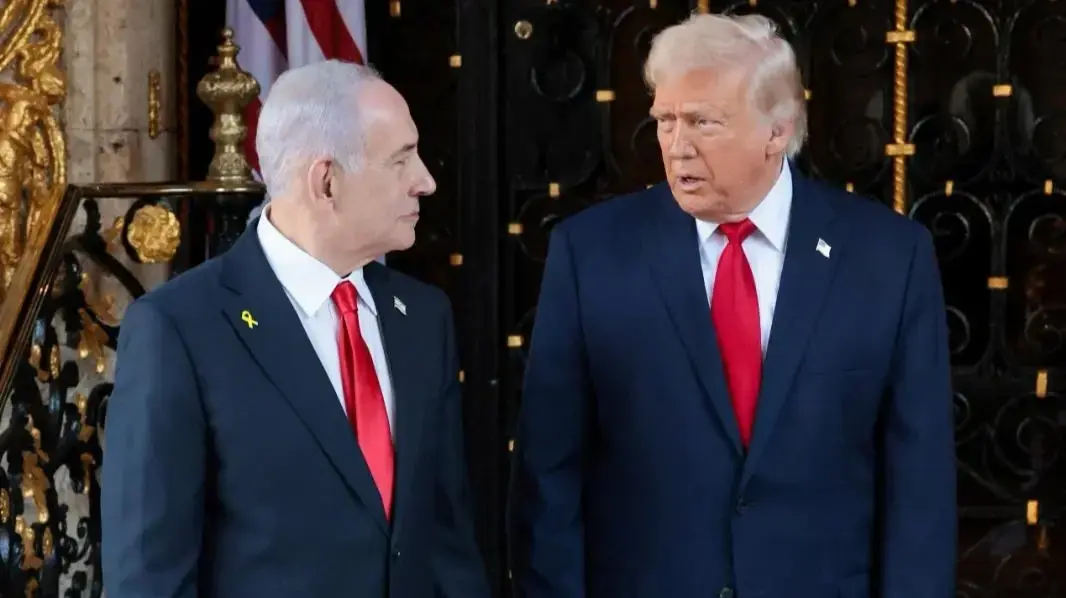
Even more telling is Israeli concern that US decisions are increasingly being shaped by domestic political considerations. An article in Ynet on a possible strike on Iran highlights divisions within Trump’s circle: Benjamin Netanyahu is pressing for a swift, broad joint operation, while some US advisers question whether a new war is justified. Israeli writers focus not on the moral dimension of this dilemma but on its practical implications: if a decision is postponed until the political situation in Washington changes, Israel will remain on high alert without knowing whether America will be an ally in combat, a broker of a deal or a force constraining Israel’s freedom of action. According to Walla, the Israeli military is already considering the need to accelerate purchases and approvals with the US before the end of December—a sign of how short a window of predictability in American policy appears to be.
Saudi Arabia’s response to the same American dilemma is different. Riyadh is less concerned that Washington may not be tough enough on Iran than that a new US-Israeli operation could widen the war and bring its costs directly to the Arabian Peninsula in the form of Houthi strikes and threats to ports, energy infrastructure and shipping. The Saudi press is increasingly clear in its position: pressure on Iran is necessary, but a new major war must not become the only response.
In a column for Saudi Gazette/Arab News, Abdulaziz Aluwaisheg, assistant secretary-general of the Gulf Cooperation Council, urges Gulf states to take a more active role in diplomacy between Washington and Tehran. His argument is especially important: regional security cannot be left entirely to US-Iranian bargaining, because Gulf states are the first to pay the price when negotiations collapse. This is not an anti-American stance but a demand for agency: the US remains an essential military power, but the region does not want to serve merely as a platform for American coercion of Iran.
This theme is expressed more sharply in the Saudi newspaper Al Jazirah. In an article, commentator Sobhi Shabbana describes the contradiction in Trump’s policy: the president speaks of ending the war while keeping the option of new strikes open, says an agreement with Tehran is not essential, yet supports diplomatic channels. In effect, the author sees an attempt to preserve “freedom to escalate” without paying the political and economic price of an open war. His conclusion extends beyond Iran: Arab states must take part in shaping the regional order themselves, rather than choosing between American hegemony, Iranian influence and Israeli military logic. The phrase “ضرورة امتلاك القرار العربي” (“the need for Arab states to own their political decisions”) reflects Saudi Arabia’s growing desire for an independent security architecture.
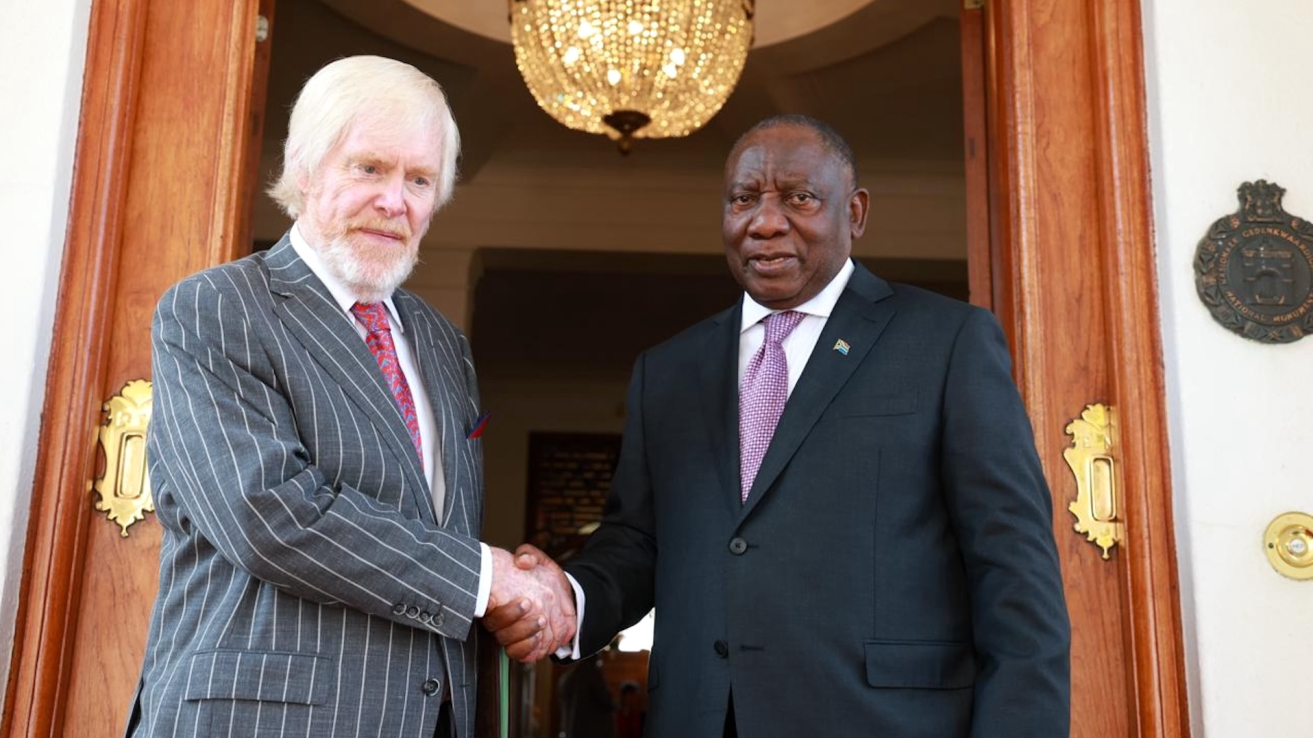
South Africa looks at America from the other side of the map but reaches a similar conclusion about the unreliability of US leadership in multilateral affairs. Here, the main issue is no longer Iran but Pretoria’s conflict with the Trump administration over the country’s participation in the G20, trade and political accusations. In an ISS Africa analysis, analysts noted that South Africa had become a convenient symbolic “bad deal” for the White House: it could be publicly criticized over land policy, its BRICS ties and disagreements over Israel, turning complex bilateral relations into an ideological conflict.
This criticism now has tangible consequences. The US decision to exclude South Africa from the AGOA trade-preference program sent a signal that political disagreements with Washington could quickly become a threat to exports and jobs. Against this backdrop, the South African legal publication Legalbrief describes US pressure surrounding the G20 as an attempt to undermine Pretoria’s international standing. In the publication’s coverage, local commentators link the pressure not only to economic issues but also to a campaign built around the false narrative of a “white farmer genocide.” For South Africa, this is fundamental: its dispute with the US is seen as a dispute over who has the right to determine the legitimacy of its domestic policies and its place in Global South institutions.
What the three responses have in common is not a shared attitude toward Trump. Israel still wants American power, but fears it may prove inconsistent. Saudi Arabia wants the US to deter Iran, but does not want that to lead to war on its territory and derail its economic agenda. South Africa does not expect military protection from the US, but is increasingly feeling the cost of America’s willingness to use trade and international institutions as tools of political punishment.
That is why the most unexpected shared theme in local debates is neither familiar anti-Americanism nor an unconditional bet on America, but a desire to hedge against its decisions. In Jerusalem, this means speeding up preparations for a scenario in which Washington changes its mind. In Riyadh, it means trying to strengthen its own mediation efforts and regional defenses. In Pretoria, it means seeking alternative trade and diplomatic partners. America remains a central power for all three countries, but its centrality increasingly no longer means trust.