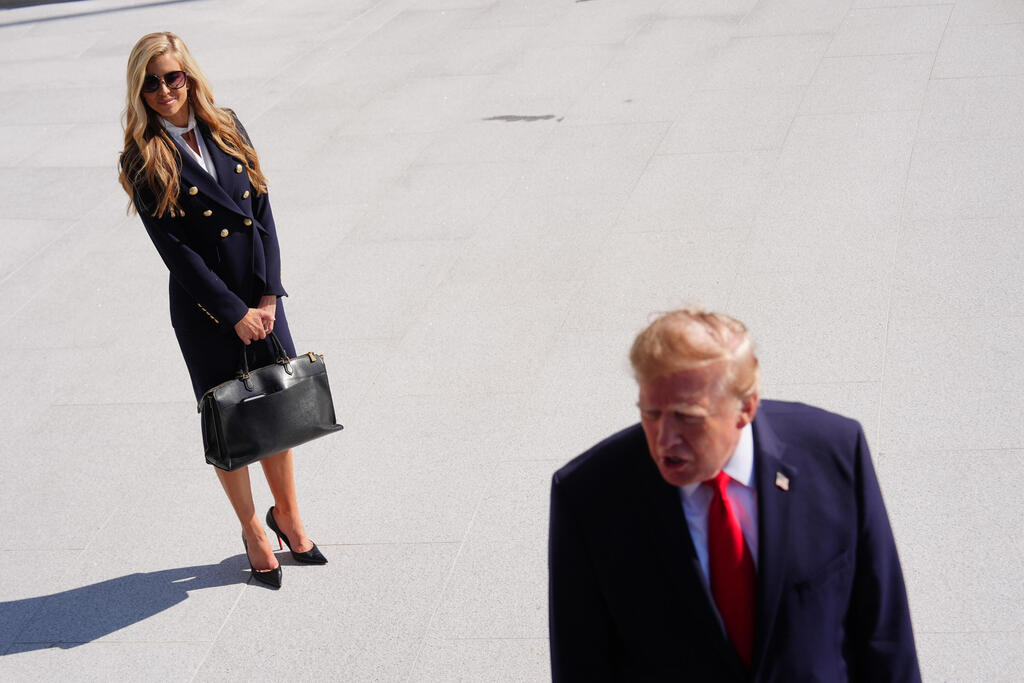
Two days before the US midterm elections scheduled for November 3, American politics is being discussed in Australia, Brazil and Israel not as a distant domestic drama, but as a factor that could alter their own economic and strategic calculations. The focus of local reactions is not so much the partisan arithmetic in Washington as the question of how predictable Donald Trump will remain if his Republicans lose control of at least one chamber of Congress. The war with Iran, tariffs and the US president’s direct interference in the politics of allies combine in these three countries to create a single picture: America remains an exceptionally powerful country, but its allies and partners increasingly see that power as a source of risk.
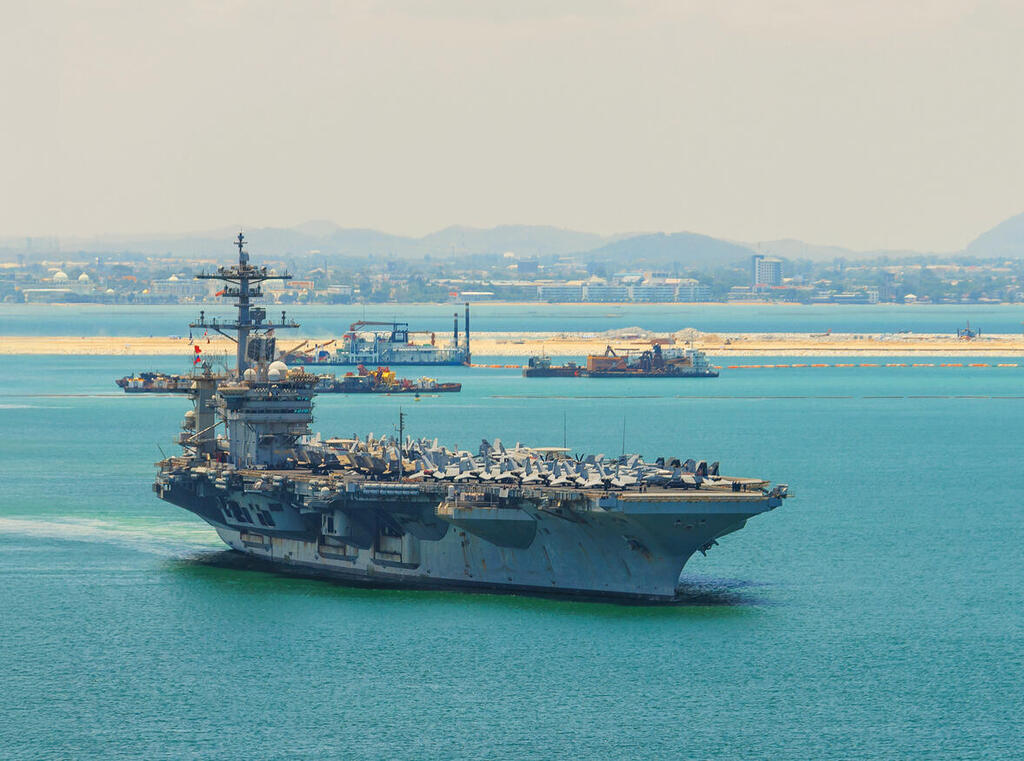
In Australia, the main concern is that American unpredictability is hitting both security and the cost of living. In an ABC analysis, Laura Tingle writes that over the past year and a half, the central theme of world politics has been the unreliability of the US as an ally—or, more precisely, the price of such an alliance. For Canberra, this is almost an existential question: the AUKUS agreement is intended to give Australia nuclear-powered submarines and technologies critical to deterring China in the Indo-Pacific. But if the White House revises its priorities again, Australia risks being left with costly commitments and no promised strategic insurance.
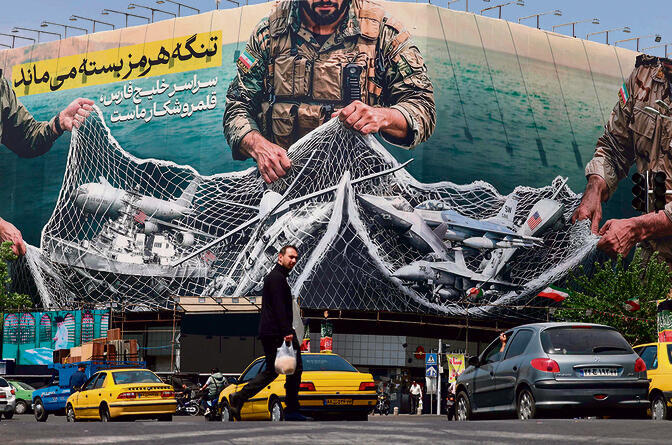
The Australian press links this concern to the US-Israeli war against Iran. ABC economics commentator Alan Kohler notes in a September analysis that the war and Trump’s tariffs are creating short-term supply-side inflation shocks: fuel, shipping and everyday goods are becoming more expensive. The local pragmatism is especially clear here. Australia is a formal US ally, but public debate shows less and less willingness to automatically follow Washington. Canberra does not want to abandon the alliance, but is trying to avoid being drawn into the offensive phase of the war. ABC previously emphasized that Australia had provided intelligence and defensive support while officially avoiding a role as a combatant; at the same time, many Australians already see the conflict not as the defense of an ally, but as a politically and economically toxic American war. (abc.net.au)
Brazil’s reaction is much sharper in political tone, but more measured in its assessment of immediate risks. In Brazil, Trump is seen above all as a president who uses trade, sanctions and ideological pressure to interfere in Latin American affairs. In a column for Folha de S.Paulo, Adam Goldsmith, a former US Treasury financial attaché for South America, described the relationship between the two countries in paradoxical terms: its “low significance” to both sides protects Brazil, but also deprives it of opportunities. He recalls the 50 percent US tariffs on Brazilian exports, measures under Section 301, sanctions against Supreme Court Justice Alexandre de Moraes and visa restrictions on members of Brazil’s judiciary. His conclusion is important: a hostile US administration can make life difficult for Lula, but cannot easily dictate Brazil’s political course.
For Brazilian commentators, therefore, the congressional elections are not simply a chance to weaken Trump, but a test of the resilience of the US system itself in the face of presidential pressure. Journalist Lucia Guimaraes, who has worked in New York for many years, predicts in a recent Folha column that the Democrats will regain control of the House of Representatives, calling the vote an effective verdict on the president. Brazil’s interest here is not simply a matter of favoring one party. For Brasília, Democratic control of the House would mean more institutional constraints on the White House’s use of sanctions and tariffs as tools of diplomacy. The war with Iran reinforces this impression: in Igor Gielow’s analysis, Trump’s policy is described as a contradiction between a desire to leave the Middle East and the interventionism with which Washington is trying to impose its will on the region. For a Brazilian audience, this looks not like an exception, but like a familiar pattern of American behavior.
Israel sees the same elections quite differently: here, Trump’s weakening raises not so much hope that the US will be restrained as concern that a uniquely favorable political window could close. Israeli analysts openly link policy toward Iran to the US domestic political calendar. In a Ynet commentary, military correspondent Ron Ben-Yishai concludes that Israel and the US understand the limitations of airstrikes: they can weaken Iran, but cannot guarantee either the collapse of the regime or the long-term destruction of its nuclear and missile programs. Hence the focus on a naval blockade, economic attrition and postponing major decisions until after the US vote.
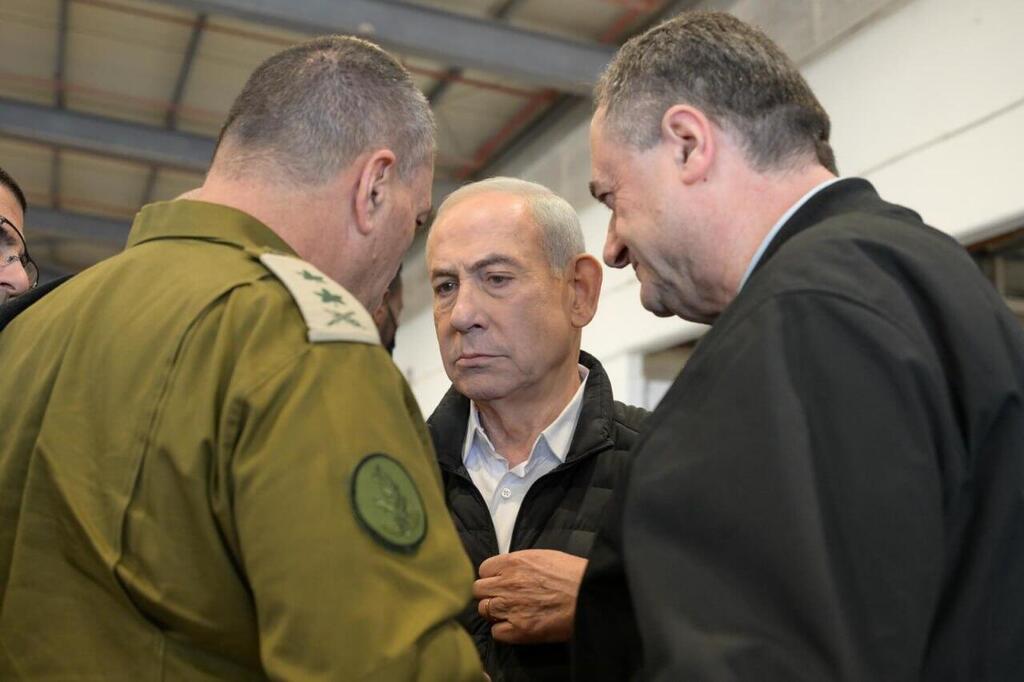
This creates an unusual dependency: Israel’s strategy toward Iran is tied not only to assessments by the Israeli General Staff, but also to whether Trump retains room to maneuver after November 3. Ben-Yishai notes that if the Republicans lose Congress, a prolonged military operation would become much more politically difficult for Trump. (ynet.co.il) In Israel, this is seen not as an abstract constitutional procedure, but as a possible narrowing of the window for addressing the country’s main national security threat.
Israel’s reaction to Trump’s direct involvement in the country’s domestic politics has been even more painful. His support for Benjamin Netanyahu during the recent election campaign drew gratitude from the right, but also raised concern about Israel’s dependence on the personal preferences of the US president. Former IDF chief of staff and politician Gadi Eisenkot responded to the interference with the phrase, “Israeli citizens will decide,” as reported by Calcalist. And in a scathing Ynet commentary, Trump’s interference was called unprecedentedly open and crude for a strategic ally. The paradox of Israel’s perspective is that the country needs Trump—for Iran, military aid and diplomatic support—while finding it increasingly difficult to ignore the price of such personalized dependence.
These three very different countries thus arrive at one conclusion. Australia fears that the US alliance will become unreliable and costly; Brazil wants US institutions to constrain the use of power and tariffs as instruments of pressure; Israel fears that Trump’s domestic weakening will narrow the scope for action against Iran, even as his excessive influence is already intruding into Israeli democracy. America remains at the center of their attention not because its leadership is beyond question, but because it has become impossible to predict.