In German, French and Brazilian discussions of the United States in late October 2026, no single story dominates. Instead, there is a shared sense that Donald Trump’s American policy has become both more forceful and less predictable. The US war with Iran, trade pressure and the transformation of alliances into subjects of constant bargaining are seen not as separate episodes but as manifestations of a single pattern. Washington demands loyalty, wields economic leverage and increasingly shifts the consequences of its own decisions onto its partners—from Europe to Latin America. Meanwhile, with the US midterm elections approaching on November 3, foreign policy takes on another dimension: observers abroad are watching more closely to see whether the president’s domestic political weakness is driving his increasingly hard-line stance internationally.
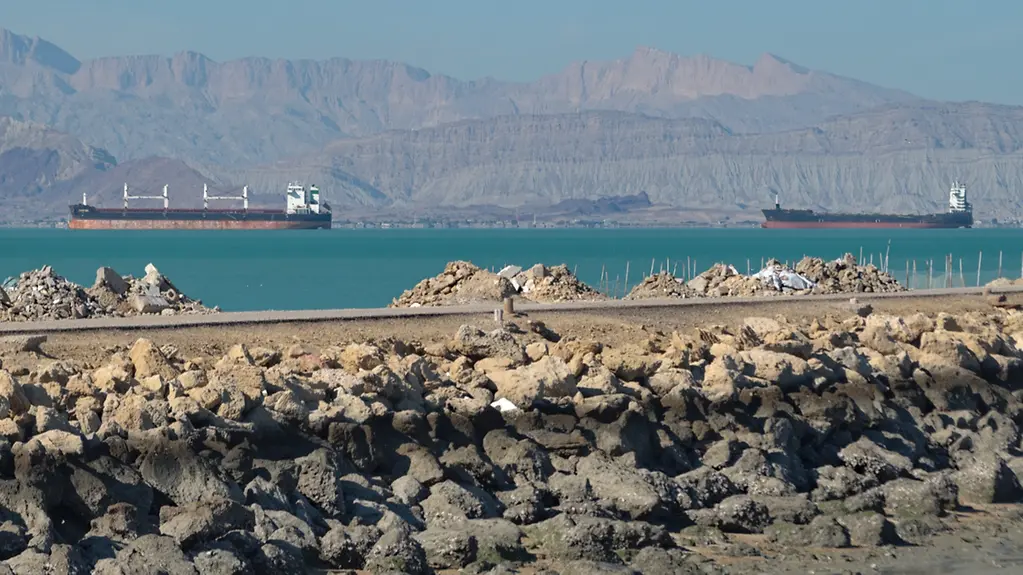
Iran remains the most alarming issue. In Germany, it is seen primarily as a story of American strategic miscalculation, for which Europe is also paying the price. ARD commentator Carsten Küntopp put it bluntly in a Tagesschau article: “Trump hat Amerikas Macht verspielt” [“Trump has squandered America’s power”]. His argument goes beyond criticizing the military operation: the closure or threatened closure of the Strait of Hormuz, attacks on Iran’s neighbors and turbulence in energy markets have exposed the limits of American power. This is particularly painful for German observers because Europe depends on the security provided by the United States while also being vulnerable to the consequences of America’s decision to start a war.
Official Berlin is choosing its words far more cautiously, but that caution itself speaks to the scale of its concern. Chancellor Friedrich Merz said there must be “eine belastbare und dauerhafte Vereinbarung mit dem Iran” [“a reliable and lasting agreement with Iran”], adding that negotiations offer the best chance of achieving lasting stability. Germany is prepared to take part in a process aimed at ending the conflict and ensuring the safety of shipping in the Strait of Hormuz. (bundesregierung.de) Behind the diplomatic language lies a practical calculation: Berlin does not want European industry, consumers and military infrastructure once again held hostage by a war whose objectives are set in Washington but whose costs are shared by its allies.
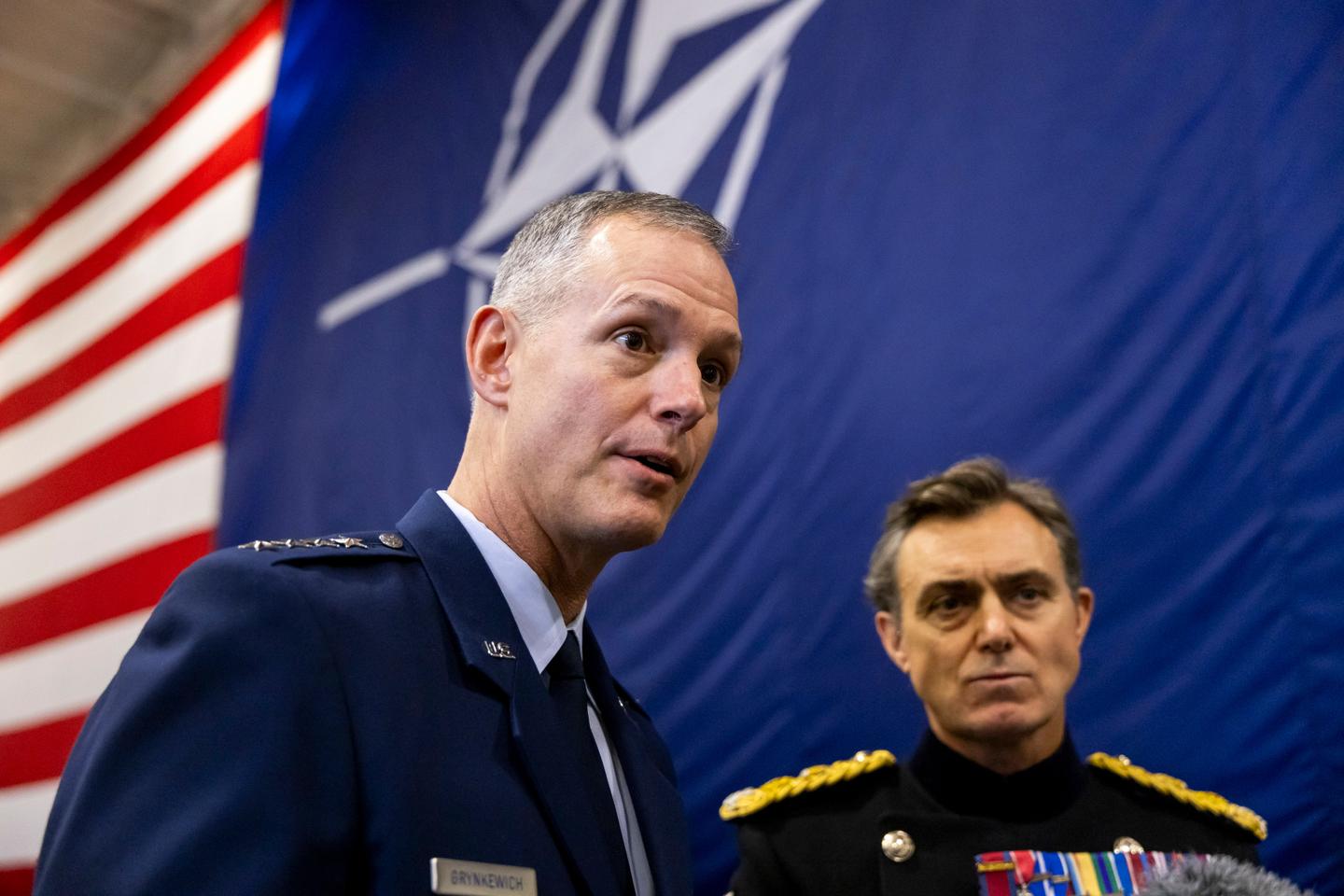
In France, the irritation is more visibly tied to the question of Europe’s political autonomy. The Paris press sees the current American line as making two demands at once: Europeans must increase defense spending and take on more risks, while their independence is simultaneously constrained. A Le Monde investigation describes how the Pentagon effectively tested NATO allies for political loyalty to Trump’s policies in Europe and the Middle East. One of the newspaper’s sources called it a classic American move that, under MAGA [“Make America Great Again”] ideology, had “monté d’un cran” [“gone up a notch”]. (lemonde.fr) The French criticism here is not simply anti-Americanism. It stems from the view that an alliance in which protection depends on publicly endorsing the White House’s position looks less and less like an equal partnership.
Brazil’s response to the war in Iran is different, but no less skeptical. The main question there is not NATO’s future, but the cost of America’s use of force for the Global South: oil, food, shipping and domestic inflation. An editorial in Folha de S.Paulo accuses Trump of leading the world into a “guerra sem fim” [“endless war”] by rejecting Iran’s proposal. The conflict is already undermining both the US economy and the Republicans’ prospects in the elections. (www1.folha.uol.com.br) This is not just the editorial board’s position. A Datafolha poll found that 70% of Brazilians oppose US-Israeli strikes on Iran, while 87% expect the war to affect Brazil’s economy. (datafolha.folha.uol.com.br) In Brazil, a distant war is not seen as abstract geopolitics but as a risk that everyday life will become more expensive.
The second common thread in the debate is tariffs. But Germany, France and Brazil view them from different points on the map. In Berlin, the United States remains a critically important market, so the 6.3% drop in German exports to the US in August was seen not as routine monthly data but as a warning sign for the country’s export-driven economic model. (bundeswirtschaftsministerium.de) French commentators emphasize a different problem: even an agreement with Washington cannot guarantee predictability. After the US threatened to raise tariffs again in response to the European Union’s fine against Google, diplomatic sources told Le Monde that Europe had almost grown accustomed to sudden White House announcements—to a “calme presque inquiétant” [“almost unsettling calm”] about whatever comes out of Washington. The Le Monde article points to an important shift: in France, Trump is increasingly seen as someone with whom it is impossible to make a deal once and consider the matter settled. (lemonde.fr)
For Brazil, tariffs have a much more direct, almost sovereign character. Measures introduced by the United States in July included an additional 25% tariff on a range of Brazilian goods, plus another 12.5% under an investigation into forced labor. According to the Brazilian government, the new measures affected 23.1% of the country’s exports to the US. (agenciagov.ebc.com.br) Brasília is challenging these measures at the World Trade Organization, arguing that Washington has violated international trade rules. (www-server1.wto.org) The main conclusion in local analysis is paradoxical: US pressure may not force Brazil to make concessions, but it could well accelerate the country’s economic rapprochement with China. An analysis by China Brazil Insight cites figures showing that from January to September, Brazil’s trade with the US fell by 6.8%, while trade with China grew by 11.1%. (chinabrazilinsight.com) In Brazil, the American attempt to protect its own market is thus seen as a gift to Chinese influence—especially in the agricultural and commodities sectors.
Finally, all three countries are discussing the US midterm elections as a referendum not only on Trump, but also on America’s ability to restrain its own drive toward confrontation. In France, a Le Monde editorial calls the vote a test for American democracy, linking it to the presidency’s authoritarian drift, weakened political parties and the redrawing of electoral districts. (lemonde.fr) In Germany, Der Spiegel describes the campaign as a vote on a “gebrochenes Versprechen” [“broken promise”]: voters are frustrated by the high cost of living, the war with Iran and the failure of health insurance policy. (spiegel.de) In Brazil, attention to the US campaign is also tied to the war and tariffs: Folha notes that some Republican candidates are trying to distance themselves from the president precisely on these issues. (www1.folha.uol.com.br)
The main, unexpected conclusion from these national responses is that the United States is no longer assessed separately as a military power, trading partner and leader of the Western alliance. In Germany, the American war calls the reliability of security guarantees into question; in France, it turns NATO into an arena of political pressure; in Brazil, trade pressure and the use of force fuel the desire to diversify ties and avoid dependence on a single center of power. Iran, tariffs and elections combine into a single picture: countries still have to take American power into account, but are increasingly reluctant to assume that American leadership is automatically beneficial or sustainable.