
By September 14, 2026, discussions about the United States in South Korea, Brazil and Ukraine revolve not around a single news story, but around a sense that Washington has simultaneously become the main generator of geopolitical instability, financial pressure and unpredictable diplomacy. In Seoul, particular attention is focused on how the U.S.-Iran war and possible tariffs are affecting the industrial economy. In Brazil, the United States is discussed primarily through the price of oil, the exchange rate of the dollar and yields on U.S. government debt. In Ukraine, meanwhile, American activity is viewed through a much more existential lens: is peaceful diplomacy possible if the mediator is seeking a quick deal while Russia continues the war?
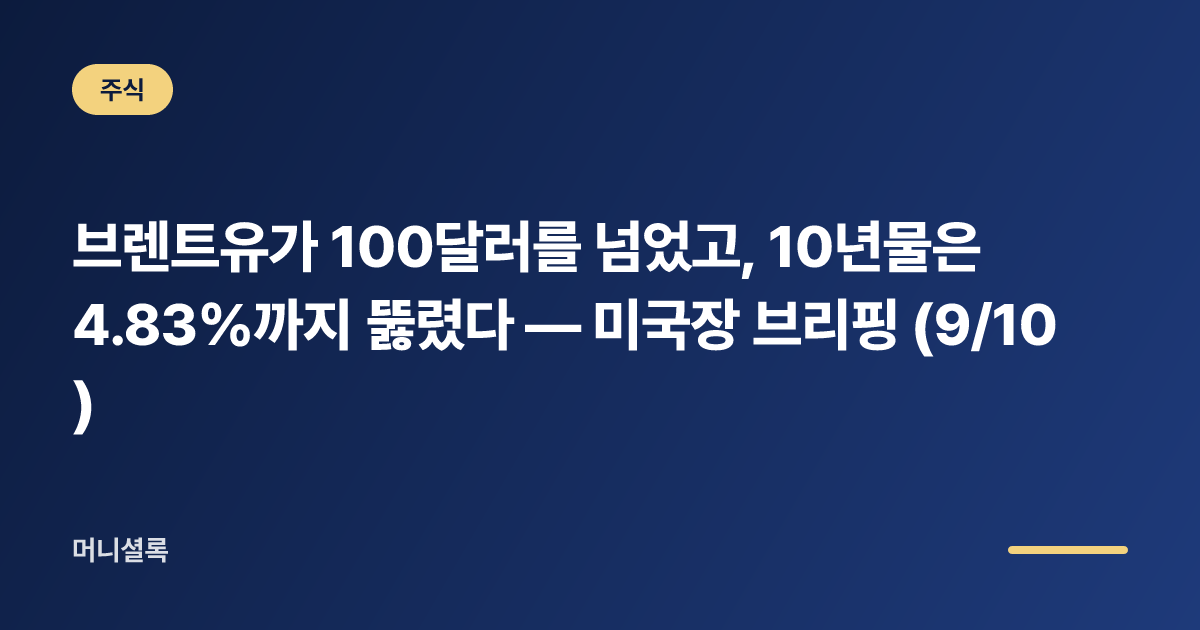
The broadest common theme is the impact of the American conflict with Iran. For Brazil, this is not an abstract Middle Eastern war, but a contradictory economic shock. Brent crude rising above $100 initially appears beneficial for an oil exporter and for Petrobras, but almost immediately turns into pressure on the real, inflation expectations and Brazilian interest rates. In a Folha de S.Paulo analysis, Avenue strategist Fernando Saad Bernardes captures this duality particularly well: Brazil benefits from improved terms of trade as a result of expensive oil, but the market nevertheless begins viewing the country more cautiously. In other words, oil revenues do not eliminate capital flight from risk when a war involving the United States makes dollar financing more expensive and threatens another surge in global inflation.
Brazil’s response is notable for its pragmatism. There is less debate about whether the United States is right in its confrontation with Iran, and more about how the American decision is translating into more expensive loans and a weaker national currency. In the same Folha article, Nomad strategist Rebecca Nossig links market nervousness to the combination of geopolitical and inflationary risks: expensive oil reduces appetite for emerging-market assets while simultaneously pushing up yields on U.S. Treasuries. For Brazil, this is an extremely sensitive combination: the export benefit from commodities may accrue to large oil companies, while the costs transmitted through the exchange rate and interest rates spread across the entire economy.
In South Korea, the same crisis is interpreted far more darkly. The country depends on imported energy resources and has an industrial model for which a spike in oil prices is not a bonus but a direct blow to production costs, transportation and consumer prices. A Kiwoom Securities review emphasizes that nearly 69% of South Korea’s crude-oil imports come from the Middle East; consequently, the blockade—or threat of a blockade—of the Strait of Hormuz automatically becomes a risk-off factor for the Korean market. This figure explains why Seoul views the American military campaign not only as a U.S. ally, but also as a vulnerable Asian economy forced to pay for instability in a vital maritime corridor.
Korean discussions also reveal irritation that American policy is simultaneously creating an energy shock and driving up global yields. A Korean market review describes the situation after Brent exceeded $100 as a moment when even the White House acknowledged the risk of not merely a brief spike, but several months of expensive oil. For Seoul, this means a double threat: rising energy-import costs and pressure from high U.S. yields, which could draw capital away from Asian markets. Brazil and South Korea agree on the diagnosis—the United States’ foreign policy has become a market factor on a global scale—but differ in the consequences: Brazil receives commodity revenues, while Korea receives the energy bill.
The second overarching theme is declining confidence in U.S. financial management. In Brazil, this is discussed particularly openly. Folha reports that the U.S. Treasury’s attempt to buy back part of the national debt fell short of market expectations and failed to halt the rise in yields. Amundi investment director Vincent Mortier called the scale of the intervention insufficient to resolve the broader problem, while Bank of America strategist Mark Cabana saw the authorities’ attempt to act with minimal means as carrying the risk of sending a counterproductive signal to markets. In Brazil’s reading, this is no longer a technical Wall Street story: when U.S. debt policy appears nervous, emerging markets immediately pay a risk premium.
South Korean financial commentators view this in a similar way, but with a different concern. They are worried not only about the cost of money, but also about the divergence between Washington’s political logic and the logic of independent monetary policy. In a weekly Korean gold-market analysis, rising U.S. yields are described as the main factor suppressing demand for gold even amid war and expensive oil. The significance of this observation extends beyond gold itself: the market has stopped automatically treating geopolitics as a reason to move into traditional safe-haven assets because the yield on U.S. debt has itself become too high and too important a variable. For Korean investors, this means living in a world where the United States is simultaneously a military ally, the center of the financial system and a source of its instability.
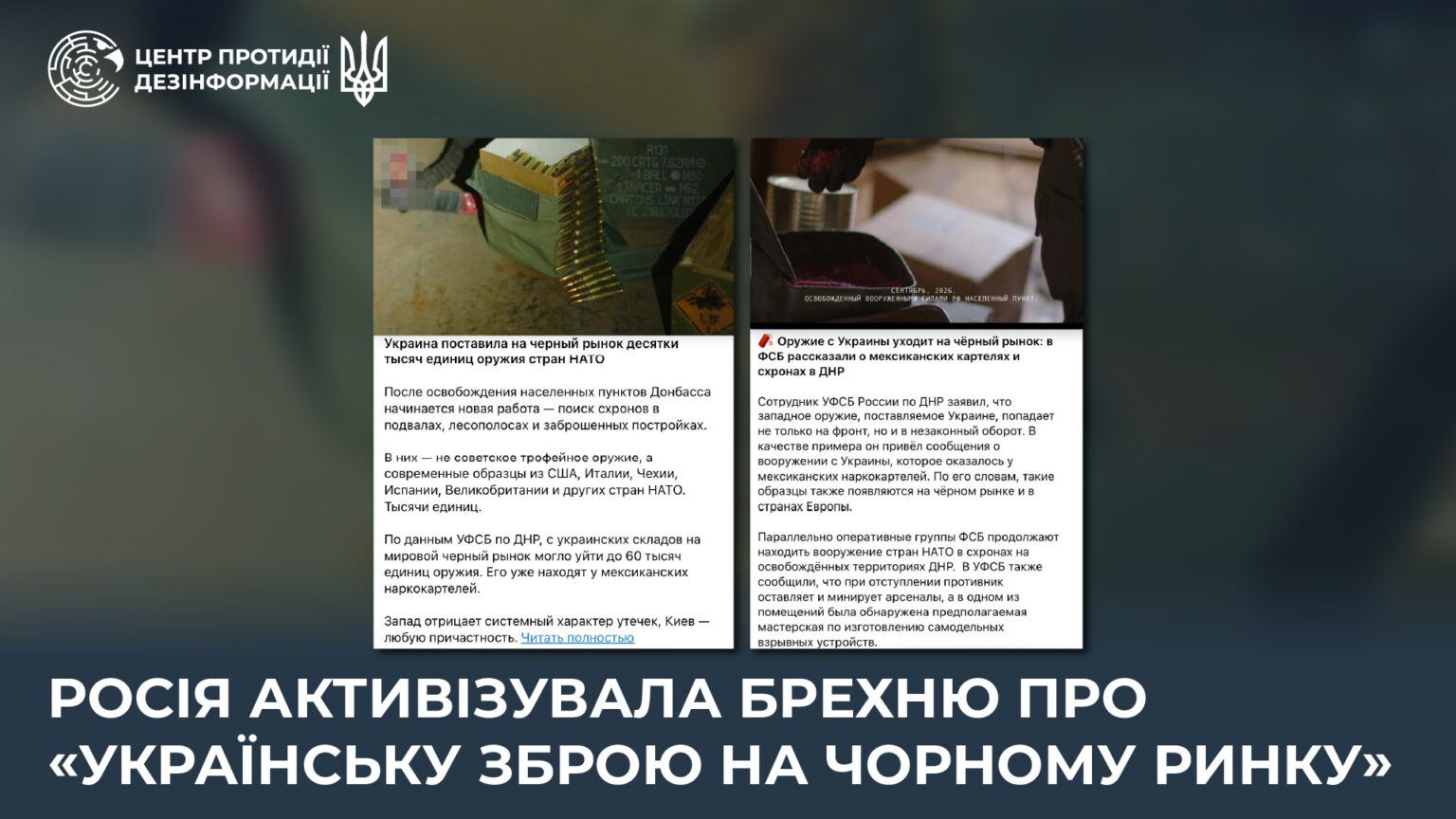
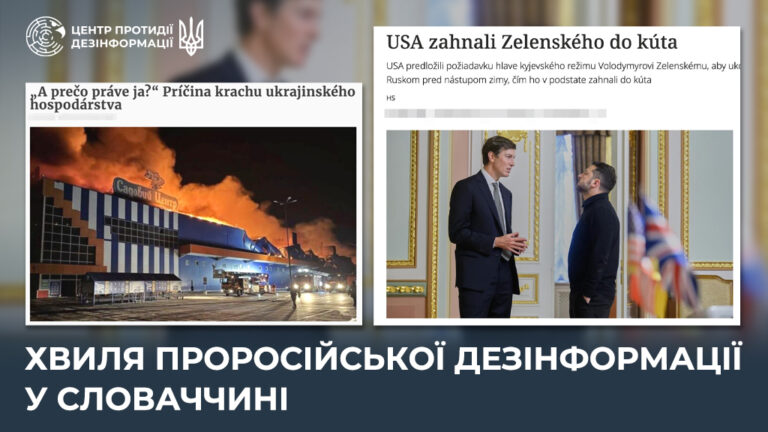
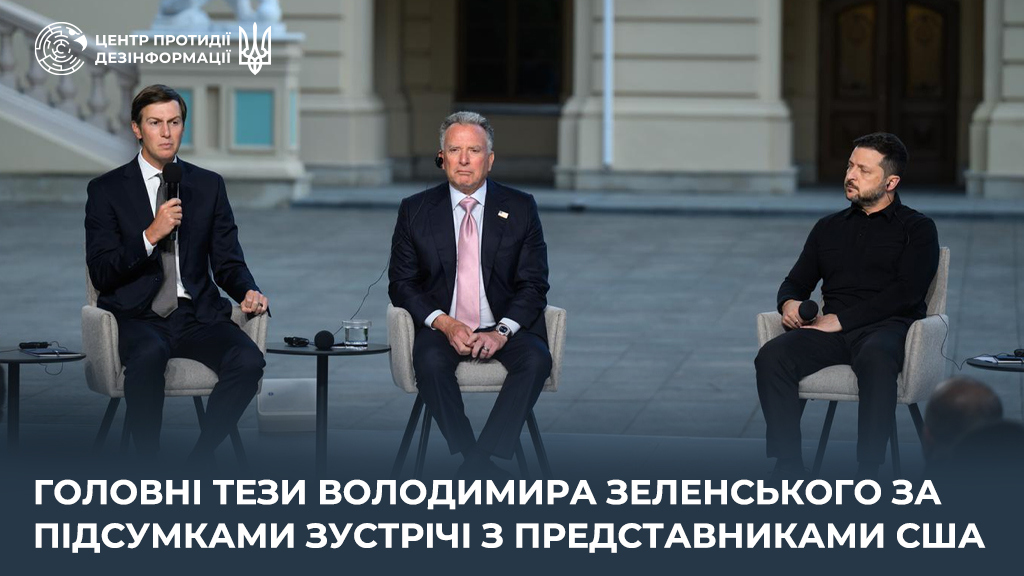
The third—and the main one for Ukraine—line of debate concerns the return of American diplomacy to negotiations with Moscow and Kyiv. Ukrainian audiences greeted Steve Witkoff and Jared Kushner’s trips to Moscow on September 5 and Kyiv on September 6 without their previous automatic optimism. After the meeting, President Volodymyr Zelenskyy said Ukraine was counting on a “winter package” including air defense, energy support and American LNG, and warned that without a strong position on the battlefield, there could be only ultimatums rather than genuine diplomacy. These points were compiled by the Center for Countering Disinformation under Ukraine’s National Security and Defense Council.
This is where the Ukrainian perspective differs most sharply from the Brazilian and South Korean ones. For Brazil and South Korea, Washington creates risk primarily through oil, the dollar and trade barriers; for Ukraine, American inconsistency could determine the country’s physical security during the winter. In a Slovo i Dilo column, analyst Oleksandr Radchuk sees Witkoff and Kushner’s approach as a “transactional” model in which negotiations are built around what Russia, Ukraine and the world will receive. But this is precisely where the danger lies for Ukrainian public debate: under such a framework, Russia’s “benefit” may mean not a compromise, but a reward for seizing territory.
Ukrainians are not rejecting American mediation—on the contrary, Kyiv officially thanks the United States for resuming the negotiating process. However, trust depends on testing diplomatic statements against military reality. After the visits by American representatives, Russia continued its massive attacks, strengthening skepticism about hopes for a quick peace. Hromadske separately recorded concern over Donald Trump’s statements about plans to demand that Europe pay for American aid to Ukraine provided under Joe Biden. From the Ukrainian perspective, this is not merely a budget dispute: allied support is increasingly turning into a bargaining chip.
Against this backdrop, the South Korean semiconductor story is particularly revealing. On September 4, Industry Minister Kim Jung-kwan said Seoul continued discussing possible tariffs on chips with the United States, based on Washington’s promised principle of “no less favorable treatment” than that offered to competitors. In a Yonhap report, the minister emphasized that Korea expected the spirit of previous agreements to be respected. This is a diplomatically cautious formula, but behind it lies strong local anxiety: America, on which Seoul depends for security and technology, could simultaneously become a regulatory risk for South Korean exports.
This Korean tone may be the most important unexpected conclusion from the current reactions. In Seoul, the United States is viewed neither as an unequivocal protector nor as an unequivocal threat. Washington is an indispensable partner that, in the same month, can promise fair access for Korean chips, seek Korean investment and create an oil shock undermining the competitiveness of Korean industry. In Brazil, similar ambivalence appears in financial form: expensive oil is beneficial, but the American war and U.S. government debt make that benefit unreliable. In Ukraine, it takes on a tragic dimension: the United States remains a critically important partner, but its desire for a quick deal raises fears that the price of “peace” will be demanded from the victim of aggression.
The international view of America today can be reduced to one formula: the United States still possesses an exceptional ability to set the agenda, but fewer and fewer countries are confident that American power automatically brings them stability. South Korea fears the bill for oil and tariffs, Brazil fears the bill for the dollar and Treasury yields, and Ukraine fears the bill for a diplomatic compromise. In all three cases, the local response is not simply anti-American. Rather, it points to a new pragmatism: an alliance, a market relationship and mediation with the United States are now viewed not as guarantees, but as relationships in which the cost of dependence must be assessed constantly.




![Industry Minister Kim Jung-kwan (Washington = Yonhap News) Correspondent Baek Na-ri: Industry and Trade Minister Kim Jung-kwan answers questions from reporters in Washington, D.C., on September 3 (local time). 2026.9.4. nari@yna.co.kr [Resale and database use prohibited]](https://img8.yna.co.kr/etc/inner/KR/2026/09/04/AKR20260904006600071_01_i_P4.jpg)
![U.S. investment declaration ceremony hosted by the Ministry of Trade, Industry and Energy and KOTRA (Washington = Yonhap News) Correspondent Baek Na-ri: Industry and Trade Minister Kim Jung-kwan poses for a photograph at a U.S. corporate investment declaration ceremony held in Washington, D.C., on September 3 (local time). 2026.9.4. nari@yna.co.kr [Resale and database use prohibited]](https://img7.yna.co.kr/etc/inner/KR/2026/09/04/AKR20260904006600071_02_i_P4.jpg)