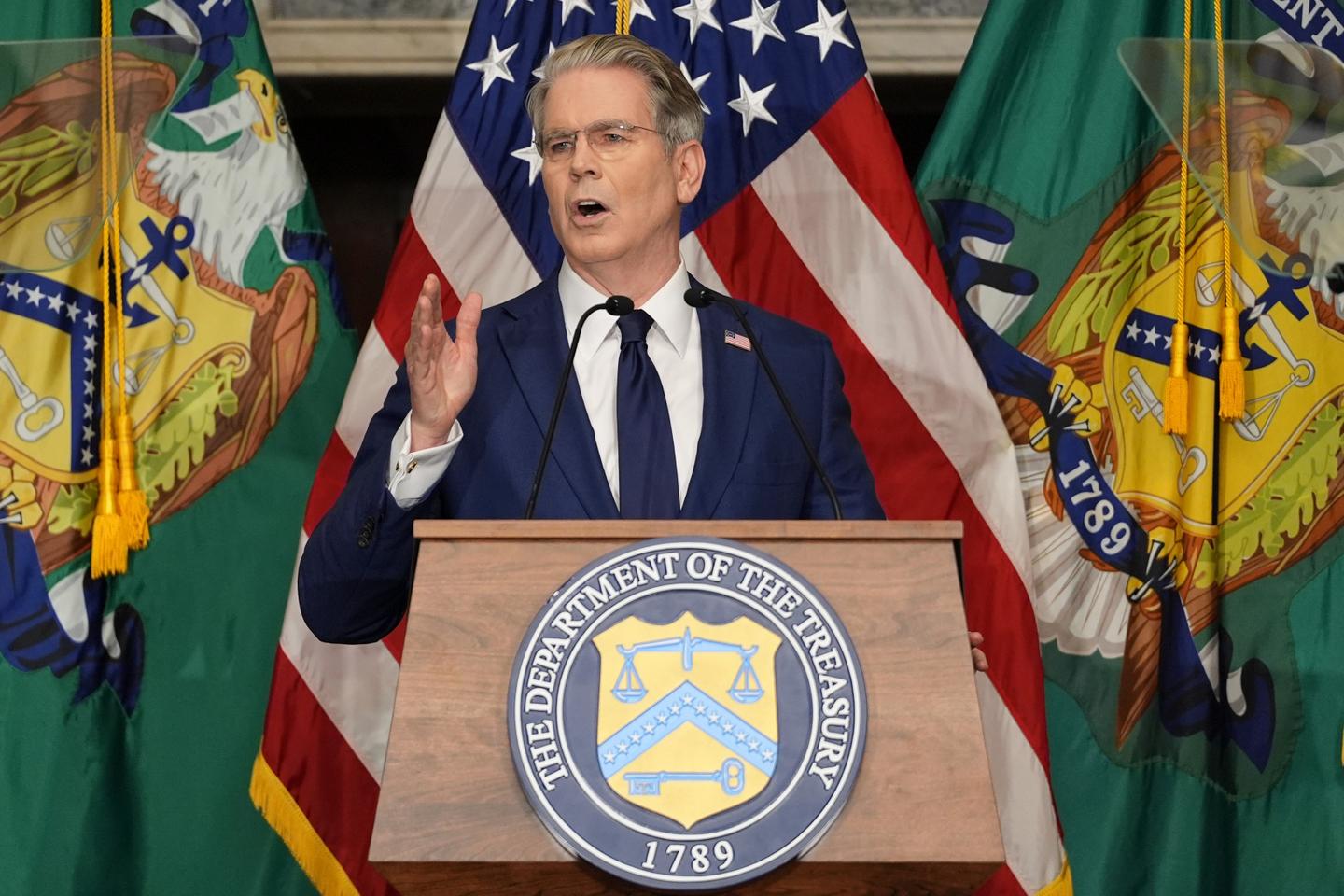
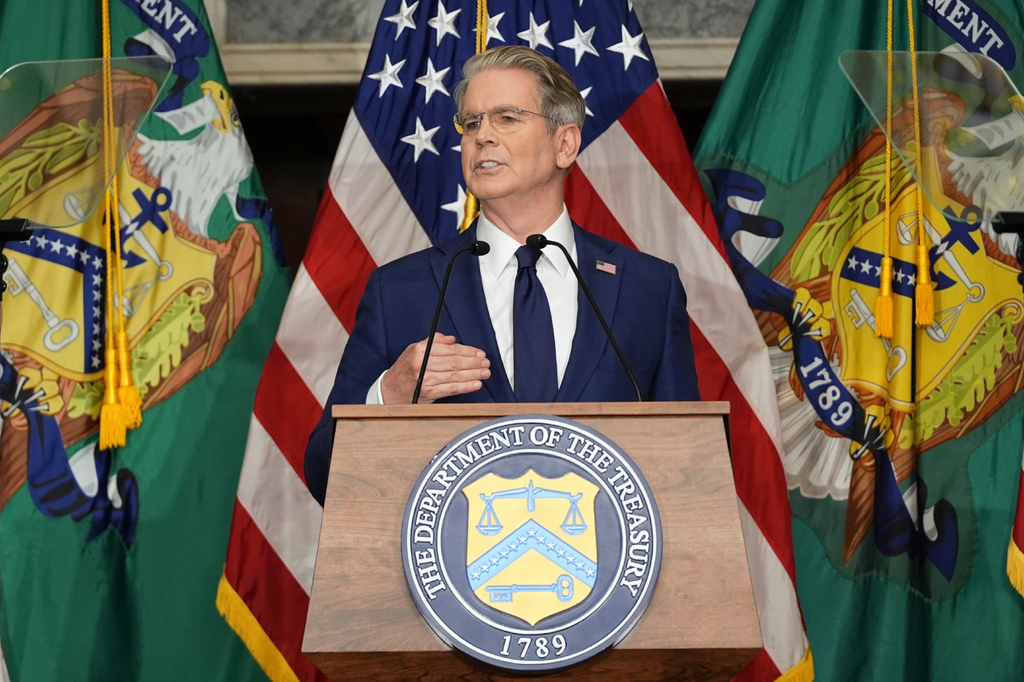
In recent days, the United States has prompted India, France and Japan not so much to engage in the familiar debate over Donald Trump’s foreign policy as to worry about America’s ability to turn its own crises into global ones. At the center of the discussion are a new round of economic pressure on Iran announced on August 24, including threats against countries and companies that do not join the U.S. line; the vulnerability of the global financial system to problems involving U.S. government debt and the Federal Reserve; and, finally, the entrenchment of tariffs as an instrument not only of trade policy but also of political coercion. U.S. Treasury Secretary Scott Bessent summed up the logic of the new campaign in stark terms: countries that do not support the sanctions regime will “share Tehran’s isolation.” (lemonde.fr)
For India, this is primarily a question of strategic autonomy, not an abstract conflict between Washington and Tehran. Indian media have been particularly concerned about secondary sanctions: direct trade with Iran is already largely limited to humanitarian supplies—food and medicine—but the risks to banks, insurers, shipping companies and intermediary firms remain. A Mint analysis emphasizes precisely this gap between the relatively limited immediate impact on trade and the far more dangerous uncertainty facing businesses. (livemint.com)
India’s distinctive position is that Iran is not merely an energy supplier to New Delhi. It is also a land-sea corridor to Central Asia and Russia through the port of Chabahar, enabling India to bypass routes through Pakistan. Washington’s sanctions escalation is therefore seen as a potential attempt to narrow the space for India’s multi-alignment. Local commentators see a dilemma: yielding to the United States would reduce the risks to relations with Washington, but make India more dependent on sea routes and the political decisions of other powers; resisting, meanwhile, could bring financial consequences. Hence the pragmatism characteristic of the Indian response: the issue is not sympathy for the Iranian regime, but protecting India’s own routes, oil prices and freedom of maneuver.
In France, the tone is different: American pressure on Iran is viewed through the prism of the breakdown of diplomatic rules and the cost of escalation for the European economy. An editorial in Le Monde describes the U.S.-Iran confrontation as a “dead-end” cycle of mutual escalation that is damaging the global economy. (lemonde.fr) French criticism is aimed not simply at Washington’s toughness, but at replacing strategy with a series of measures, each of which raises the cost of the next step: military pressure, the blocking of maritime routes, sanctions and then threats against third countries.
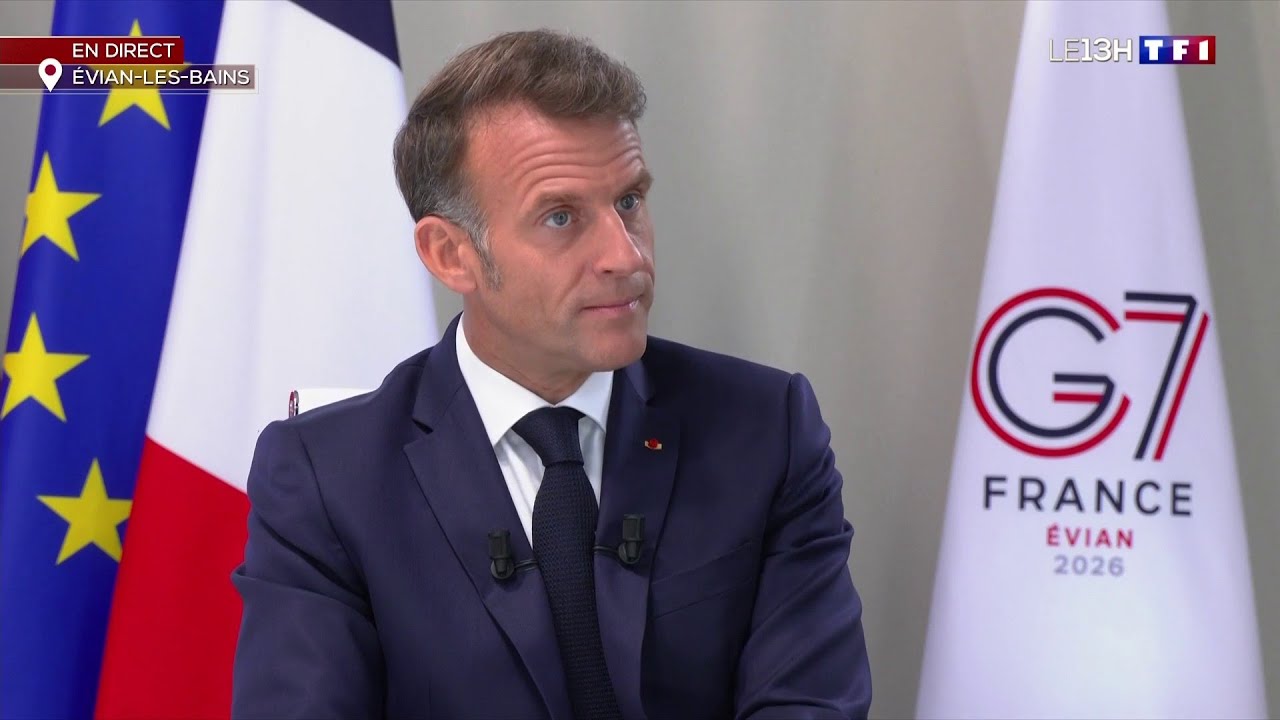
This view is reinforced by very tangible experience. Paris has already extended support measures for sectors suffering from the Middle East crisis and rising petroleum-product prices, including transport, fishing, agriculture and construction. (economie.gouv.fr) For French audiences, therefore, the Strait of Hormuz is not a distant geographical concern, but a risk to household bills and business competitiveness. At the same time, Paris’s position is not synonymous with appeasement toward Iran: Emmanuel Macron has called for a “serious and lasting” agreement with verifiable controls on Iran’s enriched uranium. (publicsenat.fr) France’s objection to the United States lies elsewhere: pressure without a political way out does not contain a crisis; it makes the crisis chronic.
In Japan, the response is the most technocratic and, at the same time, the most nervous. On August 25, Chief Cabinet Secretary Kihara said Tokyo would examine the details of the new U.S. restrictions and analyze their impact on Japanese companies. (nagoyatv.com) This cautious wording reflects Japan’s position: it remains a U.S. ally, but its industry, commercial shipping and energy security are sensitive to any expansion of the extraterritorial sanctions regime. Japanese analysts add an important detail that is often lost in U.S. debates: the sanctions threat may be louder than its actual implementation. In a Wedge Online commentary, the new campaign is described as at risk of becoming a “disappointment”—particularly because Washington may be unwilling to take secondary measures to their limit if doing so would affect relations with China. (wedge.ismedia.jp) In other words, Tokyo is watching not only whom America promises to punish, but also where America itself will draw the line of risk.
Another common theme is doubt over how capable Washington is of maintaining the stability it once provided. The French debate is especially direct in identifying a crisis of confidence in the Federal Reserve: Le Monde writes that the reputation of an institution whose decisions indirectly affect interest rates around the world is at stake. (lemonde.fr) In Japan, this concern has practical implications: rising U.S. bond yields affect the yen’s exchange rate, the cost of financing and the value of Japan’s enormous holdings of U.S. debt. Japanese economist Taku Imamura, writing in Business Insider Japan, interprets Washington’s recent moves in the debt market as a sign that the administration’s political “self-preservation” is turning into nervousness. (businessinsider.jp)
Tariff policy completes the picture. For France, it has become proof that access to the U.S. market is increasingly paid for with political and investment concessions: the French customs service lists the current system of U.S. measures under Sections 232 and 301, as well as European concessions made in response to agreements with the United States. (douane.gouv.fr) In India, the final U.S. measures under Section 301 placed the country in the 10 percent tariff category, although a number of key export goods—including generic drugs and smartphones—were exempted from the additional surcharge. (pib.gov.in) In Japan, an agreement with the United States formally caps some tariffs at 15 percent, but at the same time links them to major investment commitments in the U.S. economy. (meti.go.jp)
The overall conclusion from the Indian, French and Japanese responses is that America remains an indispensable power, but is increasingly seen as an unpredictable guarantor of order. India is trying to preserve its freedom of choice, France to restore the independent value of diplomacy and international rules, and Japan to calculate the consequences and minimize the damage to its alliance with the United States. What unites them is not anti-Americanism, but a new caution: decisions in Washington are now judged not by their stated objective, but by the “secondary shock” they will deliver to other countries’ trade, energy supplies, currencies and foreign-policy autonomy.