As of September 23, 2026, the image of the United States in Indian, Brazilian and Japanese discussions is shaped not by a single news story, but by a combination of three concerns: the protracted US war with Iran, Washington’s increasingly forceful use of trade and sanctions leverage, and doubts about how predictable American commitments to its partners really are. Each of the three countries discusses these issues in its own terms and through the lens of its own vulnerabilities—energy prices in India and Japan, sovereignty and elections in Brazil, and security around China and Taiwan in Japan. But a common conclusion is evident: America remains an indispensable power, yet it is no longer seen as an automatically stabilizing force.
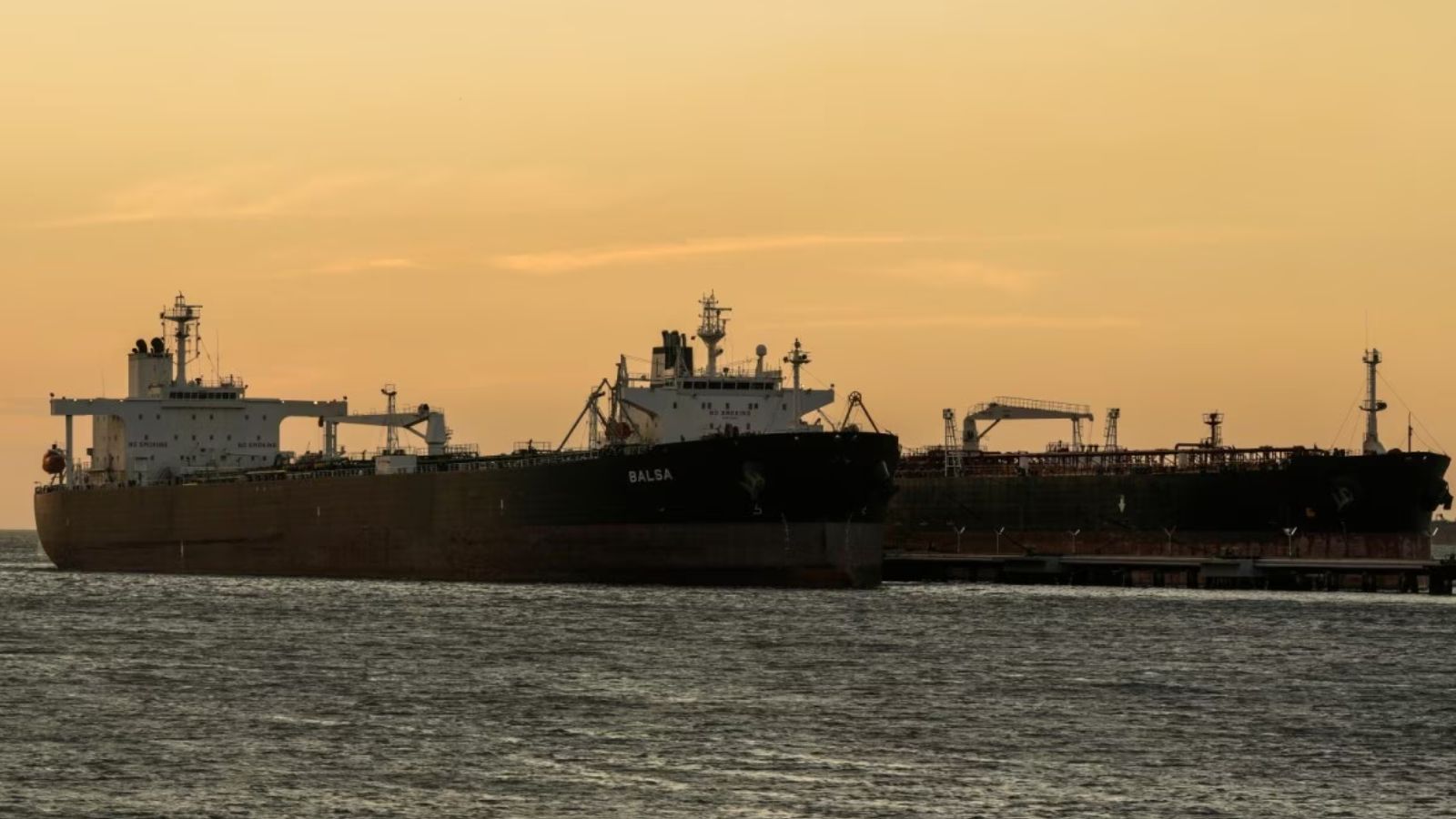
The sharpest common issue is the US-Iran confrontation and the fate of the Strait of Hormuz. For India, this is not primarily an abstract conflict in the Middle East, but a threat to the energy security and economy of a country dependent on imported oil. The editorial board of The Indian Express put the problem in stark terms: until there is a durable agreement on how to manage the strait, the world will keep returning to military strikes and economic escalation. The newspaper notes that Washington is trying to combine military pressure with secondary sanctions, but is running up against reality: China buys most of Iran’s oil, making it impossible to punish all of Tehran’s trading partners without triggering another major conflict. In an editorial, the conflict is described as a trap in which military deterrence and the oil market are inseparable. (indianexpress.com)
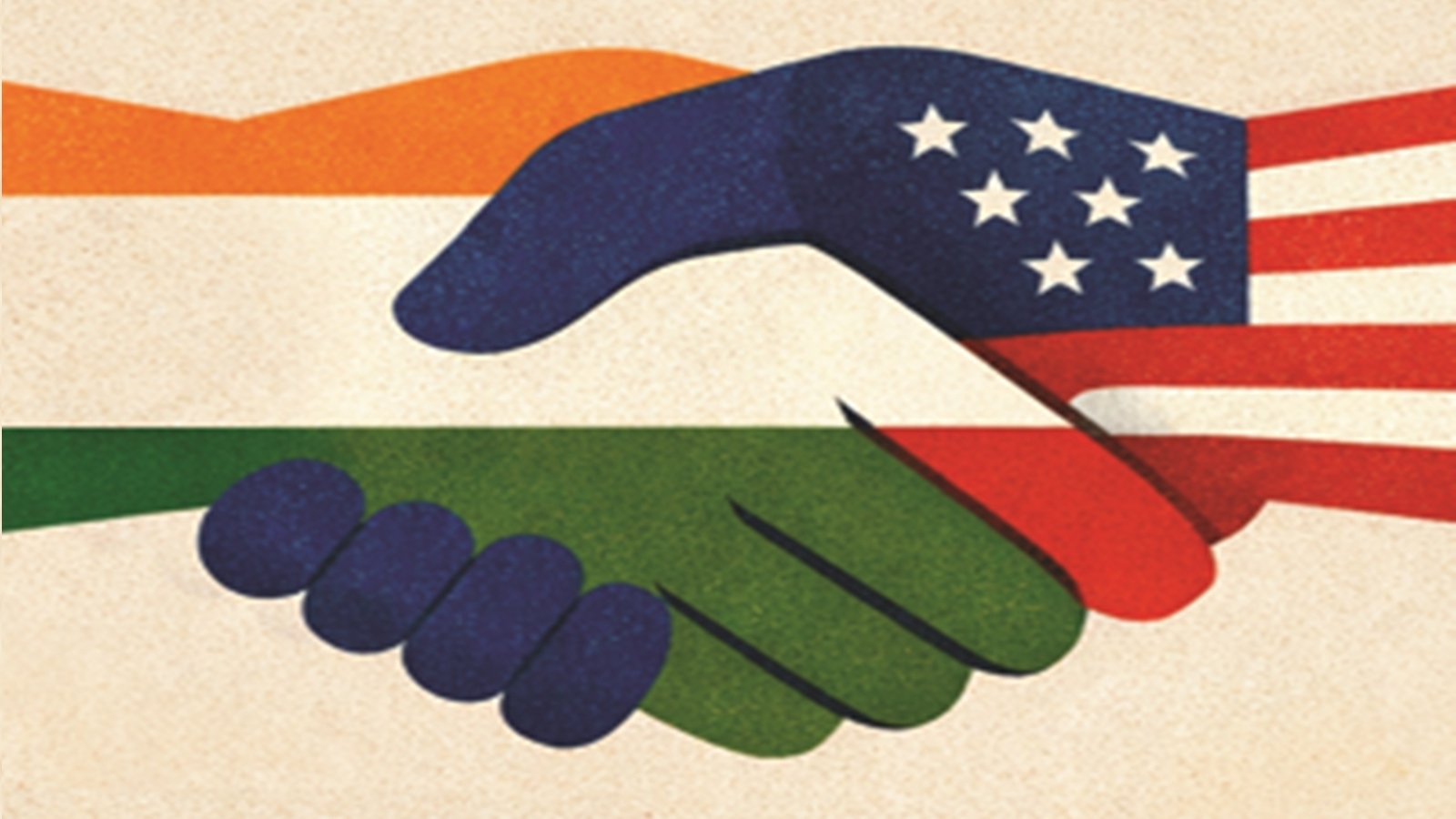
Indian authors go beyond the usual criticism of the war. Political scientist Sankalp Gurjar, in a column for The Indian Express, calls US policy a “shadow” that has shaped India’s choice among suppliers from Iran, Venezuela and Russia for two decades. His conclusion is not anti-American but pragmatic: for an import-dependent country, diversifying suppliers is the only viable solution. (indianexpress.com) Former prime ministerial adviser Sanjaya Baru, in another column, offers an even more precise formula: India should not “break relations” with America, but reduce the risks of dependence on both the US and China. (indianexpress.com) In the Indian interpretation, Washington increasingly appears not as a partner expanding New Delhi’s room for maneuver, but as a player whose sanctions are narrowing it.
In Japan, the same conflict is viewed through a much more immediate everyday and industrial concern: oil, inflation and the vulnerability of maritime communications. Nobuhide Kiuchi, an economist at the NRI research institute, warns in an analysis published September 2 that even additional US oil supplies cannot fully replace volumes from the Middle East, and that dependence on decisions made in Washington is itself becoming a constraint. (nri.com) Japan’s state-backed organization JOGMEC notes that in August and September, US-Iran exchanges of fire, attacks on Saudi energy infrastructure and tensions around Yemen pushed oil prices to their highest level since May. (journal.jogmec.go.jp) For Tokyo, therefore, the issue is not only who is right in the conflict. More important is whether the American strategy can ensure stable shipping without turning Asia into a hostage of Middle Eastern escalation.
In Brazil, the tone is less connected to a physical energy shortage, but no less critical of the American approach. Brazilian analysis by CNN Brasil describes the naval blockade and the combination of sanctions with strikes as actions that do not bring negotiations closer, but instead push Tehran toward further military escalation. (cnnbrasil.com.br) A characteristic intuition of Brazil’s foreign-policy culture is evident here: a superpower’s pressure is judged not by its declared objective, but by whether it expands the war and undermines international rules.
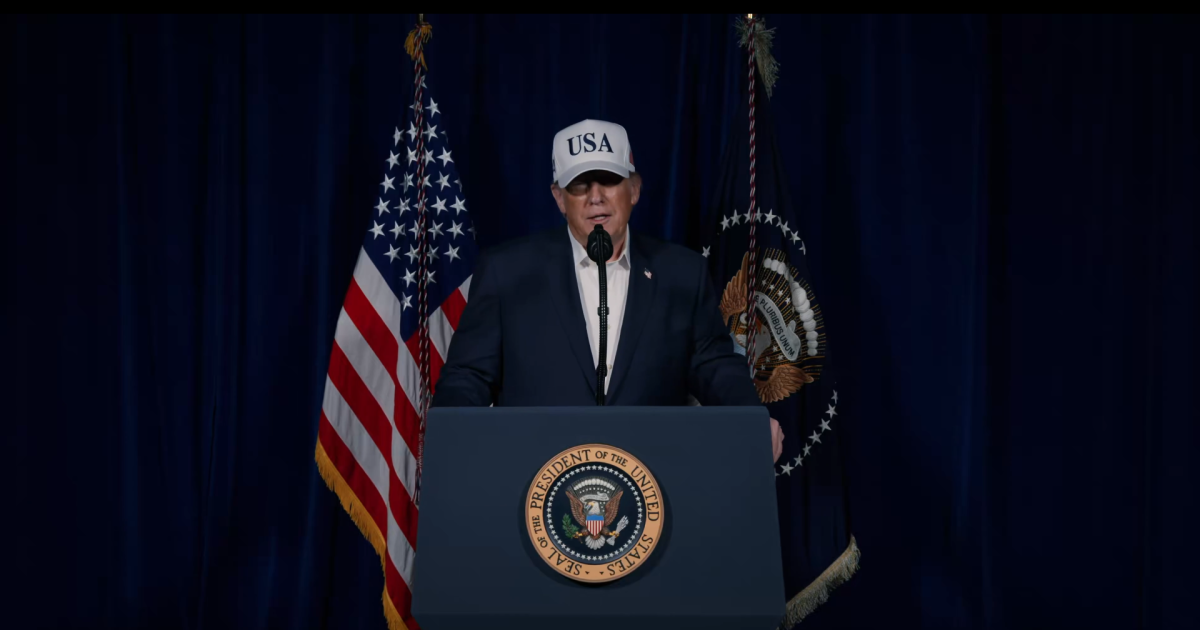
The second common concern is the feeling that US domestic politics is beginning to export financial instability. This is discussed particularly openly in Brazil. In a piece about Donald Trump’s proposal to pay Americans $5,000 if Republicans win the midterm elections, the editorial board of Folha de S.Paulo calls such a policy fiscally irresponsible and argues that it undermines confidence not only in the White House, but also in the dollar. (www1.folha.uol.com.br) The comparison itself is especially revealing: the Brazilian newspaper likens the world’s leading power to the populist “caudillo of a banana republic.” This is not merely an emotional insult, but a sign of a profound shift in Latin American perceptions: US fiscal discipline is no longer taken for granted.
India’s reaction is less caustic, but similar in substance. American sanctions laws, tariffs and pressure over purchases of Russian or Iranian oil are seen there as an attempt by Washington to shift the cost of its geopolitics onto developing economies. India’s important distinction is that it is not seeking a symbolic break with the US. New Delhi is trying to build a system of safeguards—more energy sources, more settlement and trade options, and greater freedom of maneuver. Brazil, too, is discussing alternatives to the dollar-based system: a Folha article directly links doubts about US debt, sanctions and the rule of law to countries’ search for alternative payment and reserve mechanisms. (c-level.folha.uol.com.br)
Japan, by contrast, speaks more cautiously, but its concern may be the most strategic. Japanese commentators see a risk in America simultaneously spending resources in Iran, facing rising financial costs and beginning to treat Asia according to the logic of a short-term deal. In an analysis by nippon.com, the war with Iran is linked to a decline in US stocks of interceptor missiles and, consequently, to a possible weakening of deterrence in the Indo-Pacific. The authors call this the spread of “distrust in the United States,” and clearly state Japan’s main fear: the prolonged deployment of American forces to the Middle East could weaken defenses near Taiwan. (nippon.com)
That is why the scheduled September 24 meeting between Donald Trump and Xi Jinping is causing unease in Japan. In a television analysis by TV Asahi, experts suggest that Trump’s priority may be securing US access to China’s rare-earth metals, while Japan fears a deal in which economic gains would be purchased through concessions on Taiwan, including the issue of US arms deliveries to the island. (news.tv-asahi.co.jp) This is perhaps the most specifically Japanese view of today’s America: the ally remains essential, but cannot simply be trusted—it is necessary to agree on red lines in advance, because Washington may trade away part of the regional security architecture in exchange for an advantageous domestic political outcome.
Brazil’s distinctive concern is even more closely tied to domestic politics. There, the United States is discussed not only as a source of sanctions or trade tariffs, but also as a possible participant in the electoral struggle. CNN Brasil reports that Lula’s government sees a risk of US interference in the 2026 campaign that could benefit Flávio Bolsonaro. (cnnbrasil.com.br) And in a Folha essay, this danger is placed in a broader Latin American context: the new American policy is interpreted as the White House’s willingness to influence electoral outcomes in the Western Hemisphere. (www1.folha.uol.com.br) The paradox for Brazil’s right is that an overly conspicuous closeness to Trump could give Lula a powerful political resource—the opportunity to speak in the name of national sovereignty.
A single, though far from uniform, picture thus emerges. India responds to American pressure with strategic diversification. Brazil uses the language of sovereignty, democratic protection and financial distrust. Japan responds with the anxiety of an ally that fears not so much an American withdrawal as a sudden American deal made behind its back. These three reactions are not simple anti-Americanism. Rather, they reflect a new diplomatic caution: cooperation with America remains necessary, but policymakers increasingly have to act as though the main risk comes not from the absence of the United States, but from its unpredictable presence.