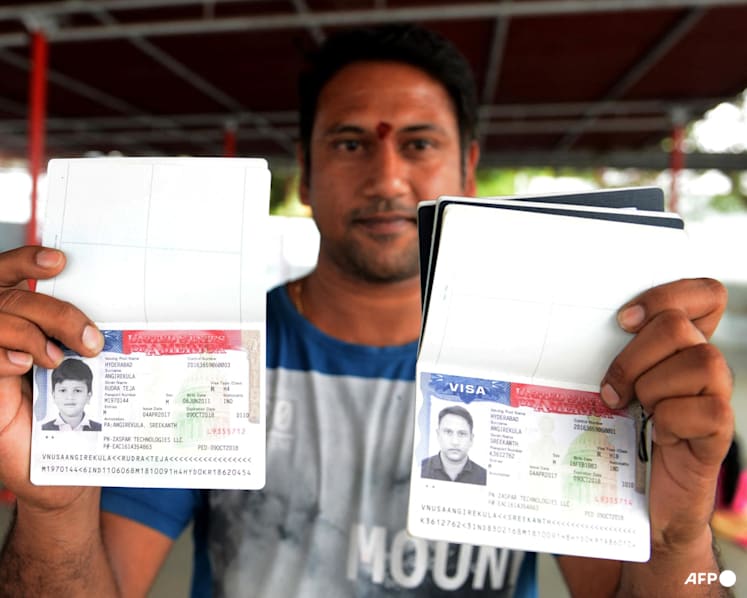
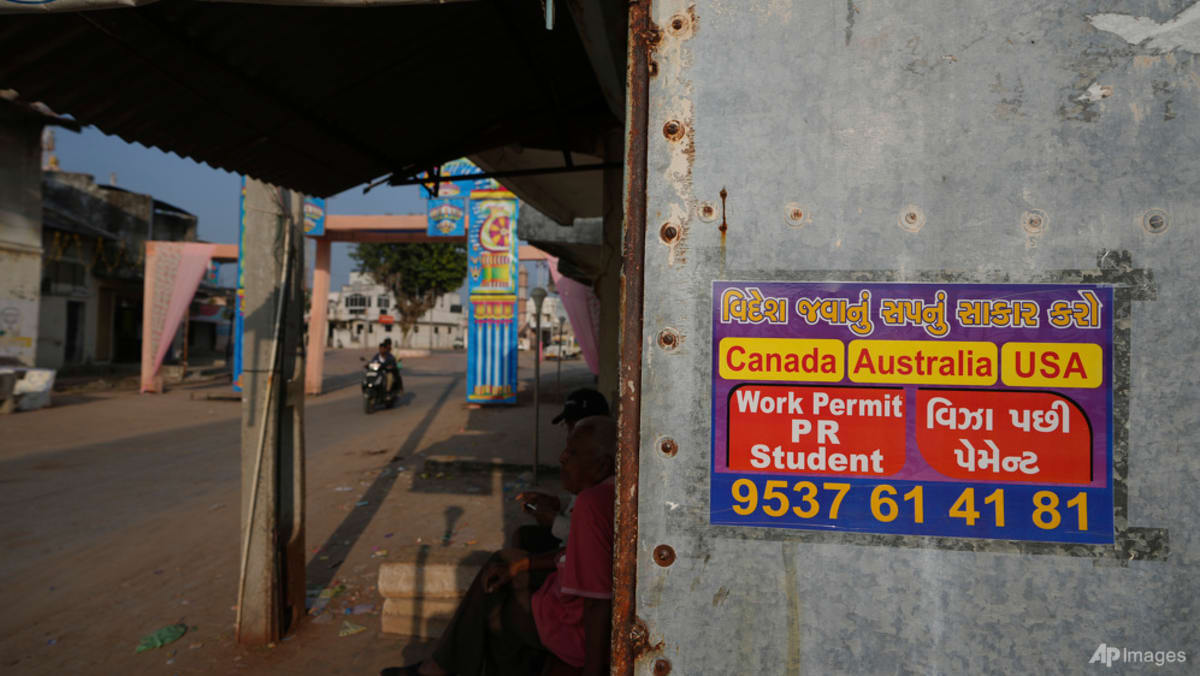
The most notable reactions to the United States in Brazil, India and China in recent days have centered on one common idea: Washington is increasingly perceived not as a guarantor of a predictable order, but as a power whose decisions can instantly change the rules of trade, migration, technological competition and war. The trigger for particularly heated debate in India was the Donald Trump administration’s decision on October 8 to suspend eight technology companies from the PERM program, a key stage in obtaining employment-based green cards. The companies affected included Microsoft, Adobe, Cognizant, Capgemini, as well as Indian giants TCS, Infosys, Wipro and HCLTech. (channelnewsasia.com)
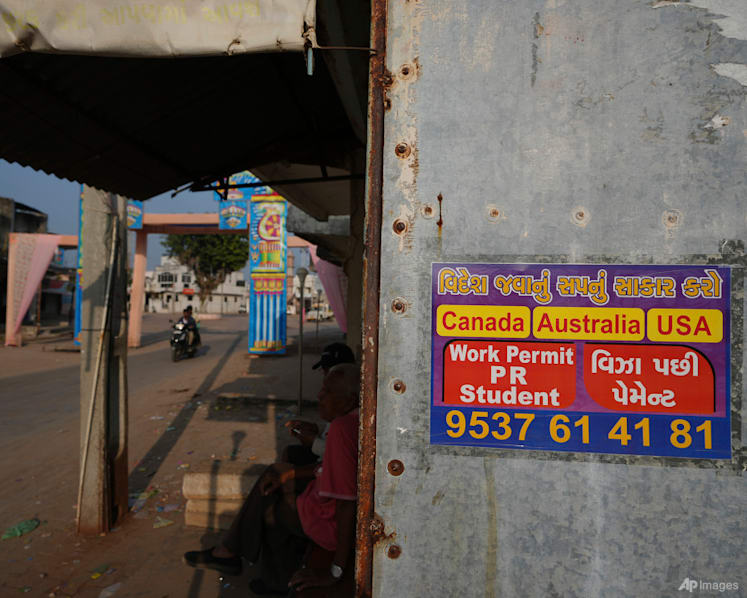
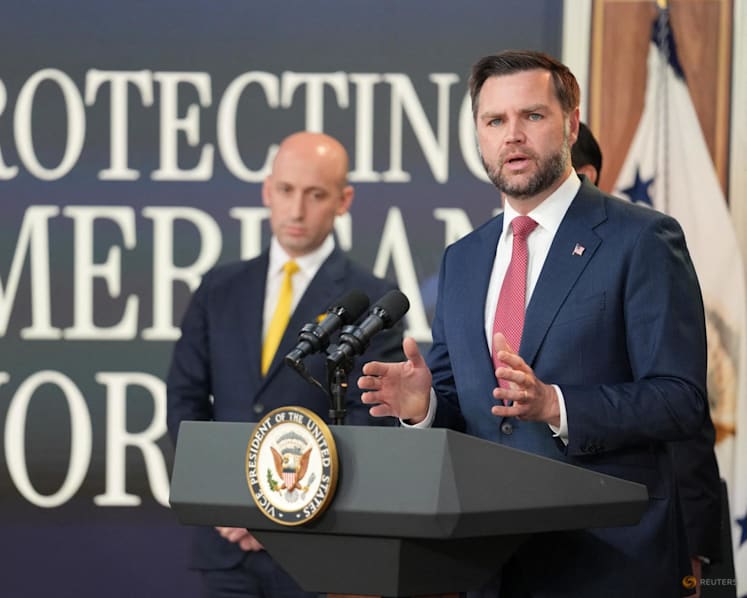
In India, the move was interpreted not simply as a migration measure, but as a blow to the very social fabric of the US-India partnership. The issue concerns not only companies, but also thousands of skilled professionals for whom working in the United States was part of a long-term life strategy. In an editorial article, Hindustan Times called the decision incompatible with the spirit of partnership—especially given that Vice President JD Vance referred to foreign IT workers as “foreign indentured servants.” India’s foreign ministry responded that such actions could undermine efforts to build substantive bilateral relations. (hindustantimes.com)
Notably, India’s reaction is not limited to outrage. Economists and industry representatives are trying to assess the damage soberly: the immediate impact on IT companies’ revenues will likely be limited, since most services have long been delivered from India rather than from within the United States. But the long-term problem is more serious: the US market accounts for around 54% of India’s software and IT-services exports, and any closure of channels for skilled-worker mobility sends a signal that American protectionism could spread from goods to knowledge and human capital. This is how the Indian research center GTRI described it in a comment for Economic Times Government: this is no longer a narrow visa dispute, but a sign of a broader “protectionist shift” in the United States. (government.economictimes.indiatimes.com)
In Chinese publications, the story has prompted a different but related response. China’s financial press presents it as an example of the Trump administration’s willingness to sacrifice the interests even of its own technology corporations for the sake of a domestic political display of toughness. “Silicon Valley’s lifeline to talent is being cut off,” the Chinese outlet Cailian Press declared. For Chinese commentators, the key issue is not so much India’s labor question as the opportunity emerging from it: if the United States systematically makes access to its market, universities and permanent residency less reliable, international professionals and companies will increasingly seek alternative centers of technology and capital. (cls.cn)
This reveals an unexpected commonality between Indian and Chinese views. New Delhi fears that America is abandoning the promised mutually beneficial technology partnership; Beijing sees the same policy undermining the United States’ appeal as a global destination for talent. The emotional tone differs: India speaks as an offended ally, while China speaks as an observer documenting a strategic mistake by its rival. But both countries draw the same conclusion: dependence on American institutions is becoming more costly.
The second shared theme is the protracted US war with Iran and its connection to American domestic politics. In Indian analysis, the war is increasingly viewed not as a distant Middle Eastern crisis, but as a factor capable of changing Washington’s foreign-policy options in Asia. Harsh Pant, deputy director of the strategic studies program at ORF, notes in the Indian Express the contradiction: Trump seeks “constructive strategic stability” with China while simultaneously increasing the US military presence in the Middle East. For India, what matters is not only the outcome of the November midterm elections, but also what kind of America will remain afterward—more deeply involved in regional wars and less capable of serving as a strategic counterweight to China. (indianexpress.com)
Brazil’s reaction to the same war is far harsher in its moral assessment. In an analysis published by Folha de S.Paulo, columnist Igor Gielow speaks of “willfulness without focus”: the United States simultaneously claims it wants to leave the Middle East and resorts to intervention to impose its will on Iran. (www1.folha.uol.com.br) For Brazilian audiences, this is particularly sensitive because instability in the Strait of Hormuz immediately translates into fluctuations in oil prices, currency risks and uncertainty for a commodity-based economy. Even where higher oil prices temporarily support oil-company shares, the overall effect is seen as dangerous global turbulence. (www1.folha.uol.com.br)
Brazilian editors also emphasize Trump’s political hypocrisy: a man who built his career criticizing “endless wars” has become embroiled in a conflict with no clear end in sight. In a Folha editorial, the war is explicitly described as yet another “endless war” for America. (www1.folha.uol.com.br) For India, the cost is oil, the security of sea routes and reduced American attention to the Indo-Pacific; for China, it is an opportunity to watch the United States expend its strength far from East Asia; for Brazil, it is further evidence that the global economy remains dependent on Washington’s political impulses.
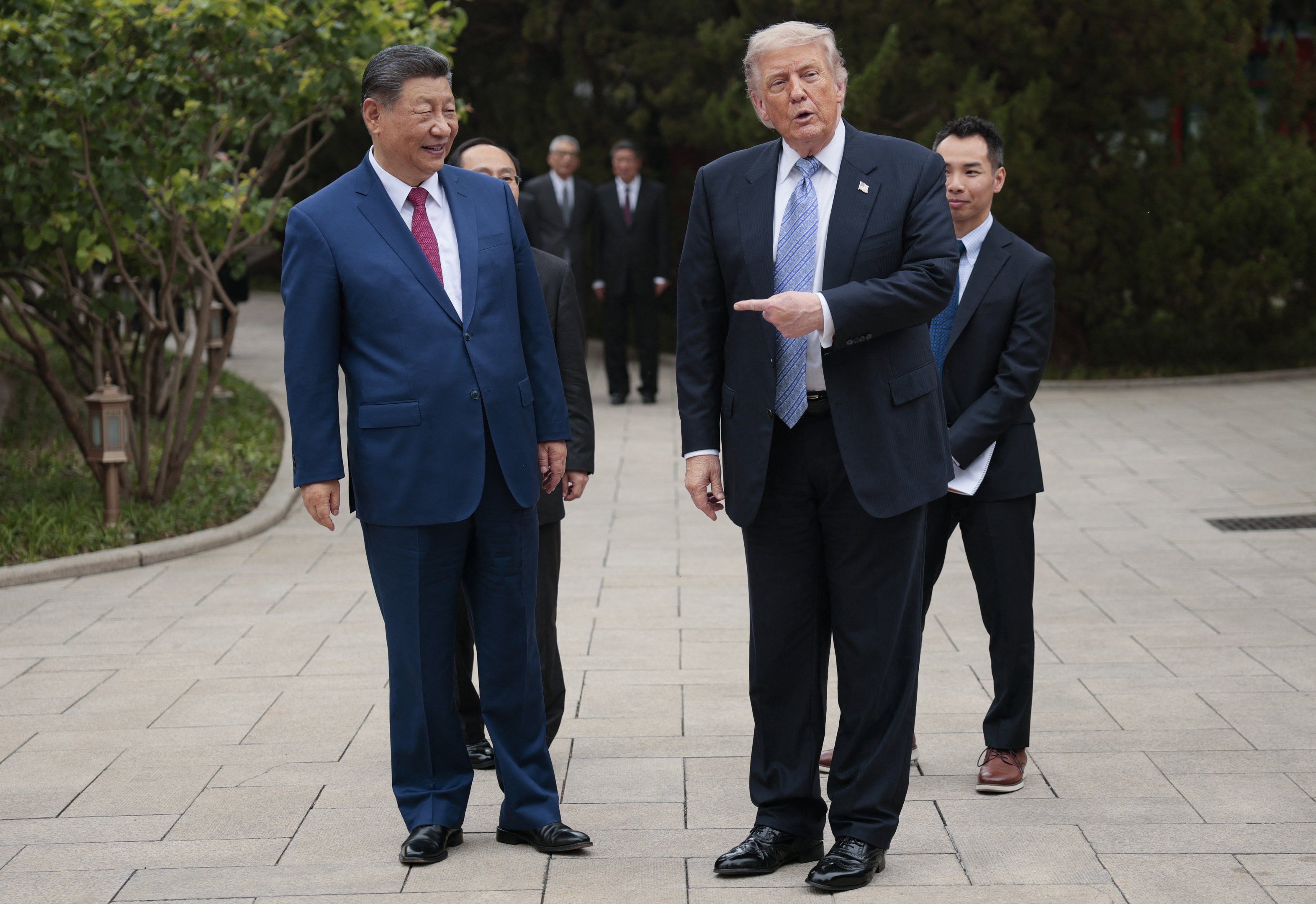
The third theme—the temporary thaw in US-China relations—evokes almost opposite feelings in the three countries. China’s official and expert rhetoric presents it as a shift from unrestrained competition to “constructive strategic stability.” Diao Daming, a professor at Renmin University of China, explains in The Paper that the change reflects not a sudden emergence of trust between the powers, but Washington’s reassessment of its own interests: inflation, the rising cost of living, trade costs and the approaching midterm elections are making confrontation with China too expensive. (thepaper.cn)
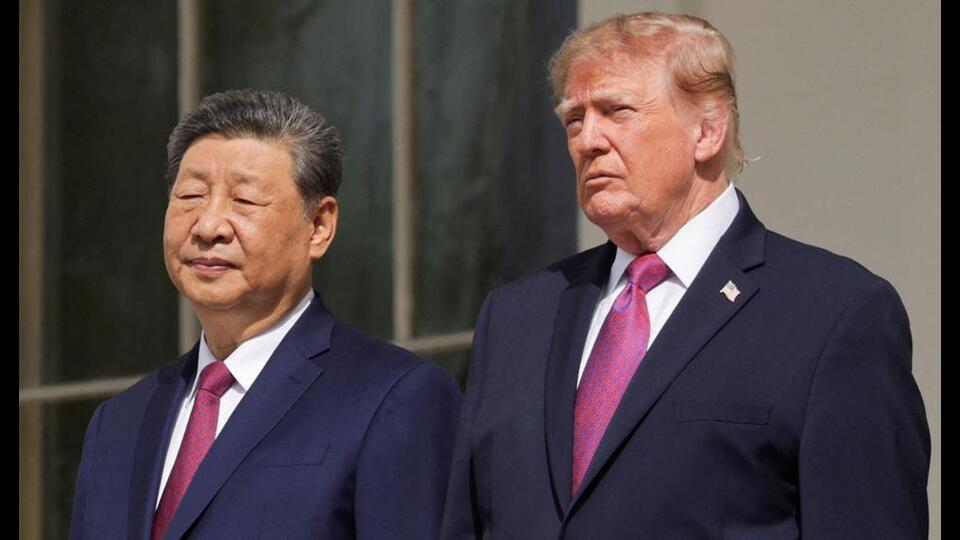
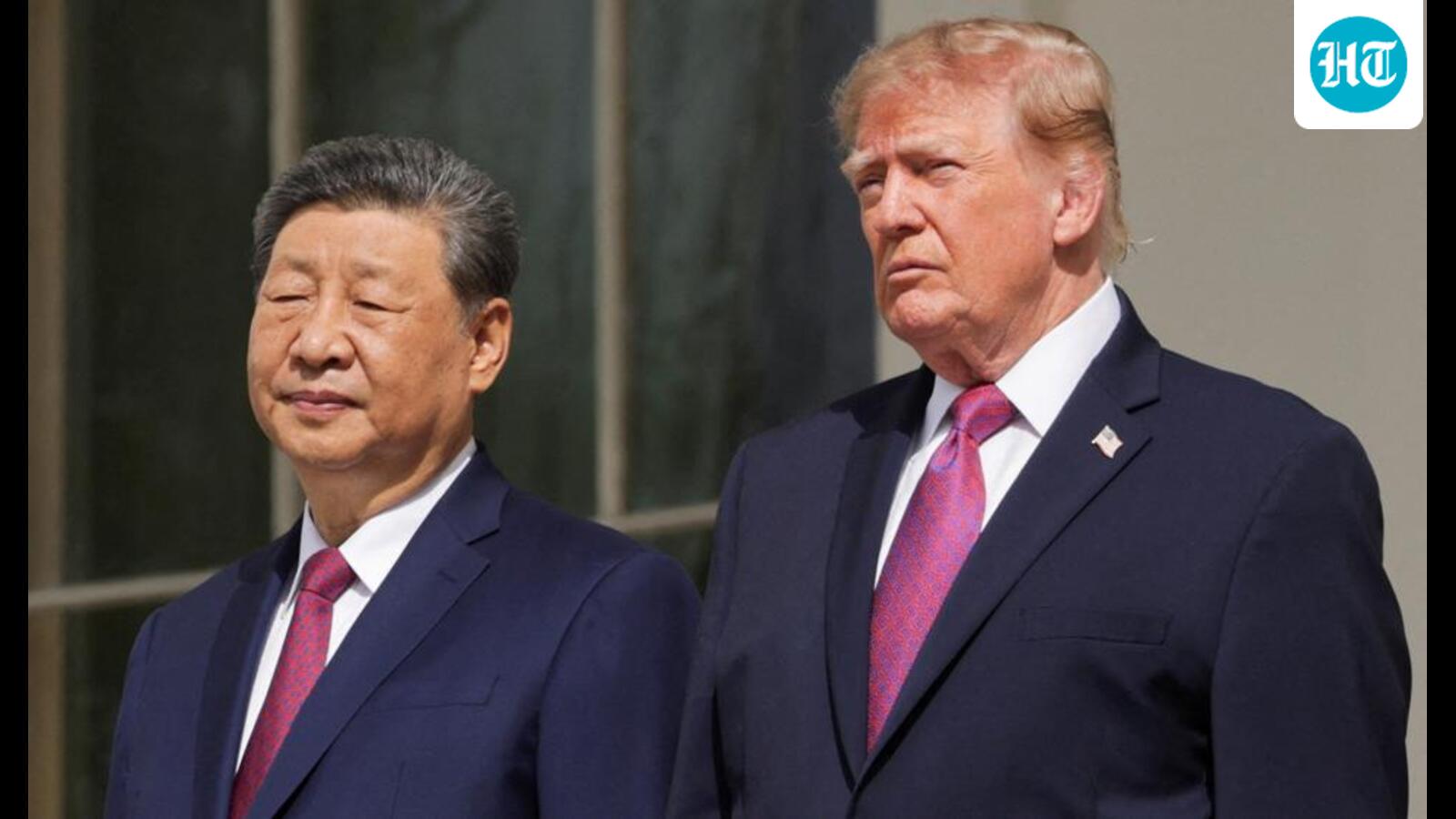
In India, this détente is viewed with far greater caution. Former ambassador Ashok Kantha warns in Hindustan Times that the ceremonial nature of Trump and Xi Jinping’s contacts conceals a significant strategic shift: China and the United States may temporarily stabilize their relationship, while India’s room for maneuver narrows. (hindustantimes.com) In other words, New Delhi fears it may be useful to Washington only as long as the United States needs an additional lever of pressure on Beijing.
Brazil views the détente through the lens of soybeans and markets. An Exame analysis emphasizes that US-China talks on tariffs and agricultural purchases directly affect Brazilian producers: the US-China conflict opens an additional export market for Brazil, while reconciliation could return American soybeans to Chinese contracts. (exame.com) This reflects a distinctly Brazilian perspective: the great powers’ geopolitics matters not in itself, but insofar as it changes commodity prices, access to buyers and the country’s bargaining power.
A coherent picture thus emerges. India sees modern America as an increasingly unreliable partner for its professionals and an increasingly uncertain counterweight to China. China sees a power that, constrained by its own economic and political limitations, is forced to soften its external policy while remaining unpredictable. Brazil sees a source of global market shocks, but also a country whose conflicts sometimes create commercial opportunities. In all three societies, the United States remains a central power—though no longer a model of stability, but a variable that must constantly be hedged against.