In the first days of October, the main American story outside the United States was not yet another domestic Washington quarrel, but the export of the consequences of America’s war with Iran. The Donald Trump administration’s pressure on its G7 partners to release strategic diesel and oil reserves, concerns over maritime routes, and renewed debate about how capable allies are of relying on Washington brought together countries that otherwise have little in common. Australia, Germany and Saudi Arabia, however, are reading this story through entirely different fears: Canberra sees the risk of political humiliation in an overly close alliance, Berlin sees a threat to the economy and European autonomy, while Riyadh sees the vulnerability of its own security and oil infrastructure.
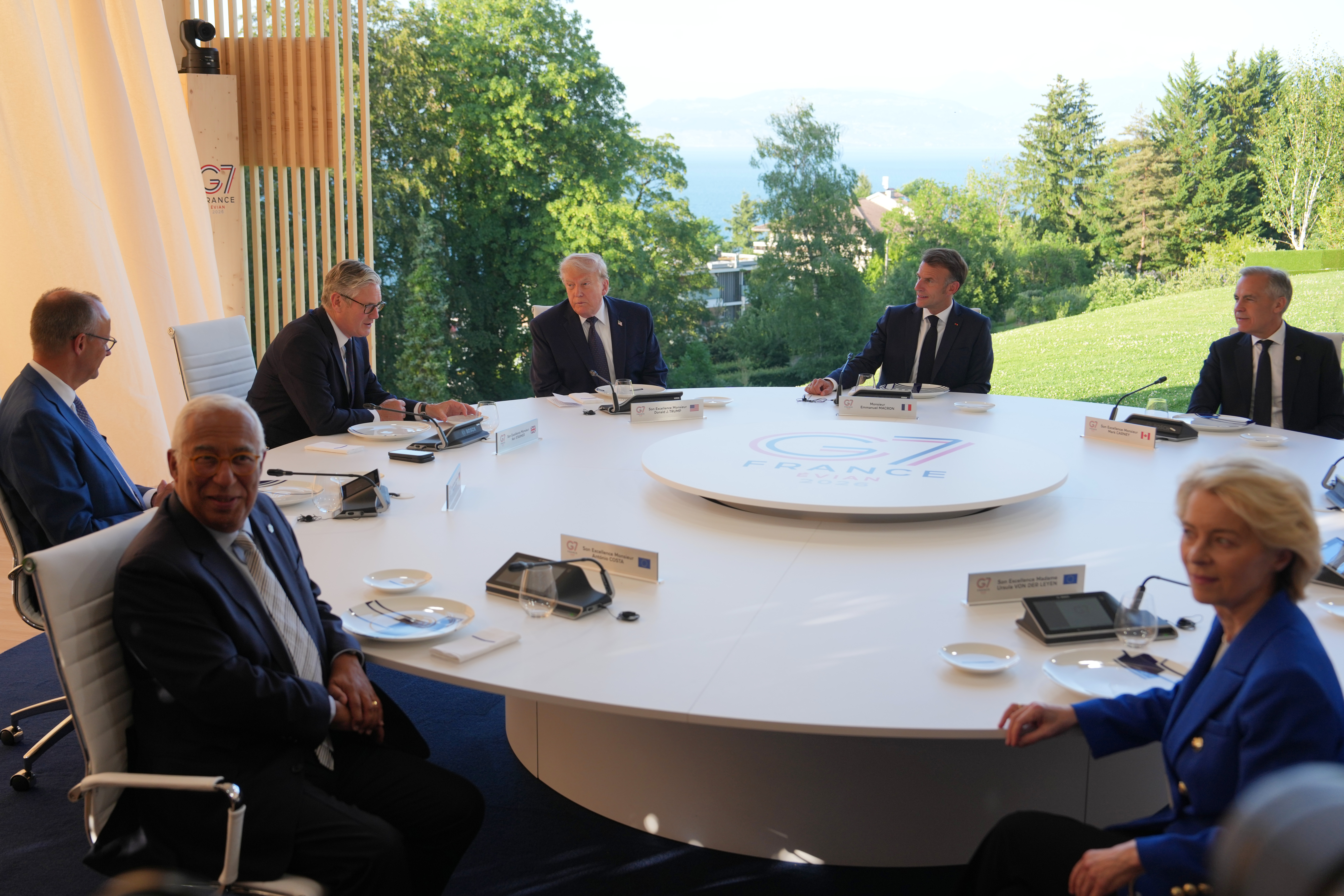
The immediate trigger for the latest wave of debate was the G7 countries’ decision to release 100 million barrels of diesel and oil from emergency reserves following pressure from the United States. Saudi Arabia’s Arab News quoted a characteristic assessment by Energy Aspects analysts: this was more likely a political gesture intended to persuade Trump not to impose a ban on diesel exports than a firm, technically developed commitment. This wording captures the broader international perception of America: partners are no longer discussing a joint strategy as equal participants, but are instead trying to prevent yet another unilateral decision by the White House.
For Germany, this is particularly painful. Berlin sees the fuel dispute not simply as another energy shock, but as a vivid example of how American domestic politics shifts the costs onto Europe. The German-language edition of Deutsche Welle notes that Trump first threatened to halt diesel exports if allies did not release their reserves, and then said he had not seriously intended such a measure. But for European governments, the threat itself was enough: it showed how quickly energy interdependence can become an instrument of coercion. A DW report from October 3 captures this almost Kafkaesque situation: Europe is forced to respond to a threat whose author then declares it was not serious.
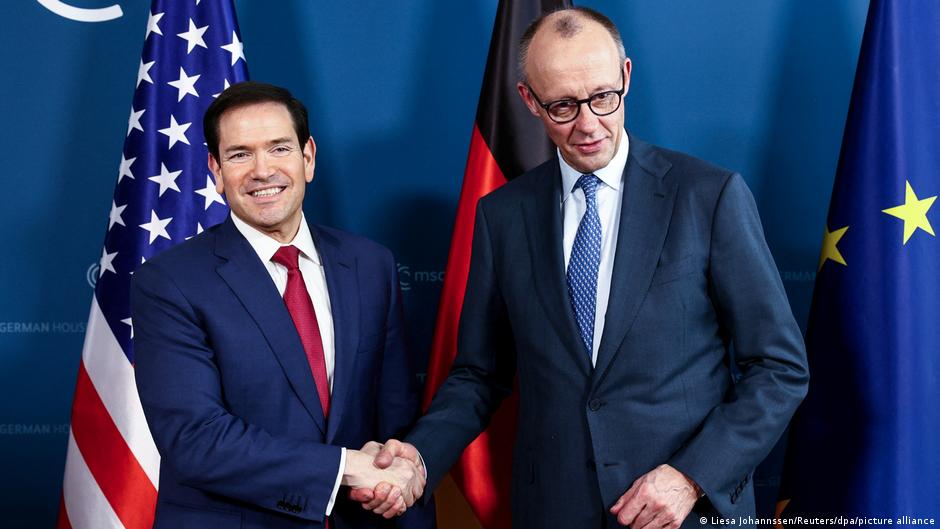
The German reaction therefore goes beyond the question of diesel. The conviction is growing in the country that Trump’s America remains a necessary ally while also becoming a source of systemic unpredictability. Back in February, Chancellor Friedrich Merz publicly drew an ideological line between Berlin and Washington, saying at the Munich Security Conference: “The MAGA culture war is not ours,” while also stressing his commitment to free trade rather than protectionism. As a Deutsche Welle analysis emphasized, this was not a rejection of the transatlantic alliance, but an attempt to turn it into an “equal partnership.” The current fuel dispute, however, makes this formula increasingly unconvincing: equality is difficult to reconcile with a situation in which one side can threaten export restrictions at any moment for the sake of its midterm elections.
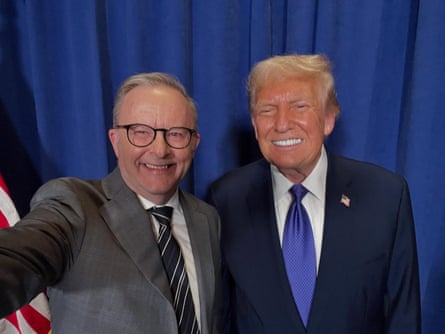
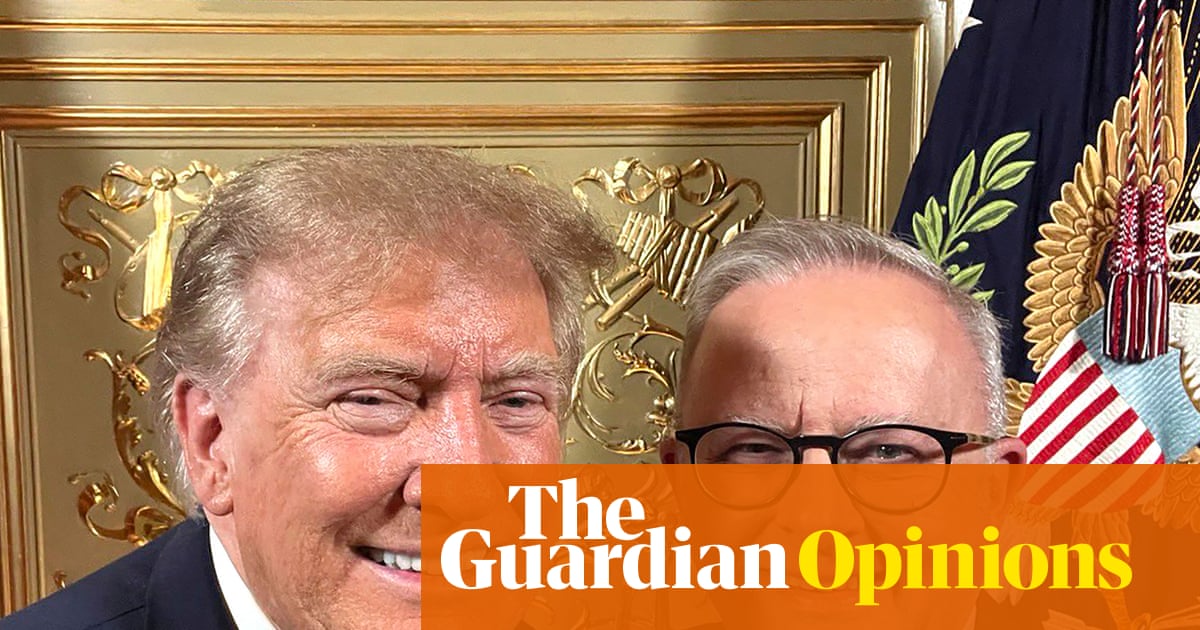
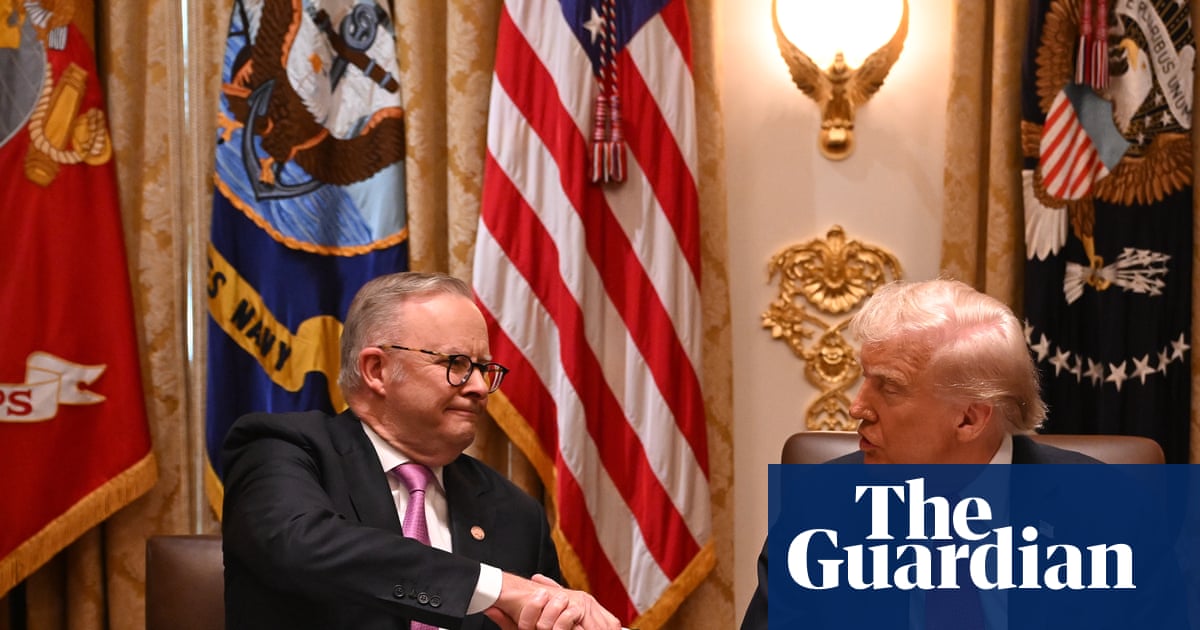
Australian irritation has a different, more political character. The debate there is less about whether the American alliance should be preserved than about the price Prime Minister Anthony Albanese is paying for his public closeness to Trump. In a Guardian Australia column, political editor Tom McIlroy drew attention to the controversy surrounding a joint selfie of Albanese and the US president: to critics, it was not an innocuous diplomatic photograph, but a visual symbol of ingratiation toward an American leader who is deeply unpopular in Australia. What matters here is not the photograph itself, but the gap between government calculations and public sentiment: the government considers relations with the United States the foundation of its foreign policy and a safeguard for projects such as AUKUS, while a significant part of society sees Trump as a source of military and economic instability.
The war with Iran has deepened this divide in Australia. Albanese had previously tried not to respond to American provocations in order to avoid jeopardizing the alliance and defense cooperation. But when Trump suggested mass strikes on Iran’s civilian infrastructure, the Australian prime minister called it an “extraordinary statement.” An Australian analysis by the Guardian saw these words as a rare moment when the tactic of “not agreeing enthusiastically, but not snapping back either” stopped working. In German debates, this sounds like an argument for European independence; in Australia, it is a warning that even the most disciplined ally eventually reaches the limits of political silence.
The Saudi perspective is both more pragmatic and more alarming. Riyadh cannot afford to view the American-Iranian confrontation as distant geopolitics: it directly affects oil exports, tanker security, insurance costs and the vulnerability of Saudi infrastructure. The latest data published by Arab News on October 5 show that markets are already factoring in a partial recovery in Middle Eastern supplies and increased Saudi exports, although these shipments are traveling along more expensive and less efficient routes. For the United States, this is a way to soften a pre-election price spike; for Saudi Arabia, it is a reminder that its oil has become an element in someone else’s domestic political struggle.
That is why Saudi Arabia’s reaction cannot be reduced either to support for Washington or to criticism of Washington. The kingdom’s official language consistently emphasizes freedom of navigation, regional stability and the protection of sovereignty. In a joint statement by the United States and the Gulf Cooperation Council published in June by the Saudi Press Agency, the parties described reopening the Strait of Hormuz and ensuring unhindered transit as critically important to regional and global security. But Riyadh’s current steps also reveal a second line of thinking: a desire not to depend entirely on an American guarantee. The SPA statement published on October 5 concerning an emergency meeting between Saudi Arabia, Pakistan and Turkey refers to the practical strengthening of joint defense mechanisms. This is not an announcement of a break with the United States, but an important indirect signal: the kingdom is seeking to build its security on several pillars rather than on Washington alone.
The most unexpected common feature of these three reactions is the disappearance of the old, simple formula: “America protects, allies support.” Germany wants the United States to remain in NATO, but not to be able to turn tariffs, energy and troops into instruments of punishment. Australia needs the American military umbrella in the Indo-Pacific, but is increasingly aware of the domestic political cost of displaying closeness to Trump. Saudi Arabia is interested in American deterrence against Iran, but is also forced to hedge against the consequences of an American escalation that makes its own territory and export routes potential targets for retaliation.
Today’s international debate about America, therefore, is not a conversation about its decline. It is, rather, a conversation about a new form of American power: it remains capable of forcing the G7 to open its reserves and influencing oil routes, but it increasingly prompts even close partners to create contingency plans. In Berlin, these are called European responsibility; in Canberra, cautious diplomacy without illusions; in Riyadh, regional resilience. The meaning is the same: an alliance with the United States is no longer perceived as ready-made insurance. It is now seen as a risk that must be managed.