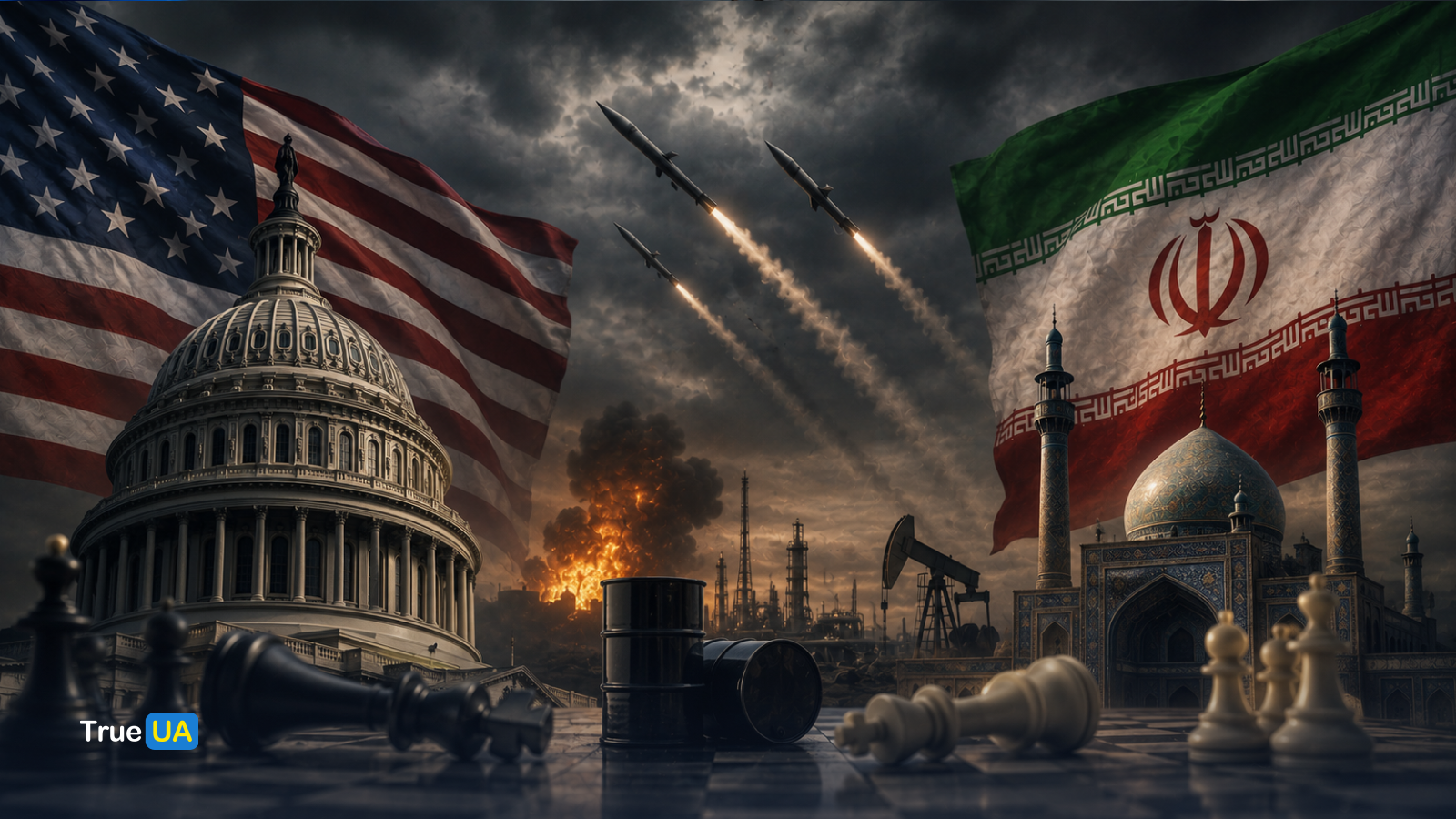
As of August 20, 2026, discussions about the United States in Japan, India and Ukraine converge on one troubling conclusion: Washington still possesses decisive military and financial power, but is increasingly using it unpredictably, linking its partners’ security to their immediate political usefulness. The reason is not only the protracted US conflict with Iran, where another 60-day ceasefire ended on August 17 without a clear political settlement. An equally important signal for Asia was Donald Trump’s order to sharply scale back US–South Korean military exercises. For the three countries, these are different stories, but the underlying question is the same: can national strategies be built on America’s promises if its priorities change faster than its allies and partners can adapt?
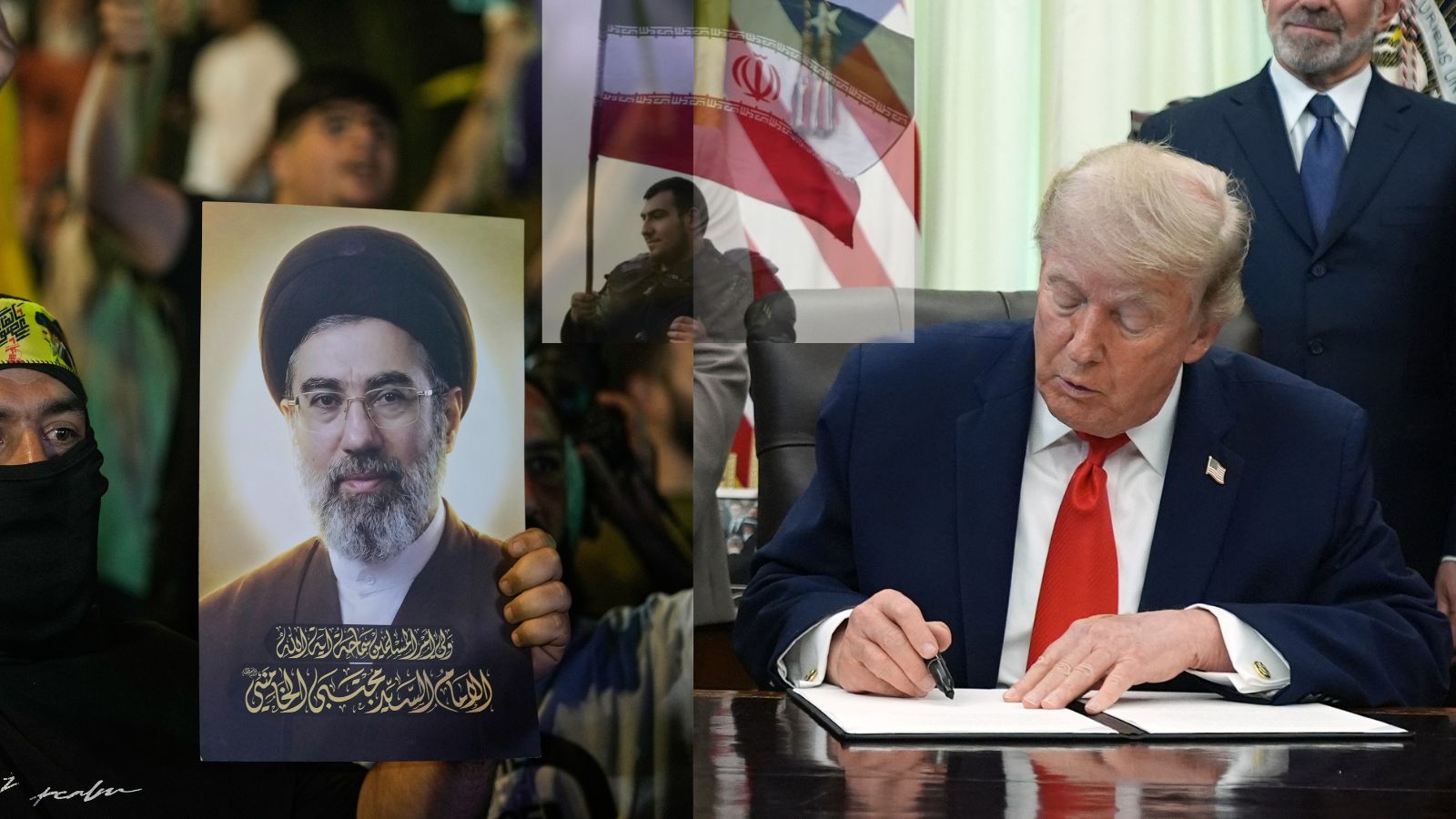
The Japanese debate shows particularly clearly that Iran is no longer a distant Middle Eastern conflict for Tokyo. At a Genron NPO forum, Japanese Middle East specialists Kenta Aoki, Koichiro Tanaka and Hiroyuki Suzuki reached a common conclusion: the temporary US–Iran agreement in June did not eliminate the fundamental contradictions, but merely postponed them. Tanaka put it bluntly: Trump signed a document “where there was nothing to negotiate in the first place.” For Japanese experts, the most important issue is not who won, but the very model of American diplomacy: announce a deal without agreeing on its mechanisms, then compensate for its failure with a new threat of force. (genron-npo.net)
This gives rise to an unusual idea in the Japanese mainstream: the alliance with the United States is necessary, but allied loyalty alone is no longer enough. Participants in the Tokyo discussion spoke of the need for a more independent Japanese diplomacy, because the era when the United States single-handedly set the order in the Middle East is clearly coming to an end. This is not a call to distance Japan from Washington, but a recognition that Japanese interests—energy security, shipping through the Strait of Hormuz and market stability—should not depend solely on whether the White House manages to preserve yet another pause in the war. (genron-npo.net)
But it was the reduction of US–South Korean exercises that made this conclusion almost tangible for Tokyo. On August 18, Japan’s Defense Minister Shinjiro Koizumi responded to Trump’s decision with a statement that was outwardly calm but politically revealing: Japan would promote cooperation among the United States, Japan and South Korea to prevent any damage to deterrence against North Korea. As Yomiuri reported via Livedoor News, the statement specifically concerned the need for close coordination with partners following the American decision. (news.livedoor.com)
For the Japanese, the issue is not only the military function of the exercises. Washington effectively demonstrated that it was prepared to revise an element of North Korea’s deterrence unilaterally and tie it to dissatisfaction with Seoul’s conduct in the conflict with Iran. From the Japanese perspective, this represents a dangerous shift from an alliance system to a system of deals: today, an ally is rewarded or punished for its contribution in the Middle East, and tomorrow, the same conditionality could affect commitments in East Asia. Japan’s reaction, therefore, is not panic over a single scaled-back exercise, but concern that the American security guarantee is becoming a bargaining chip.
In India, the war with Iran is perceived even more materially—through oil, shipping, the Indian diaspora in the Gulf states and the rupee’s vulnerability. But the local debate quickly moved beyond fuel prices. In a column for The Indian Express, former member of India’s National Security Advisory Board Amitabh Mattoo writes that the crisis shattered New Delhi’s comfortable illusion: closeness to Washington does not automatically translate into political influence. India has invested in relations with the United States for decades, but in negotiations to end the war, the Americans opted for Pakistan as a mediator. (indianexpress.com)
This is an especially painful issue for India’s strategic community. Mattoo recalls that the Persian Gulf crisis endangered Indian sailors, trade and the millions of Indian citizens living and working in the region. Yet, in his assessment, these interests did not make New Delhi an indispensable participant in American diplomacy. His formula—“proximity is not leverage, access is not influence”—became an exact description of India’s current disappointment. (indianexpress.com)
Indian parliamentarian Shashi Tharoor goes even further. In his commentary, he argues that the United States went to war for terms that could largely have been obtained through negotiations, and ultimately secured a worse agreement than earlier arrangements limiting Iran’s nuclear program. For India, the cost of America’s failure is measured not in abstract geopolitics, but in higher oil expenses, inflation, pressure on the currency and risks to maritime trade. (indianexpress.com)
Yet India’s reaction is not reducible to anti-Americanism. It contains a more pragmatic conclusion: strategic autonomy should not be a slogan about maintaining equal distance from all centers of power, but the ability to turn one’s own regional ties into real influence. In other words, New Delhi criticizes Washington not because it is too powerful, but because American power has ceased to be a predictable public good for its partners.
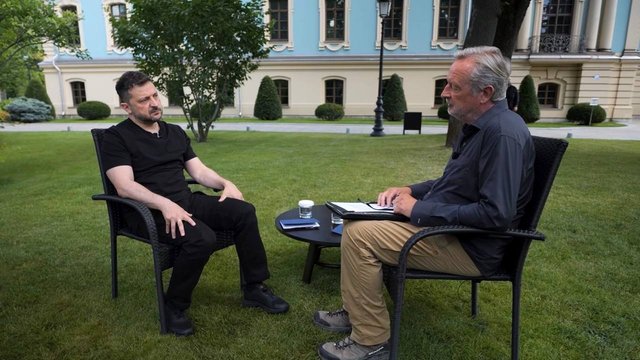
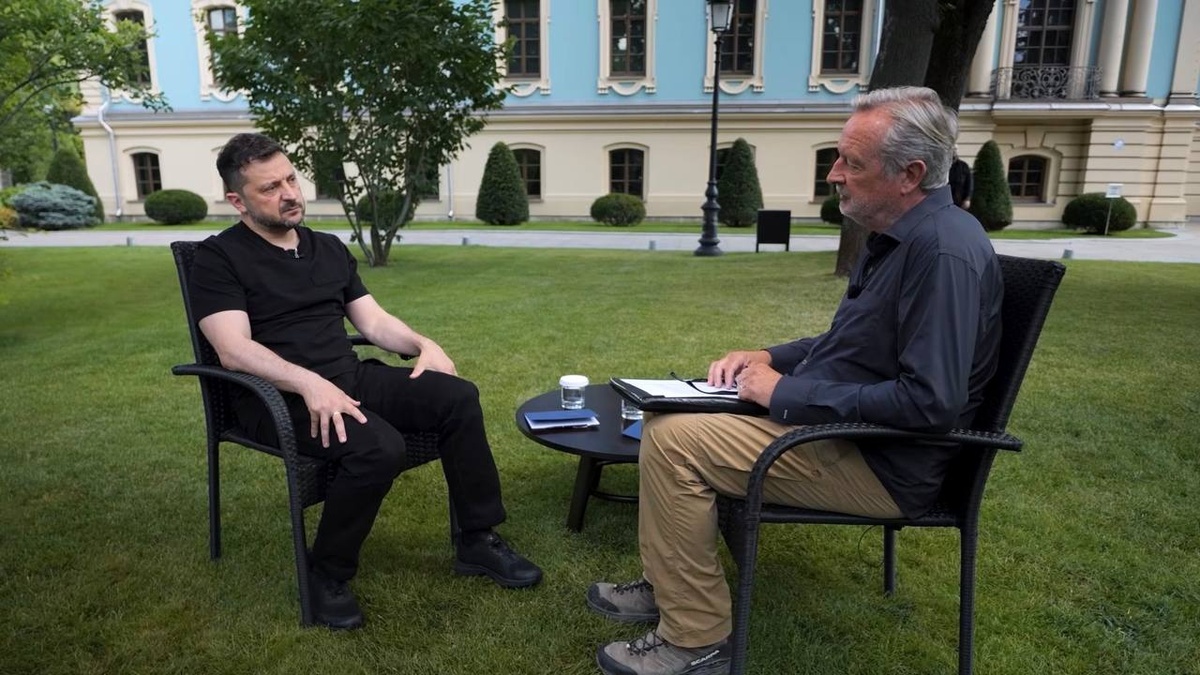
The Ukrainian view is the harshest, because for Kyiv the American war with Iran is both an opportunity and a threat. The opportunity is that pressure on Tehran weakens one of Russia’s key suppliers of military technology. President Volodymyr Zelenskyy expressed this position without diplomatic euphemisms: “the Iranians and North Koreans have already attacked us,” since Iran supplied Russia with Shahed drones, technology and other weapons. Zelenskyy made the statement in an interview recounted by Interfax-Ukraine. (interfax.com.ua)
But the risk for Ukraine is that a prolonged US–Iran war will consume precisely the resources Kyiv needs most: interceptor missiles, air-defense systems, precision munitions and the attention of the US administration. Ukrainian commentator Vsevolod Yurchenko noted in an analysis for TrueUA that after the fighting resumed, Ukraine did not disappear from the global agenda, as had been feared during the first days of the conflict. But the very need to emphasize this reveals the depth of the concern: Kyiv must constantly demonstrate that Russia’s war against Ukraine cannot become secondary against the backdrop of another crisis created by the United States on a different theater. (trueua.info)
The Ukrainian perspective also highlights a particular irony: Iran receives Russian components, ammunition and battlefield experience for its war against America, while the United States risks spending resources in the Middle East that could strengthen Ukraine’s defense against Russia. Reports of continued Russian shipments of military materiel to Iran via the Caspian Sea only reinforce the perception of interconnected conflicts. (criticalthreats.org)
Thus, the three local reactions form a single picture. Japan sees the erosion of predictability in allied commitments in Asia. India discovers that partnership with America does not guarantee a seat at the table where decisions affecting its vital interests are made. Ukraine fears that America’s war against its enemy’s supplier could simultaneously weaken the resource base of its own defense. All three countries want not merely American involvement, but American consistency. And it is precisely that—not US power as such—that is becoming increasingly difficult to see from Tokyo, New Delhi and Kyiv.
![[Canberra = Toru Inoue] On the 18th, Defense Minister Koizumi said, regarding US President Trump’s instruction to reduce the scale of joint US–South Korean military exercises, “We will promote cooperation among Japan, the United States and South Korea.” He said close communication among the countries concerned was needed to prevent any impact on deterrence against North Korea.](https://image.news.livedoor.com/newsimage/stf/e/5/e5dac_1231_b86f1dd1_ca319923.jpg)