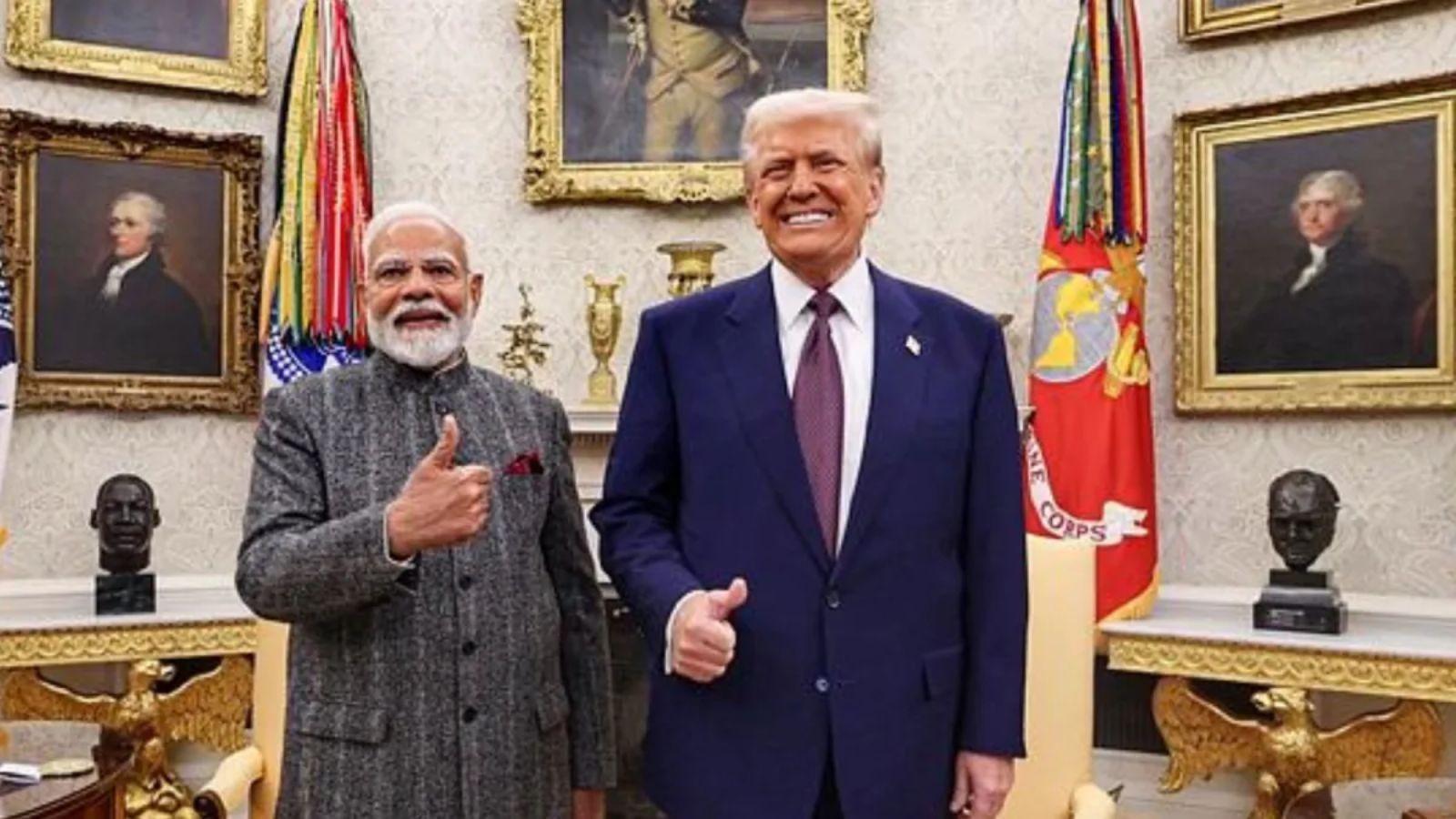
As of August 22, 2026, the image of the United States in Indian, German and French public debate is shaped not by a single sensation, but by a sense of an accumulating systemic failure. At the center of attention are the US-Israeli war against Iran, which has reached a protracted deadlock over the Strait of Hormuz; the transformation of American trade into an instrument of political coercion; and the broader question of whether national strategies can still be built on Washington’s predictability. The tone differs in the three countries, but the shared conclusion is becoming increasingly clear: American power remains enormous, yet its use has become impulsive, costly for partners and not always capable of delivering the stated result.
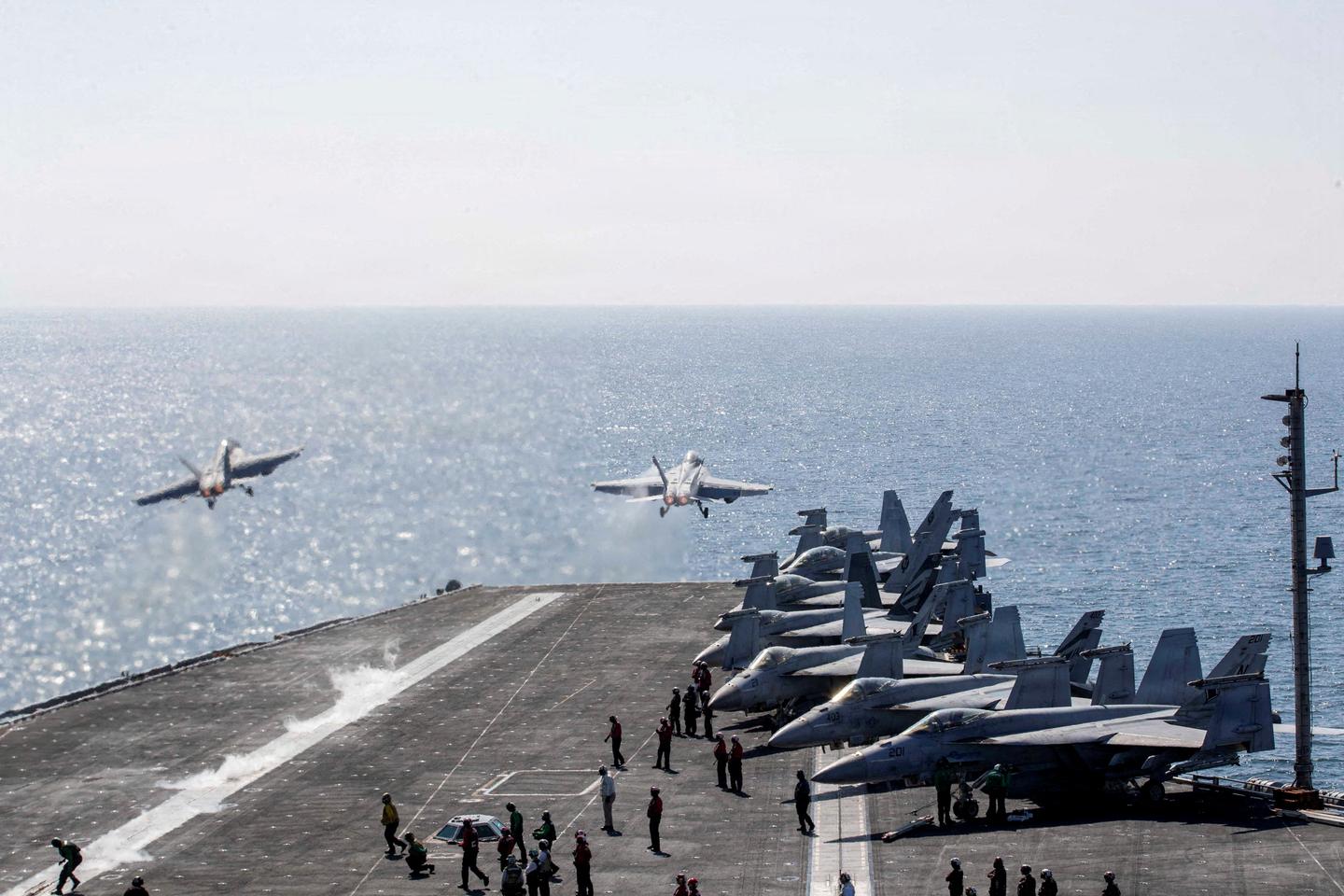
The sharpest common issue is Iran. In India, the conflict is viewed primarily through the lens of energy security and economic vulnerability. In an editorial in The Indian Express, the expiration of the 60-day US-Iran memorandum is described as the moment when the world became “hostage to a conflict that neither side is capable of ending.” For New Delhi, this is not abstract geopolitics: disruption to shipping through the Strait of Hormuz threatens oil supplies, drives up fuel costs and puts pressure on the trade balance. The newspaper urges India not to wait for a diplomatic miracle, but to accelerate the creation of strategic oil reserves and investment in alternative energy. (indianexpress.com)
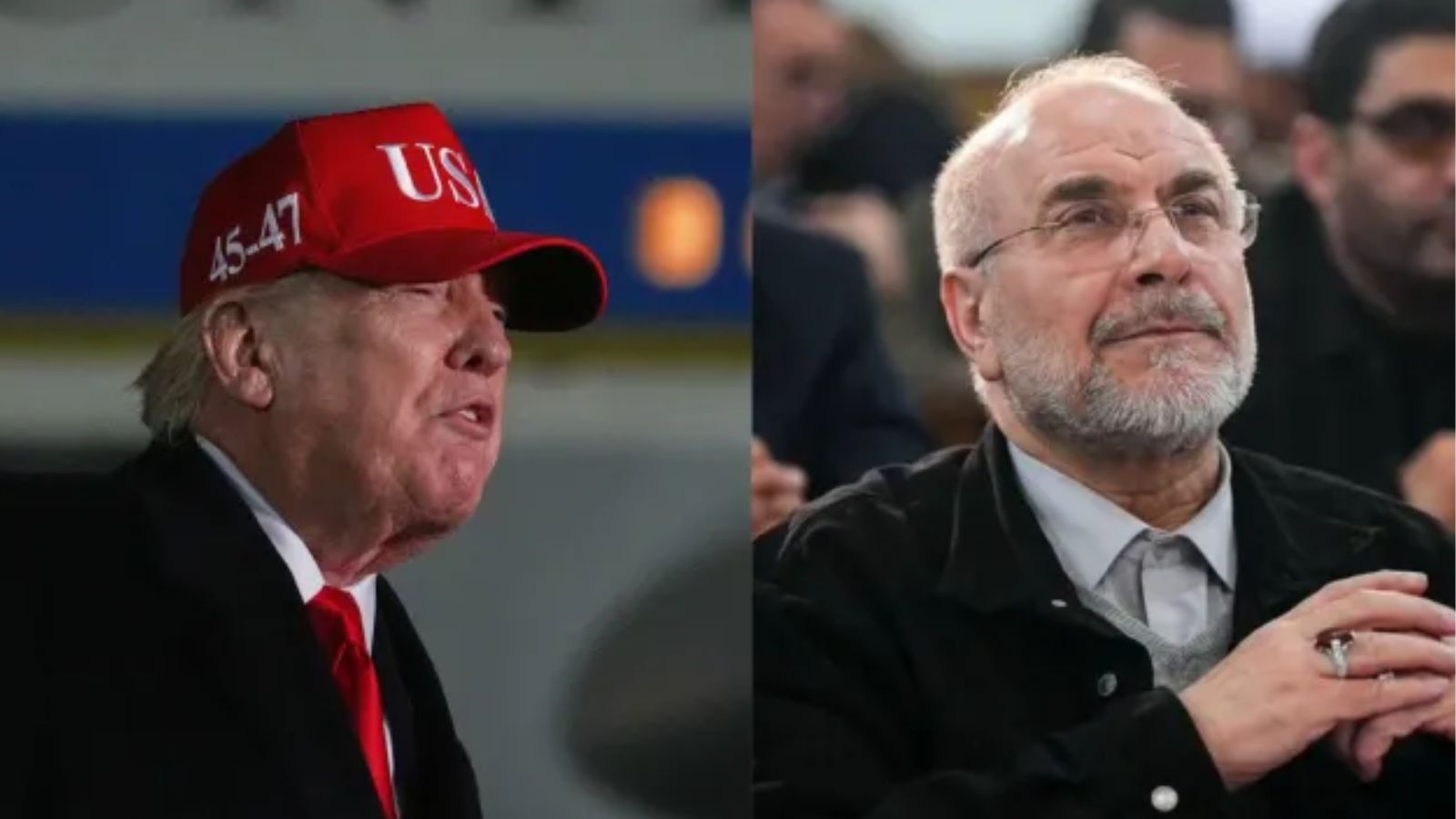
Indian commentators are also unusually harsh in assessing President Donald Trump’s strategic position itself. In a column by Khinwraj Jangid for The Indian Express, he argues that Tehran, despite America’s superiority in military power, has gained an advantage in political maneuvering: Washington has failed to change the regime, secure an acceptable deal or safely withdraw from the war. The author also points to another uncomfortable fact for the region: the Iranian authorities use the Palestinian issue as a language of anti-American mobilization, but in their own terms for a settlement they prioritize not a Palestinian state, but sanctions relief, compensation and the withdrawal of US forces. (indianexpress.com)
In Germany, the same war is perceived less as a distant crisis and more as proof that American policy is creating European risks without giving Europe a clear role in managing them. An analysis by Tagesschau highlights Trump’s formula of “unprecedented economic warfare” against Iran and asks the key question: what does it actually mean if the president does not explain the specific sanctions measures? The German assessment is particularly critical of the chain of cause and effect: before the war launched by the United States and Israel, Hormuz was open, whereas now it is precisely the resulting blockade of the strait that is driving up oil and gasoline prices, including in America itself. Political scientist Sascha Lohmann describes Washington’s policy as devoid of strategy; for German audiences, this matters more than yet another sharp statement by Trump, because it concerns an ally’s ability to control the consequences of its own decisions. (tagesschau.de)
The French press goes further still, describing the Iranian campaign as a crisis not only of strategy but also of democratic accountability in the United States. In an investigation, Le Monde calls the war “sealed off”: in the newspaper’s assessment, the White House keeps changing the language used to describe events, obscures information about casualties and fails to articulate lasting objectives. Mark Cancian, an expert at CSIS, notes that war aims usually tend to expand, but in Iran’s case they instead narrowed rapidly—from supporting protests and neutralizing missile and nuclear threats to the nearly unattainable demand that the previous regime of shipping through Hormuz be restored immediately. Le Monde also emphasizes the risk that US stocks of precision-guided munitions could be depleted—in other words, the danger that a war in the Middle East could limit America’s capabilities in other theaters. (lemonde.fr)
This is where an important difference between the countries emerges. India does not turn America’s failures into a moral verdict on the West: it is concerned with the practical question of how to preserve defense and technology partnerships with the United States, prevent an energy shock and avoid becoming subject to someone else’s sanctions regime. Germany and France, by contrast, interpret the Iranian deadlock as an argument for greater European autonomy. French correspondent Piotr Smolar, writing in Le Monde, links the conflict to the spread of “hedging”—a policy of protection against excessive dependence, in which US partners do not sever ties with Washington but simultaneously seek alternative channels of security, trade and diplomacy. For Paris, this is almost the natural language of “strategic autonomy”; for Berlin, it remains a painful, but increasingly less theoretical, conversation. (lemonde.fr)
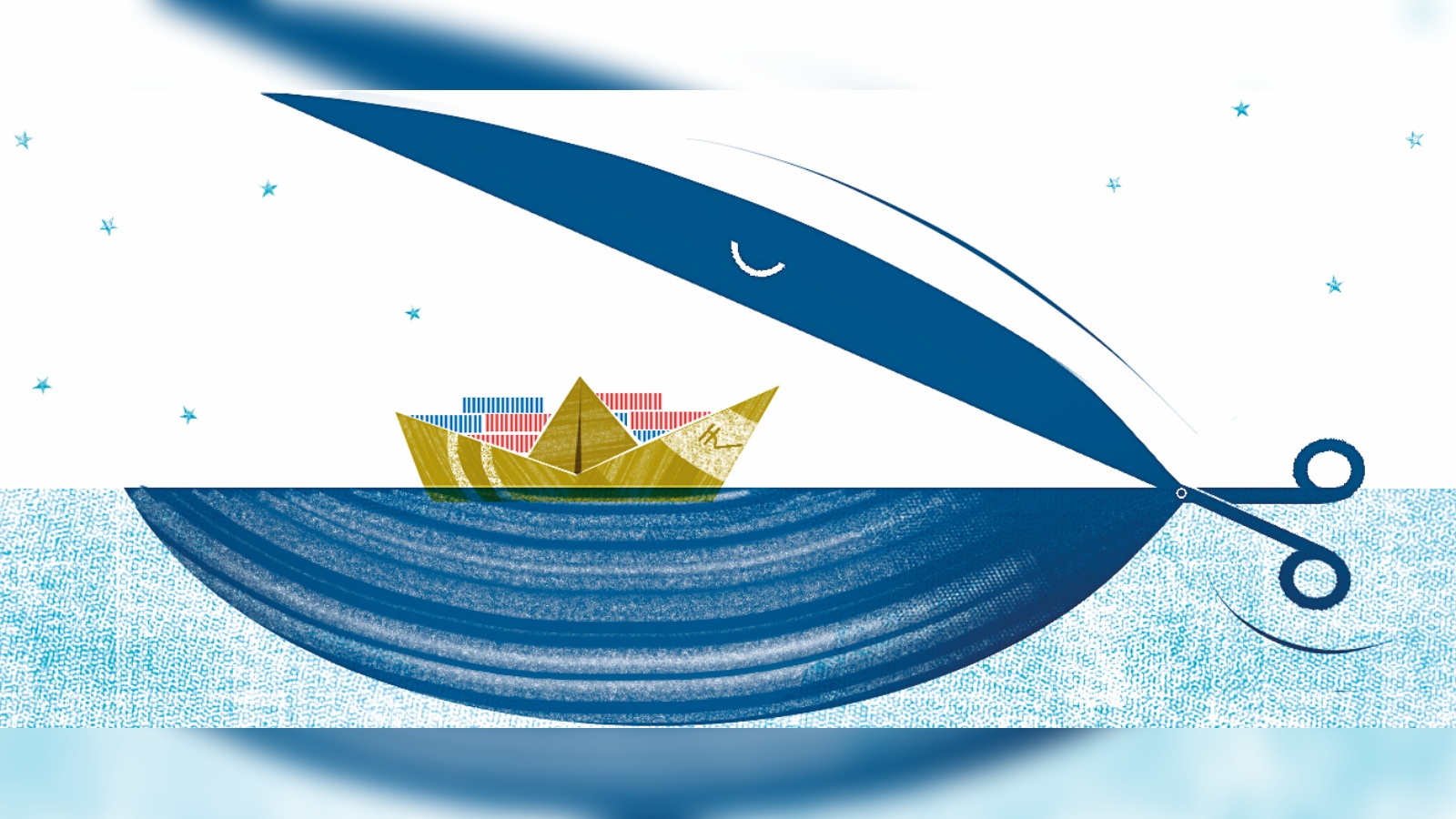
The second major issue is tariffs as a form of foreign policy. This is where India feels the American turn most directly. Economist Manoj Pant, in his column for The Indian Express, asks whether negotiations on a trade agreement with the United States are becoming a meaningless ritual: if the White House unilaterally threatens 100% tariffs on Indian pharmaceutical shipments starting in 2028 and 200% tariffs the following year, what kind of predictable deal can there be? The Indian view is notably pragmatic: the author does not propose breaking relations with the United States, since the American market, the QUAD and the balance of power in the Indo-Pacific remain critically important. But he urges India not to take the US market for granted and to accelerate trade diversification. (indianexpress.com)
Another Indian expert, Ajay Srivastava, offers an even broader interpretation in an analysis for The Indian Express: the problem lies not in one tariff or one presidential order, but in the emergence of a “tariff state.” In his view, Congress is beginning to give this policy a more durable legislative form, while tariffs themselves are increasingly being used not to resolve trade disputes but to achieve foreign- and domestic-policy objectives. For India, which supplies a significant share of affordable generic medicines to American patients, this looks like a policy capable of harming not only exporters but also consumers in the United States itself. (indianexpress.com)
French and German commentary does not experience the Indian pharmaceutical risk to the same degree, but it recognizes a familiar pattern: the United States is increasingly and freely combining security, sanctions, market access and political loyalty. As a result, in the European view, the dispute over Hormuz and the dispute over tariffs are not two separate stories, but one. In both cases, partners are confronting a Washington that can rapidly mobilize resources but is increasingly transactional in its actions: support comes at a price, while disagreement brings the threat of economic or political punishment.
The most unexpected common conclusion among local observers is that this is not about the imminent “end of America.” Neither India, Germany nor France is seriously writing the United States off. India still needs American technology and the containment of China; Germany needs America’s NATO capabilities; and France needs transatlantic cooperation, even when it speaks most loudly about autonomy. But trust is changing form. Instead of expecting Washington to provide order, more and more people are talking about the need to withstand American unpredictability: stockpiling energy, diversifying markets, expanding their own defense capabilities and maintaining channels of negotiation with those whom the United States is trying to isolate.
This is the main international effect of America’s current crises. In India, they have produced a language of calculation and economic self-protection. In Germany, they have generated anxiety about a strategy that creates instability faster than it offers a way out. In France, they have fostered an almost doctrinal conviction that the era of automatic reliance on the United States is over. American power has not disappeared; but in the eyes of these three countries, it increasingly looks not like a guarantee of order, but like a factor whose consequences they must protect themselves against.