By mid-August 2026, perceptions of the United States in Germany, Saudi Arabia and Russia have come to revolve around the same troubling formula: Washington still possesses enormous military, financial and trade power, but is increasingly unable to turn that power into a stable order. The main subjects of local debate are the US war with Iran and the fate of the Strait of Hormuz, new American tariffs, and the White House’s readiness to change the terms of deals almost in real time. Yet the conclusions drawn in the three countries differ. In Germany, there are fears that American unpredictability is undermining the economic rules on which Europe’s export model rests. In Saudi Arabia, the United States is assessed primarily through the security of oil infrastructure and maritime routes. In Russia, the American approach is interpreted as an attempt to force rivals into agreements through the use of power—a strategy capable of creating crises faster than it can resolve them.
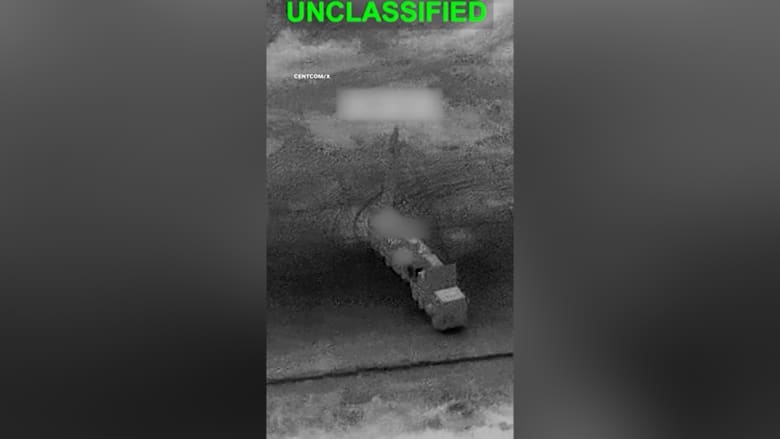
The Iranian crisis is attracting the sharpest discussion. In an analysis published on July 19, Germany’s Tagesschau described the situation in highly practical terms: daily US strikes on Iranian targets had already been accompanied by retaliatory attacks against Persian Gulf states. For German audiences, this is not a distant regional war but a threat to energy supplies, inflation and industrial recovery. German markets had already reacted to a combination of high oil prices, the near-halt of tanker traffic through the Strait of Hormuz, and Houthi attacks on Saudi tankers in the Red Sea; a Tagesschau market report explicitly called this a double blow to two key maritime routes of global trade. (tagesschau.de)
The Saudi perspective is considerably less abstract. For Riyadh, the issue is not who will make the loudest claim of victory over Tehran, but who will pay for the conflict to continue. Arab economic discussions stress that Gulf states need not the highest possible oil price, but a combination of an acceptable price and secure export routes: even expensive crude cannot offset the risks if Hormuz is closed and the Red Sea also becomes dangerous. In an Al Jazeera Arabic analysis, this logic was expressed particularly clearly: Saudi Arabia and the UAE’s partially available alternative pipeline routes reduce their vulnerability, but do not eliminate it. (aljazeera.net)
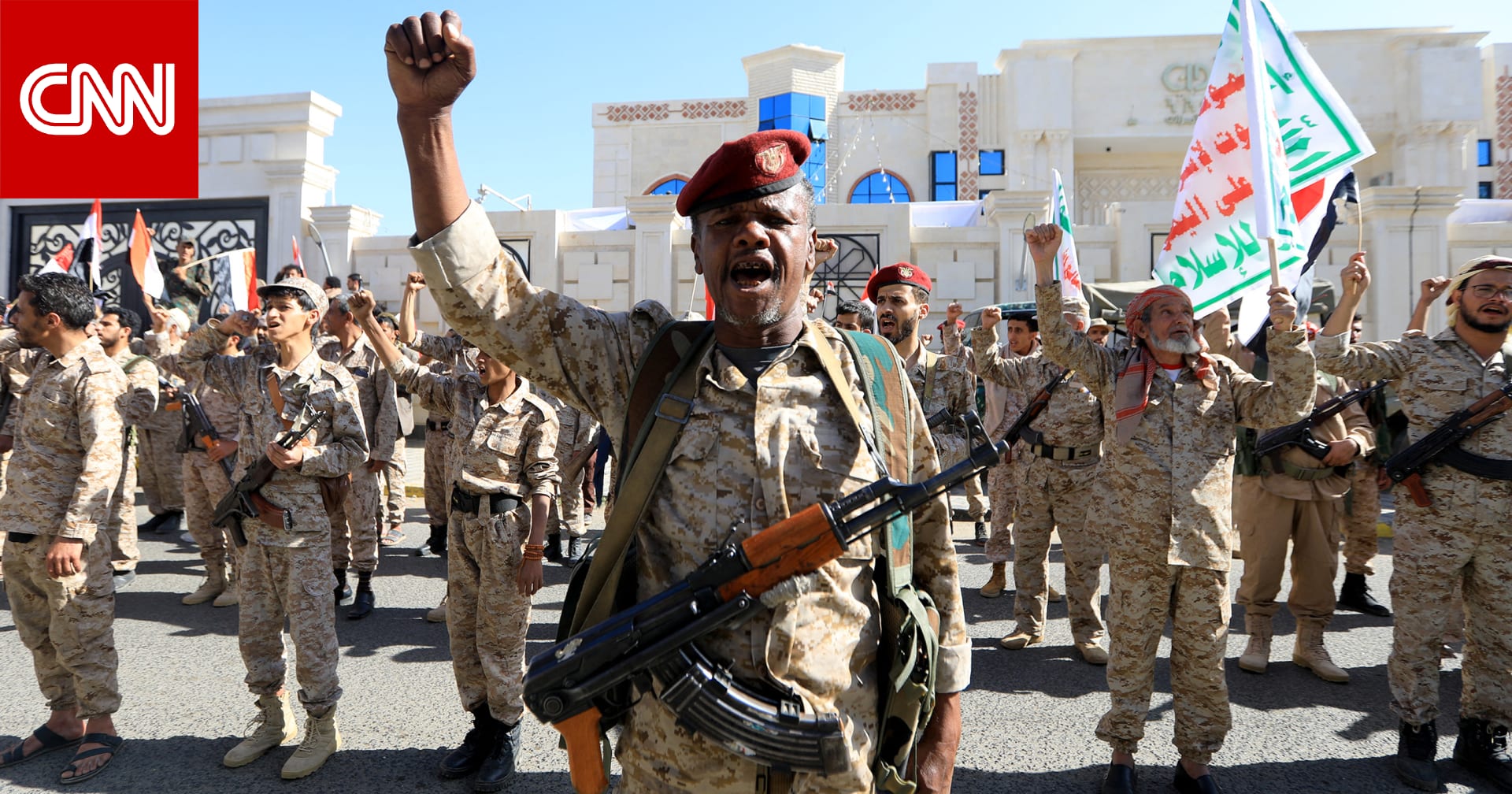
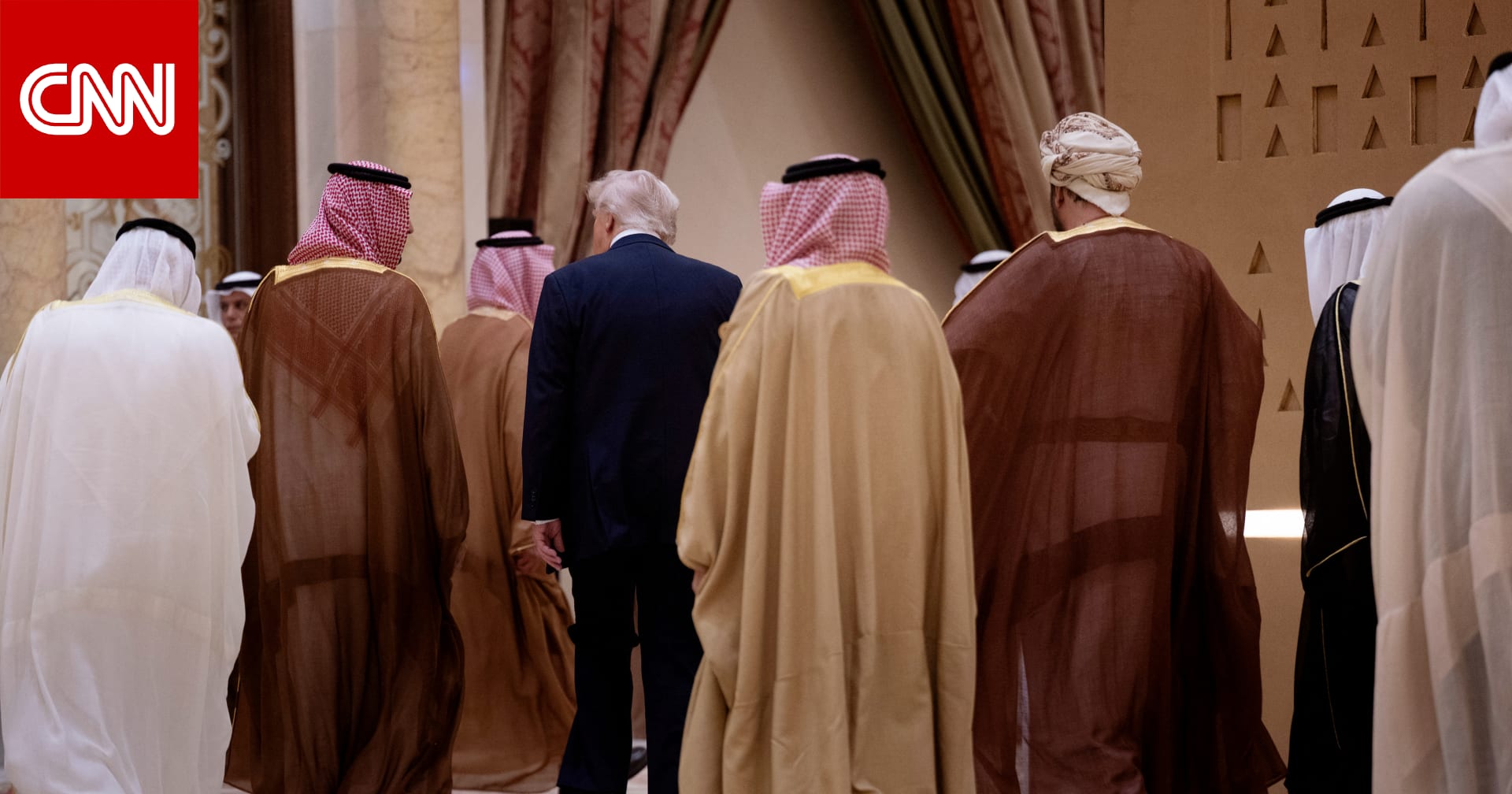
This also explains an important feature of the Saudi reaction to the American campaign: it is neither anti-American nor unconditionally supportive of the United States. Washington remains the kingdom’s main external military partner, but its actions are judged by whether the American presence is turning the allies themselves into targets. A CNN Arabic report on Gulf states’ concerns noted that the region fears the US-Iranian confrontation could turn into a wider war, including through the Yemen theater. In a commentary on the US-Iran agreement, Firas Maksad, Eurasia Group’s managing director for the Middle East, articulated the concern of the regional elite: the perception of America as a reliable strategic ally has become the subject of serious doubt. (arabic.cnn.com)
In Russia, the same conflict is read differently—not as a test of US reliability as an ally, but as evidence of the limits of American coercion. Russian commentators repeatedly return to the contradiction between Washington’s military superiority and its inability to control Hormuz for long without a highly risky ground escalation. In a RIA Novosti commentary, expert Farhad Ibrahimov characterized the US strikes as an attempt to push Tehran more quickly toward a deal on American terms, but questioned the prospects for a lasting agreement. Another Russian analysis, published by RIA Novosti Crimea, gave this model a blunt name: “strategy—chaos.” (ria.ru)
This is not merely a propagandistic tone. Russia’s expert community sees Iran’s ability to threaten shipping as an example of asymmetric warfare: the weaker side does not need to defeat the United States in a direct confrontation; it is enough to raise the cost of American actions for the global economy and Washington’s allies. In an assessment cited by RIA Novosti, closing the Strait of Hormuz was described not as an act of desperation but as a prepared tool for raising the stakes. This interpretation is also convenient for Moscow because it connects the Persian Gulf crisis with a broader idea: sanctions, naval blockades and attacks on infrastructure are increasingly becoming not instruments of settlement but an independent form of economic warfare. (ria.ru)
The second common theme is tariffs. Here, Germany feels the American shift more painfully than the others. New US duties on dozens of trading partners, including the EU, have once again made exports to America politically dependent on decisions made by the White House. Deutsche Welle reported on July 24 that rates of 10% and 12.5% had been imposed on various groups of partners, while German journalists linked this uncertainty to existing energy and production risks. (amp.dw.com)
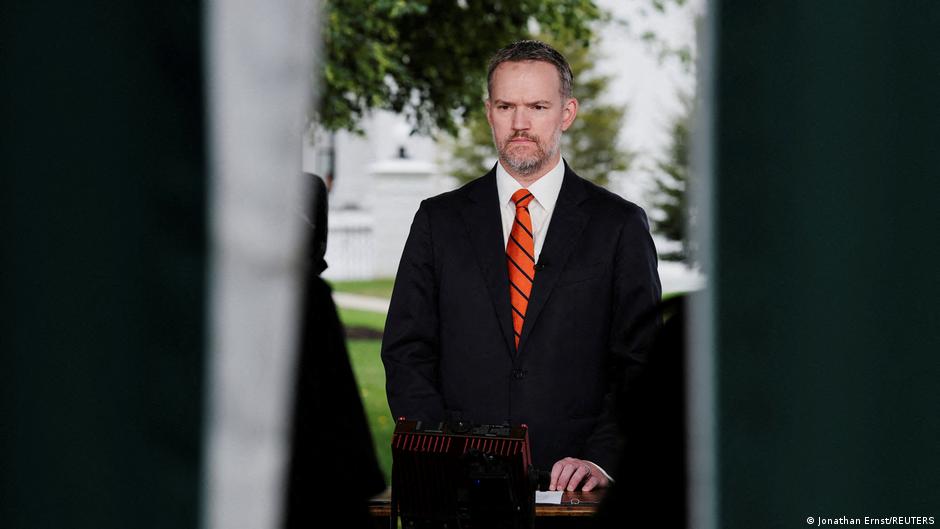
At the same time, neither Berlin nor German business has adopted a single response of “breaking with America.” Instead, pragmatism is growing: shifting some production to the United States, passing tariffs on to American buyers, seeking new markets and pursuing European trade agreements. In a Tagesschau report on a year of American tariffs, German companies acknowledged that some costs had been passed on to customers in the United States, but identified the constant changing of rules as the central problem. Roland Rohde of Germany Trade & Invest believes that the competitiveness of German manufacturers has “hardly suffered” so far, but for small and medium-sized businesses, simply having to monitor new tariff regimes every day is becoming a cost in itself. (tagesschau.de)
Saudi Arabia views the tariff issue more calmly, but there too it has ceased to be secondary. Calculations by Al-Eqtisadiah’s financial division, published by Arab News, estimated possible additional tariff costs for Saudi exports to the United States at nearly $600 million. For the kingdom, this is not an existential threat, but it is a significant signal: even a partnership with Washington no longer guarantees immunity from American economic pressure. (arabnews.com)
The result is an unusual common picture. Germany, Saudi Arabia and Russia disagree on nearly every fundamental issue, from Ukraine to Iran and sanctions. But in assessing the American style, they are increasingly converging: the United States is now perceived less as an architect of predictable rules than as a state that negotiates, threatens, imposes tariffs, uses force and then offers a deal—all at once. Germany is responding by diversifying its markets and production. Saudi Arabia is trying not to choose between the United States and regional diplomacy. Russia is betting that America’s policy of pressure will inevitably create new cracks in the Western system. The most unexpected common conclusion is that the dispute is no longer about whether America is powerful. In Berlin, Riyadh and Moscow, the question increasingly being asked is different: can America still be a force with which long-term plans can be built?