In mid-August 2026, the United States is provoking a reaction in France, South Korea and South Africa united by one perception: American power is no longer automatically seen as stabilizing. The main issue is the new uncertainty surrounding the U.S.–Iran conflict, the Strait of Hormuz and American demands on partners. But deeper questions lie beneath it: can Washington’s agreements be trusted, who will pay for the security of maritime routes, and does the United States have the right to turn trade, aid and participation in international forums into instruments of political coercion?
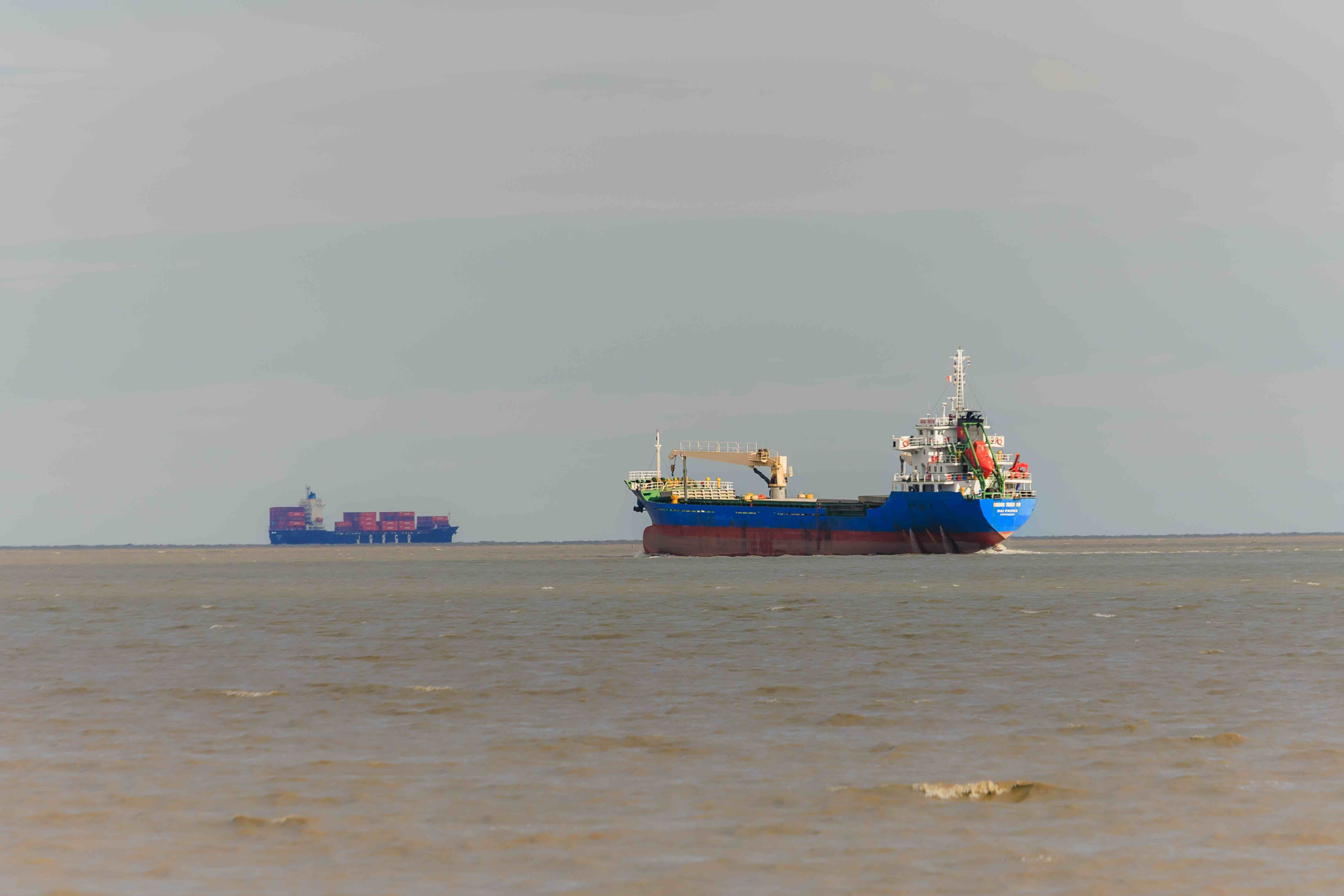
In the French debate, the American strategy toward Iran is described above all as an example of dangerous inconsistency. Paris does not reduce the issue to sympathy or antipathy toward Tehran: for French experts, the key question is how the military campaign launched by the United States and Israel on February 28 turned into a struggle for control of Hormuz and a threat to global trade. Clément Therme, a researcher at the French Institute of International Relations, directly called this transition a “battle for Hormuz” in an Ifri commentary. The geography is not the only important element in this formula: France sees that the conflict has ceased to be a local operation against Iran and become a test of the United States’ ability to manage the consequences of its own decision.
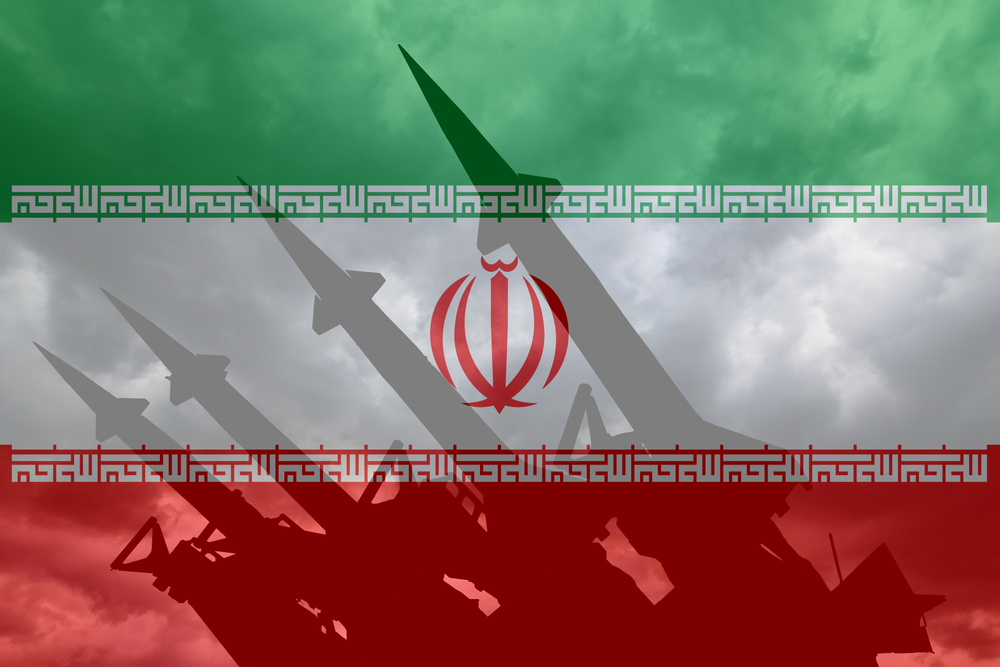
French anxiety is both strategic and political. Strategically, it is linked to risks to shipping, energy prices and the European economy. Politically, it stems from the fact that the U.S.–Iran memorandum of June proved to be not a lasting peace, but a postponement of a new phase of the conflict. Historian Pierre Razoux stressed in an analysis for Public Sénat that it was merely a nonbinding memorandum under international law and had not received parliamentary approval. The French conclusion is therefore that diplomacy built around a personal “deal” by the U.S. president may halt the fighting temporarily, but cannot replace a durable agreement, verification mechanisms and collective diplomacy.
It is particularly noteworthy that France does not regard American military power as a guarantee of a well-conceived strategy. Ifri Director Thomas Gomart noted that Iran had used its main resource—geography—to strike not so much at its opponents’ armies as at the global economy, and that Washington, in his assessment, was unprepared for this. The idea is developed further in the institute’s analysis: U.S. power is being called into question not because it has disappeared, but because it failed to prevent the war’s most predictable consequence—the transformation of Hormuz into a lever of pressure on the entire world. For French audiences, this is another argument in favor of European strategic autonomy: not a break with the United States, but the ability to act when American decisions create threats that Europe must then contain collectively.
In South Korea, the same story sounds less ideological but far more material. Seoul is discussing not so much the merits of American Middle East policy as a concrete question: how long can the country’s economy function with unstable access to Middle Eastern oil and gas? In a special report, the Korea Institute for Industrial Economics and Trade warned that even after the formal end of the war, risks surrounding Hormuz had not disappeared: sanctions, Iran’s nuclear program, enforcement of agreements and shipping were all deferred to subsequent negotiations. In other words, for Korea, “peace” does not mean the restoration of previous prices, routes and insurance premiums.
This perspective received fresh confirmation in early August, when Donald Trump canceled a planned strike, citing an emerging agreement to open the strait, although Iran’s actual acceptance of those terms remained unclear, as Hankyoreh noted. In the Korean view, this is not a diplomatic intrigue taking place somewhere far from the peninsula: the country imports about 70% of its oil from the Middle East, while the industry already considers supplies after September particularly vulnerable, as Maeil Business reported. The central concern in South Korea’s reaction is therefore the ally’s dependence on U.S. decisions, over which Seoul has only limited influence.
This leads to a second, more delicate Korean issue: American pressure on allies to participate in ensuring freedom of navigation. Seoul is publicly trying to avoid appearing to be a country ordered to send ships. The presidential administration said that the United States had not formally requested the deployment of warships, but that Korea was considering “options for a practical contribution.” This wording appears in a report by Kyunghyang Shinmun. It reflects South Korea’s ambivalence: the security of Hormuz is indeed a vital national interest, yet direct involvement in the American confrontation with Iran could create new risks—from retaliatory threats to shipping to complications in relations with other regional players. Unlike France, where the discussion centers on European autonomy, Korea is debating a narrower but painful question: where does alliance solidarity end and involvement in someone else’s war begin?
South Africa views the United States through a completely different, yet related, lens: sovereignty and Washington’s right to determine who counts as an acceptable partner. Pretoria condemned the U.S.–Israeli strikes as a violation of the prohibition on the use of force enshrined in the UN Charter, in an official government statement. It later welcomed the U.S.–Iran memorandum as a chance for the immediate and permanent cessation of military operations, as reported by South Africa’s Department of International Relations and Cooperation. This sequence is telling: South Africa criticizes the war itself but does not reject diplomacy when it reduces risks to the region and the Global South.
However, in the local debate, the conflict over Iran cannot be separated from the broader confrontation with the United States. American complaints about land reform, affirmative action, and Pretoria’s relations with Iran and Palestine are seen as an attempt to place South Africa’s domestic policy under external supervision. In March, the U.S. ambassador presented the government with five conditions for improving relations, including distancing itself from Iran and changing its land-reform policies, as reported by the Associated Press. For South African politicians and commentators, this is not merely diplomatic toughness but a return to a logic in which the United States recognizes a partner’s equality only on the condition of political loyalty.
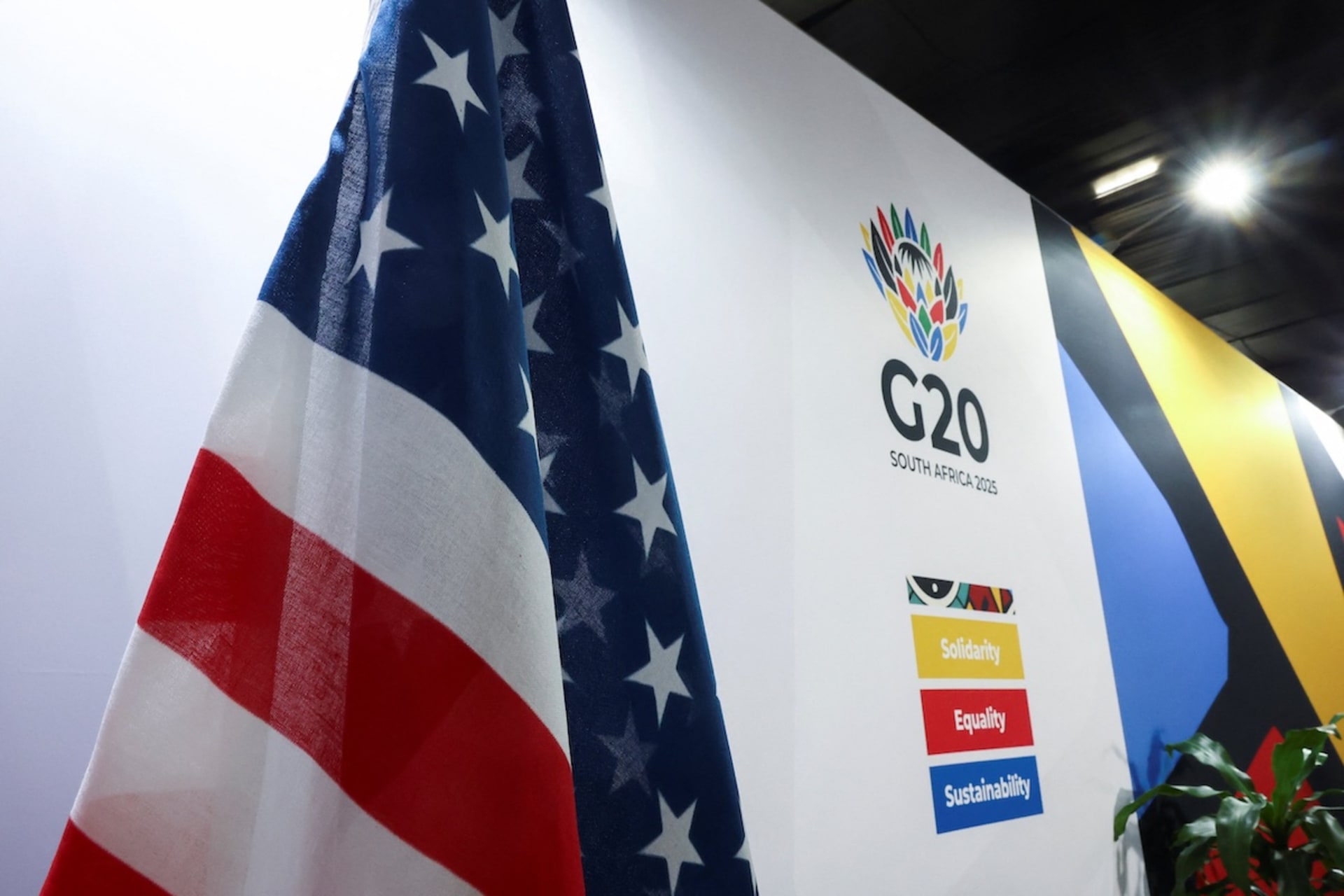
That is why the question of the G20 is perceived as particularly painful. The U.S. presidency of the group in 2026 and South Africa’s exclusion from the summit in Miami became symbols of the use of a multilateral forum as an instrument of punishment. An analysis by the Council on Foreign Relations notes that Washington intends to narrow the G20 agenda to “basic” economic issues, while South African priorities—solidarity, equality, sustainability and the debt burden of poor countries—were characterized in the United States as inconsistent with the America First agenda. For Pretoria, this is not a procedural dispute but a struggle over whether Africa’s voice in the global economy will be recognized as legitimate.
The overall conclusion from the French, South Korean and South African reactions is not reducible to anti-Americanism. In all three countries, the United States remains too important—as an ally, market, military power and center of the global financial system—to simply ignore. But the nature of the relationship is changing. France fears Washington’s strategic improvisation; South Korea is calculating the cost of dependence on American decisions and calls for a “contribution”; South Africa is resisting the transformation of American foreign policy into a test of political obedience. America still sets the international agenda, but increasingly as a factor against which others must insure themselves.



![South Africa welcomes the signing of a Memorandum of Understanding (MoU) between the United States of America and the Islamic Republic of Iran, declaring the immediate and permanent termination of military operations on all fronts, including in Lebanon, as well as the undertaking not to initiate any war or military operation and to refrain […]](https://dirco.gov.za/wp-content/uploads/2024/11/DIRCO-Issued-by-Statement-scaled-e1732873060202.jpg)