In Israeli, Saudi and South Korean discussions of the United States, one question now overshadows any single news story: can the administration of Donald Trump wage war on Iran, keep global energy routes open and honor its commitments to allies—all without subordinating everything to the electoral logic of the US midterm elections on November 3, 2026? In each of the three countries, American policy is viewed primarily through the lens of that country’s own vulnerabilities: in Israel, through its freedom to act against Iran and the future of bipartisan support; in Saudi Arabia, through the security of the Strait of Hormuz and oil exports; and in South Korea, through energy inflation, trade pressure and the cost of its military alliance. (israelhayom.co.il)
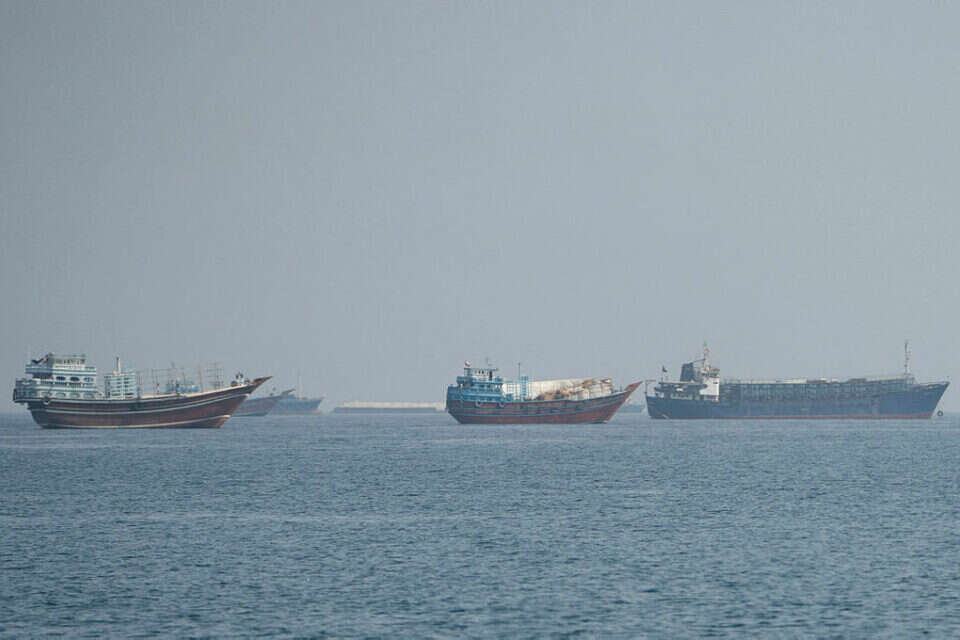
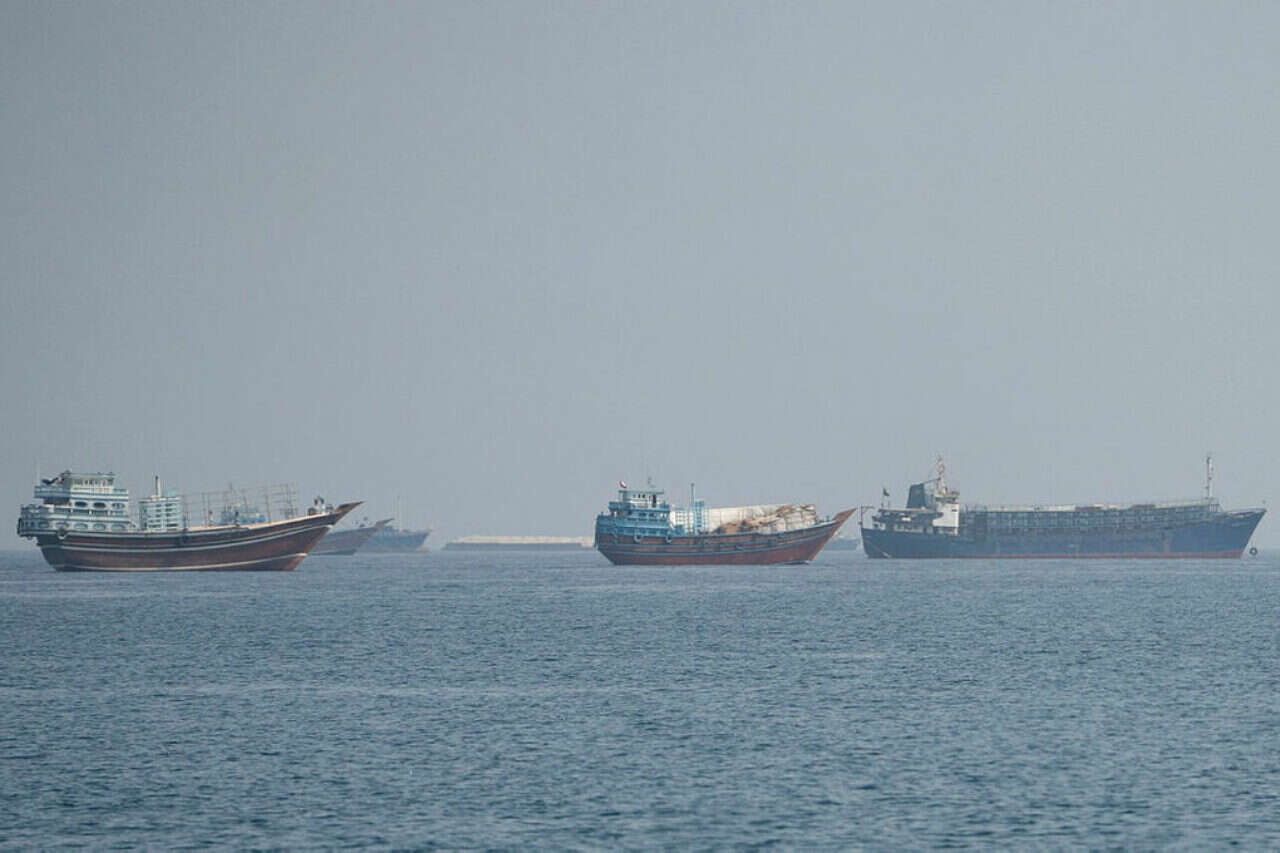
The main theme linking these discussions is Hormuz, which local commentary no longer treats as merely a narrow sea passage, but as a test of American power. Israeli analyst Jesse Weinberg writes in a column for Israel Hayom that the United States has managed to restore about 80 percent of prewar oil flows through its naval blockade of Iran, ship escorts and alternative pipelines. But he sees this not as a final victory, but as a dangerous trap: maintaining superiority over the long term requires ships, munitions and political attention precisely when Washington must compete with China in the Indo-Pacific. The Israeli view is therefore ambivalent: the American operation is necessary to deter Iran, but its success could deplete the very resources Israel is counting on in a future escalation. (israelhayom.co.il)
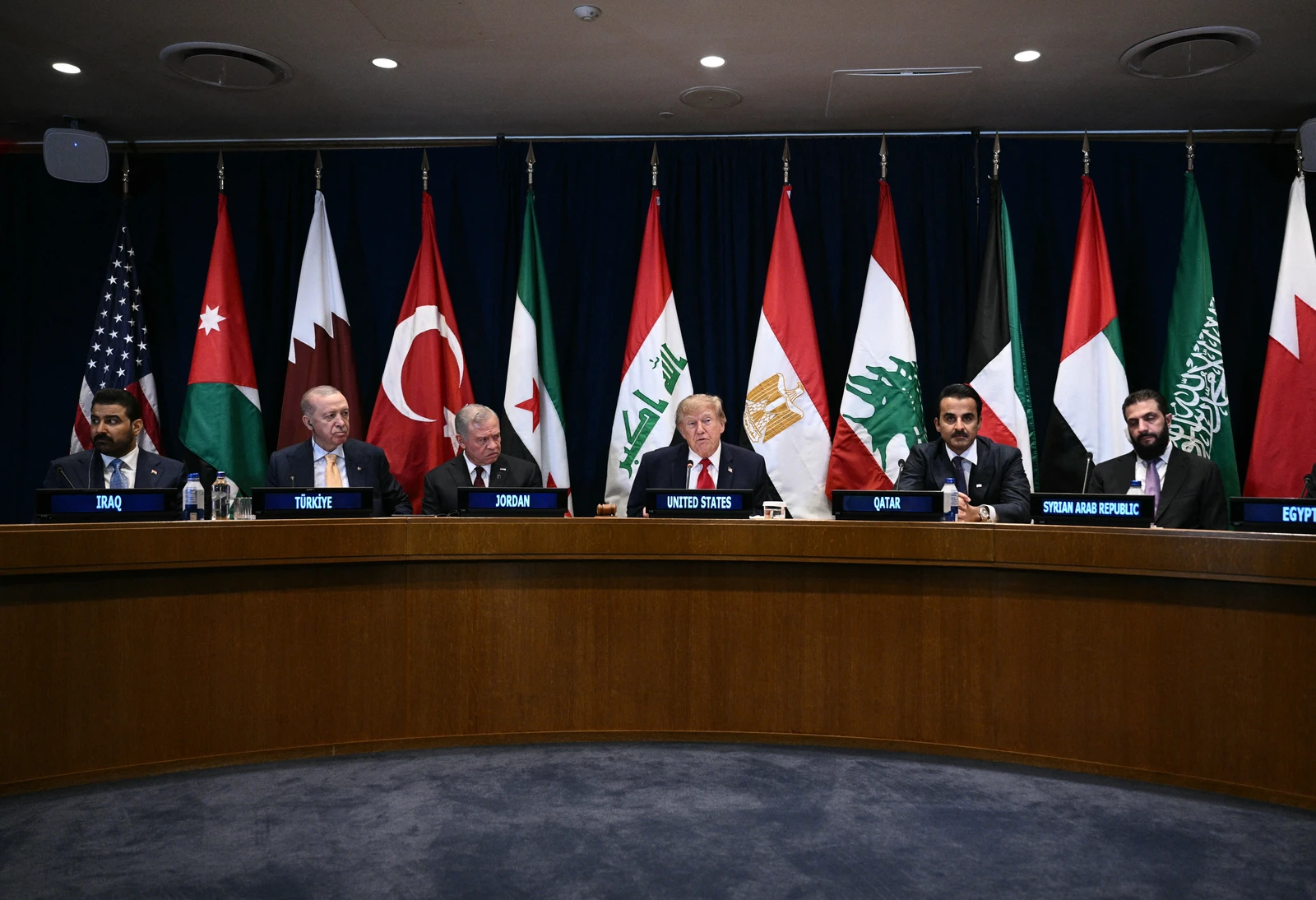
Saudi Arabia’s response is markedly less bellicose and more pragmatic. For Riyadh, the question is not “Will the US defeat Iran?” but rather, “Will it create a stable order in which oil, gas and trade are not held hostage to another round of war?” In an article by Zaid M. Belbagi for Arab News, the US-Gulf Cooperation Council summit is described as a signal that Gulf states have become central both to American military planning and to the search for a political settlement. The author draws particular attention to Saudi Arabia’s reopening of the East-West Pipeline: this is not just a technical way around Hormuz, but also a means of reducing the kingdom’s dependence on decisions made in Tehran and on the pace of the US naval operation. (arabnews.com)
Saudi media, however, do not see infrastructure as a substitute for diplomacy. Saudi commentator Hassan al-Mustafa stresses in his commentary that freedom of navigation must be restored to prewar levels, but that a US agreement with Iran cannot be “a private US-Iranian affair.” In this view, Gulf states do not want to become either Washington’s passive rear guard or a party to an endless war; they need a deal that would compel Iran to abandon pressure through proxy forces and maritime threats. This marks an important difference from Israel’s tone: Jerusalem is primarily concerned that a diplomatic pause would give Iran time, while Riyadh fears that the absence of viable diplomacy will make war the norm. (arabnews.com)
South Korean observers view the same Strait of Hormuz through the pocketbook of an industrial economy. In the Korean press, the conflict is seen not as a distant Middle Eastern drama, but as an accelerant of imported inflation and a risk to export-oriented manufacturing. Chosun Biz describes Tehran’s strategy: drag out negotiations without giving Trump a foreign-policy victory before the midterm elections, while keeping oil prices high by threatening shipping. For Seoul, this is an especially troubling scenario: American domestic politics could prolong the energy crisis, even though Asian importers bear most of the cost of instability. (biz.chosun.com)
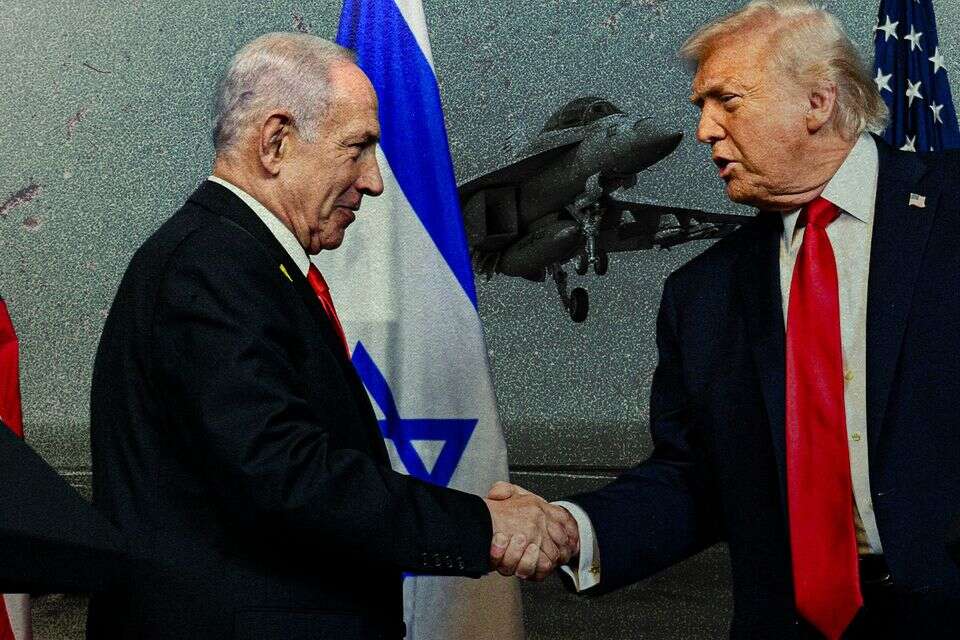
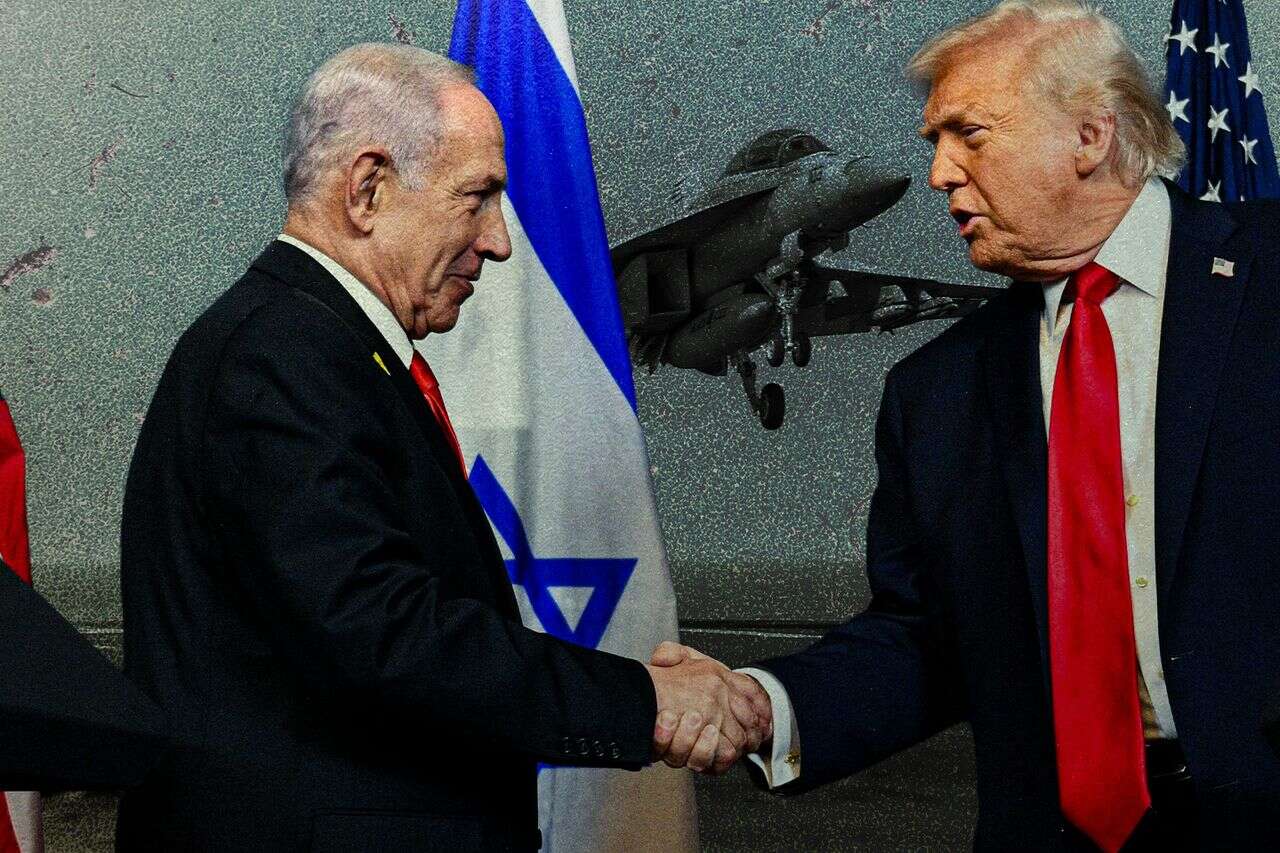
The US elections have become the second common theme. The Israeli press discusses them with almost existential anxiety. In an Israel Hayom analysis, a possible Democratic victory is described as a risk to Trump’s room for maneuver on Iran and Israel: an unpopular war, rising gasoline prices and the effects of tariff policy are weakening Republicans, while Democratic control of Congress could complicate White House appointments, funding and foreign-policy initiatives. What matters here is not partisan sympathy in itself, but the sense that the longstanding bipartisan support for Israel in the United States is eroding. Another Israeli column cites an April Pew poll, according to which 60 percent of Americans already view Israel unfavorably. (israelhayom.co.il)
The Saudi newspaper Al Riyadh offers a cooler reading of the American electoral cycle. In its analysis of the elections, it warns against the temptation to explain every American foreign-policy move solely in terms of the November vote: wars, markets and crises, the author notes, impose their own timetable on Washington. But the caveat is telling. Saudi readers clearly recognize that American policy is constrained by domestic fuel prices and voter sentiment, and therefore prefer to build security through regional mechanisms, pipelines and negotiations rather than rely on a single promise of American protection. (alriyadh.com)
In South Korea, the US elections are also seen as a source of unpredictable economic pressure. The clearest example is the Alaska LNG project. After Trump publicly announced South Korean investment, Minister of Trade, Industry and Energy Kim Jung-kwan said Washington had gone far beyond what was agreed, and Seoul immediately and forcefully objected to US Commerce Secretary Howard Lutnick. According to Korea Economic Daily, the White House spoke of $50 billion for Alaska, although the South Korean side had not yet agreed either to the investment itself or to its size. For South Koreans, this is not just a dispute over gas: it illustrates “transactional” alliance relations, in which security, access to the US market and investment demands can be bundled together. (hankyung.com)
At the same time, Seoul does not conclude from American unpredictability that the alliance is unnecessary. On the contrary, South Korea’s debate distinguishes the alliance from its current political cost. A poll reported by Korea Economic Daily found that 71 percent of Americans surveyed would support deploying US troops in the event of a North Korean invasion, while 58 percent would approve of South Korea developing nuclear-powered submarines. At the same time, 71 percent opposed Seoul acquiring nuclear weapons of its own. For South Korean readers, this is an important signal: American society remains willing to defend its ally, but prefers that it strengthen itself within the US deterrence framework rather than become a fully autonomous nuclear power. (hankyung.com)
The result of these three local debates is paradoxical. The United States is still seen as an indispensable power—the only one capable of protecting shipping through Hormuz, containing Iran and supporting its allies all at once. But trust in America is increasingly based not on declarations, but on calculations of risk. Israel fears that Washington may be politically constrained precisely when the next war breaks out; Saudi Arabia wants American power to serve a durable regional agreement, not endless confrontation; South Korea seeks to preserve the US military shield without making its economy collateral for American electoral politics. The common conclusion among local observers is simple: America remains at the center of the security system, but its allies are increasingly looking for ways to insure themselves against America’s own volatility.