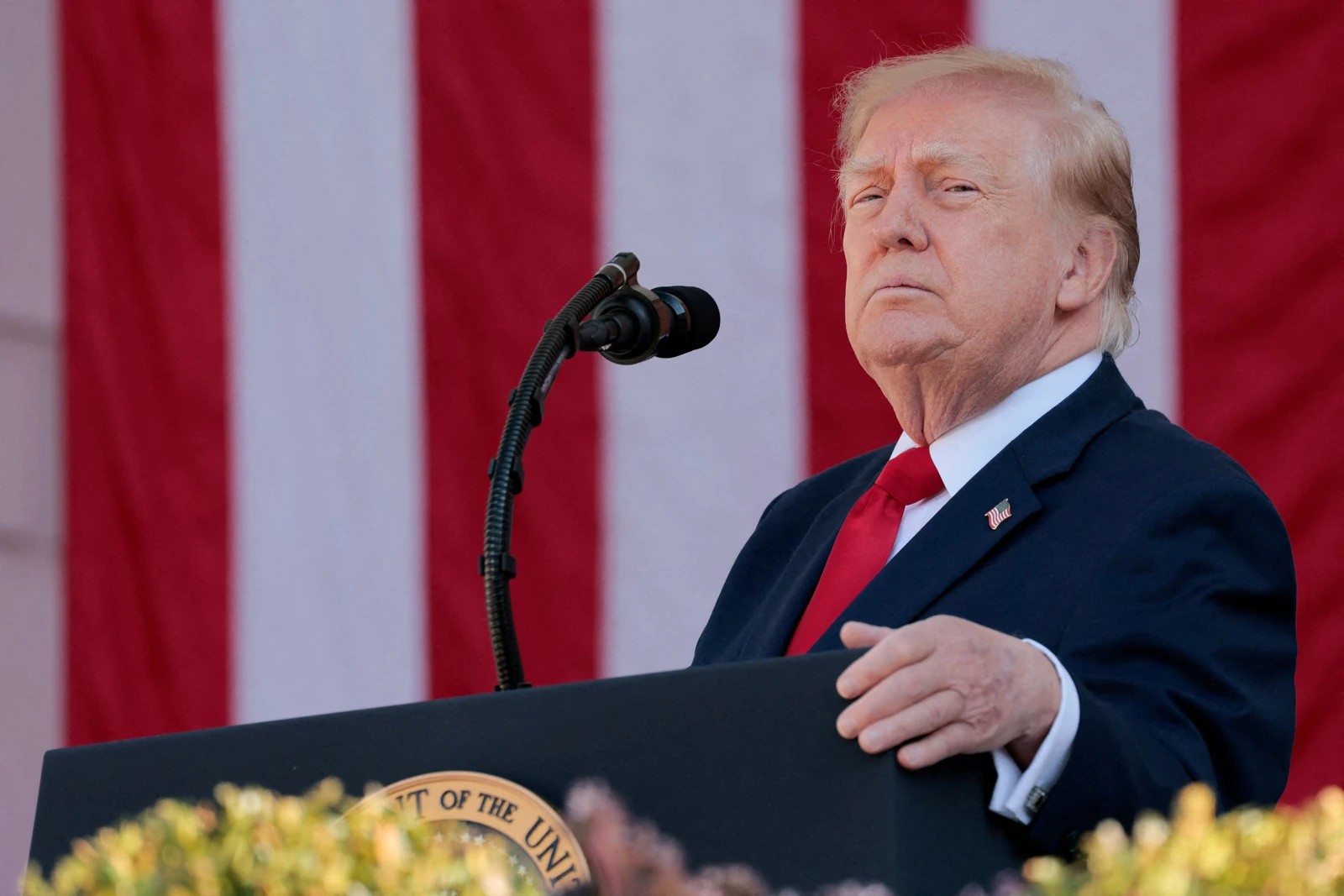
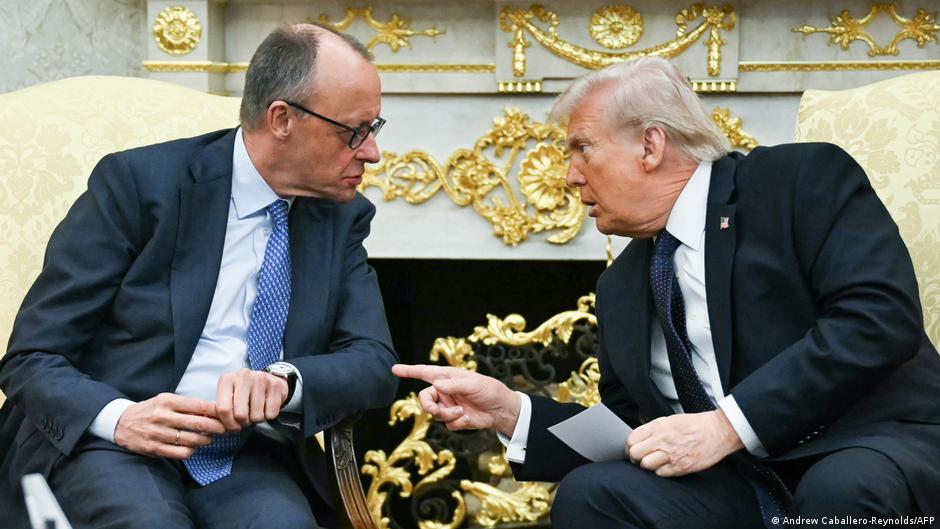
As of November 19, 2026, the United States is discussed in Saudi Arabia, Israel and Germany less as a familiar ally than as an unpredictable center of power whose decisions shape war, security, energy prices and domestic politics in other countries. The main issue is the possibility of renewed US strikes on Iran after months of war: Riyadh is pushing for restraint, Berlin hopes for negotiations, while a significant part of Israel’s political and military establishment is urging Washington not to stop. The White House itself is sending mixed signals: Donald Trump has reportedly indicated he may forgo a new major campaign if there are no provocations, but another carrier strike group is being sent to the region. (Arab News)
In Saudi Arabia, US military policy is viewed primarily through the lens of the direct threat to the kingdom and the stability of trade. The local response is not simply anti-American: the United States remains a key defense partner. But Riyadh clearly does not want to be held hostage to another phase of the US-Iran war. Saudi state media report regular contact between defense officials: Defense Minister Khalid bin Salman discussed strategic cooperation, de-escalation and ongoing Houthi attacks on the kingdom with Pentagon chief Pete Hegseth. The emphasis in the Saudi Press Agency report is telling: not “joint victory” over Iran, but reducing tensions and protecting Saudi territory. (SPA)
This cautious approach is backed by practical considerations. A continuation of the war would affect the Strait of Hormuz, the Bab el-Mandeb Strait and the oil market—in other words, the foundations of Saudi Arabia’s economic security. In a commentary in Al-Riyadh, Trump’s policies are described as a factor that “muddies” the oil market: US reserves, production and the temporary easing of rules on fuel transport within the United States are tools of domestic American policy, but their consequences are felt immediately in the Middle East. (Al-Riyadh) For Saudi readers, this is not an abstract debate about Washington’s strategy: any US decision on a blockade, strikes or the sale of strategic reserves could affect export revenues, shipping insurance rates and the price of stability in the region.
Germany’s response to the same war is almost a mirror image of Saudi Arabia’s, but stems from a different kind of dependence. In Berlin, the main fear is not a direct attack on German territory, but that America is turning European security into a variable. CDU lawmaker Jürgen Hardt said that a military solution to the Iran conflict had proved illusory and that Trump should be expected to seek a negotiated way out. An analysis by public broadcaster ARD pairs this warning with another concern: the United States is reviewing its military presence in Europe, including in Germany. (Tagesschau) In German thinking, the war around Iran is thus linked to a question that until recently seemed hypothetical: can Europe defend itself if Washington simultaneously demands more NATO spending, applies trade pressure and cuts its own commitments?
The mood in Israel is different: doubts about American resolve often cause alarm rather than relief. Israeli officials continue to urge the Trump administration to resume its military campaign against Iran, while Saudi Arabia and Turkey have reportedly called on the president not to do so. (Arab News) But the debate inside Israel is no longer just about whether to pressure Iran; it is also about the cost of relying too heavily on a single US administration. Former military intelligence chief Tamir Hayman drew a painful conclusion in a column for N12: after the midterm elections, distancing themselves from Israel and the pro-Israel lobby has become the only bipartisan consensus in the United States. In his view, Jerusalem’s exclusive bet on Republicans has left the country “without a political home” in America. (Mako)
This is particularly striking in light of the opposing Israeli position. Former Air Force commander Eitan Ben-Eliyahu argues in another N12 column that the alliance with Israel is not charity but a strategic asset that benefits the United States; in his view, American aid should evolve into joint technology production rather than become a subject of partisan bargaining. (Mako) These two positions reveal the main divide in Israel. One side proposes restoring Israel’s image in America as a more moderate, predictable partner capable of regional compromise. The other argues that Israel should prove its indispensability to Washington through its military and technological value. Both, however, acknowledge one thing: the old confidence in automatic US support has disappeared.
The US midterm elections have heightened this shared anxiety in all three countries. For Israel, Democrats taking control of both chambers of Congress is seen as a risk of restrictions on military aid and a warning against partisan one-sidedness. For Germany, it is no reason to relax: Brandon Born, a German expert on transatlantic relations, believes a Democratic victory need not make Trump’s foreign policy any softer—it could become even more erratic and hard-line. (Tagesschau) Co-chair of Germany’s Green Party Franziska Brantner puts it even more bluntly: Europe should not wait for Washington to change course; it should rely on its own strength. In her assessment for Deutsche Welle, the United States under Trump does not respect the European Union and is seeking to divide it. (DW)
The Saudi view of the American elections is less ideological and perhaps therefore the most revealing. In an article by Saudi researcher Fayez al-Shahri, the midterms are presented as a test of Washington’s ability to reconcile its global power with domestic costs: voters pay for global strategy through the price of fuel and food. (Al-Riyadh) This interpretation helps explain why Riyadh prefers not to rely on America’s emotional promises. Saudi Arabia is interested in American protection, but even more in ensuring that US policy does not turn the Middle East into a constant source of price shocks and military upheaval.
Ultimately, the reactions of the three countries converge in an unexpected way. Israel fears that America will become less reliable; Germany fears that it will remain too powerful while acting ever less predictably; and Saudi Arabia fears that American power will once again bring escalation to the region, which neighboring countries will then have to contain. The central international question, therefore, is no longer “Will Washington support its allies?” but “What price will its allies pay for America’s next choice?”