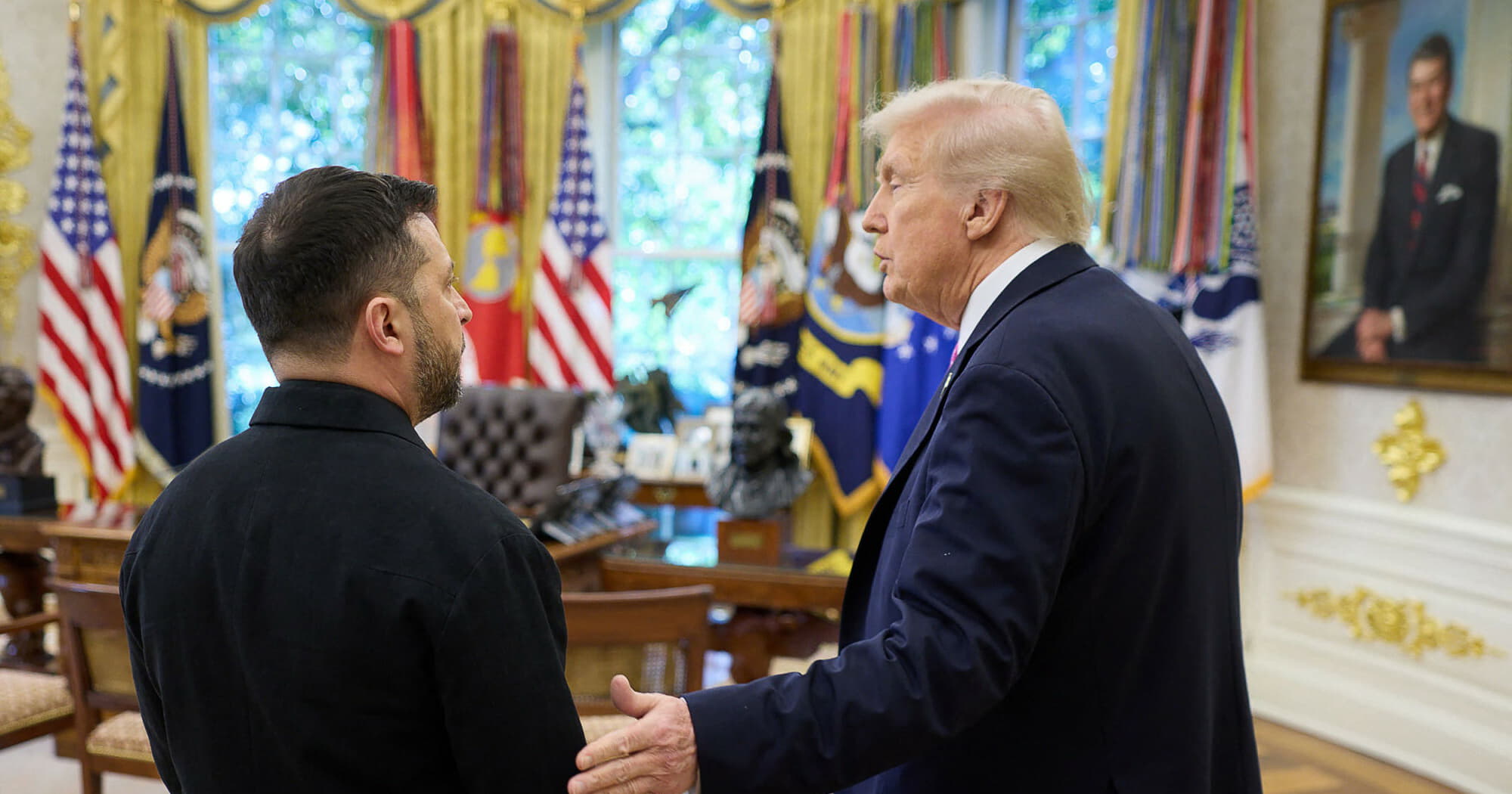
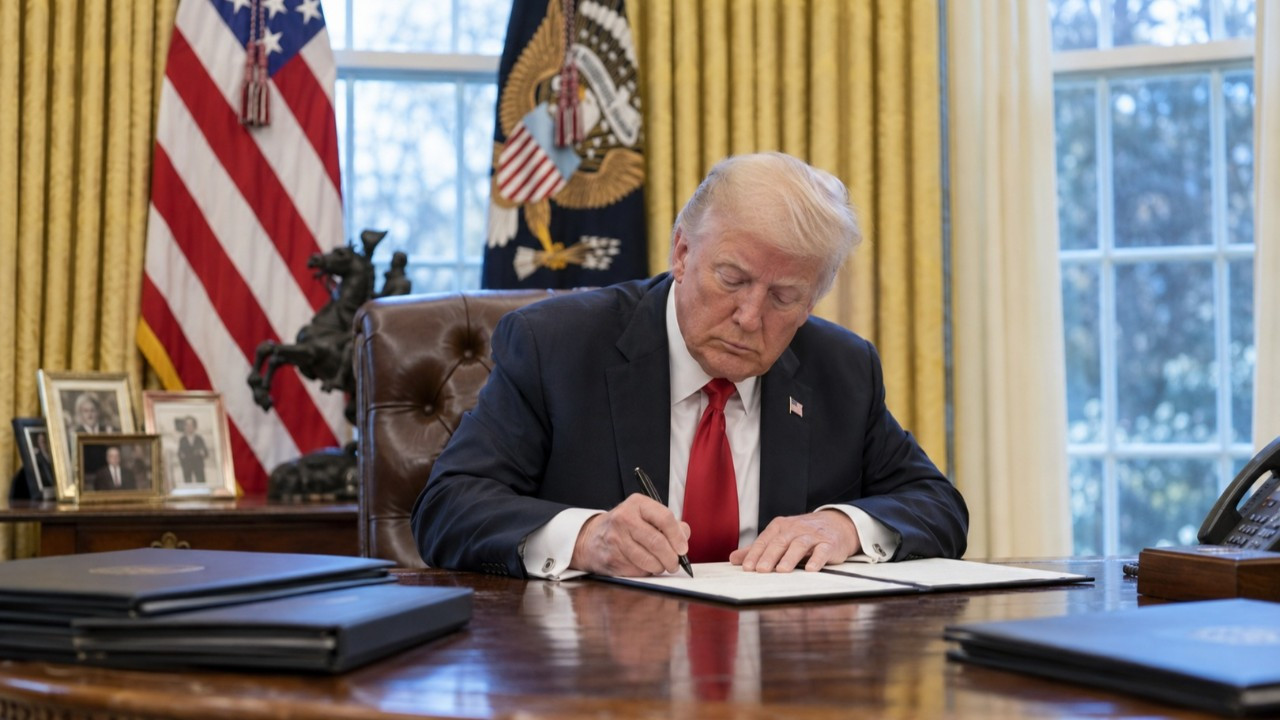
In recent days, the United States has been discussed in Russia, Turkey and Ukraine not so much as a single geopolitical player as a country whose foreign policy increasingly depends on domestic electoral arithmetic, tariffs and the White House’s ability to turn sanctions into a negotiating tool. The immediate trigger was Donald Trump’s signing on September 19 of a law imposing new restrictions on Russia and Iran. It opens the way for sanctions against Russian entities and secondary tariffs on major buyers of Russian energy. But local reactions show that the same decision is perceived very differently in the three countries—as a threat, an opportunity and the subject of complex bargaining.
In the Russian debate, the central question is not “How harsh is the law?” but “Will Trump decide to use it?” In The Bell’s analysis, the new law is described as a mechanism requiring the president to take measures within 30 days while making them more difficult to repeal. At the same time, however, it presents a pragmatic counterargument: the White House may try to suspend the most painful steps until the November 3 midterm elections, fearing a rise in fuel prices. The Russian perspective, therefore, is not limited to the familiar denial of sanctions’ impact. It rests on the assumption that Trump will primarily measure any escalation in foreign policy by its cost to American voters.
This represents an important change in tone. Even in the relatively restrained review by Kommersant, the law is referred to as U.S. “hell sanctions”—an event of the week that cannot be dismissed as routine Washington anti-Russian policy. Russian commentators, however, see it less as America’s return to a consistent strategy of containment than as another example of U.S. unpredictability: Trump’s previous willingness to make deals and seek contacts with Moscow is now combined with pressure, while the outcome will depend on what is more advantageous to the U.S. president at any given moment.
Ukraine’s reaction is outwardly far more optimistic, but it too is far from unreservedly enthusiastic. In a detailed analysis by European Pravda, the law’s adoption is portrayed as a rare moment when Congress created a real lever of pressure on Russia for Kyiv: the sanctions could affect not only Moscow but also countries helping it maintain energy-export revenues. It is particularly important for Ukraine that this is not merely another statement of support, but a legal framework limiting the White House’s own room for maneuver.
At the same time, Ukrainian authors warn that the law does not amount to America’s strategic return to its former role. In a column for Ukrainska Pravda, some Democrats’ vote for the sanctions is explained not by a sudden consensus on Ukraine, but by institutional, electoral and intra-party considerations. The author draws a conclusion unpleasant for Kyiv: the long-term security of Europe and Ukraine’s very survival are no longer viewed by a significant part of the American political elite as unconditional priorities. In other words, Ukraine’s hopes are tied not to trust in Trump but to an attempt to exploit disagreements between Congress and the White House, making aid and pressure on Russia more difficult to reverse.
The perspective of Ukrainian financial expert Oleksii Kushch is particularly revealing. In his column for Glavkom, the sanctions law is interpreted primarily through the lens of the U.S. domestic economy. In his view, Trump is “packaging” tariff policy in a sanctions framework to secure bipartisan support and use external pressure to address his own budgetary and industrial objectives. For a Ukrainian audience, this is a sobering explanation: Washington may act against Russia, but the motive will not necessarily be solidarity with Ukraine—it will more likely involve American deficits, trade policy and competition with China.
In Turkey, the sanctions law is provoking an entirely different set of concerns. The main issue here is not the fate of the Russian economy as such, but the risk that secondary U.S. tariffs could hit Turkish trade and energy security. Dünya Gazetesi writes directly about the possibility of additional duties of up to 100% on buyers of Russian oil and gas, emphasizing that the 30-day period now under way is critical for Ankara, as Washington decides how to use the powers it has obtained. In Turkey, the U.S. decision is perceived as a potential threat not to an abstract “third world,” but to Turkish exports, the banking system and energy prices.
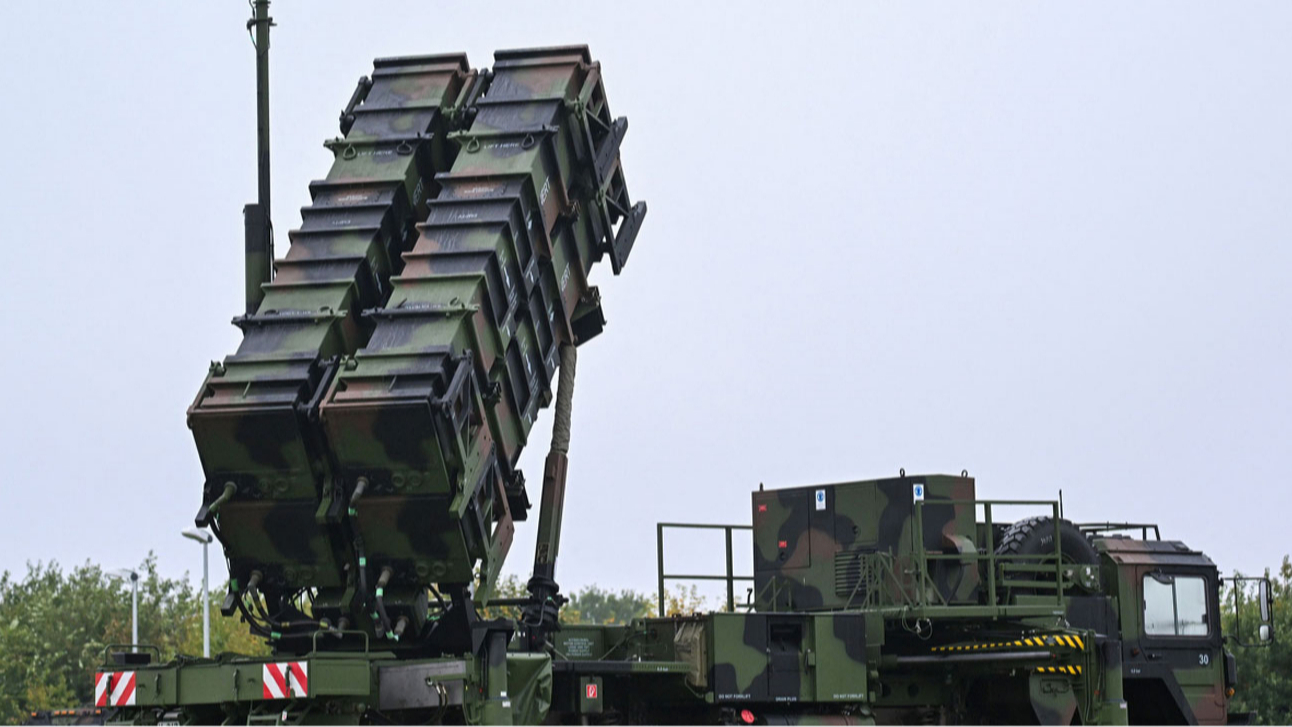
This explains Turkey’s distinctive ambivalence. Ankara wants to preserve relations with Washington and make progress on CAATSA and the F-35 program, but it also cannot easily abandon its energy and trade ties with Russia. In a review by Ekonomim, a possible meeting between Erdoğan and Trump in New York is described as negotiations on several interconnected issues at once: sanctions, the S-400s, the F-35, the war involving Iran and economic risks. U.S. Ambassador Tom Barrack, for his part, said that the dispute over the Russian S-400s “will be resolved,” but added the telling phrase that “the ball is in many courts,” acknowledging that the problem involves both U.S. legislation and questions concerning the systems’ operation or future. Anadolu Ajansı reported these remarks.
The Iranian issue reinforces Turkey’s sense that the United States creates crises while simultaneously using them as negotiating leverage. During Trump’s meeting with the leaders of the Persian Gulf states and Erdoğan, the U.S. president reportedly expressed the view that the crisis with Iran would end after the November 3 U.S. midterm elections, according to Anadolu Ajansı. To a Turkish observer, this amounts almost to an open admission that the regional war is tied to the calendar of American domestic politics. Ankara is especially vulnerable to this: any disruption to shipping and any increase in oil prices quickly turn into inflation and pressure on Turkey’s balance of payments.
The common denominator in the Russian, Ukrainian and Turkish reactions is not faith in America’s unchanging power, but doubt about its predictability. In Moscow, people believe that a sanctions strike could become a bargaining chip. In Kyiv, there is hope that Congress will be able to tie the White House’s hands, but no certainty that this will last. In Ankara, there is concern about becoming collateral damage from American pressure on Russia and Iran, while simultaneously trying to convert the Erdoğan–Trump personal channel into concessions on defense and trade.
The most unexpected conclusion from this three-way picture is that America is now perceived not as an arbiter setting the rules, but as a variable. In Russia, Ukraine and Turkey, its sanctions, military decisions and diplomatic promises are all read through the same question: what will Trump need before November 3—a reduction in prices, a high-profile deal, a show of strength or an opportunity to postpone the conflict?