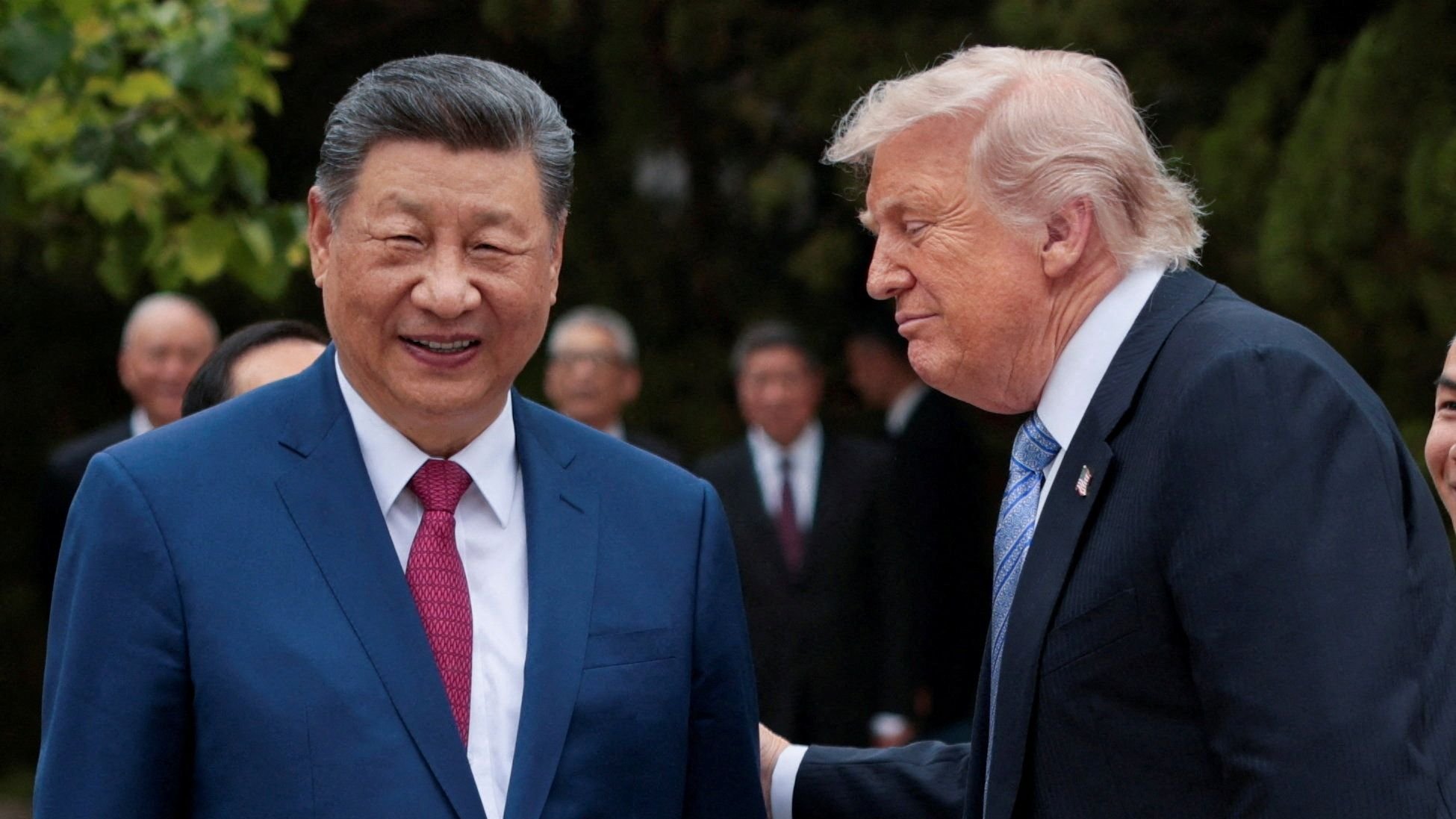
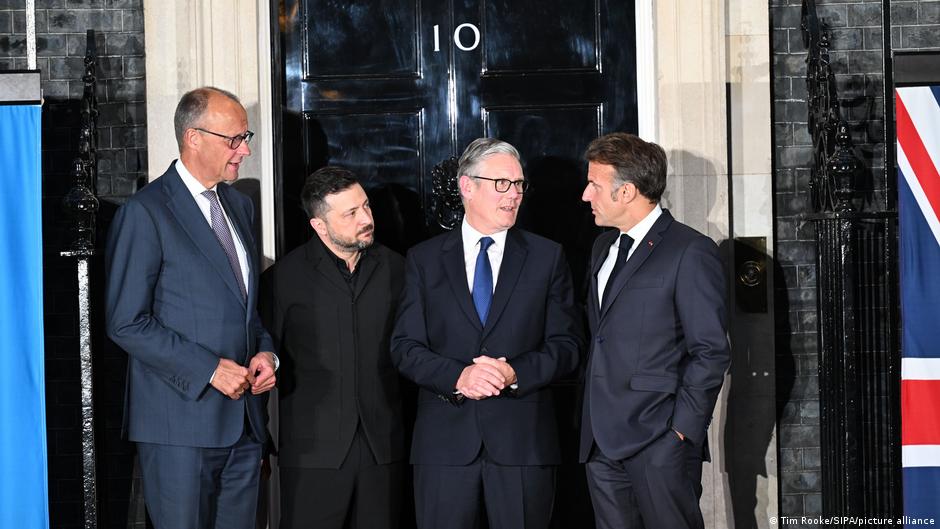
By September 4, 2026, the image of the United States in Ukrainian, Indian and German debates had split in an unusual way. Washington is simultaneously seen as the only power capable of moving the most dangerous conflicts off dead center and as a country whose impulsive decisions create new crises—from Ukraine to the Persian Gulf. Shared concern does not mean identical conclusions. Ukraine is primarily trying not to become a bargaining chip; India is defending its right to talk to those whom the United States wants to isolate; and Germany is increasingly discussing how to live in a world where American power no longer guarantees either predictability or order.
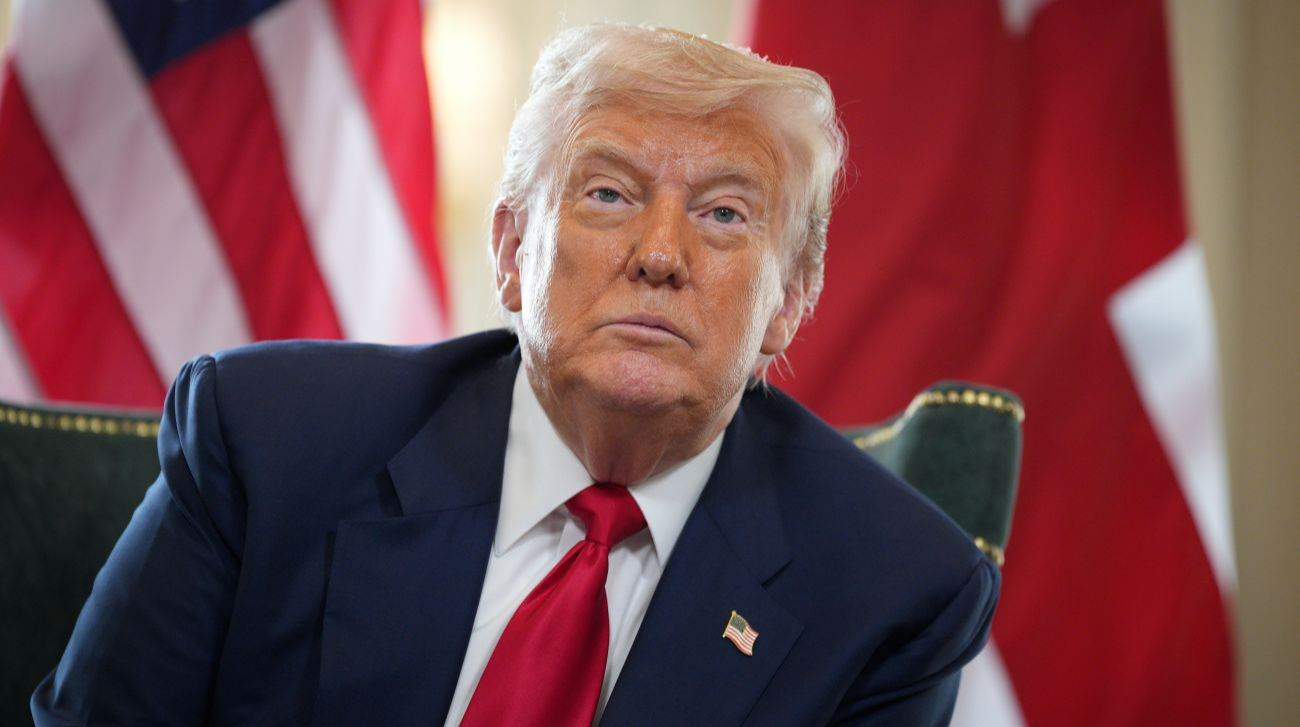
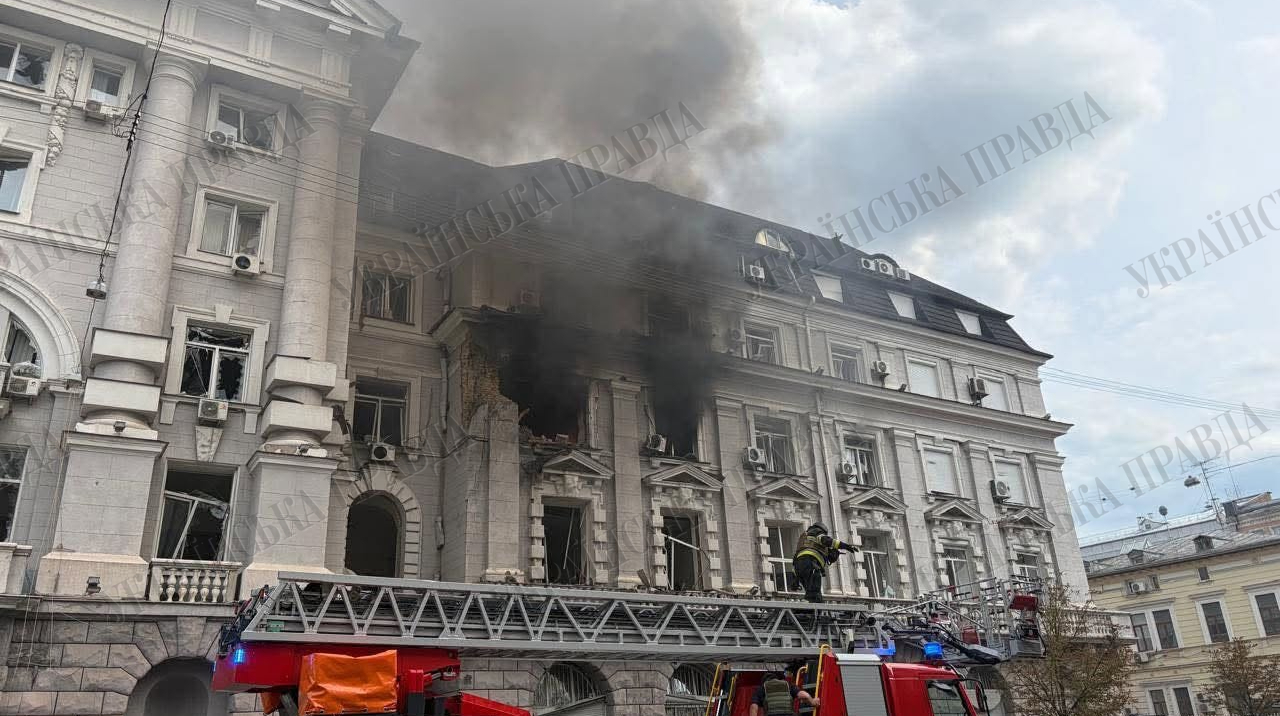
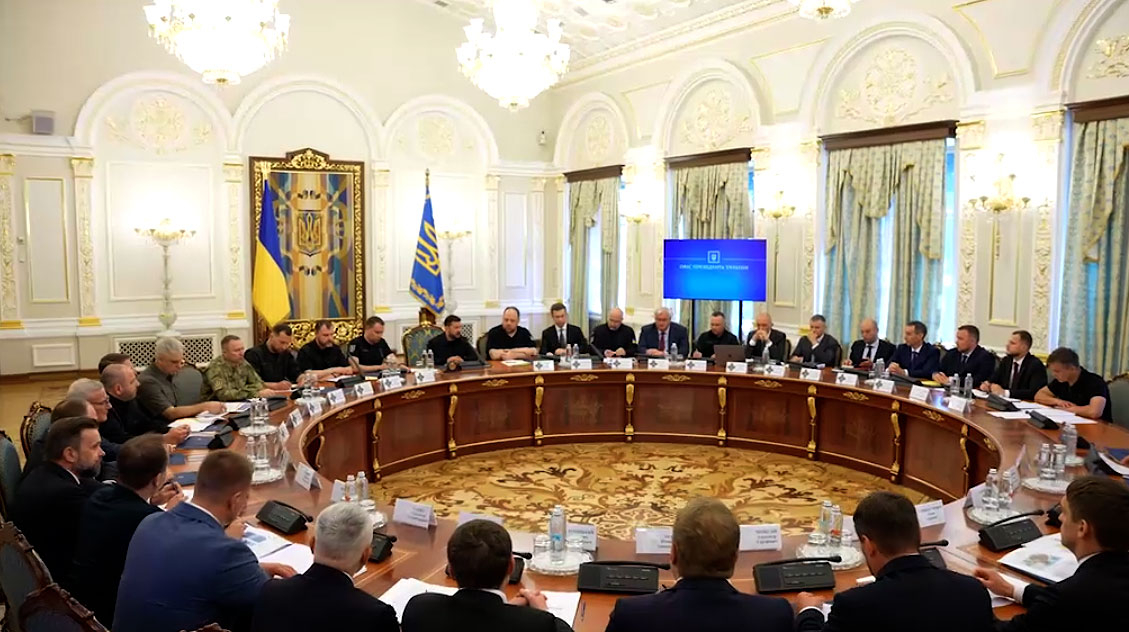
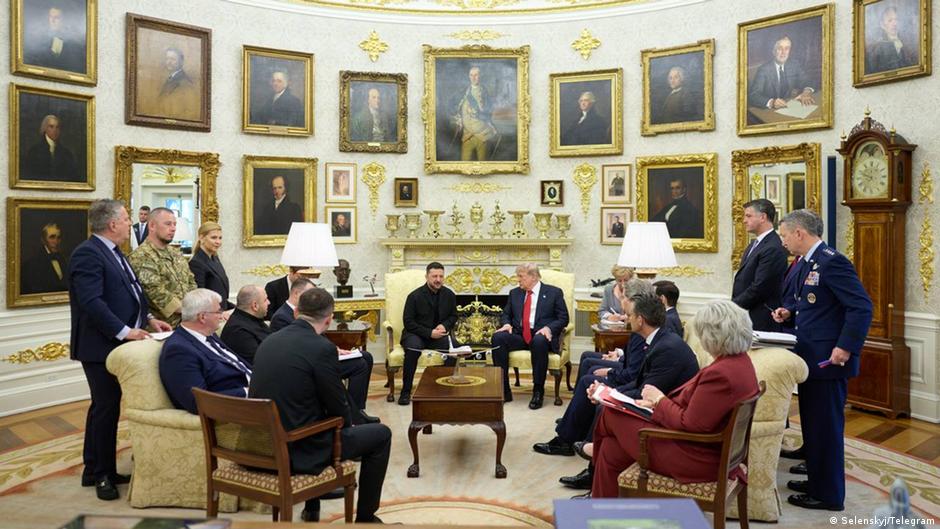
The most urgent issue for Kyiv is the expected visits by Steve Witkoff and Jared Kushner to Moscow and Kyiv this coming weekend. Donald Trump said his representatives were carrying a “proposal to end the war,” while Volodymyr Zelenskyy confirmed that he was ready to receive them after their talks in Moscow. In the Ukrainian information space, it is not so much the formula of the proposal—which has not yet been published—that matters, but the sequence of events itself: traveling first to Moscow and then to Kyiv is read as a reminder that the United States still claims the role of chief negotiator. Ukrainska Pravda also records Kyiv’s cautious response: Zelenskyy said Ukraine would not conduct airstrikes during the Americans’ visit and expected a symmetrical step from Russia. (pravda.com.ua)
However, Ukraine’s reaction is not limited to hope for a diplomatic breakthrough. Political analyst and head of the Center for Analysis and Strategies Ihor Chalenko, in a comment to the OstroV outlet, offers an interpretation characteristic of Kyiv: Trump has a “short window” before the midterm congressional elections, and he could present even a temporary ceasefire as his own achievement. This is not an accusation of insincerity, but an attempt to understand American motivations through the lens of the domestic political calendar. For Ukraine, it is crucial whether the peace initiative is designed for lasting security or for a quick television result. (ostro.org)
This leads to the Ukrainian paradox: the country needs American involvement, but fears precisely the form of involvement in which speed becomes more important than the terms. Ukrainian analyst Oleksandr Kraiev of the Ukrainian Prism explained the improvement in relations between Kyiv and Trump pragmatically in an interview with Deutsche Welle: Ukraine has become more attractive to the White House because it demonstrates a willingness to cooperate, whereas Russia, in his assessment, is sabotaging normal diplomacy. This view does not romanticize the United States: Kyiv has to prove its usefulness to Washington—in military cooperation, sanctions pressure and the broader security architecture. (amp.dw.com)
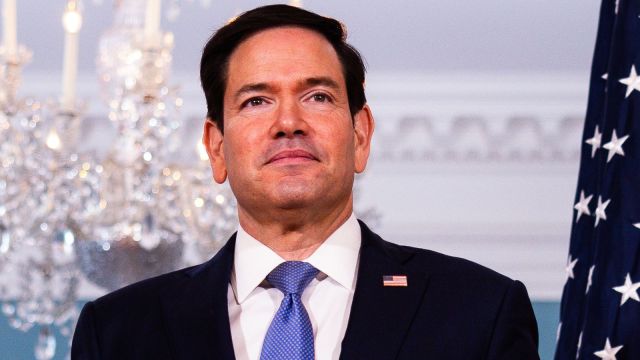
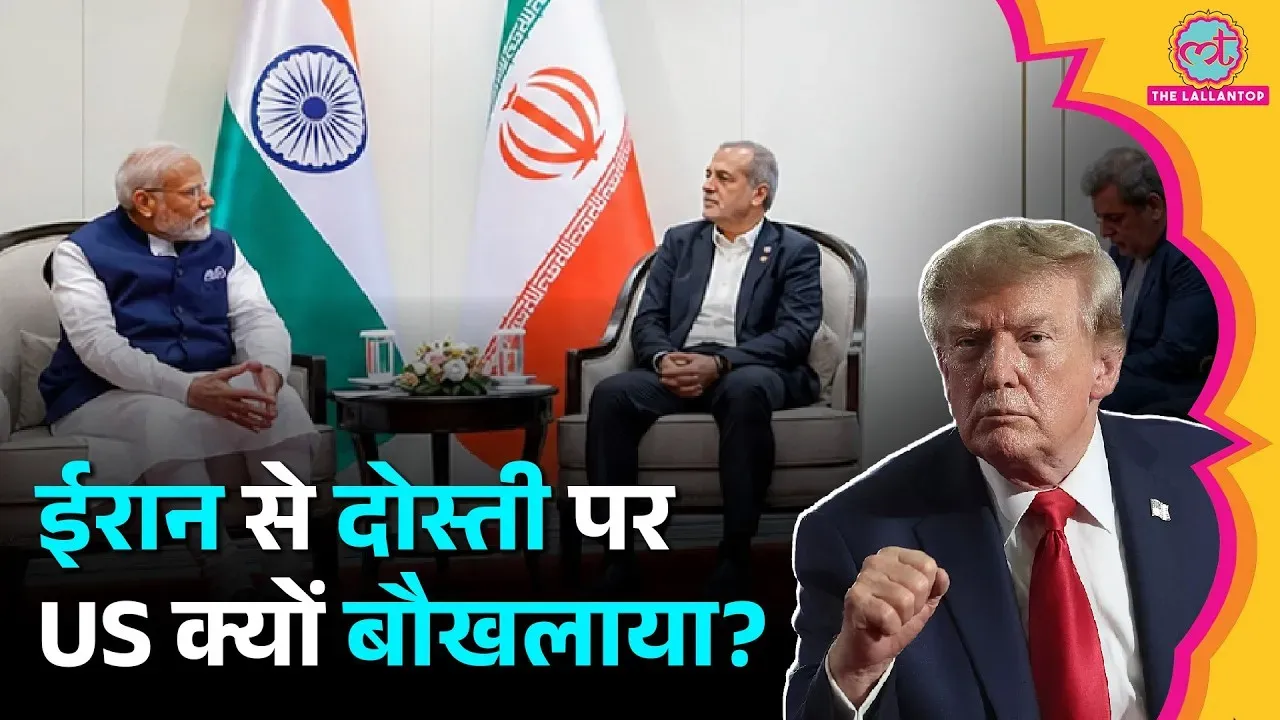
The Indian conversation about America these days revolves around a very different boundary of what is permissible—the right of New Delhi to “strategic autonomy.” After Narendra Modi met Iranian President Masoud Pezeshkian at the SCO summit in Bishkek, U.S. Secretary of State Marco Rubio warned that countries helping Tehran circumvent sanctions could themselves face American sanctions. But he also acknowledged India’s right to shape its foreign policy independently. In an analysis by The Indian Express, this duality is conveyed particularly clearly: Washington is not directly accusing India of violating the sanctions regime, but is conspicuously drawing a red line after Modi’s contact with Pezeshkian. (indianexpress.com)
For Indian audiences, this is not merely a dispute over Iran. It is a test of the entire model of relations with the United States: can India simultaneously develop technological, defense and trade cooperation with America, talk to Iran, maintain channels with Russia, and avoid becoming an appendage of anyone’s coalition? The Indian media outlet The Lallantop emphasizes that Tehran expects India to play a diplomatic role in reducing tensions in the Middle East. This is an important local nuance: in the Indian interpretation, contact with Iran is not necessarily economic defiance of the United States, but a potential mediating role for a power capable of speaking to all sides. (thelallantop.com)
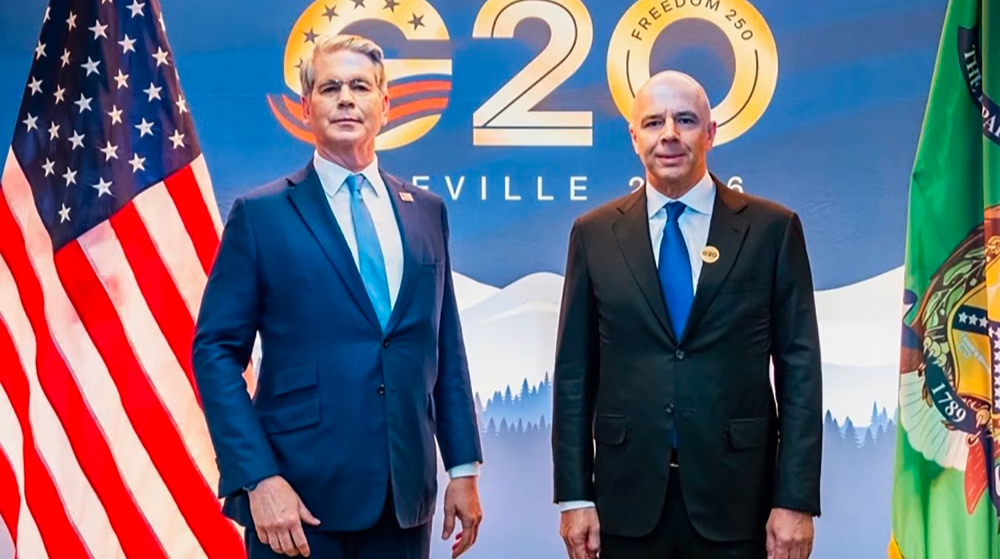
The contrast with the official, business-oriented rhetoric about partnership is all the more striking. This week, U.S. Ambassador to India Sergio Gor described bilateral ties as being at “historic highs” and spoke of “fair, reciprocal and mutually beneficial” trade relations, inviting Indian companies to expand investment in American manufacturing, research and distribution. In an Economic Times report, the formula sounds almost like a proposed deal: India receives access to American technology and markets, while the United States gets Indian capital and a broader market for its companies. (m.economictimes.com) But the Indian reaction shows that partnership is welcomed as long as it does not require coordinating every diplomatic gesture with Washington in advance.
Germany views the same America through the prism of lost strategic confidence. In the German debate, the loudest question is not “who is right” in the latest American crisis, but what price Europe is paying for the American style of politics. ARD commentator Carsten Küntopp writes in an article for Tagesschau that the U.S. war with Iran has weakened America itself, while its consequences extend far beyond the Persian Gulf and affect Europe. His argument is not a pacifist rejection of force as such, but a criticism of a policy in which military operations are not accompanied by a viable political strategy. (tagesschau.de)
This idea is also developed in a Handelsblatt commentary: Jens Münchrath believes that the protracted conflict in Iran ultimately strengthens China—the very power Trump is trying to contain. The German criticism is pragmatic in its own way: if the United States becomes bogged down in Iran, it spends resources and political attention, while Beijing, Moscow and regional actors benefit by exploiting the gap between American statements and capabilities. (handelsblatt.com)
For Germany, this is directly connected to Ukraine. An ARD-DeutschlandTrend poll published on September 3 found that 56% of Germans consider the country’s security to be strongly or very strongly threatened by Russia. Tagesschau thus captures the public mood in which any American attempt to reach a quick agreement with Moscow causes not relief, but demands that Europe have its own voice and its own security guarantees. (tagesschau.de) It is no coincidence that German debates about a peace agreement repeatedly return to the argument that European security cannot be discussed without Europe, and that lasting peace is impossible without guarantees for Ukraine. (amp.dw.com)
The most unexpected common thread between Kyiv, New Delhi and Berlin is that none of them considers the United States unimportant. On the contrary, America remains too significant simply to distance themselves from it. But local expectations differ. Ukraine wants American mediation not to turn its sovereignty into a bargaining chip. India wants partnership without the discipline imposed on a junior ally. Germany wants its alliance with the United States not to mean strategic dependence on decisions Europe cannot control.
That is why today’s international reaction to Washington is not simply a wave of anti-Americanism. It is a demand that the United States be not only strong, but also predictable; not only capable of initiating negotiations or applying pressure, but also ready to take responsibility for the consequences. For Ukraine, the price of that responsibility is measured in borders and lives. For India, it is measured in freedom of diplomatic maneuver. For Germany, it is measured in Europe’s ability not to become a spectator in matters of its own security.