The main American issue now prompting the most substantive reactions in Turkey, France and Saudi Arabia is not Washington’s internal struggle as such, but the consequences of the US war with Iran and the Donald Trump administration’s attempts to turn the Strait of Hormuz into an instrument of pressure on Tehran. In all three countries, one idea is being voiced almost simultaneously: the United States still possesses enormous military and financial power, but can no longer set the rules of the regional order single-handedly—especially where the cost of an American decision is immediately paid by Iran’s neighbors, energy importers and European consumers.
For Turkey, Hormuz is primarily not an abstract question of maritime strategy, but one of regional sovereignty and economic vulnerability. In Turkish analytical circles, the war is increasingly described as a struggle not only over Iran’s nuclear program, but also over who will establish the rules governing passage through the world’s most important energy artery. In an analysis by Anadolu Ajansı, political scientist Oral Toğa frames the question in stark terms: the decisive indicator will be “whose rules” govern the restoration of regular shipping. If passage depends on Tehran’s permission, Iran turns its military losses into a political resource; if an American corridor becomes entrenched, Washington strips Iran of its principal lever.
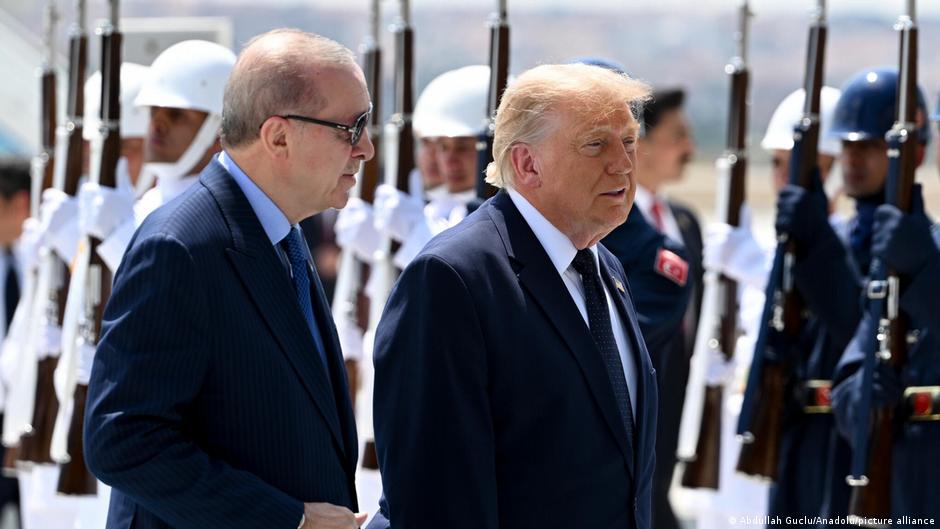
But Ankara is also debating another side of this logic. American pressure on Iran is not an isolated sanctions campaign: it affects Turkish banks, trade routes, energy transactions and Turkey’s ability to maintain functioning ties with its neighbor. Following Trump’s threats to impose severe consequences on countries that maintain economic relations with Tehran, the Turkish press explicitly noted that Turkey continues to have substantial trade with Iran. In a report by DW Türkçe, the American strategy is perceived as a risk of extraterritorial punishment for third countries—in other words, as Washington’s familiar habit of extending its own jurisdiction far beyond the United States. It was therefore no coincidence that President Recep Tayyip Erdoğan, in a conversation with Trump in August, urged him not to end dialogue with Iran and stressed Turkey’s readiness to support peace efforts, as reported by DW Türkçe. Behind this appeal lies not pacifism as an abstraction, but Turkey’s concern that a prolonged US-Iranian confrontation will ultimately destroy predictability along its eastern and southern borders.
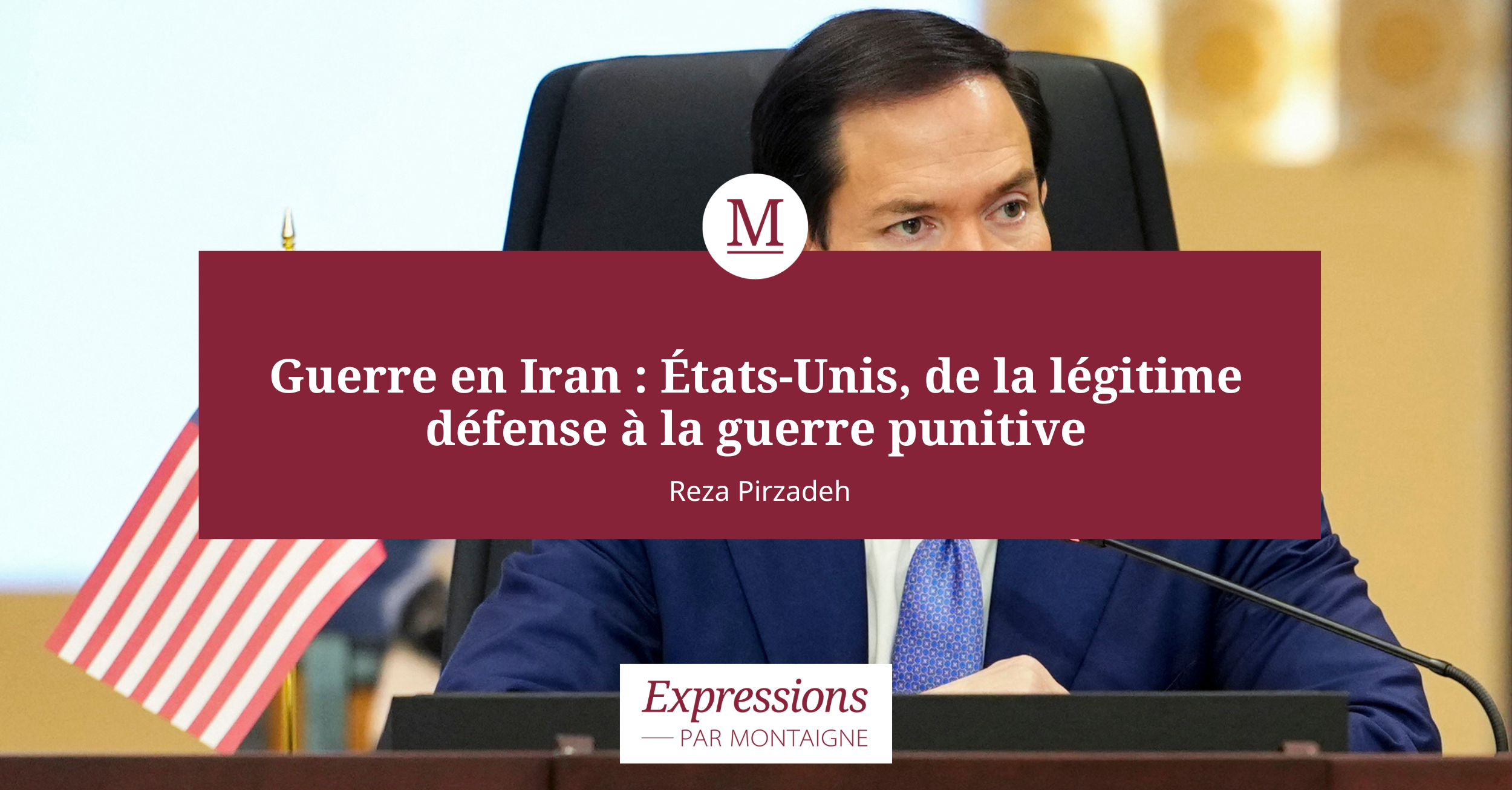
The French reaction places greater emphasis on law and strategic rationality. In France, there is growing irritation that the American operation, launched in response to threats to security and shipping, is taking on the characteristics of a war without a clear political end goal. In an analysis by the Institut Montaigne, the American campaign is described as a shift “from self-defense to punitive war”: the authors argue that Washington risks replacing the task of protecting navigation with a broader punishment of Iran—questionable both under international law and in terms of effectiveness. This is an important French nuance: Paris does not deny the threat posed by Iranian missiles, proxy groups and pressure on maritime routes, but it does not automatically accept the American definition of which means are permissible to eliminate it.
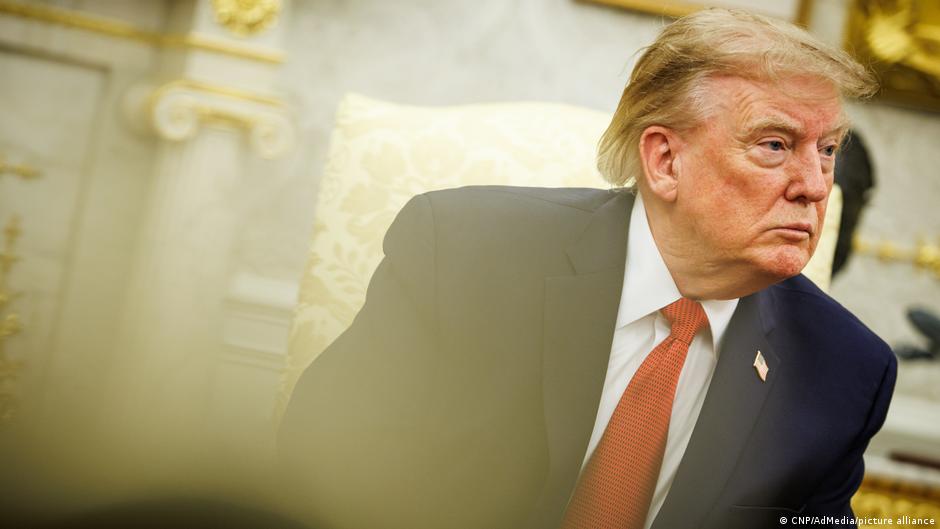
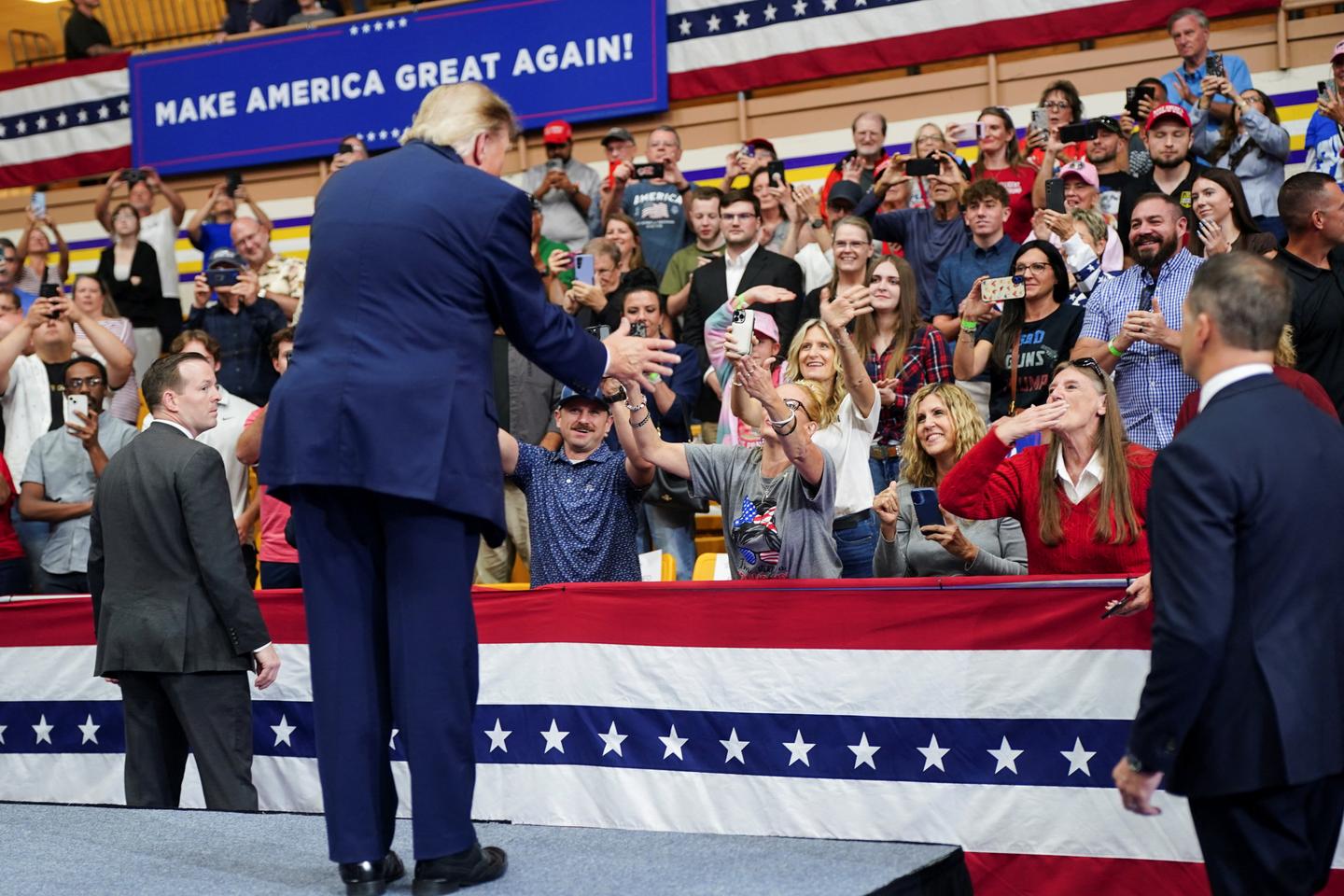
France’s perception of Trump himself is also telling. In a Le Monde analysis, his campaign activity ahead of the November 3 midterm elections is read as an attempt to impose his own version of reality on voters—despite Americans’ concerns over the cost of living and the war. For French observers, this explains the nervousness of the American line in the Middle East: foreign policy is becoming subordinate not only to long-term strategy, but also to the president’s need to demonstrate resolve to his electorate. An earlier article in the same newspaper emphasized that only 31% of Americans supported military action against Iran, while Trump’s promises to lower the cost of living and end expensive foreign wars had gone unfulfilled. This assessment is especially important for Europe: US allies see that foreign escalation may become a domestic political liability for Washington—and, consequently, a factor in its unpredictability.
In Saudi Arabia, the tone is different: there are fewer illusions that the problem can be solved with a single diplomatic appeal, but more attention to the practical architecture of security. Saudi authors do not conceal the fact that Iran is using Hormuz as leverage over the entire region. In a column by Jason Greenblatt for Arab News, it is argued that Tehran does not necessarily intend to shut the strait completely, but rather to make passage so dangerous and expensive that insurers, markets and governments begin demanding concessions from the United States. This logic is close to the official Saudi perception of the threat: the security of shipping is not an American service, but a vital condition for the Gulf states and the global economy.
At the same time, a much more critical conclusion regarding Washington is being voiced in Riyadh. In an article by Ramzy Baroud, the American operation is described as the result of the arrogant belief that the United States can impose an outdated model of dominance on the region. Meanwhile, Saudi analyst Abdel Aziz Aluwaisheg, in another Arab News column, describes the war as a dangerous dead end: the United States has intensified the blockade and sanctions pressure, but failed to restore normal shipping through Hormuz, leaving Iran with its most valuable strategic asset. This is not simply an anti-American position. Rather, it is a demand that the United States be not merely a strong ally, but a predictable architect of a viable order.
This is where the Turkish, French and Saudi perspectives intersect. All three countries reject the idea that Hormuz’s future should be determined by a bilateral deal between Washington and Tehran. Turkey fears that such a deal would bypass the interests of regional states and create new sanctions risks. France sees it as a threat to international law and yet another example of American military power replacing political settlement. Saudi Arabia insists that the security of maritime routes must depend neither on Iranian blackmail nor on Washington’s unilateral right to appoint itself the guarantor of the region.
Particularly noteworthy is the Saudi idea expressed by journalist Osama Al-Sharif in his column: Hormuz is not Iran’s property, to be closed in response to US pressure, but neither is it a space where Washington has the right to impose the terms of passage unilaterally. The strait should be removed from the US-Iranian bargaining process and placed within an international legal framework involving genuine regional participation. This is perhaps the most important local idea that is easy to miss when following only debates in the United States: the countries of the region do not want to choose between American control and Iranian coercion, but to reduce their dependence on both.
The US midterm elections add further urgency to this dispute. The Saudi newspaper Al Riyadh, in an analysis of the American campaign, warns against the temptation to explain every delay or initiative by Washington solely through the elections: wars, markets and security crises have an inertia of their own. But the very need for such a warning shows how widespread the perception has become that the White House is now acting with November 3 in mind. Outside the United States, this is viewed with concern: for the American voter, the war may be one campaign issue among others, but for Turkey, France and Saudi Arabia it remains a question of energy prices, border security, maritime trade and the stability of the entire regional order.