In early May 2026, the headlines of leading global outlets almost always feature the United States not as a predictable “anchor” of the world system, but as the main generator of turbulence. For Germany, South Korea and China, Washington remains simultaneously a necessary partner and the chief source of strategic uncertainty. In Berlin they argue about how to live with an ally that withdraws troops and threatens NATO; in Seoul they watch nervously as U.S. resources drain into the war with Iran and other fronts; in Beijing they prepare for Donald Trump’s visit and discuss how to exploit his conflicts with allies and his “disengagement” from multilateral institutions.
The common background is the same: the U.S. war with Iran, unilateral withdrawal from dozens of international organizations, pressure on allies to pay more for security, trade nationalism directed at China, and the threat of a reduced American military presence in Europe and Asia. But the concrete reactions in Berlin, Seoul and Beijing differ strongly — not only in tone, but in what each capital is trying to “extract” from America’s inward turn.
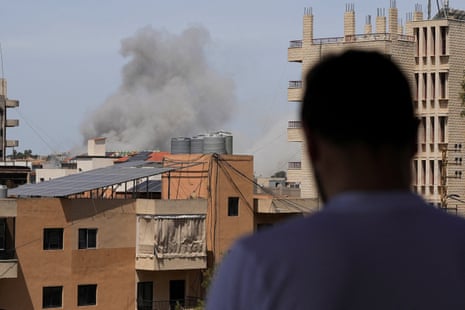
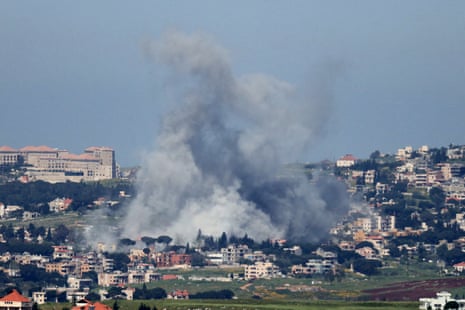
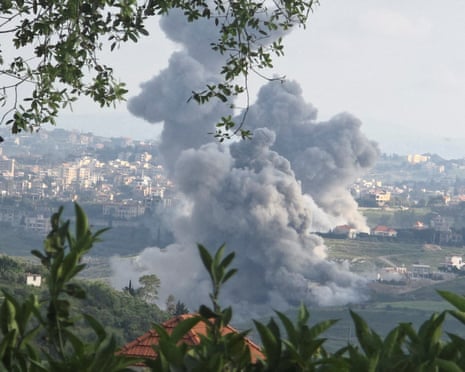
The most acute and emotional debate revolves around the U.S. war with Iran. In Germany this campaign is perceived as a strategic and moral rupture. President Frank‑Walter Steinmeier, in an unusually harsh speech, called the war a “disastrous mistake” and a violation of international law, explicitly warning that a return to the prewar format of transatlantic relations will no longer be possible. In his view, Germany must apply the lessons of its “painful liberation” from dependence on Russian energy to a new vulnerability — dependence on the United States in defense and high technologies. He effectively called for rethinking the structure of the Western world: if Berlin once believed the price of an American “nuclear umbrella” was following Washington in key crises, it now emphasizes the need for autonomy, even if that means openly criticizing the White House. (whtc.com)
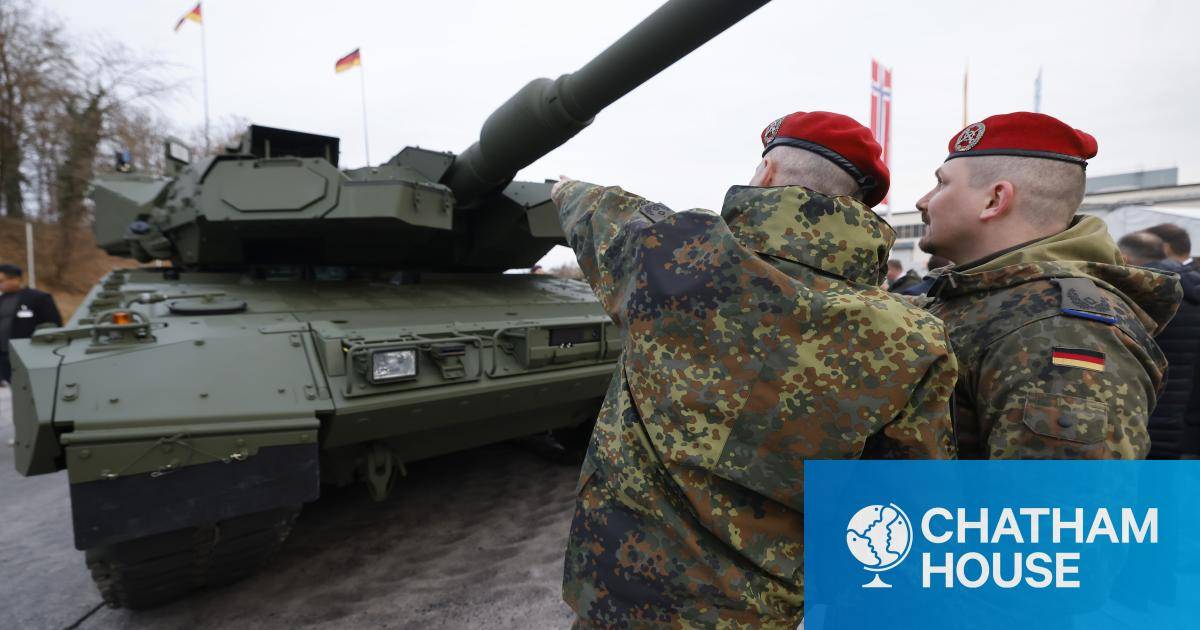
At the same time, German media and think tanks are debating how to respond to simultaneous escalations with Russia and Iran amid the erosion of American guarantees. On the pages of Chatham House they note that Germany’s Zeitenwende — rearming the Bundeswehr, buying F‑35s and increasing the defense budget — must now be understood not as a complement to American leadership but as preparation for a world in which the U.S. may withdraw from Europe. (chathamhouse.org)
The South Korean reaction to the Iran campaign is more restrained, but no less worried — the concern is redirected to the question: “Will the U.S. have enough resources left for us?” Korean analysts, cited in regional Chinese‑language and English‑language reviews, emphasize that the redeployment of American forces and assets to the Middle East, and the political and financial wear from the conflict with Iran, objectively reduce Washington’s ability to respond quickly to a crisis on the Korean Peninsula or in the Taiwan Strait. In one analytical review on the upcoming Trump–Xi meeting, researchers from the Washington Center for Strategic and International Studies (CSIS), often cited by Korean and Chinese media, write plainly: the Iran war “dilutes U.S. attention” and increases allies’ doubts about whether Americans can handle multiple major crises simultaneously. (chineseradioseattle.com)
In China the same war is seen not only as a threat to regional stability but as a flaw in American strategy that can be exploited. Official newspapers such as Renmin Ribao focus on international condemnation of U.S. military actions against Venezuela and Iran, stressing that the United States is acting around the U.N. Security Council, “eroding the foundations of international law” and forcing other countries to think about their own security outside American architectures. In a notice from the Chinese Foreign Ministry, the war is described as a “typical example of power politics and arbitrary use of force,” against which “the international community is resolutely opposed.” (paper.people.com.cn)
If the war with Iran is perceived as the peak of unilateralism, then January’s decision by Washington to withdraw en masse from 66 international organizations became for many in Berlin, Seoul and Beijing a symbol of a new era of American isolationism. In Chinese discourse this action is presented as a “large‑scale campaign to dismantle the multilateral system,” in which the U.S. no longer sees benefits and others are forced to plug the emerging gaps. One analyst at Fudan University’s Shanghai center, reviewing the 2026 American trade policy agenda, noted that the current administration views trade and participation in institutions not as a platform for mutual benefit but as a tool of pressure and deals — “economic nationalism elevated to official doctrine.” (zh.wikipedia.org)
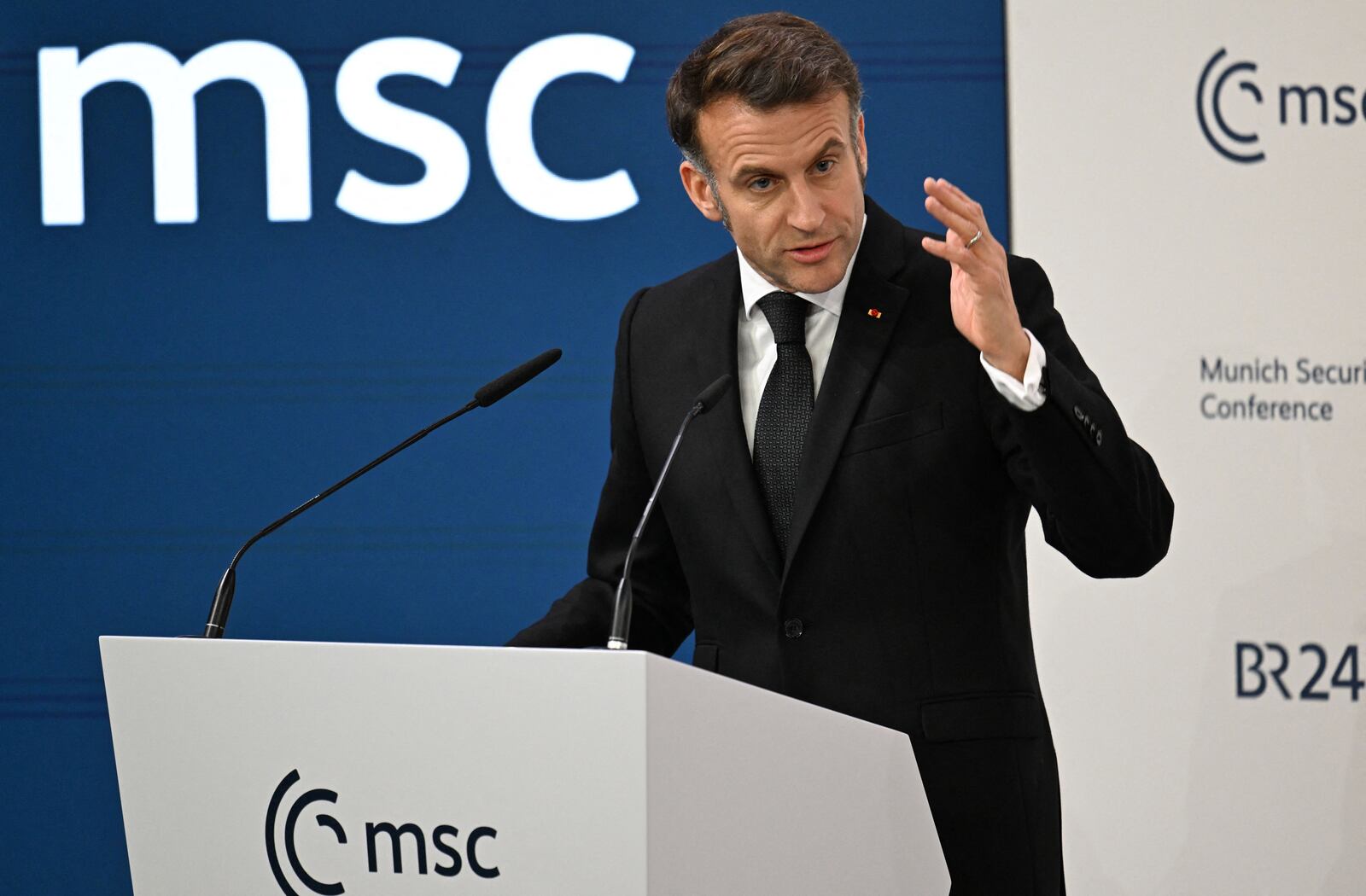
In Germany the mass “decoupling” of the U.S. from international institutions is seen as a blow to the familiar architecture of the postwar order in which the FRG flourished for decades. German media and experts stress that Brussels and Berlin must now act as the main defenders of the WTO, WHO, UNESCO and other platforms — the very forums from which America is rapidly withdrawing. At the Munich Security Conference, Chancellor Friedrich Merz said the postwar order is “breaking apart before our eyes” and that Europe and the U.S. need to “revive and repair” transatlantic ties, while admitting that the era when Europeans automatically followed the U.S. is over. (irishtimes.com)
The South Korean view is more pragmatic. It is vital for Seoul that the U.S. remain integrated into multilateral regimes not so much for the abstract “world order” as for concrete mechanisms: sanctions committees on the DPRK, coordination platforms on missile and nuclear issues, and cooperation formats for semiconductor supply chains. Therefore, Korean press and experts pay special attention not to Washington’s loud gestures of leaving global structures but to whether the U.S. leaves effective working formats in Asia — the Quad, partnerships on critical technologies, and the alliance with Japan and South Korea. The worry is that American “fatigue” with multilateralism at the U.N. and other global forums could over time spill over into regional arrangements.
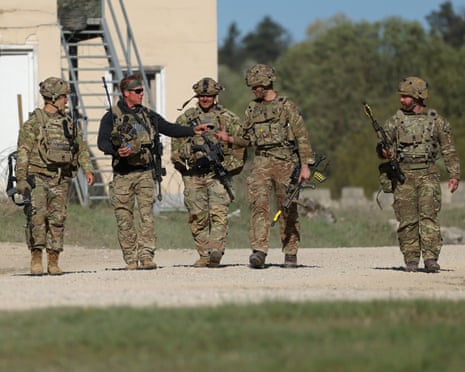
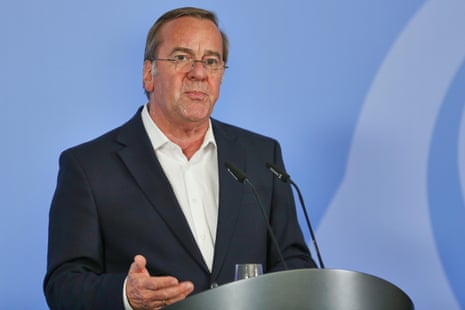
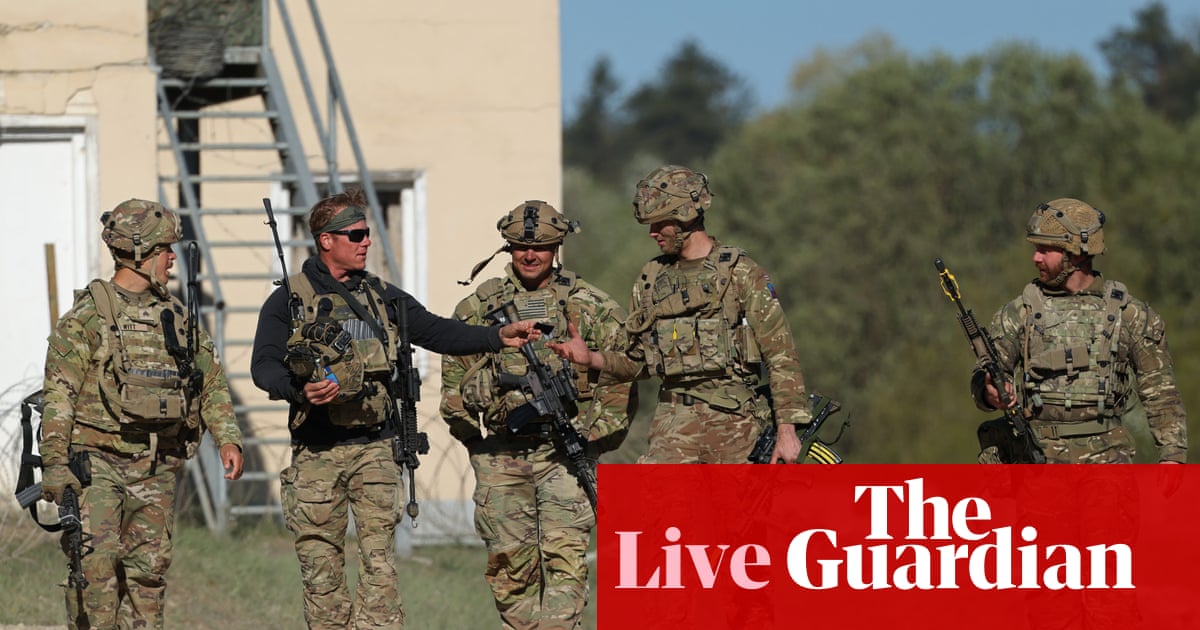
For Europe and the Korean Peninsula, where the American military presence became commonplace in the 20th century, the most painful topic is the reduction and possible withdrawal of U.S. troops. German press for the past week has been extensively quoting administration plans to remove a significant portion of the contingent from Germany. Defense Minister Boris Pistorius said in an interview that the presence of American soldiers is “in the interests of both Europe and the United States,” but added that it was predictable that the U.S. would begin to reduce its military presence in Europe. In Berlin such remarks are interpreted as preparing public opinion for a new reality — the European Union must be ready to take responsibility for its own defense, not just “top up” Washington for its umbrella. (theguardian.com)
In South Korea talks about a possible adjustment of the American military role are received even more painfully. In analytical columns ahead of Trump’s visit to China, South Korean experts highlight a worrying scenario: the White House might pursue economic deals with Beijing in exchange for “flexibility” on security issues, including arms supplies to Taiwan and the wording of U.S. policy on the Taiwan Strait. Korean commentators in Asian media remind readers that all regional allies — from Japan to Australia — publicly praise the U.S. role, but in private conversations increasingly ask whether their interests will become bargaining chips in a grand Washington–Beijing deal. (chineseradioseattle.com)
Here a key difference with Germany emerges. In Berlin troop withdrawals are interpreted as an incentive for strategic autonomy. In Seoul they are seen as an existential risk, because without the American military shield the balance with North Korea changes dramatically. So while Europe actively discusses a “European army” and strengthening NATO’s role without the U.S., in Korea the central question is: “How do we keep the U.S. from leaving, even if it falls out with everyone else?”
Against this backdrop another line of American strategy comes into focus in China — trade‑economic pressure and the new U.S. National Defense Strategy 2026. A report by the European Parliament’s research service notes that the document builds four lines of effort: homeland defense, deterring China in the Indo‑Pacific, increasing the “burden” on allies, and “supercharging” the U.S. defense industrial base. (europarl.europa.eu)
In China this is perceived as the official entrenchment of the view that the U.S. sees Beijing as its main long‑term rival and intends to use the economy and military alliances as instruments of pressure. In an analytical paper from Fudan’s financial institute on “managed trade,” it is emphasized that 2026 has been declared in Washington a “key year of enforcement in trade with China,” with a series of “pressure windows” — from revision of Section 301 tariffs to reviews of Chinese investments in critical sectors. (fddi.fudan.edu.cn)
But the tone of Chinese discourse is nuanced. On the one hand, official commentators harshly criticize U.S. “economic nationalism” and speak of the need to “strengthen reliance on one’s own capabilities.” On the other hand, Chinese economists honestly acknowledge that the American market and the dollar system remain key to Chinese exports and finance, so Beijing needs not just symmetric responses but to try to “manage competition” without pushing it to an open break.
In South Korea the economic aspect of U.S. policy toward China is viewed through the prism of domestic vulnerability. The Korean economy is deeply integrated with both the U.S. and China: from semiconductors to electronics and automobiles. Thus an intensified U.S.–China confrontation is seen as a source of “structural risk” — Seoul’s economic commentators write about this regularly. On the one hand, Seoul supports U.S. efforts to protect critical technologies and build “friendlier supply chains.” On the other, it fears that any new American tariffs or sanctions on China will automatically hit Korean companies operating under Chinese jurisdiction.
German emphases are different. There the conversation focuses less on the U.S.–China–Korea triangle and more on how European business can survive in a world where American protectionism can turn against its allies. After a U.S. Supreme Court decision declaring part of the Trump administration’s extensive tariffs illegal, German outlets ask: does this mean the end of the “trade war” with Europe or merely a course correction? Most experts lean toward the latter: the industrial policy course of “America First” will remain, meaning German and Korean exporters must live in a world where Washington simultaneously demands political loyalty and restricts access to its market. (zh.wikipedia.org)
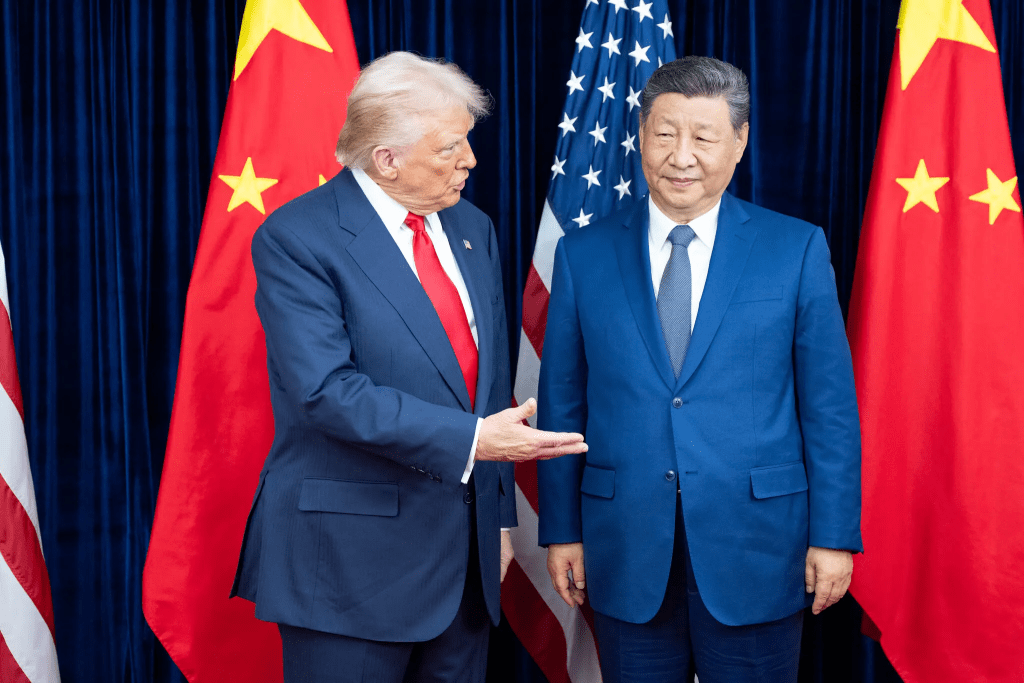
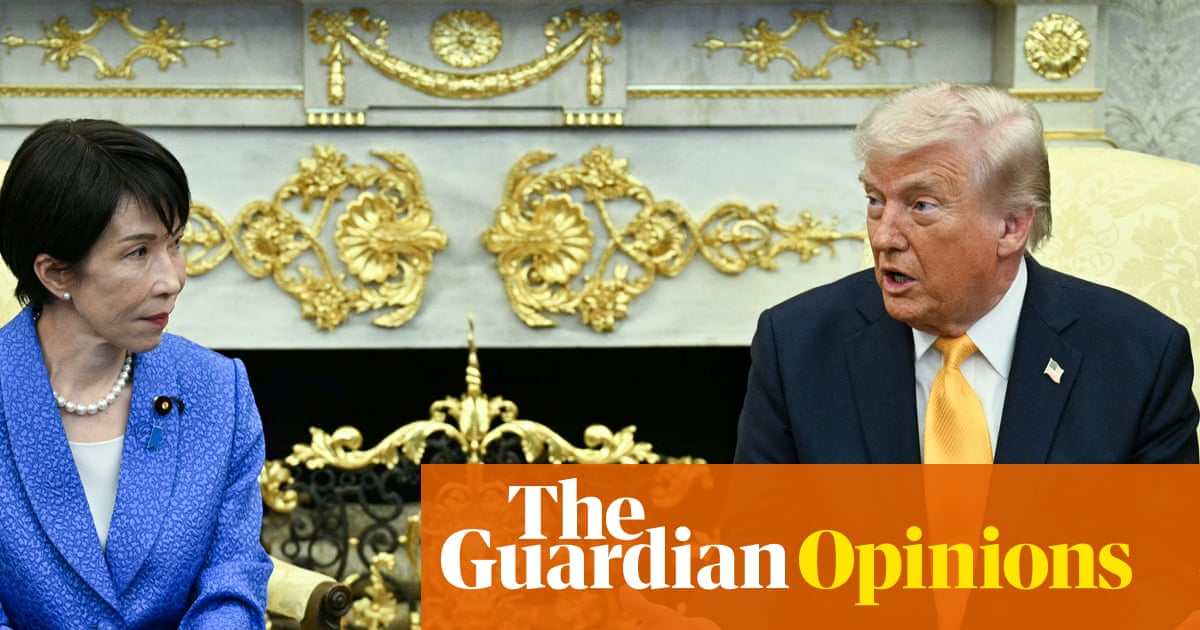
Against this backdrop Donald Trump’s upcoming visit to Beijing and his meeting with Xi Jinping have become a global event watched from different vantage points in Europe and Asia. Chinese media and think tanks call this “the second Trump–Xi meeting” a moment to “manage the most important bilateral relationship in the world.” In the context of the Iran war, mass U.S. withdrawals from international organizations, and conflicts with European allies, Chinese analysts say the meeting gives Beijing more leverage: Washington is weakened, allies are alarmed, and China can present itself as a “responsible major player” ready for stability. (chineseradioseattle.com)
The Chinese media discourse is particularly telling. In an analytical piece widely circulated in the Chinese‑language space by Chinese Radio Seattle, American experts assess the visit as Trump’s attempt to “show economic results” at home, while Beijing seeks to use the moment to strengthen the image of a stable, prepared partner. The article cites CSIS’s assessment: it is a chance to “manage the most important bilateral relationship in the world” and at the same time to test how far the U.S. is willing to go in adjusting its policy on Taiwan and the Indo‑Pacific. (chineseradioseattle.com)
Seoul looks at this visit with apprehension: any “big deal” between Washington and Beijing could affect the regional balance. South Korean experts, whose assessments are reprinted in Chinese and English Asian media, warn that if Trump, seeking trade and investment concessions from China, softens the position on Taiwan or reduces the U.S. military presence in the region, it will signal to all middle powers in Asia — from Vietnam to Australia — that American security guarantees depend on immediate bargains. One such review notes: publicly these countries “emphasize the importance of American leadership,” but privately “increasingly fear that their security could become a bargaining chip.” (chineseradioseattle.com)
In Germany, by contrast, the visit to Beijing is primarily viewed through the prism of transatlantic relations. For Berlin it is yet another confirmation that Washington under Trump prefers bilateral diplomacy and a transactional approach, not coordination with allies. European observers hint at this: commentaries by analysts quoted in German outlets stress that Trump is ready to discuss trade, security and sanctions directly with Xi, without regard for the interests of the EU, which is then forced to adapt to already concluded agreements.
All these storylines — the war with Iran, the mass U.S. withdrawal from international organizations, pressure on allies over military spending, trade nationalism toward China, and a possible “grand bargain” with Beijing — form a single image of America in the eyes of Germany, South Korea and China: no longer a guarantor of stability, but a variable that must be treated simultaneously as a threat and a necessary partner.
But each country also has its own unique perspective, rarely captured in English‑language headlines. In Germany the discussion about the U.S. is tightly interwoven with domestic politics: the rise in popularity of Alternative für Deutschland, sympathetic to Moscow and critical of NATO, forces mainstream parties to prove they can ensure the country’s security without unconditional followship of Washington. As one European editorial noted, German and Japanese reorientation in defense amid the “collapse of American alliances” effectively marks the end of the postwar order: countries long under American protection are now forced to think like independent actors. (theguardian.com)
In South Korea the conversation about America is inevitably linked to North Korea. There the U.S. is not an abstract superpower but a concrete military guarantor of life and death. Thus the Korean discourse is much more emotional than the European one, yet less ideological: American “isolationism” is seen not as a philosophical problem of world order but as a threat that, in the next peninsula crisis, American ships and aircraft might simply not arrive in time.
In China the conversation about the U.S. is embedded in a long‑term national strategy. Authoritative foreign policy journals stress that the U.S. National Defense Strategy 2026 and the trade agenda aimed at “managed trade” and revising all instruments of pressure on China require Beijing to simultaneously “maintain economic growth, promote technological self‑reliance, and avoid direct confrontation.” As one Chinese author notes, the U.S. remains “the most important external factor of China’s modernization” — and therein lies its duality: it is both the main competitor and an indispensable element of the global ecosystem to which China is tied. (fddi.fudan.edu.cn)
To summarize, international perceptions of America in spring 2026 can be described as follows: Germany sees the U.S. as dangerously unpredictable but still a key ally that must be simultaneously constrained and supplemented by its own capabilities; South Korea sees it as vitally necessary but increasingly unreliable, with every move judged through the prism of survival amid the North Korean threat; China sees the U.S. as a strategic rival and partner whose internal contradictions and foreign policy mistakes (from Iran to mass withdrawals from clubs) can be exploited, yet with whom a split would be as destructive for Beijing as it would be for Washington.
In all three cases one thing is clear: the world is no longer ready to view the United States as an immutable center of gravity. German, Korean and Chinese debates, however different in vocabulary and ideology, converge on one point: the era of automatic trust in American leadership is over, and now each country must build a strategy based on the assumption that Washington can change the rules of the game at any moment.