In recent days, the United States has become more than a foreign-policy issue for Brazil, Turkey and Ukraine—it has become a measure of their own agency. In Brazil, the debate centers on where Washington’s trade pressure ends and interference in elections begins; in Ukraine, on whether the White House is turning the war with Russia into a deal in which Kyiv’s interests are secondary to American fuel prices; and in Turkey, on how to benefit from closer ties with the United States without becoming even more dependent on Washington over Iran, Syria, sanctions and arms. The common emotion is wariness toward an America that increasingly offers partnership in the form of a condition: access to markets, security or negotiations is not granted free of charge, but in exchange for political loyalty and concessions.
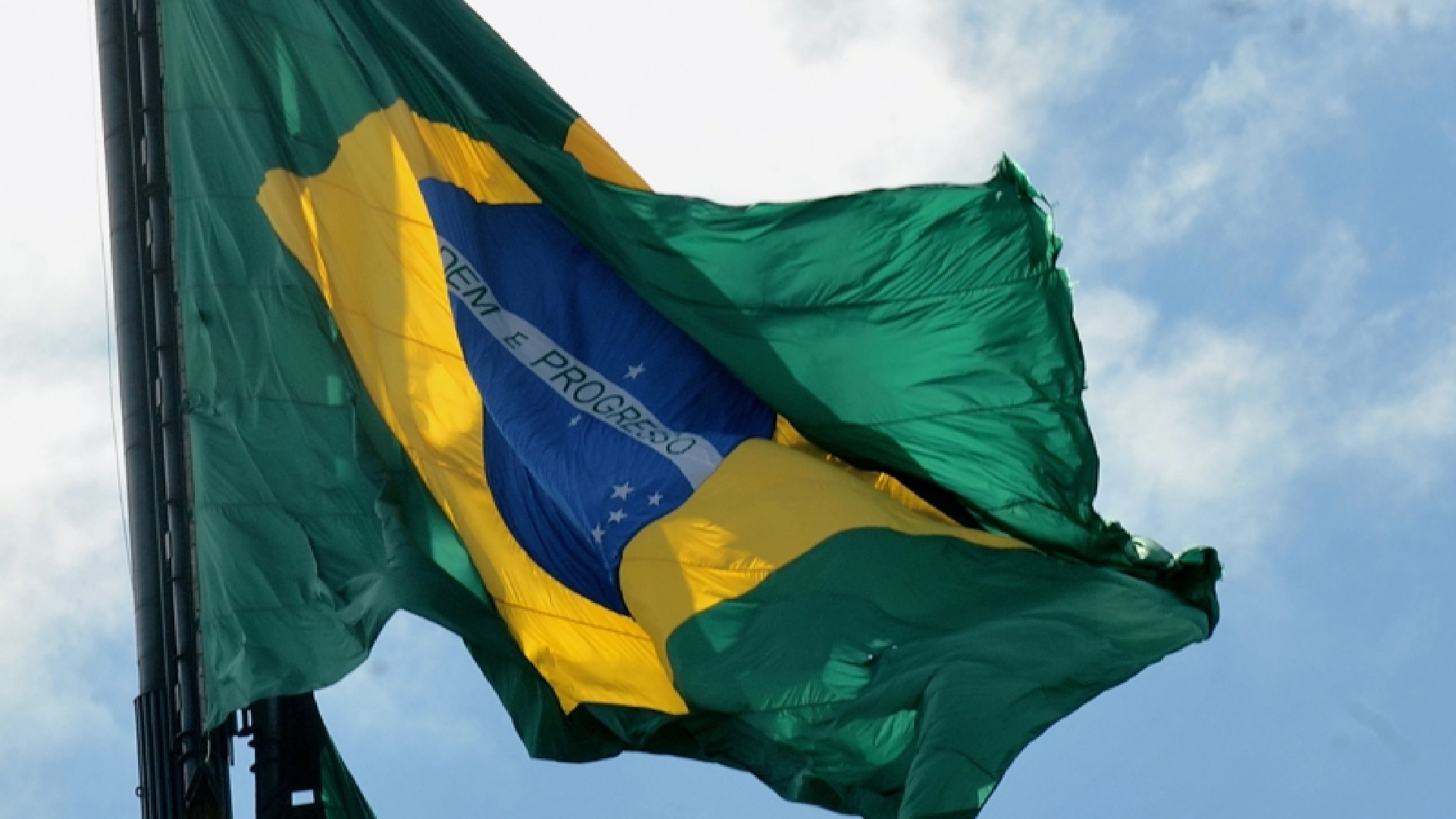
Brazil’s debate most explicitly frames this as a struggle for sovereignty. U.S. pressure has become intertwined with the presidential campaign, in which relations with Washington have emerged as an issue in their own right rather than merely a backdrop to domestic disputes. A Folha de S.Paulo article recalls that the Trump administration not only closely monitored the election but also demanded, during earlier tariff negotiations, that the participation of “political dissidents” be ensured. Brazilian public opinion is particularly sensitive to the fact that economic demands—tariffs, access to critical minerals and digital regulation—are being linked to requirements concerning the structure of the country’s democracy. (www1.folha.uol.com.br)
The editorial board of the Brazilian newspaper A TARDE captured the essence of this reaction in an almost aphoristic phrase: Brazil needs “parceiros, não tutores” [“partners, not guardians”]. In its interpretation, U.S. demands—from giving priority to American companies in the rare-earth sector to restricting China’s presence—look less like ordinary bargaining between states and more like an attempt to convert a trade advantage into political subordination. Importantly, this position extends beyond left-wing anti-Americanism: even where Brazilians are arguing about Lula and Bolsonaro, they are increasingly debating whether a candidate can ensure normal relations with the United States without turning them into dependence. (atarde.com.br)
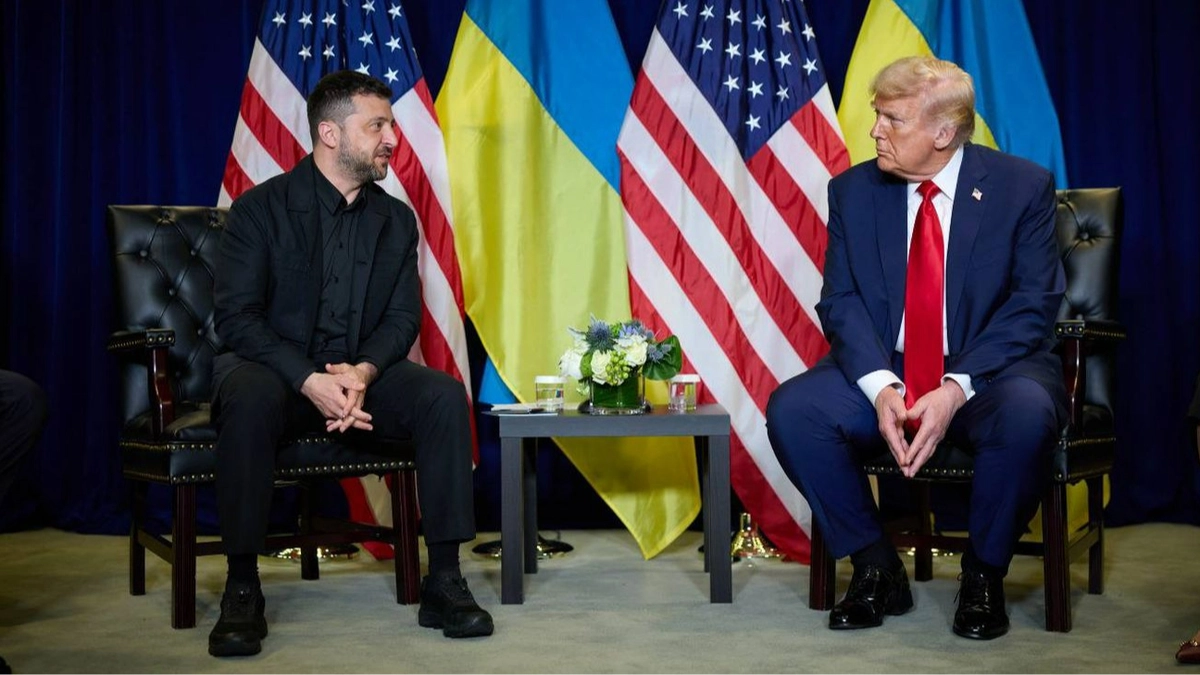
Ukraine’s reaction is far more dramatic, because for Kyiv, U.S. policy is measured not in tariffs but in the ability to defend its cities and continue the war. A new source of irritation has been Washington’s approach, which links pressure on Russia to the American domestic energy market. Ukrainian analysts are discussing reports of agreements between the United States and Russia on supplies of Russian diesel fuel, as well as pressure on Kyiv over strikes against Russian oil refineries. The Ukrainian Institute of Politics described this as Washington’s willingness to derive economic benefit from cooperation with Moscow without making it directly dependent on ending the war. (uiamp.org)
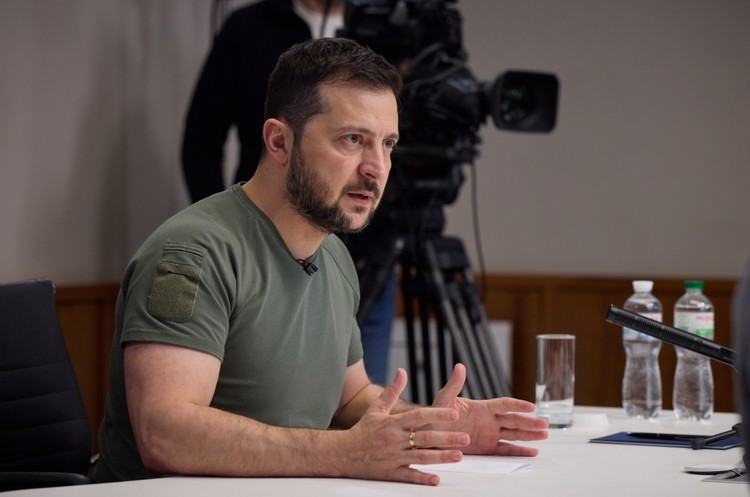
This explains Volodymyr Zelenskyy’s sharp remark, quoted by Ukrainska Pravda: “Боляче, коли Трамп стає на інший бік — не наш” [“It hurts when Trump takes the other side—not ours”]. This is not simply an emotional outburst. From the Ukrainian perspective, the United States risks becoming not an ally helping restore security but an arbiter for whom halting attacks on Russian oil refining is more important than preserving Ukraine’s military leverage against Russia. (pravda.com.ua)
The paradox of Ukraine’s view is that Kyiv is not rejecting talks with the United States and continues to count on Trump’s influence over the Kremlin. But it increasingly doubts that American mediation automatically coincides with Ukrainian interests. On October 17, Zelenskyy explicitly warned of the risk of further easing sanctions against Russia while emphasizing his readiness to negotiate with the American side in Ukraine, Europe or the United States. This is the position of a partner with no choice: Kyiv cannot break with Washington, but it is dangerous to rely on it unconditionally. (mind.ua)
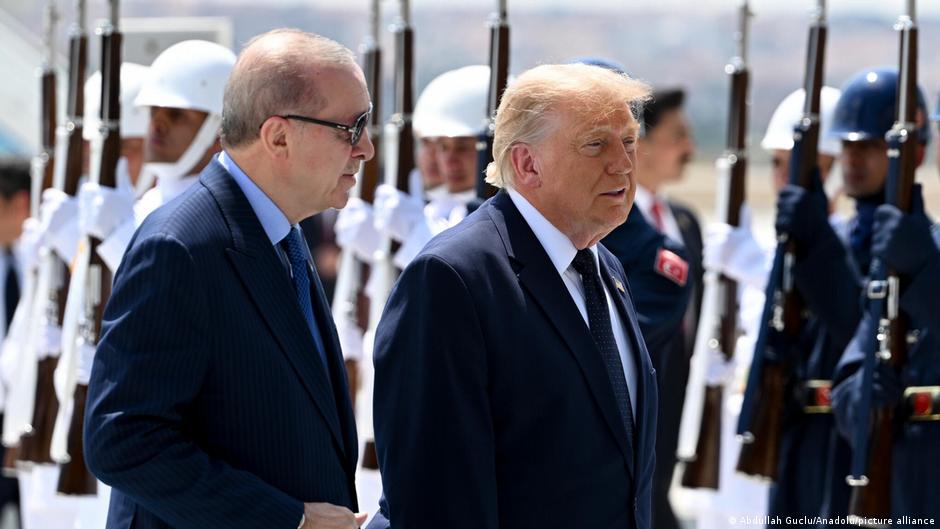
Turkey’s reaction is less confrontational but no less pragmatic. Ankara sees today’s America as both a window of opportunity and a source of new risks. After the July NATO summit in Ankara, Turkish commentators began discussing a possible reset in relations with the United States: lifting restrictions, prospects for the F-35 and Turkey’s greater importance in the Western security architecture. Analyst Erman Tatlıoğlu wrote in AA Analiz that Russia’s war against Ukraine, the Middle East crisis and Europe’s rearmament had restored Turkey’s central strategic importance. (haberintelifi.aa.com.tr)
However, Turkish media do not view this rapprochement as an unconditional success. A DW Türkçe analysis stressed that the personal rapport between Trump and Erdoğan has not yet resolved the key disagreements—CAATSA sanctions, the F-35 issue and the consequences of U.S. policy toward Iran. (amp.dw.com) Unlike Ukraine, Turkey is not asking the United States to provide it with the tools for survival; unlike Brazil, it is not debating direct interference in the electoral process. But its elites fear something else: that Washington may use the promise of defense concessions to tie Ankara more closely to its regional agenda.
The Iranian issue is particularly revealing. In a conversation with Trump, Recep Tayyip Erdoğan urged him: “İran ile diyaloğu sürdürün” [“Continue the dialogue with Iran”]. Behind this diplomatic formula lies a clear Turkish calculation: a new U.S. escalation with Tehran would harm border security, trade routes, energy prices and Turkey’s role as a mediator. (amp.dw.com) For Ukrainians, however, an American war around Iran primarily means competition for air-defense missiles and Washington’s attention; Turkish audiences see the risk of losing their own mediating role; and Brazilians see yet another sign that the United States is increasingly turning economic and military levers into a unified system of political influence.
This is where three very different national perspectives converge. Brazil fears American tutelage over its political choices. Ukraine fears an American deal with Russia behind its back or over its head. Turkey fears that strategic rapprochement with the White House will bring short-term benefits while narrowing its room for independent maneuver. In each of these countries, America remains an indispensable partner. But the image of the United States is changing: it is no longer a guarantor of order but the most powerful negotiator, ready to set a price for security, markets, technology and diplomatic attention.