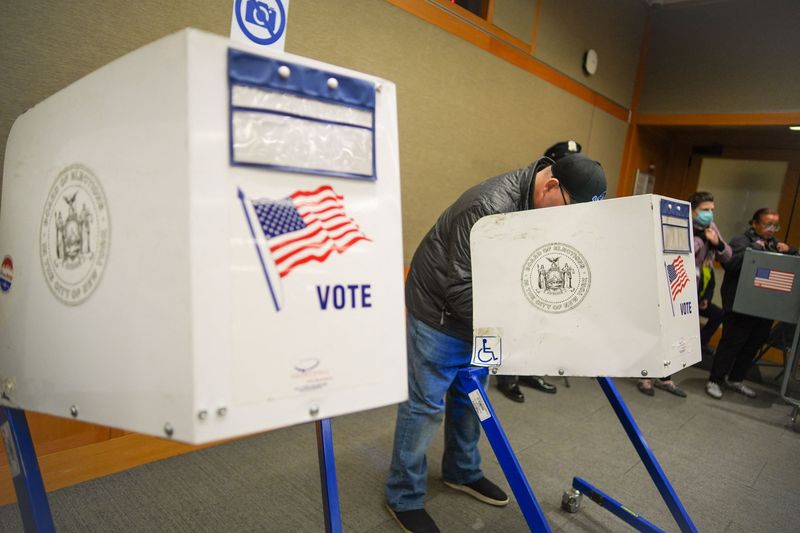
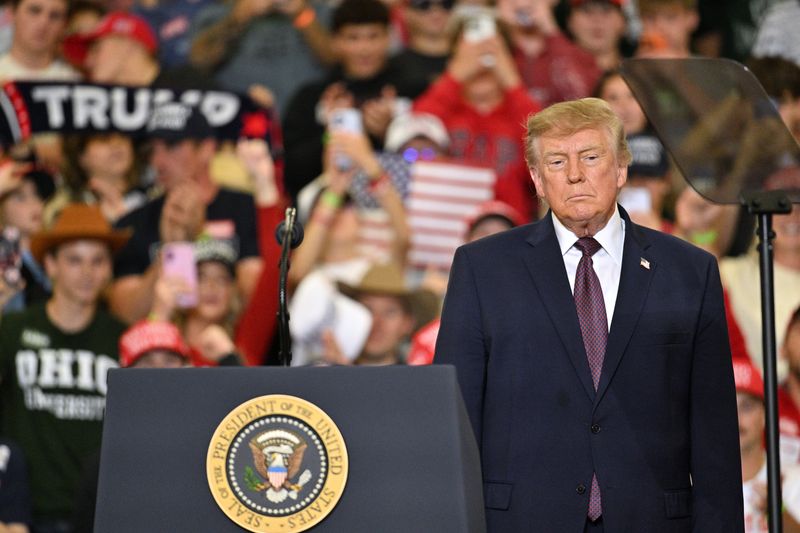
On November 3, 2026, the US midterm elections became the top story in South Korea, Australia and South Africa—but local observers are discussing them less through the familiar lens of party politics. For Seoul, the elections are a test of how predictable US demands on trade, defense and the Korean Peninsula will remain. For Canberra, the question is whether its closest military partnership can withstand Washington’s increasingly combative and personalized style. For Pretoria, the consequences of US pressure are no longer abstract geopolitics: they affect visas, exports and HIV programs. The common conclusion in local discussions is stark: the problem is not just Donald Trump, but the fact that US policy has begun changing the terms of its alliances too quickly. (fnnews.com)
The broadest shared concern is fear of domestic instability in the United States and its consequences abroad. Australian current-affairs program Four Corners, in its investigation of the elections, describes the vote as a referendum on presidential power, not an ordinary reshuffling of seats in Congress. A particular source of concern in Australia is the possibility that federal agencies could interfere in the electoral process. Former FBI Director James Comey calls these the most important elections of his life, saying that the presidency has slipped beyond effective institutional control. His line—“the power that should be checked by another branch of government is absent”—sounds to Australian audiences not like a partisan American talking point, but like a warning to an ally accustomed to seeing the United States as a guarantor of the rules. (abc.net.au)
The tone in South Korea is notably more pragmatic. In an analysis by Financial News, the focus is less on judging Trump morally than on how negotiations might unfold after the elections. A weakened president, forced to reckon with the House of Representatives or the Senate, could find himself both less free to act and more inclined to demand swift foreign-policy concessions. Korean commentators advise preparing for “divided government” in the United States and maintaining contacts with both the administration and congressional Democrats. This is a characteristically Seoul perspective: American democracy matters above all because tariffs, semiconductors, defense spending and the possibility of renewed dialogue with North Korea depend on how it functions. (fnnews.com)
A second shared theme is the US war with Iran, which all three countries link to everyday economic concerns. In Australia, it is seen as evidence that an alliance with Washington can draw the country into a crisis it did not choose. In the ABC report, Mark Short, a former Trump administration official, directly links Americans’ discontent with the war to rising prices. Political consultant Luke Ball notes that Trump’s base voted against “forever wars.” The Australian debate therefore extends beyond Iran: it raises a more uncomfortable question—where is the line between being a reliable ally and automatically following the United States? (abc.net.au)
For South Korea, the issue is primarily one of energy and military exposure. Experts at the East Asia Institute, in a report on the US war with Iran, advise Seoul not to conflate two separate matters: joining US sanctions and possible demands for a military contribution to security in the Strait of Hormuz. Their recommendation is to avoid playing its negotiating cards too soon and wait to see how the election results change the White House’s calculations. It is especially telling that the Korean report assesses the war not only in terms of oil: the authors point to the depletion of US stocks of precision-guided munitions. For a country living next to nuclear-armed North Korea, this is not abstract military statistics but a question of whether the Middle East campaign will weaken the United States’ ability to meet its commitments in East Asia. (global.eai.or.kr)
South Africa’s response highlights another aspect of the new US approach: American foreign policy is seen as a system of penalties in which trade, humanitarian aid and political demands blur together. In an analysis by Daily Maverick, US visa restrictions on some South Africans are interpreted as a signal that Washington considers Pretoria’s responses to its grievances inadequate. The author criticizes the South African government for hoping the political storm will “blow over on its own” and proposes developing concrete initiatives, particularly on rural safety. This is not a position of capitulation, but an attempt to reclaim agency: rather than wait for the next sanction, South Africa should put forward its own agenda in its relationship with a more powerful partner. (dailymaverick.co.za)
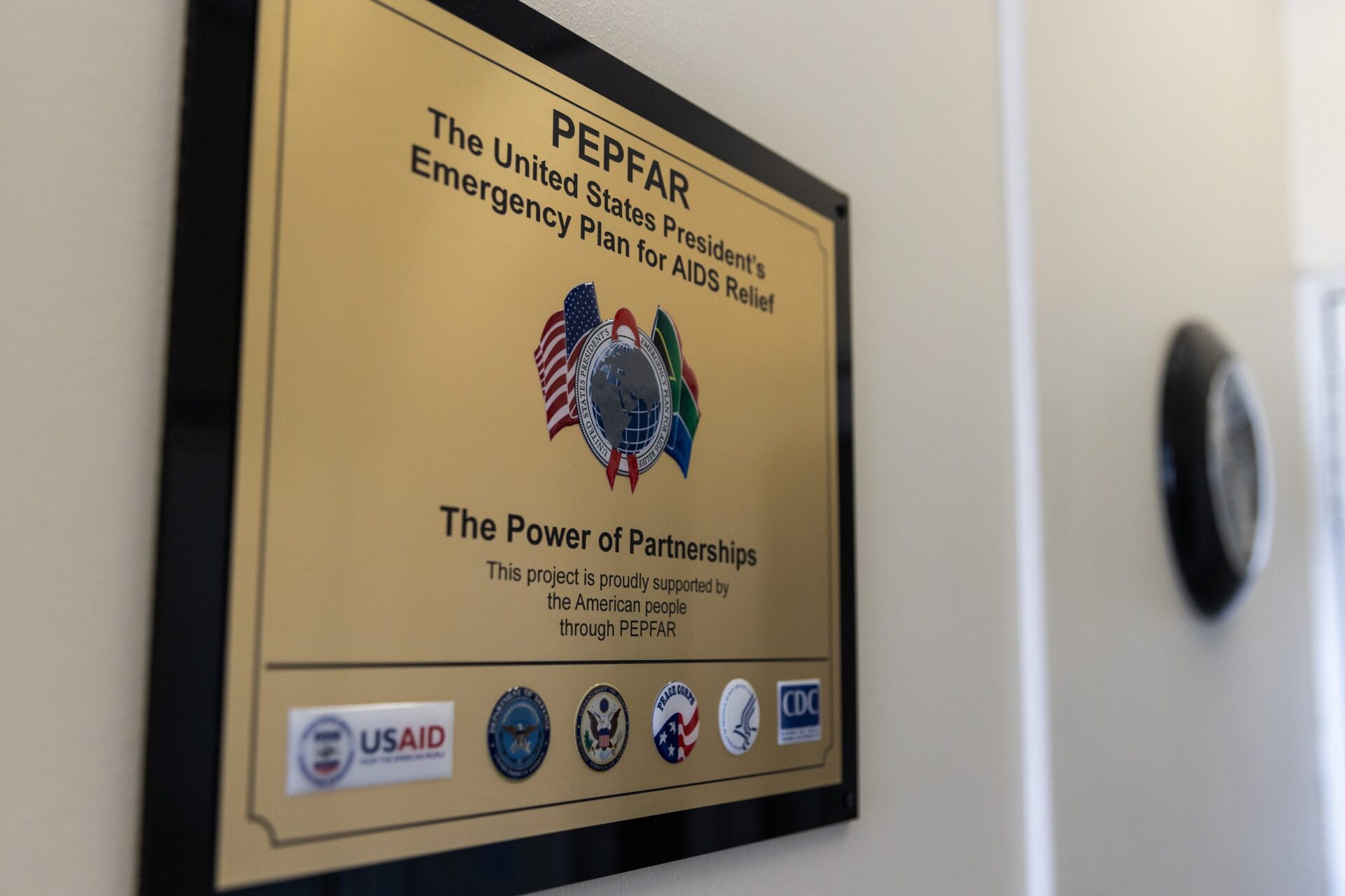
But the most painful issue for Pretoria is not visas; it is the withdrawal of US funding for HIV programs through PEPFAR, the President’s Emergency Plan for AIDS Relief. In a recent study, the South African Institute of International Affairs (SAIIA) sees this as a shift from aid to hard-nosed political and trade bargaining. In a country with the world’s largest HIV epidemic, the change is seen as particularly cynical: local organizations warn that young women and girls will be the first to lose access to prevention services, while the government estimates that PEPFAR previously covered about 17% of the HIV program budget. America is no longer being discussed here as a security guarantor or the largest market, but as a partner whose domestic ideological conflicts can directly affect the work of clinics. (saiia.org.za)
The most unexpected theme comes from Australia: a dispute not over troops or tariffs, but over regulation of US tech giants. In a column by political analyst Mark Kenny, Australian plans to require social media platforms to let users turn off algorithmic feeds are described as a potential flashpoint with the Trump administration. Canberra is trying to curb the power of US platforms over the information space, while Washington may see such rules as a disguised barrier to American business. This dispute reflects a new reality: even the closest US allies can no longer assume that cultural affinity will automatically shield them from pressure from the White House.
Seoul, Canberra and Pretoria view America from different distances, but they see the same trend. South Korea measures the risks in terms of security and supply chains; Australia, in terms of democratic institutions, war and digital sovereignty; South Africa, in terms of public health, access to trade and the dignity of an equal partner. Their shared question to Washington is not simply whether Republicans or Democrats will win. It runs deeper: can the United States remain a power with which countries can build a long-term strategy if every new domestic upheaval in America leaves its friends with another bill to pay?