By August 18, 2026, the central theme in South Korean, Russian and Israeli discussions of America was no longer the abstract “role of Washington in the world,” but a practical question: can Donald Trump’s administration wage war, negotiate, apply tariff pressure and still retain its allies’ trust at the same time? The question sounds different in each of the three countries, but the underlying concern is the same: the United States is still seen as an indispensable, but increasingly unpredictable, power. The sharpest catalyst is the conflict with Iran and the White House’s constantly shifting line between threats of new strikes and promises of an imminent deal.
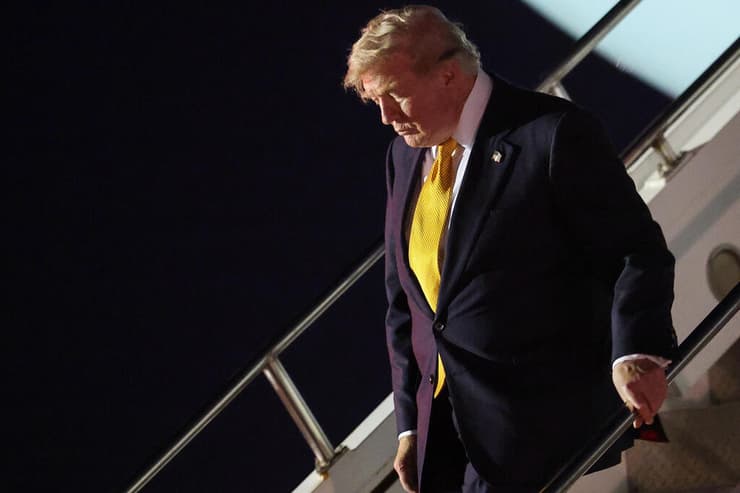
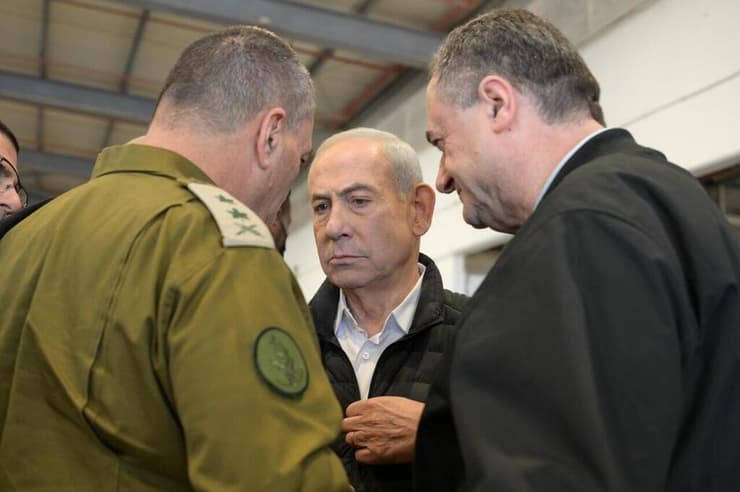
In Israel, this duality is provoking a particularly nervous reaction. Israeli commentators generally do not doubt that direct American military involvement has radically shifted the balance of power against Iran. But they increasingly see Trump not as a president prepared to expand the war indefinitely for the sake of an ally, but as a politician seeking to quickly turn military pressure into a personal diplomatic victory. In an analysis for Ynet, Itamar Eichner describes the American tactic almost as negotiations “by bombs”: in his assessment, the president is not seeking a full-scale new war, but is attempting to use military strikes to force Tehran to accept terms for ending the conflict. This is an important Israeli reading of the situation: Washington is not abandoning force, but is using it primarily as a means of reducing its own involvement.
This produces an Israeli paradox. Some experts welcome the far more active American policy than before. In an analysis for Globes, Dan Diker, president of the Jerusalem Center for Foreign and Security Policy, argues that Trump has understood the need for American leadership in confronting the Iranian regime. Yet the same article presents another, more troubling line of thought: the war is already facing opposition within the United States—from both Democrats and the isolationist wing of the Republican Party. For Israel, this means that Washington’s support remains a strategic pillar, but its duration depends not only on the situation in the Middle East, but also on the U.S. domestic political calendar, above all the midterm elections in November 2026.
The Russian debate looks at the same story from the opposite side, but reaches a similar conclusion about the instability of America’s policy. In Moscow, the war with Iran is often interpreted not as a consistent strategy for establishing a new regional order, but as Trump’s attempt to combine a show of force with the search for a high-profile deal. In a Vedomosti article, Alexei Yurk, a researcher at the Primakov Institute of World Economy and International Relations, warns that a possible U.S.-Iran agreement risks remaining a nonbinding memorandum with deliberately vague wording, allowing all sides to declare victory. This is not simply anti-American rhetoric: the Russian expert identifies a lack of trust between Washington and Tehran, meaning that even a formal agreement would not guarantee lasting peace.
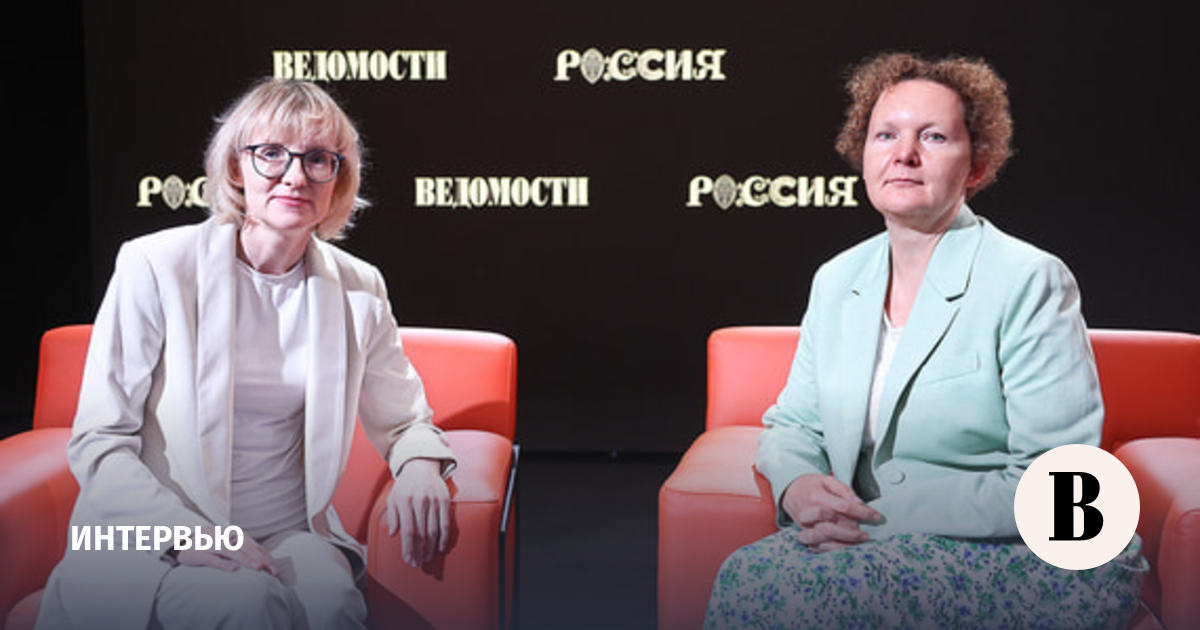
This also informs Russia’s broader interpretation of its relationship with the United States. In an interview with Vedomosti, Victoria Zhuravleva, deputy director of the Primakov Institute of World Economy and International Relations, speaks of the mutually distorted perceptions held by Russia and America, intensified by the breakdown of expert and personal contacts. Significantly, in Russian circles Trump is increasingly less likely to be viewed as an automatically “convenient” leader for Moscow. His desire to negotiate over Ukraine may create room for dialogue, but sanctions, Congress, European pressure and Washington’s willingness to use force in other regions remain in place. The Russian view is therefore more cynical than optimistic: America under Trump may be less ideological, but that does not make it any less competitive or dangerous.
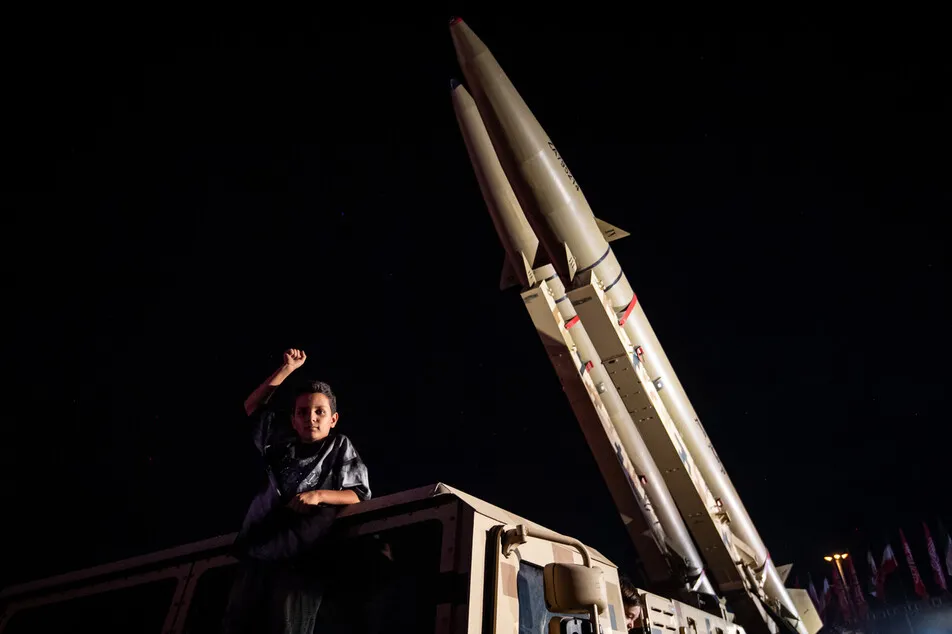
South Korea adds a distinct dimension to this picture—the fear that American resources may be depleted and alliance commitments turned into bargaining chips. The South Korean newspaper Hankyoreh draws attention to assessments that the war with Iran has already significantly reduced U.S. stocks of certain critical munitions, including air-defense systems and cruise missiles. For Seoul, this is not a remote detail of a Middle Eastern war. Any decline in stocks of Patriots, Tomahawks and other systems immediately raises the question of whether the United States would have sufficient resources in the event of a crisis around Taiwan or a new escalation on the Korean Peninsula. In other words, in Korea, America is discussed not only as a security guarantor, but also as a power with limited reserves of attention, missiles and political will.
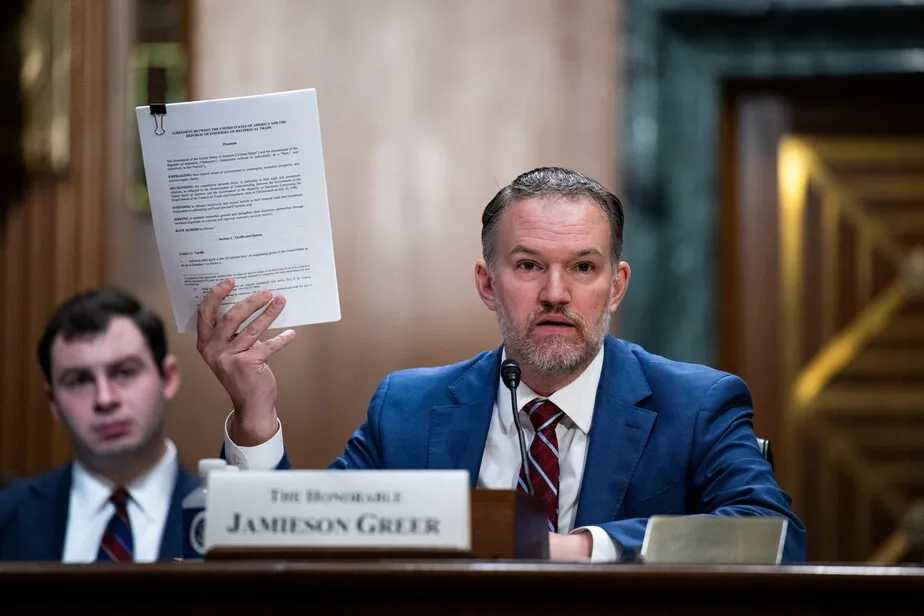
The economic side of American unpredictability is causing no less irritation in Seoul. An editorial in Hankyoreh about the new 12.5% U.S. tariff stresses that imposing a duty on South Korea on the grounds that it has taken insufficient measures against products made with forced labor demonstrates the Trump administration’s determination to maintain protectionist barriers by any means. The editorial explicitly warns that even when Washington confirms previous agreements, relying on them is dangerous precisely because of the unpredictable nature of the current administration. For a country whose export model depends simultaneously on the U.S. market, technology chains and demand for semiconductors, this is almost a formula for strategic vulnerability: an ally in security can become a source of a trade shock at any moment.
The most unexpected common conclusion emerging from the Israeli, Russian and South Korean reactions is that the dispute is no longer about whether America is “strong.” None of these countries questions its military, financial or technological power. The dispute concerns how that power is used. Israel fears that the United States may too quickly choose a deal over the final elimination of the threat. Russia believes that American deals often depend on domestic political needs and therefore struggle to survive their first serious crisis. South Korea sees the risk that Washington’s global activism is simultaneously depleting its military stocks and making economic relations conditional.
In this sense, Trump’s America is perceived in all three countries as a state that demands greater self-reliance from its partners, but does not always give them the time, predictability or rules they need to achieve it. For Israel, this means preparing for the moment when the United States says: the military phase is sufficient—now negotiate. For South Korea, it means accelerating its own defense and technological safeguards without abandoning the alliance. For Russia, it means building expectations neither around détente nor around a final break, because American policy is increasingly moving not along a straight strategic path, but from deal to crisis and from crisis to the next deal.