In recent weeks, in three very different countries — Turkey, Russia and Australia — discussion about the United States has surprisingly often shifted away from abstract “American politics” to a very practical question: can Washington still be considered a predictable partner? In the Australian press this is visible in two lines at once: a fresh Lowy Institute study showing trust in the United States has fallen to a record-low level, and a series of ABC analytical pieces on tariffs and Donald Trump’s foreign-policy line. In the Turkish debate, NATO, F-35s, sanctions and trade caution dominate amid talks in Ankara. In Russia — sanctions pressure, tariff threats, and discussion of how Trump tries to squeeze both allies, BRICS and Moscow at the same time. (abc.net.au)
The common nerve running through these discussions is a trade war and protectionism. In Turkey, business and analytical circles describe Trump’s tariff policy as a risk, but also as a window of opportunity: Anadolu Ajansı cites assessments that Turkish businesses must quickly calculate the consequences of new U.S. duties and, at the same time, use the comparatively softer tariff regime toward Turkey as a chance to strengthen their export positions. In one of the comments, Chairman of the ShEQİB Awdaği — ShəkiB Awdagich? — actually said that “dünyа ekonomik düzeni… tekrar korumacılığa” — that is, the world economy is once again moving toward protectionism, meaning businesses have to restructure their strategy. In Russia, the tone is similar but with a different emphasis: TASS and Российская газета write not about opportunities, but about a global fault line, linking Trump’s tariffs to the dismantling of the previous model of globalization and to a new phase of pressure on global supply chains. One of RG’s experts notes that, in his view, the Russian economy has already adapted to restrictions, so the United States is effectively launching a new economic experiment with an unclear outcome. In Australia, the tariff theme lands especially painfully because it is discussed not as some distant abstraction, but as a direct blow to exporters: ABC reports that Washington introduced a 12.5% tariff on Australian exports, and that businesses fear reduced investment and rising costs. (aa.com.tr)
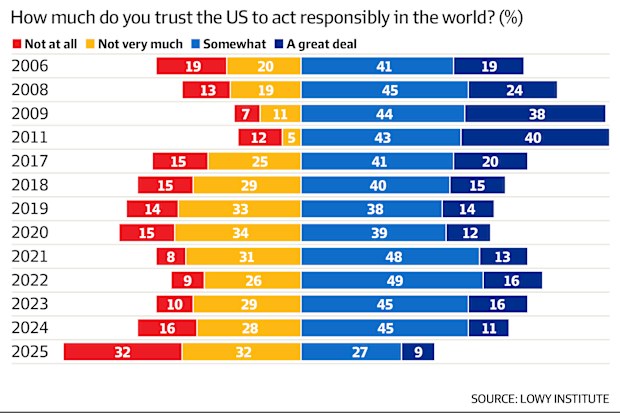
The second major storyline is the reliability of the United States as an ally. In Australia, this is perhaps the most noticeable public nerve: according to Lowy Institute, only 31% of Australians believe the United States will “act responsibly in the world,” and trust in President Trump has hit a historic low. At the same time, the same poll highlights an important detail: despite declining trust in Washington, 73% of Australians still believe the alliance with the United States is important for the country’s security. This helps explain the ambivalence of Australian coverage: on the one hand, ABC and Prime Minister Anthony Albanese himself say that with Trump in office, America is “playing a different role” and moving away from the usual pro-market and pro-alliance model; on the other, Canberra does not want to break the alliance and instead prefers a “disciplined” and cautious adaptation. Albanese, speaking on ABC, puts it without diplomatic lacework: because of “America first,” Australia and other middle powers are banding together more closely. (abc.net.au)
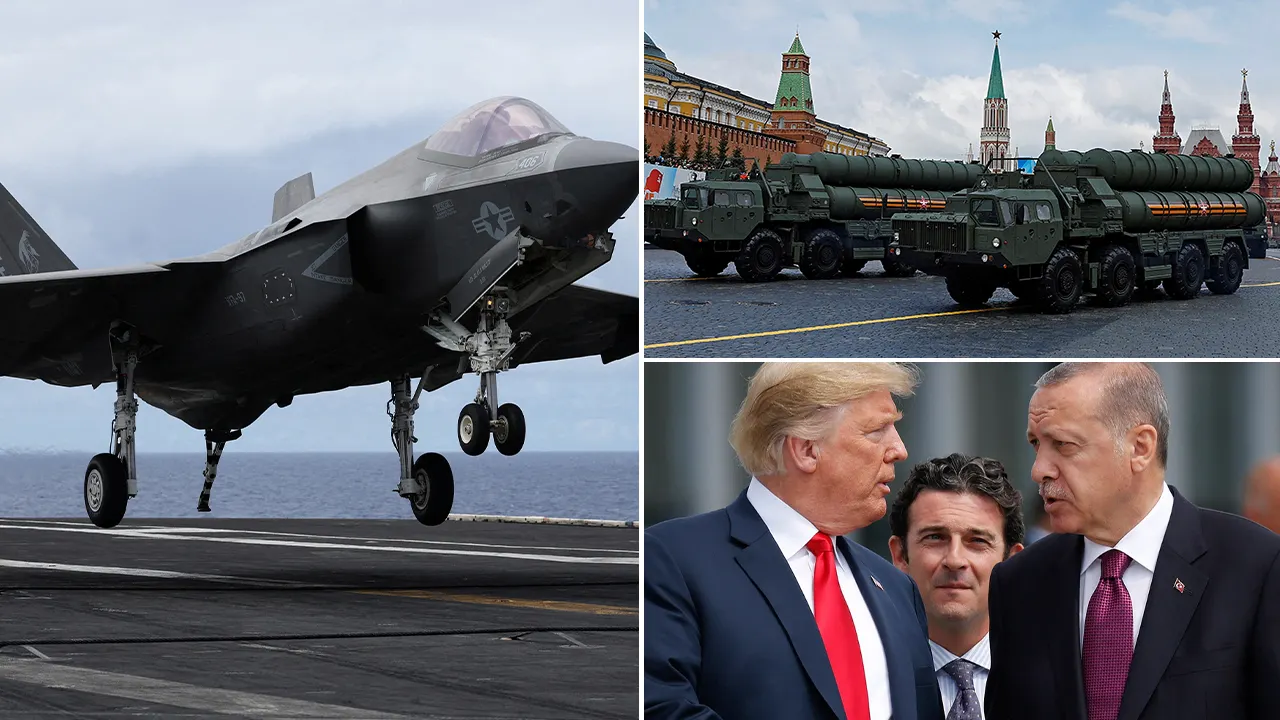
Turkey’s reaction to the same issue is more institutional and less emotional. After the NATO summit in Ankara, Turkish analytical outlets like AA wrote that relations between Turkey and the United States could open “a new page,” if the most painful issues shift — CAATSA sanctions, the C-400 issue, and the fate of the F-35. An important detail here is that Turkish texts do not present the U.S. as an “unreliable ally in general,” but rather as a party with which a deal is possible if the balance of power in NATO changes. In AA’s article about the summit, it notes that Trump’s statements about lifting sanctions on Turkey and the possible review of F-35 already created expectations that the defense impasse could be unblocked. A European expert close to this storyline, Director of the European Neighbourhood Council Festerbey, told AA that the summit became a “big win” for Turkey–U.S. relations. In other words, the Turkish view is not about a break, but about pragmatically restoring a channel through security and the defense industry. (aa.com.tr)
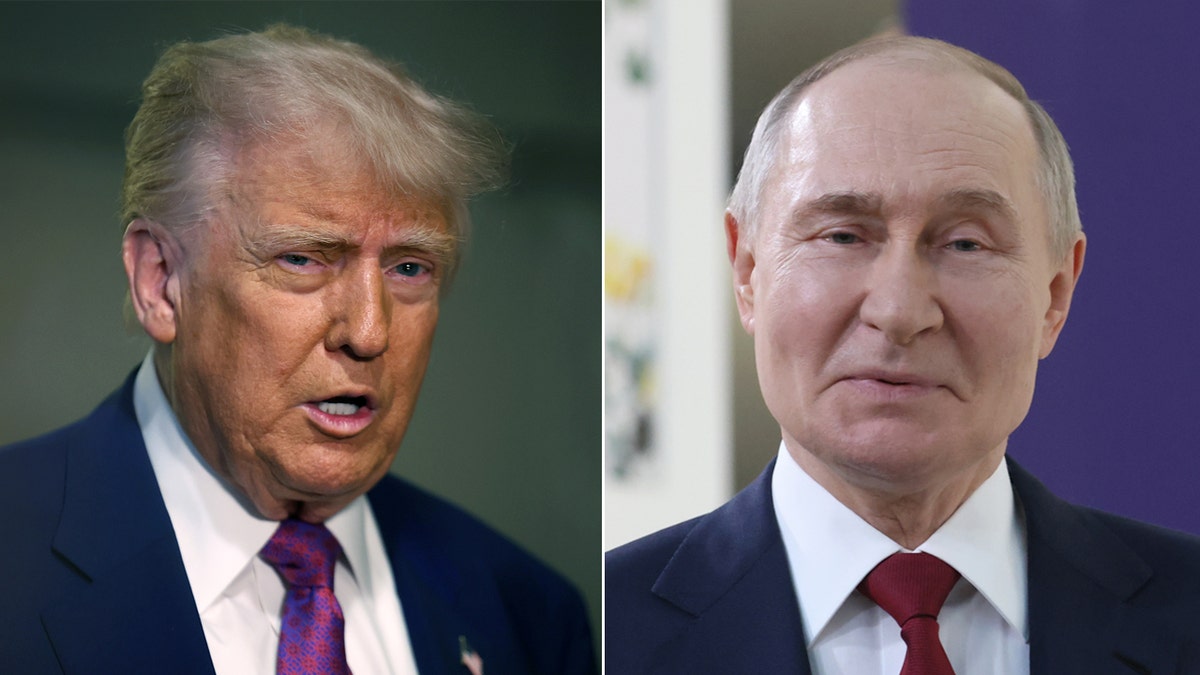
The third topic that clearly ties all three countries together is American foreign policy as a source of unpredictability, especially in the context of war, Iran and Ukraine. In Russia, this storyline is almost inevitably read through sanctions and ultimatums. TASS cites and comments on Trump’s July statement about “50 days” for a deal on Ukraine and the threat of secondary tariffs against Russia; it also emphasizes that an even tougher package is under consideration in Congress — up to 500% duties. For Russia’s expert community, this is not just another piece of news, but a sign that Washington is trying to combine economic pressure with political coercion. In another TASS column, it is stated outright that Trump prefers tariffs to sanctions as a tool for pushing Moscow toward an outcome it finds unacceptable. It is also telling that even when Russian rhetoric is sharp, it is often infused with a calculating tone: the point is not panic, but waiting to see where the American threat is just a facade and where it is a real instrument. (tass.ru)
In Australia, the same phenomenon is interpreted through Iran and through the reproach that the United States makes decisions without allies. ABC reported that Trump criticized Canberra for not providing enough help in the conflict around the Strait of Hormuz, and then in Australian debate Albanese himself called his rhetoric “inappropriate for a United States president.” What is especially interesting is that local criticism is not anti-American in the direct sense: it is not aimed at the alliance as such, but at the American way of acting without consultation — that is, against the style of power. Australian commentators talk about Trump’s “cryptonite” in local politics: publicly aligning with him is electorally toxic, but it is impossible to fully distance from the United States. That is why Canberra chooses a strange but very telling strategy — less worship, more cold pragmatism. (abc.net.au)
If all of this is brought together into a single picture, it is not simply dissatisfaction with a specific U.S. president, but a broader international disappointment with American predictability. Turkey sees Washington primarily as a negotiator with whom you can bargain if the balance shifts in NATO and in the defense industry. Russia sees the source of sanctions pressure and trade-politics blackmail that, according to local commentators, itself accelerates the dismantling of the previous world order. Australia sees an ally it has to stay close to even when trust in it falls to record lows. And it is precisely this similarity that makes the current wave of discussion so significant: in three countries, very differently but increasingly often, people are talking about the same thing — the United States is no longer perceived as automatically the stable center of the system. It remains strong, but its strength is now read as a risk factor rather than only a guarantee. (abc.net.au)