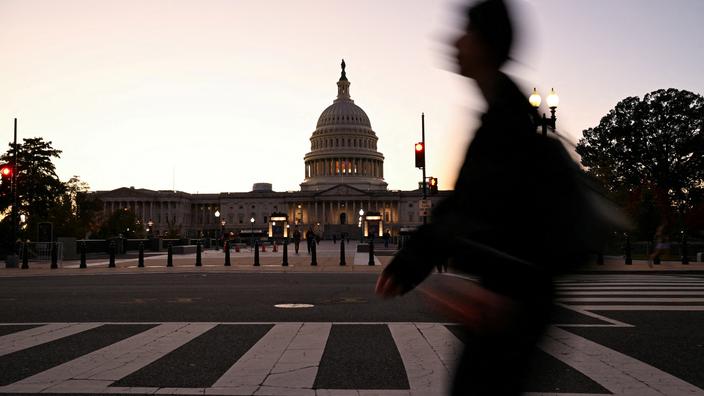
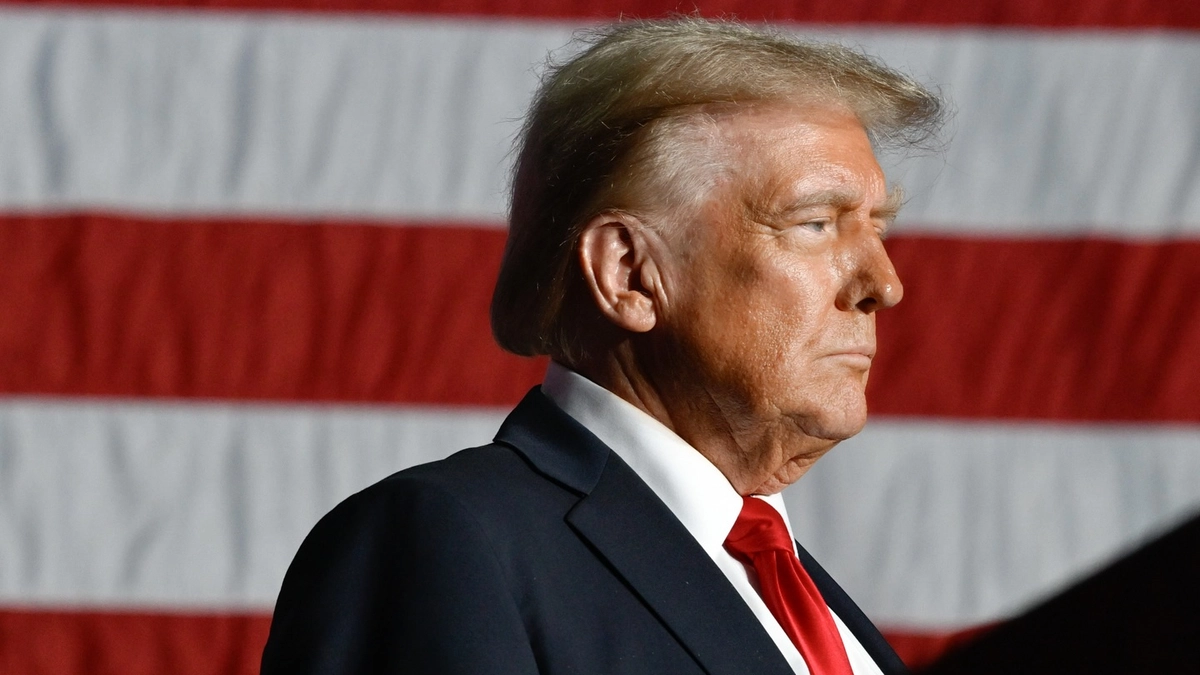
In recent days, the main topic in Japan, France and Ukraine has not simply been the U.S. midterm elections on November 3, 2026, in which Democrats won back both chambers of Congress. It has been the question of how much this blow to Donald Trump will change U.S. foreign policy. In all three countries, the result is seen as a serious check on presidential power, but not as an end to it. In France, the debate centers on the future of Trumpism itself and the temptation to draw direct parallels with the 2027 French presidential campaign; in Japan, on the cost of instability around Iran for an energy-dependent economy and on nuclear and missile risks in Asia; and in Ukraine, on whether the new Congress can restore support for Kyiv and curb White House pressure to make concessions to Moscow.
The French press interprets the vote above all as a social revolt, not merely an ideological one. In an editorial, Le Monde calls the elections a “punishment vote”: in its view, voters punished the president primarily over the cost of living, although concerns about pressure on institutions and the rule of law have not gone away either. Columnist Alain Frachon puts the conclusion more cautiously: this is “a serious brake, not a stop” for Trumpism. In other words, French commentators do not believe a single Democratic victory has eliminated American right-wing populism. They see the system of checks and balances being restored, with Congress once again able to investigate the executive branch, restrict funding and complicate new foreign-policy adventures. (lemonde.fr)
In France, however, the American story immediately became a domestic one. Left-wing and centrist circles are trying to read the Republicans’ defeat as a harbinger of trouble for French nationalists, but the conservative newspaper Le Figaro disputes the comparison: the American wave was driven by a specific combination of high prices, the war with Iran and personal opposition to Trump—not by an automatic rejection of all right-wing populist politics. It is especially telling that the French debate even touches on the everyday consequences of U.S. policy: Le Figaro reports that French interest in traveling to the United States has fallen noticeably amid a harsher immigration climate and concerns about border controls. For Paris, Trump’s America is no longer an abstract ally, but a country whose political turbulence affects European elections, tourism, trade and citizens’ sense of security.
In Japan, the same U.S. result is viewed through the lens of the Strait of Hormuz. Tokyo is far less absorbed by the question of who won America’s culture war and far more concerned with whether oil and liquefied natural gas prices will fall, and whether strikes on Iran will resume. An analyst at the Japan Institute of International Affairs warned in an analysis of the pre-election situation that Washington might try to reach an agreement with Tehran focused only on threats to U.S. territory—for example, intercontinental missiles. For Japan, that would be a dangerous deal: Iran’s capabilities that could threaten Japanese interests and regional stability might be left out of the agreement. After the Democrats’ victory, Japanese economists hope that, starting in January 2027, Congress will exercise tighter oversight of military spending and the use of force, but they also allow for the opposite scenario: a weakened president may try to compensate for his domestic political defeat by demonstrating resolve abroad.
This concern is expressed in the most practical terms in an analysis by the Dai-ichi Life Research Institute: uncertainty over shipping through the Strait of Hormuz could drive up the cost not only of oil and gas, but also of petrochemicals and fertilizers, spreading inflation throughout the Japanese economy. A TBS Cross Dig report states directly that instability in the strait and the resulting rise in oil prices are becoming a factor in Japanese inflation. Here the difference from France becomes clear: Paris sees Trump’s defeat as a test of democracy and political models, while Tokyo is focused above all on the price of a barrel, the vulnerability of sea routes and the risk that U.S. diplomacy will narrow its guarantees in pursuit of a quick agreement.
For Ukraine, the midterm elections are neither a metaphor nor an economic indicator, but a potential change in the conditions of the war. Kyiv is cautiously optimistic: a Democratic majority could create an opportunity to include financial and military aid for Ukraine in the U.S. defense budget, increase congressional oversight of the administration’s contacts with the Kremlin and make unilateral concessions to Russia more difficult. But Ukrainian commentators repeatedly point to the time lag: the new Congress will not begin work until January 3, 2027, and until then Trump retains broad freedom of action in diplomacy. In a column for Ukrainska Pravda, civic activist Olena Trehub puts it without euphoria: “opportunities are emerging,” but quick decisions should not be expected. (pravda.com.ua)
The Ukrainian perspective links the war with Iran to the Russian-Ukrainian front particularly sharply. Before the elections, U.S. policy toward Ukraine, as Ukrainska Pravda noted, seemed contradictory: Trump’s desire to lower energy prices and improve his domestic political standing pushed the White House to seek quick deals, including with Moscow. Kyiv therefore does not assume that the Republicans’ defeat will automatically turn the United States back into an unconditionally supportive partner. The new balance of power may make Washington’s policy less personalistic and more transparent, but it does not eliminate the president’s veto, his control over diplomacy or his ability to delay decisions.
The overall conclusion from reactions in Japan, France and Ukraine is that the world does not see U.S. elections as a purely domestic matter. France saw a warning to a leader who had disregarded the public’s material concerns and institutional constraints; Japan saw a possible chance to reduce the risk of renewed escalation in the Persian Gulf, but no guarantee of de-escalation; Ukraine saw an opportunity to make aid to Kyiv once again a matter of consistent congressional policy rather than a variable in Trump’s personal calculations. The most unexpected common thread in these different debates is the cost of war: in France, it showed up in voters’ discontent with their standard of living; in Japan, in fears of inflation and supply disruptions; and in Ukraine, in concerns that American fatigue with foreign conflicts will come at the expense of Ukrainian security.