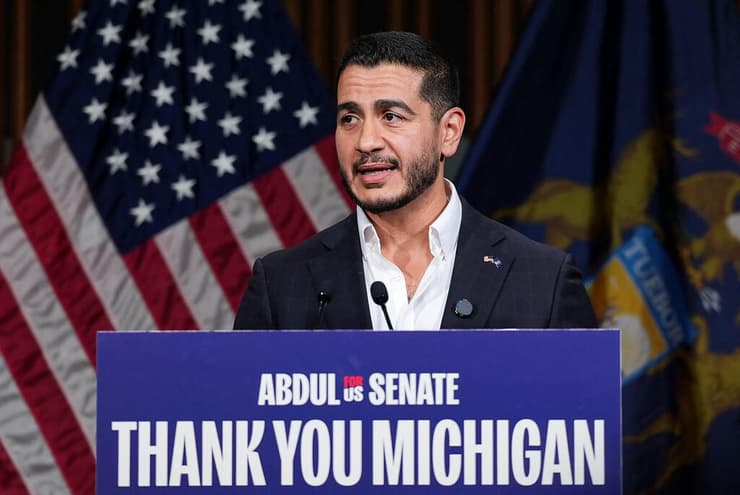
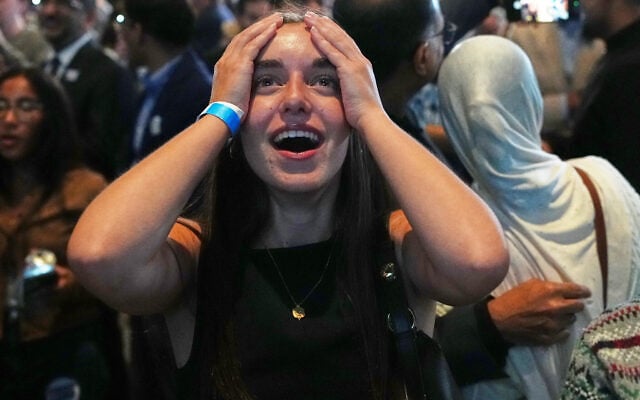
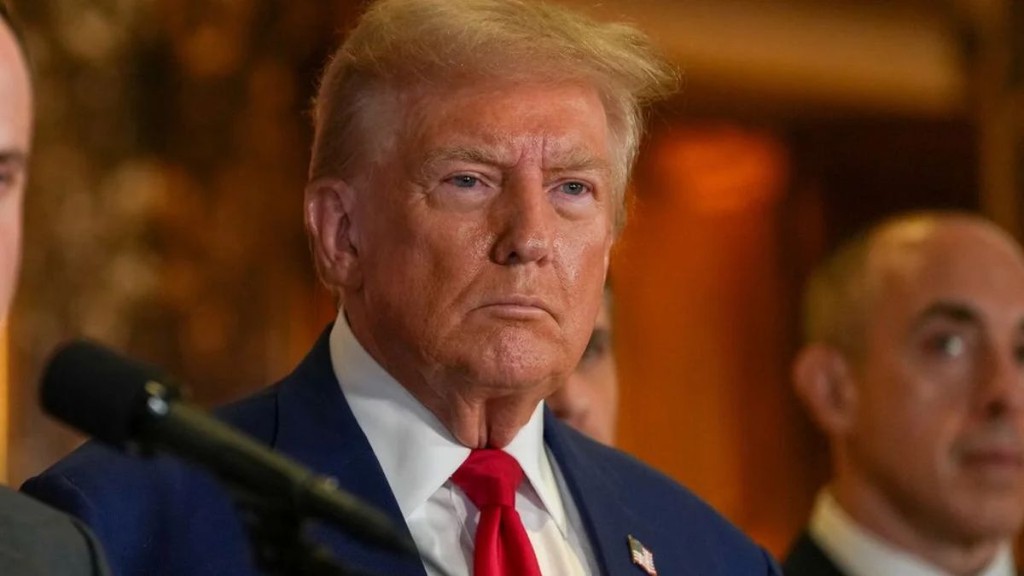
In recent days, the main foreign-policy issue in Israel, India and South Africa has not been the US midterm elections on November 3 themselves so much as the question they suddenly raised: how far can Donald Trump continue his course now that Republicans have lost control of both chambers of Congress? Local debates interpret the result as a sign that the White House has been weakened, but not that policy will change immediately. Israel is concerned about military support and the political cost of war with Iran; India is weighing the risks to tariffs, oil and visas; and South Africa sees a chance for pressure to ease even as it prepares for a very concrete blow: losing access to the AGOA trade program on January 1, 2027. (ynet.co.il)
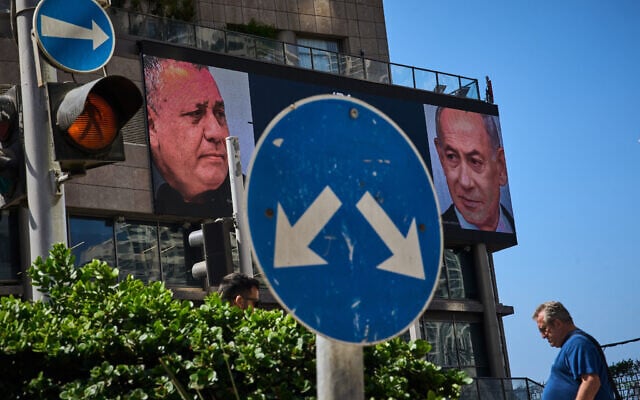
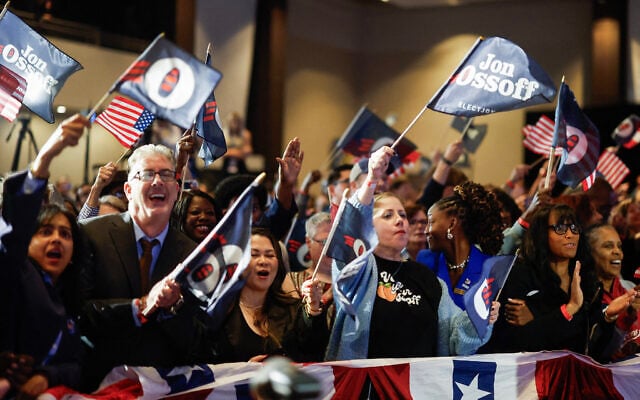
The broadest theme uniting the three countries is the transformation of America’s war with Iran from a distant conflict into a factor in everyday economic life. The Israeli press interprets the Republicans’ defeat as a direct consequence of rising gasoline prices and inflation, which American voters associate with the war. Israeli analyst Kobi Barda, in a commentary for Ynet, puts forward a painful thought for Jerusalem: Benjamin Netanyahu has become part of America’s domestic political problem for the first time, and Israel risks becoming an electoral liability for its main ally. In this view, the Democrats’ victory is not just a shift in party fortunes but a warning: supporting Israel is no longer an unquestionably advantageous issue for American politicians. (ynet.co.il)
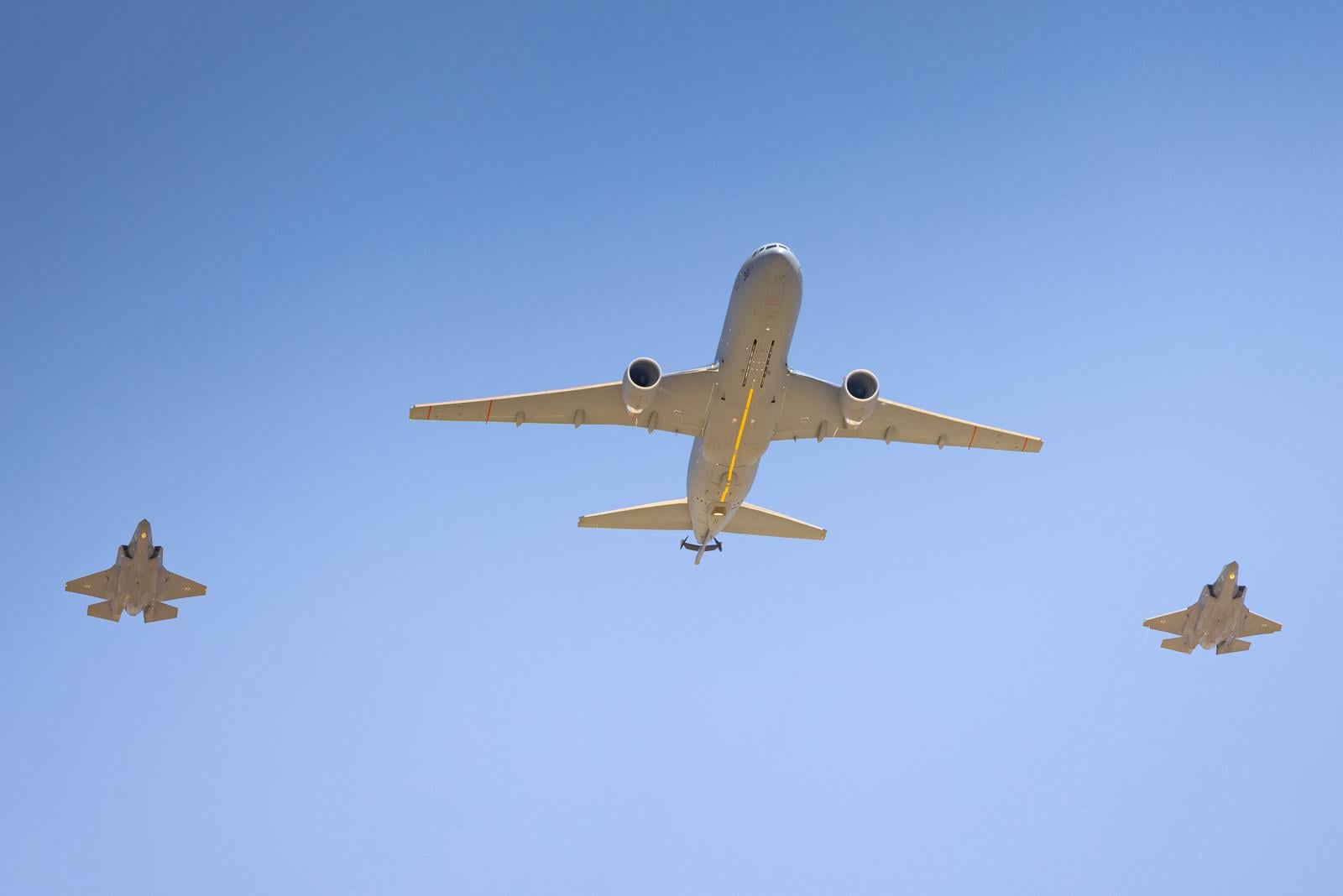
In Israel, however, this concern is not simply a fear of the Democrats. The local debate is far more practical: what exactly will happen to US funding, weapons and joint missile defense? Trump’s announcement that annual military aid would end caused confusion even in diplomatic circles. US Ambassador Mike Huckabee admitted in an interview reported by the Times of Israel that it was unclear whether aid would end immediately or after the current memorandum expires in 2028. Israeli President Isaac Herzog said the news “hit him like a bolt from the blue” and stressed that the agreement is formally in effect until 2028. (timesofisrael.com)
Interestingly, Huckabee proposes changing the very language used to describe the relationship: instead of an “aid package,” he suggests a trade and technology partnership. For some Israeli commentators, this looks like an attempt to give the inevitable reduction in dependence the dignity of strategic maturity. But the political reality is harsher: a Times of Israel analysis notes that the new Congress could influence aid even without immediately canceling the current memorandum. Israel’s concern is therefore twofold: Washington may not abandon the alliance, but the alliance is becoming a bargaining chip in American politics. (timesofisrael.com)
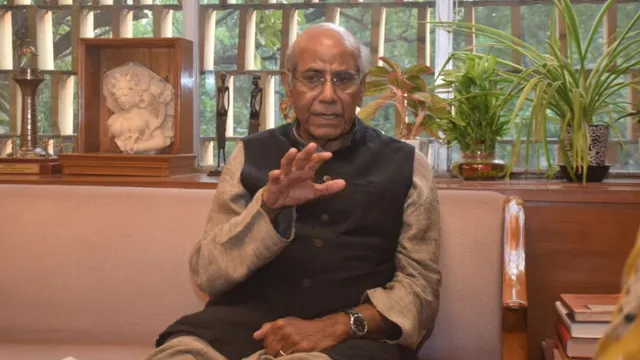
India views the same result much more coolly. It does not expect a weakened Trump to suddenly become an easy partner; rather, it hopes for more room to maneuver. Former Indian foreign minister Shyam Saran cautioned against euphoria in an interview with Dainik Jagran: the US approach to India “will not change overnight,” because the president retains extensive executive powers, while restrictions on immigration and trade, as well as strategic competition with China, have bipartisan support. His key point is that Trump did not simply impose his personal whims on America; he expressed a broader shift in American society—a frustration over immigration, jobs and foreign nationals’ access to high-paying sectors. (jagran.com)
India’s reaction makes particularly clear how closely US domestic politics is viewed through the fate of millions of real people. A Jansatta commentary identifies three key issues: energy imports, a trade deal and H-1B visas for skilled workers. The outlet notes that, according to India’s foreign ministry, 4,840 Indian citizens were deported from the United States between 2025 and July 2026. For New Delhi, a stronger Congress therefore matters above all as a potential check on the White House’s unilateral immigration policies. (jansatta.com)
Indian assessments of trade are even less romantic. ABP News notes that a politically weakened Trump will no longer be able to dictate terms with the same confidence, though he still retains the legal tools to apply tariff pressure. Expert Biswajit Dhar believes it will be harder for Washington to impose terms from a position of strength, while Ajay Srivastava of the Global Trade Research Initiative warns of the opposite scenario: a president who has suffered foreign-policy setbacks may need to demonstrate toughness quickly, making India a convenient target. India’s most sensitive “red line” remains agriculture and dairy: New Delhi is unwilling to open these sectors to US imports, seeking to protect small farmers from competition with subsidized American products. (abplive.com)
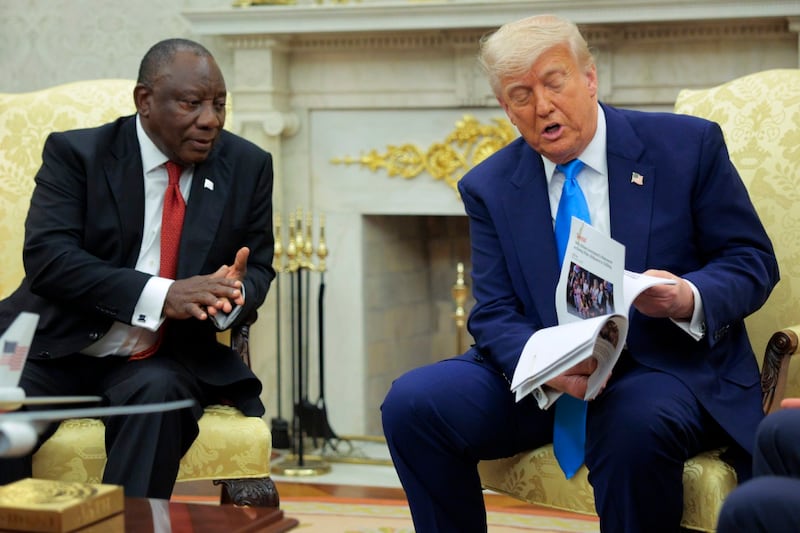
For South Africa, America today is not an abstract superpower so much as a source of trade penalties, political humiliation and expensive oil all at once. The Trump administration’s decision to strip South Africa of its eligibility for benefits under the African Growth and Opportunity Act, known as AGOA, marked the culmination of almost two years of deteriorating relations. A Business Day column notes that Washington has justified the move by citing alleged trade barriers, corruption concerns, security issues and Pretoria’s ties with states it considers “of concern.” South Africans see this as an example of the US conflating trade with demands for political loyalty. (businessday.co.za)
Fikile Mbalula, secretary-general of the ruling African National Congress, reacted to the US election with barely concealed satisfaction. In a Mail & Guardian report, he called Trump “very nasty” toward South Africa and said the president’s policies had been fueled by false claims of widespread violence against white South Africans. But this emotional response also contains a sober acknowledgment: losing AGOA will hurt not just one political party but also business owners and workers whose livelihoods depend on the US market. Mbalula also directly linked the US war with Iran to the rising cost of living in South Africa. (mg.co.za)
South African analysts, however, are not counting on rapid reconciliation. Economist Dawie Roodt put it succinctly in TimesLIVE: Trump’s power will be “hobbled, but not defused.” His colleague Azar Jammine attributes the markets’ positive reaction not to affection for the Democrats but to the prospect that the Iran war might end, bringing down oil prices, inflation and interest rates. Bob Wekesa, director of the African Centre for the Study of the United States at the University of the Witwatersrand, adds another nuance: a new Congress gives Pretoria an opportunity to challenge false perceptions of the country, but even Democrats remain wary of its ties with China and Russia. (timeslive.co.za)
This is where the differences among the three national perspectives become clear. Israel fears that America is ceasing to see it as a strategic investment and beginning to view it as a political liability. India sees Trump’s weakened position as a chance to raise the price of its consent, but does not believe the old era of open markets and unimpeded labor migration will return. South Africa sees the US as a partner that may demand geopolitical compliance in exchange for market access—and therefore welcomes limits on the White House’s power without harboring illusions about a swift end to sanctions and tariff pressure.
The most unexpected shared conclusion among local voices is that America’s “blue tide” is seen not as a victory for the liberal world, but as the beginning of a period of uncertainty. In Jerusalem, the question is whether Congress will be strong enough to stop Israel from becoming a bargaining chip. In New Delhi, it is whether American protectionism will persist regardless of which party is in power. In Pretoria, it is whether Democrats can undo the damage caused by Trump’s executive decisions. The war with Iran has tied these questions together: for Israel, it is a matter of security; for India, of oil and strategic autonomy; and for South Africa, of prices at the shops and gas stations. That is why these three countries are discussing the US election not as a distant television spectacle, but as a vote on the cost of their own independence.