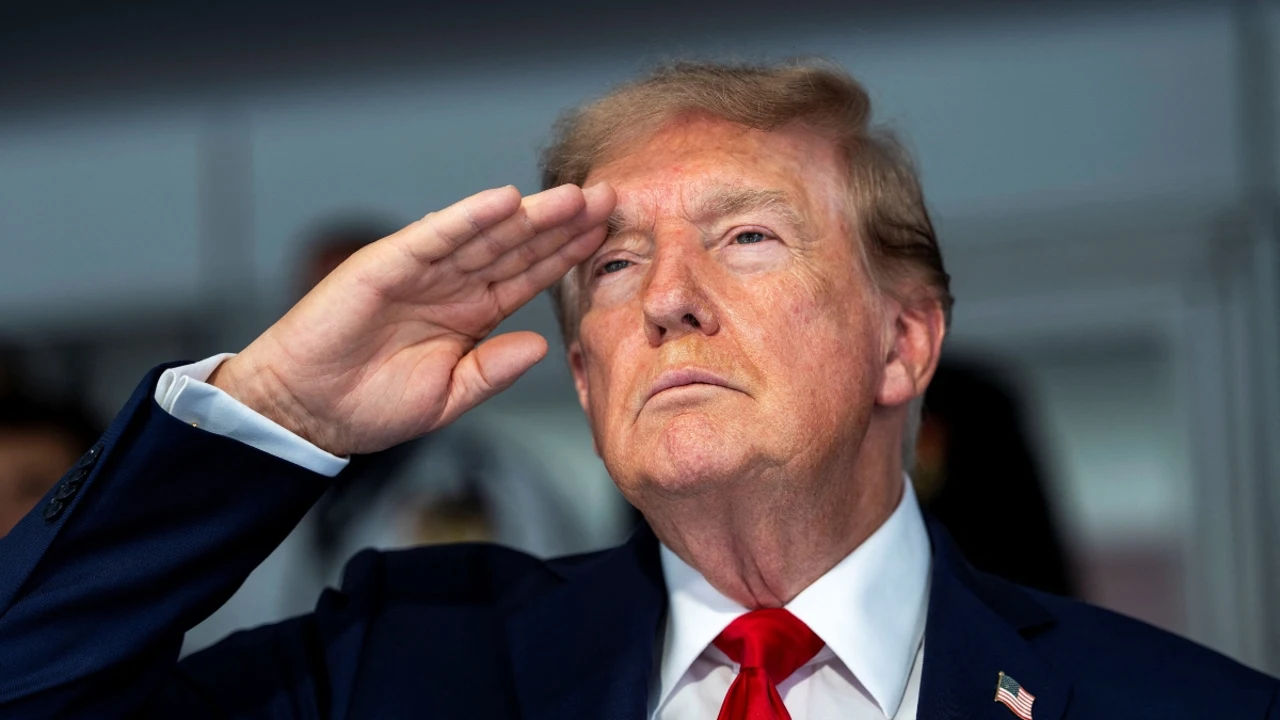
Venezuelan media are discussing the oil agreement between Donald Trump and Delcy Rodríguez as a possible turning point in relations between Caracas and Washington. Official rhetoric presents the arrangement as a diplomatic success and a strategic opportunity for Venezuela, while critics question its consequences and whether control over the country’s national resources will be preserved. The materials are based on reports by La Sexta and Facebook (Venezuela).
Venezuela Insists on Sovereignty in Oil Deal with the US
Venezuelan authorities are trying to present the 25-year oil agreement with the United States as economically beneficial cooperation that does not affect national sovereignty. Caracas’s main argument has been President Delcy Rodríguez’s statement that the country will retain control and ownership of its hydrocarbon resources, despite Washington’s significant role in implementing the agreement.
As reported by laSexta, Rodríguez stressed that, in concluding the agreement, Venezuela would “retain sovereignty over its resources” and that this “must be absolutely clear.” In her assessment, the deal could generate more than $193 billion in revenue for Venezuelans.
For Caracas, this reservation has both legal and political significance. Oil remains the foundation of the country’s export earnings, its most important source of foreign currency and a symbol of national independence. Following the nationalization of the industry, the growing role of the state-owned company PDVSA, years of US sanctions, declining production and limited access to international financing, foreign participation in the oil sector is inevitably viewed as a sensitive issue.
American rhetoric only heightens these concerns. Donald Trump called the oil “a gift from Venezuela to the American people,” claimed that the United States would control more than 65 billion barrels, and linked the agreement to the goal of replenishing the US Strategic Petroleum Reserve. In Washington, the arrangement is presented as a way to strengthen energy security, increase reserves and potentially influence fuel prices. Trump is also using the deal in domestic political disputes with Joe Biden.
For a significant part of the Venezuelan audience, however, references to a “gift” and American control may sound like a claim on another country’s national wealth. Rodríguez’s statements are therefore intended to convince citizens that economic benefits and an inflow of funds do not mean that oil reserves or fields are being transferred under foreign sovereignty.
The headline of a video published by RTVE Noticias also conveys the Venezuelan position: “Venezuela retains ownership of its oil.” However, the content attached to the post does not correspond to the stated topic and is devoted to events in Norway. It is therefore impossible to establish from it the specific additional terms of the agreement, Rodríguez’s quoted statements or details of the US commitments.
The agreement’s 25-year term itself has prompted a mixed reaction. On the one hand, it could mean long-term demand for Venezuelan oil, stable foreign-currency revenues, and opportunities to restore infrastructure and invest in the industry. On the other, such a long-term arrangement will inevitably require public and political oversight: do the distribution of revenues, supply terms and the role of the United States genuinely serve Venezuela’s interests?
Thus, the dispute over the agreement is not only about barrels and revenues. The United States presents it as a strategic victory connected to its own reserves and domestic politics. Venezuela’s leadership responds with a different formula: the oil remains the property of the country, and cooperation with Washington should be viewed as a commercial mechanism rather than an abandonment of the policy of national control over the republic’s principal resource.