
After the devastating landslide in 1999 that claimed thousands of lives in the La Guaira region, the Venezuelan government turned to Japanese specialists from JICA for help. Over three years, from 2002 to 2005, a team of geologists, engineers, and disaster-prevention experts studied the risks for Caracas and the coastal area. The final report, delivered to President Hugo Chávez, contained not only a grim forecast, but also a clear action plan that could have saved tens of thousands of lives.
According to the document, the geology of northern Caracas and La Guaira is capable of amplifying seismic waves, turning the soil into a resonator. Nearly no buildings met seismic-resilience standards, and hospitals and emergency services were located in particularly dangerous zones. In the worst-case scenario, the scientists predicted up to 20,000 deaths and 40,000 damaged structures. However, the report’s greatest value lay in the recommendations: strengthening buildings, updating building codes, rethinking urban planning, and creating modern response protocols. Despite Venezuela’s oil abundance and adequate resources, none of the key recommendations was implemented—the plan was shelved.
The earthquake on June 24 confirmed the bleakest forecasts: the region was once again at the epicenter of disaster. The article notes that a natural disaster is a natural phenomenon, while catastrophe is the result of human decisions (or the lack of them). Poverty, chaotic development, and disregard for science turned a natural shock into a mass tragedy. The JICA report became more than just a technical document—it was an indictment of the authorities, who preferred to respond rather than prevent.
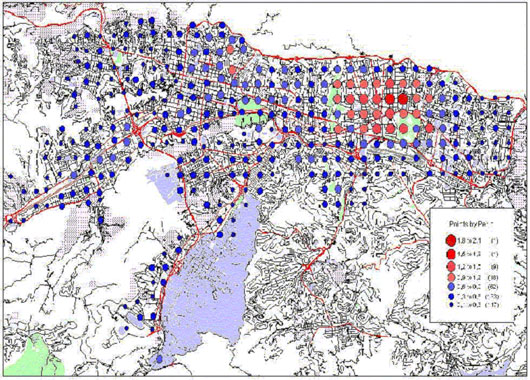


Full version: La Guaira, un pecado de omisión