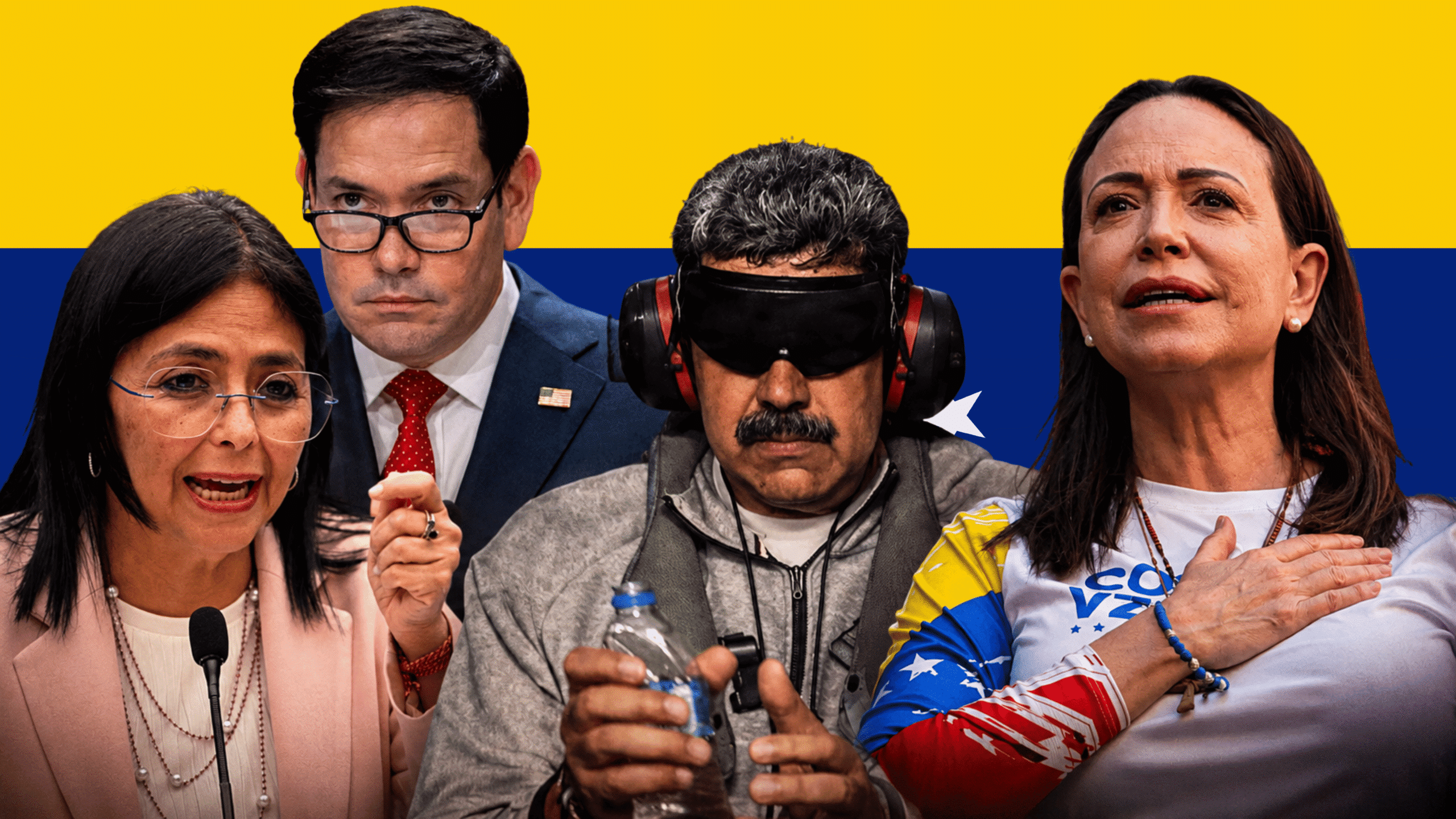
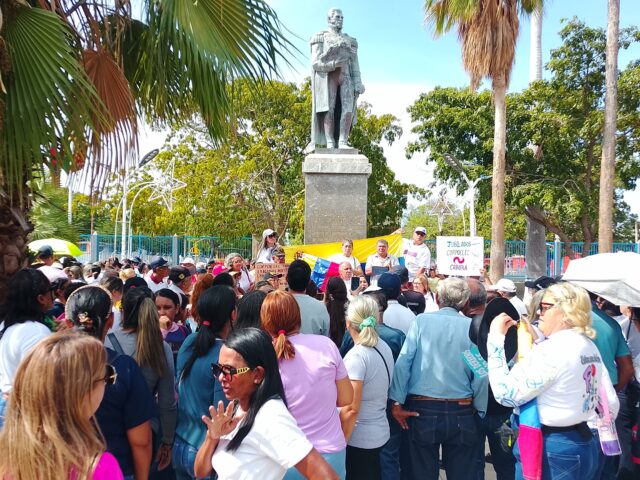
Over the past two days, Venezuelan and diaspora media have focused on how the country is faring after the capture of Nicolás Maduro: the United States is effectively controlling oil revenues, Washington is pressing for an election timetable, and in Caracas people are debating whether cooperation with the Americans is a rescue or a surrender. Four issues stand out: the uncertain status of the transitional government, money and oil, a possible new U.S. executive order on Venezuela, and the fate of Maduro and his supporters.
Dispute Over Who Is in Power and When Elections Will Be Held
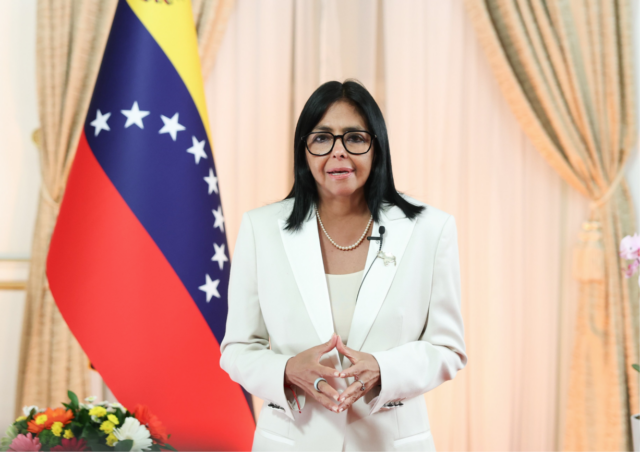
Commentators agree that since the January 3 operation, Washington has been setting the pace and terms of Venezuela’s transition. Acting President Delcy Rodríguez, according to an analysis by LISA News, has already exceeded the 120-day transition period stipulated by the constitution (another passage in the article refers to 180 days), yet no new elections have been scheduled. The outlet lists the U.S. “road map” as having three stages—stability, economic recovery, and reconciliation through elections—and notes that Washington is balancing “post-Maduro Chavismo” with newer, less familiar opposition figures. Critics, however, point to the “cosmetic” nature of reforms that leave the repressive structure unchanged.
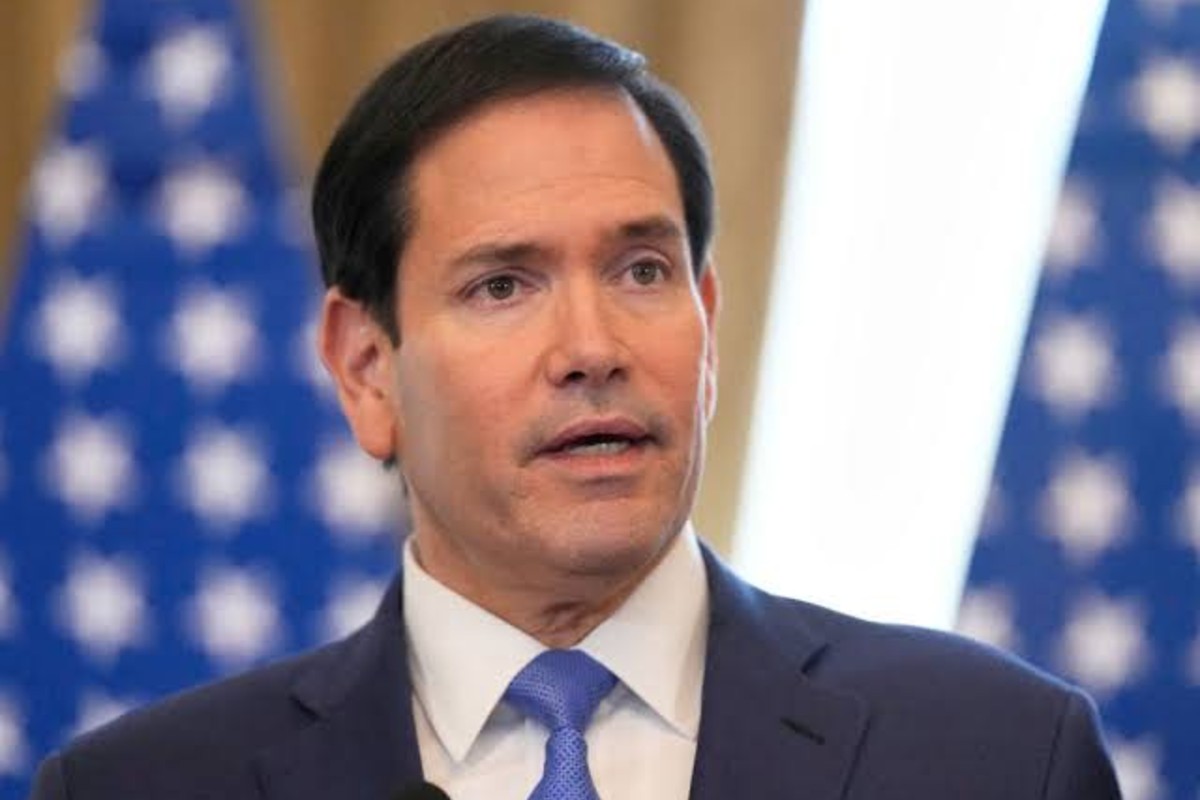
Some opposition commentators take a harder line. A column in El Nacional argues that the Rodríguez government “used U.S. support to consolidate power, not to relinquish it,” and that the new National Electoral Council and Supreme Court are merely “the fourth act of a magic trick.” Views diverge here: for some, Secretary of State Marco Rubio’s phased plan is the only realistic path; for others, it is a way to postpone the vote.
Oil, Money and the Question of “Spoils”
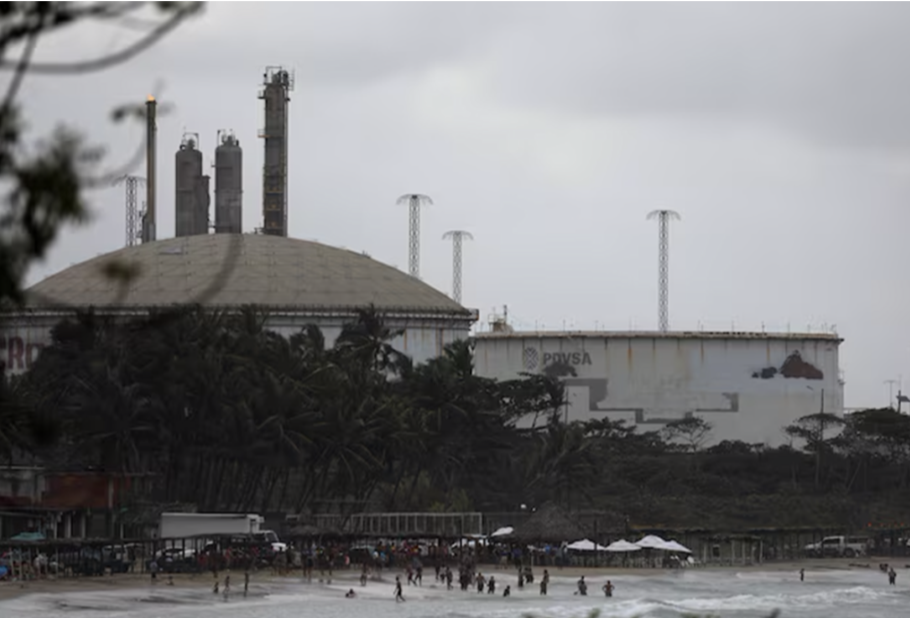
The most sensitive issue is U.S. control over oil revenues. The State Department released a KPMG report stating that nearly $12.26 billion from the sale of Venezuelan oil, gold, and minerals passed through a U.S. mechanism, and that almost 99% of the funds had been returned, while the remaining $168.6 million was held in a U.S. Treasury escrow account (figures reported by AP). The key detail seized upon by critics is that “the funds remain the sovereign property of Venezuela,” but are controlled by the U.S. secretary of state (a point emphasized by Petroleumag).
This has prompted a sharp reaction from Venezuelan writers. In a column for NotiAmérica, Braulio Jatar Alonso recalls that on Veterans Day Trump said, “We won the war in Venezuela in 48 minutes” and “to the victor go the spoils,” even though Rubio had earlier insisted that “there is no war against Venezuela.” The author cites the prohibition on looting under the 1907 Hague Regulations and the Fourth Geneva Convention, concluding: “We did not fight a dictatorship just to have a foreign administrator control our wealth.” This is perhaps the most striking “unexpected” position: the criticism comes not from Chavistas, but from Maduro’s opponents.
New U.S. Decisions on Venezuela
Local media are closely following a personnel shake-up at the White House. Journalist David Alandete reported that one of Trump’s first executive actions under new chief of staff Stephen Miller would concern Venezuela, easing business restrictions in energy, financial services, and critical minerals; the order’s contents have not been officially announced (LaPatilla). The outlet also notes that key decisions will be routed through Caleb Orr and Rubio. For Venezuelan commentators, this reinforces the sense that the country’s economic policy is being written in Washington, not Caracas.
Maduro, His Supporters and “Brotherly Russia”
Supporters of the former president continue to speak of him as the legitimate leader. At a forum in Moscow, United Socialist Party deputy leader Tania Valentina Díaz conveyed Maduro’s “greetings to brotherly Russia” from the Brooklyn detention center where he is being held. Caracas has characterized his removal from the country as the abduction of a head of state, and his trial is set for 2027 (OSN). Meanwhile, in Caracas, Rodríguez and U.S. Ambassador John Barrett ceremonially opened George Washington Square to mark the 250th anniversary of U.S. independence—a gesture that an El Nacional columnist called “humiliating” for someone who had spent years denouncing the “empire.”
The broader picture, however, is far from unanimous: some in the opposition expect the United States to speed up elections and release political prisoners (around 322 people as of October, according to Foro Penal), while others accuse Washington of “clientelism” and appropriating oil revenues. As these two views coexist, the central question in Venezuela remains the same: who will return control of the country’s own resources and electoral calendar to its people, and on what terms?