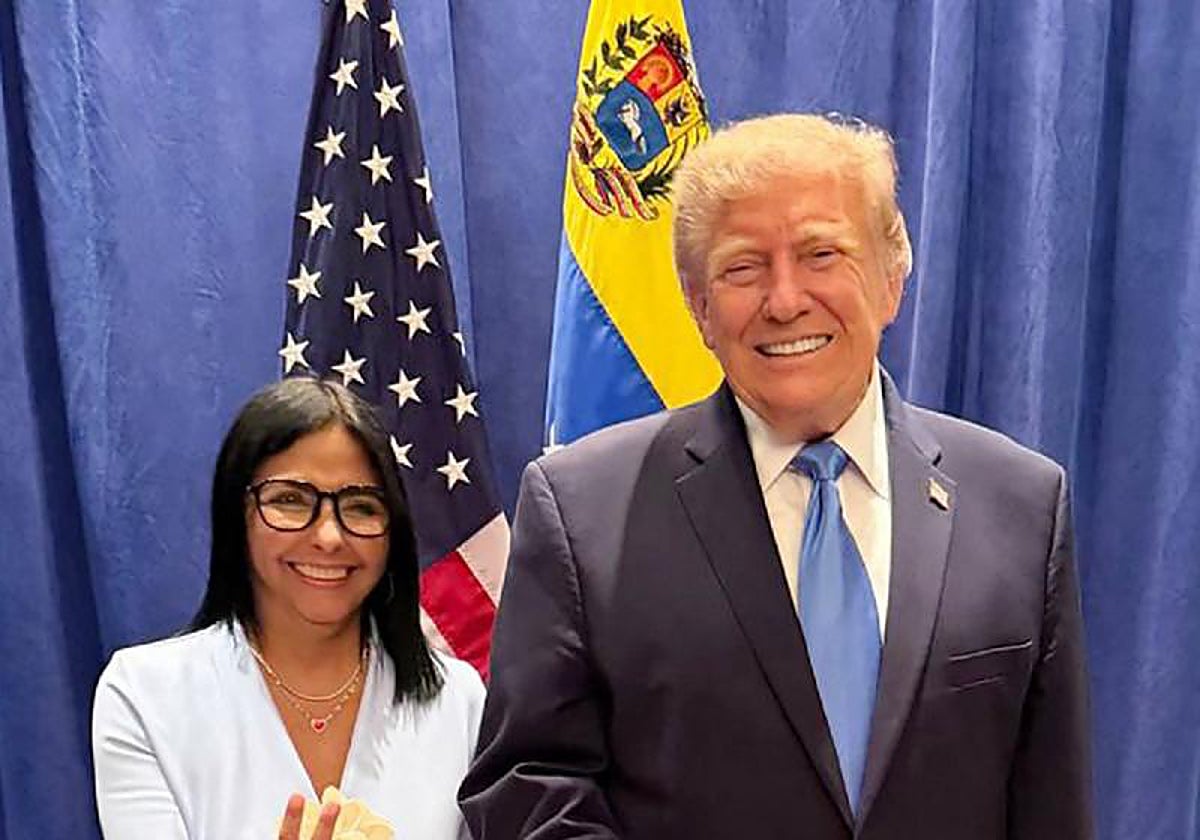
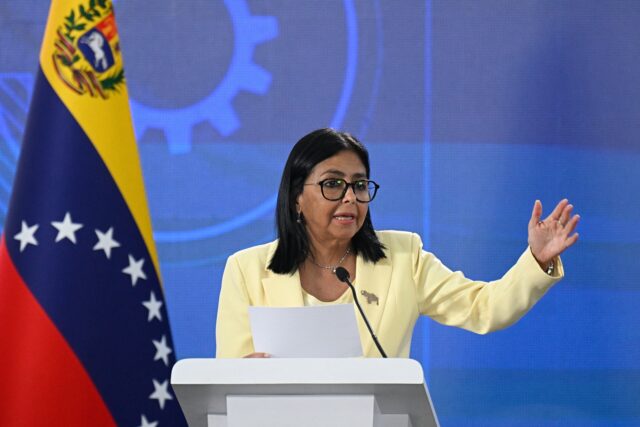
Over the past two days, the main story in Venezuela has not been the daily confrontation with Washington, but its consequences: the conclusion of the fourth round of talks between Delcy Rodríguez’s government and the opposition from the 2015 National Assembly, the State Department’s enthusiastic response, and growing concern among local analysts that the country has gone from being a “threat” to a “manageable partner.” Meanwhile, Nicolás Maduro’s case is unfolding in a New York court, and a false claim that the U.S. Congress had declared his detention illegal is spreading on social media.
Dialogue under Washington’s patronage
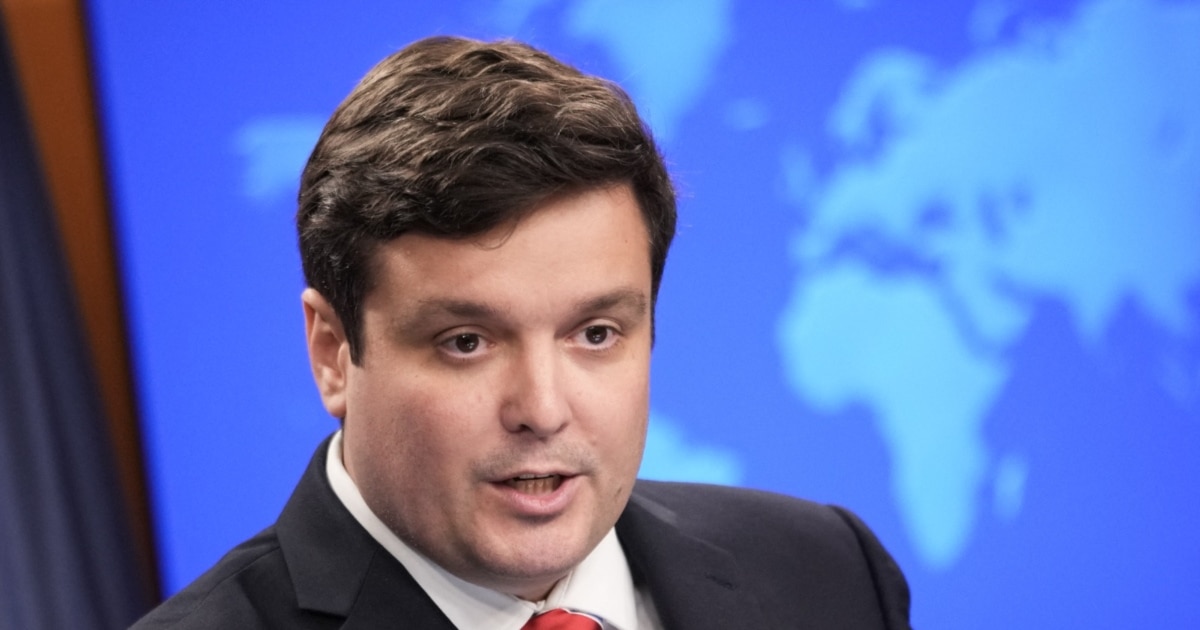
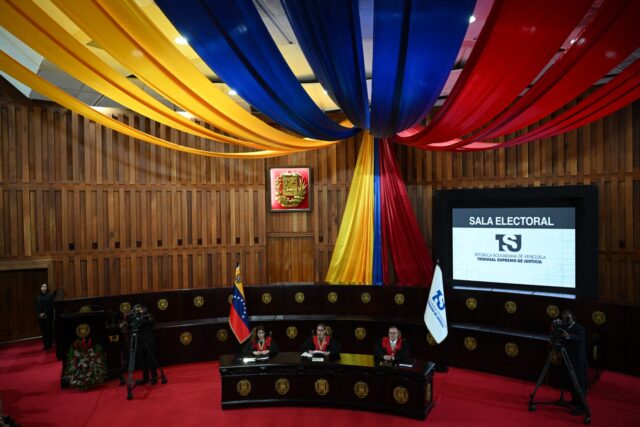
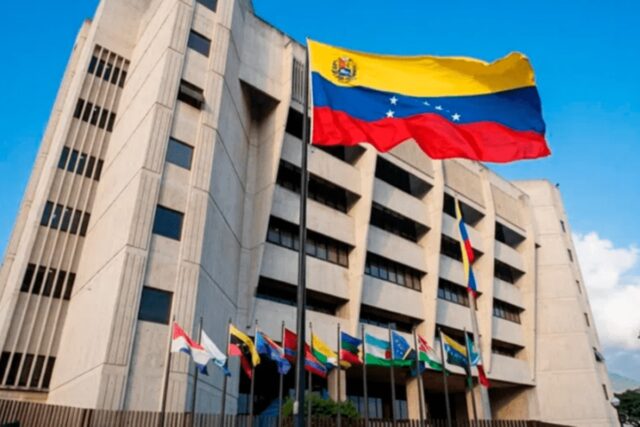
The State Department publicly welcomed the outcome of the fourth round of talks between the delegations of Jorge Rodríguez and Dinorah Figuera: eight points, including restructuring the Supreme Court (32 vacancies and more than 1,300 applicants), reforming “repressive laws,” and reviewing the broadcast licenses of Globovisión, Venevisión, Televen and VTV. Department spokesperson Tommy Pigott said: “We urge the parties to honor their commitments, ensure the participation of all political actors, and move toward credible elections,” reiterating the call to release all political prisoners, Martí Noticias reports. Significantly, Jorge Rodríguez announced the repeal of the “Simón Bolívar Law,” which imposed prison terms of up to 30 years for supporting foreign sanctions: “That provision was a response to a very specific moment,” he said, according to Infobae. For the Chavista core, this is a painful concession, which supporters explain as part of Delcy Rodríguez’s “peace diplomacy.”
Hegseth’s visit and talk of a “protectorate”
The week’s most discussed event was U.S. Secretary of Defense Pete Hegseth’s visit to Caracas on November 18 and the signing of an agreement on military-technical cooperation. Standing at the U.S. Embassy, Hegseth said that “Venezuela has gone from being the most aggressive regional threat to a compliant security partner,” and made a “victory lap” around Fuerte Tiuna—the base where U.S. special forces captured Maduro on January 3 (El País). In LaPatilla, columnist Ángel Montiel calls the reception for the Pentagon chief a “red carpet” and “the ultimate humiliation of any military,” noting that the generals who had spent years denouncing “the empire” did not fire a single shot. Some opposition voices, by contrast, see what happened as liberation: LaPatilla writes outright that “even some of those who approve of the invasion would like Venezuela to become the 51st state.”
Oil, money and the sovereignty dispute
The central issue in the debate is control over oil revenues. According to Weaponized Information, the agreement with Blue Energy Partners covers 17 oil fields, while the Pentagon’s Office of Strategic Capital receives a 35% stake; the framework program through 2036 is valued at $160 billion. Left-wing commentator Oscar Bravo, writing for Aporrea, calls this the “liquidation of the Fifth Republic project” and a “protectorate” in which “more than a thousand coercive measures” function as a “hybrid weapon.” But even in this camp, uncomfortable admissions can be heard: as analysts note in the Chinese outlet NetEase, $12.26 billion in oil revenues passed through a U.S. escrow account over nine months, and nearly 99% was returned to Caracas—“better than failed sovereignty, but still not good,” because spending decisions are now made in Washington.
“Uncertainty” and the Maduro case
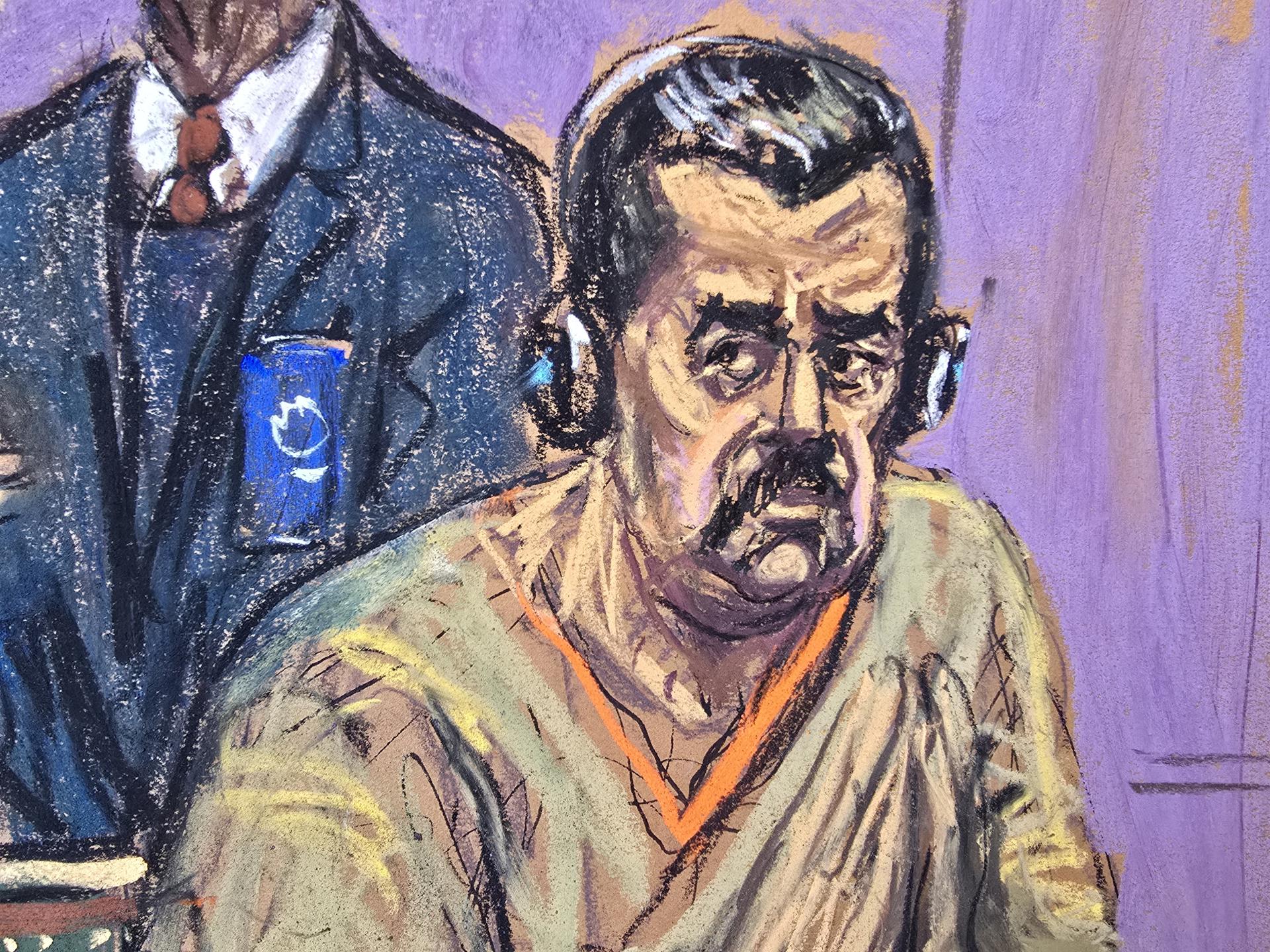
In a column for ABC, writer Carlos Granés sums up the main fear in Venezuela: “Venezuela’s democratization is being overseen by a man who is indifferent to democracy,” and no one knows what is on Trump’s mind—oil, control, or a transition without the Chavista “hornet’s nest.” Meanwhile, in New York, Judge Analisa Torres gave Maduro and Cilia Flores’s defense teams 15 minutes at a December 17 hearing to argue for sovereign immunity; experts, citing the Noriega precedent, consider their chances slim (El Nacional). Maduro’s son, lawmaker Nicolás Maduro Guerra, admitted in an interview with Brasil de Fato: “I don’t hate the United States” and “I am 100% sure that dialogue is the way forward,” endorsing Delcy Rodríguez’s approach (Semana). Against this backdrop, AFP debunked a viral video claiming that Congress had “declared the capture illegal”: no such vote took place, and an attempt to impeach Hegseth failed, 211 to 204 (Yahoo Noticias).