For almost a year now, the conversation about Venezuela has been less about war than about who gained access to its oil and how that is described at home. On January 3, a U.S. operation in Caracas led to the capture of Nicolás Maduro. Since then, Caracas has been led by “acting president” Delcy Rodríguez, and the tone of public statements has clearly changed. Over the past two days, several stories have emerged at once: Donald Trump’s celebratory remarks about Russia and China leaving, an ExxonMobil memorandum, a scandal over $12.26 billion in U.S.-controlled bank accounts, G7 demands for elections, and a dispute over the nature of the “transition to democracy.” Here is how these issues are being discussed in Venezuela.
The debate at home over the ExxonMobil deal
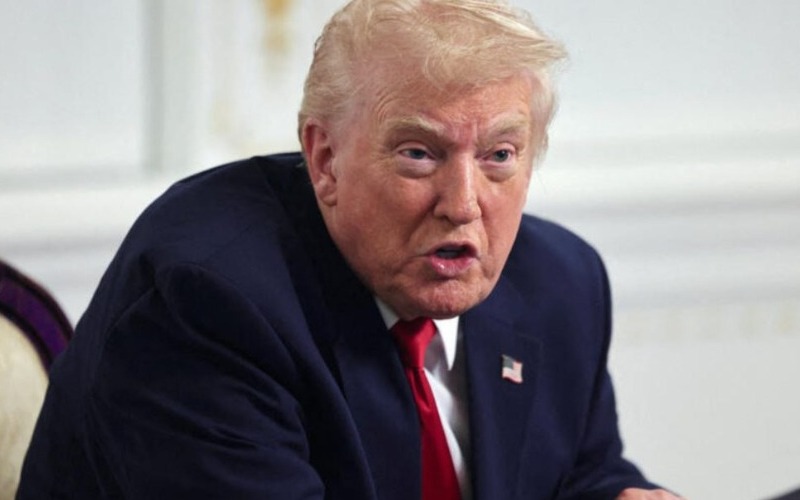
The most concrete issue is the ExxonMobil deal, signed in Caracas after nearly two rounds of talks “about returning”: a nonbinding memorandum with PDVSA to assess heavy-oil production—in effect, a declaration of intent, not an investment commitment. The company, which left the country in 2007 after nationalization, has an outstanding lawsuit seeking $1.6 billion plus interest. Its return looks like a symbolic gesture for the White House. In Washington, it has already been called “proof of President Trump’s leadership”: U.S. Energy Secretary Chris Wright said that a country considered “uninvestable” a year ago is attracting “substantial commitments” from a major player, according to El Observador.
More important, the deal is being judged at home almost more harshly than in the United States. Former oil minister and former PDVSA head Rafael Ramírez—the architect of the 2007 nationalization—called it “the finishing touch on the sellout” (“la guinda de la torta entreguista”). “ExxonMobil, with its history of plundering our country, is returning at the invitation of a government under tutelage. It is the same company occupying our territory in Essequibo. Now let’s see what ‘incentives’ they offer the multinational that paid 1% in royalties and rejected our legal framework in 2007,” he wrote on X, as reported by El Regional del Zulia. Notably, Rodríguez, who accused Exxon of “conspiring to plunder the country’s resources” as recently as 2025, is now signing the memorandum herself, talking about “thousands of billions of barrels” and promising to turn it into concrete agreements “very soon” (Diario Las Américas). Caution suits ExxonMobil: the company has explicitly said that future investment will require “stable policies, clear rules, strong investment protections and competitive returns,” leaving itself the option to walk away at any time.
$12.26 billion in U.S. accounts
The second story is about money. According to Venezuelan media citing an article in The New York Times and a confidential KPMG report, $12.26 billion in revenue from oil, mineral and fertilizer exports flowed into U.S.-controlled bank accounts during the first nine months of 2026, with most of it later returned to Venezuela “after a request from the Central Bank and reviews by the State and Treasury departments.” Details are reported by Chinese and Venezuelan sources.
The workings of this mechanism raise far more questions among local analysts than among Washington officials. A former PDVSA executive keeps pointing out that oil dollars are now held in accounts controlled by the U.S. Treasury, and that the State and Treasury departments effectively decide how much to return. To critics, this looks less like “cooperation” than a form of external control: the money is apparently being returned, but there has been no public explanation of who determines the amount or according to what criteria. For Rodríguez, however, it is an argument in the opposite direction: if funds are coming in and investment is flowing, then “we are working to establish a solid foundation for a long-term energy agenda,” as she put it back in April, promising to seek the lifting of sanctions (LaPatilla).
Trump’s remarks about China and Russia
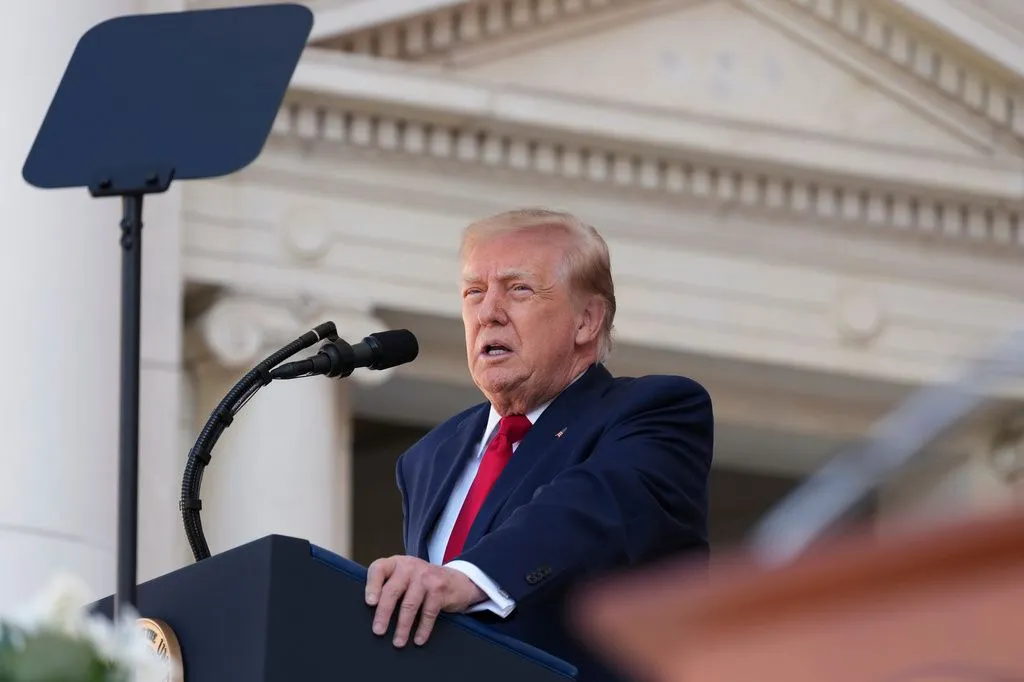
The third source of irritation is Trump’s statement at Arlington National Cemetery that Moscow and Beijing did not intervene in the Venezuelan crisis “because he personally called them.” There is no official confirmation of this account, but it adds to the picture: according to ABC, the U.S. administration imposed conditions on the interim leadership requiring it to remove China, Russia, Iran and Cuba from the country’s military, political and economic affairs (RTVI; Venevisión).
In Caracas, this is seen in two ways. Supporters of the “rebirth of Venezuela” say that staying out of a confrontation between great powers helped prevent escalation. Critics say sovereignty is being traded for guarantees of market access. In any case, the departure of former partners was not accompanied by any public discussion of the price of this “calm.”
Elections before 2027 and U.S. tutelage
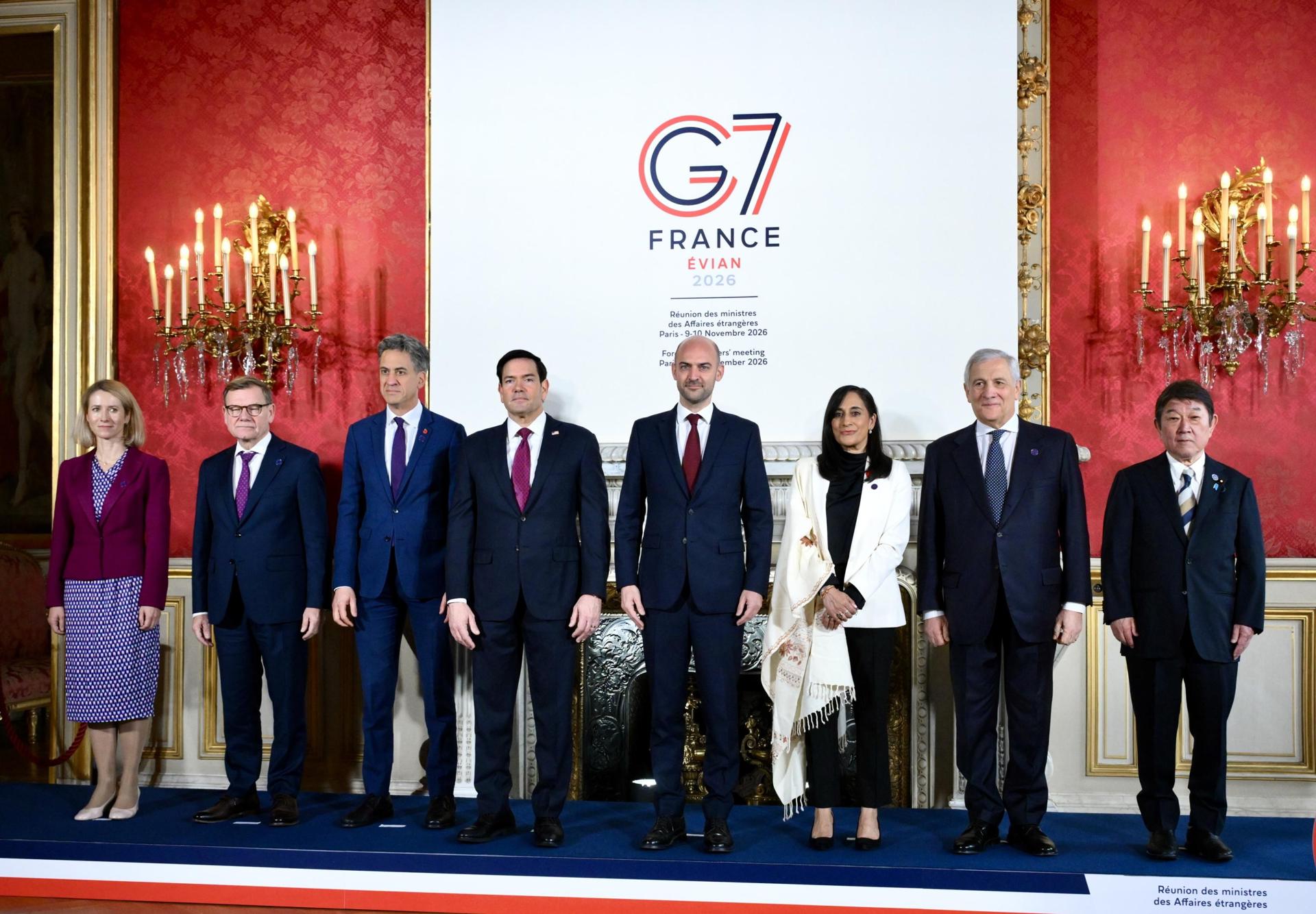
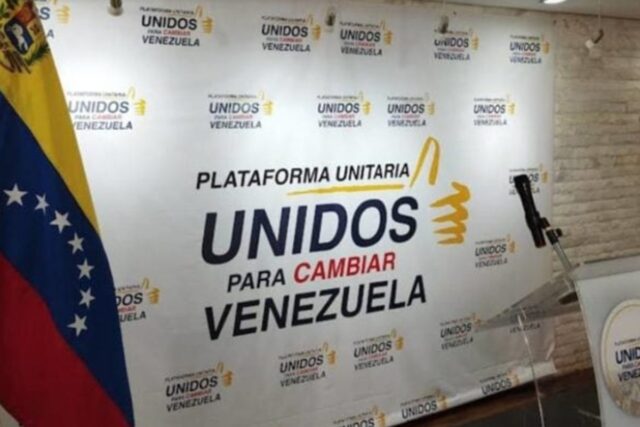
The fourth issue is the political timetable. After a meeting in Paris, the G7 linked economic recovery to political reconciliation, called for “the release of all political prisoners” and fair elections, and described Rodríguez as head of a “transitional government” (El Nacional). At home, a debate is underway over the timing.
María Corina Machado, who returned from exile in late October, is insisting on elections before July 2027 and has proposed July 24, Simón Bolívar’s birthday. Her team acknowledges that “relations with Washington are strained, but not broken; the United States is our main strategic ally,” according to CNN. But some opposition media argue that Washington itself is delaying the vote because it wants to “stabilize the economy” first and keep Machado out of the negotiations (Folha de S.Paulo). Meganálisis polls cited by an El Nacional columnist give Machado over 70% support, compared with less than 5% for Rodríguez—and, the author writes, this undermines the argument that there is “no alternative to the current order” (El Nacional). Meanwhile, the opposition itself is forced to stay silent about Trump’s migration policy: criticizing Washington too harshly now comes at too high a cost.
The scandal surrounding the Maduro case
The fifth issue is legal. Maduro’s lawyers are asking the United States to drop the torture case, citing the immunity of a head of a sovereign state and procedural violations; if the request is denied, they are seeking access to the case materials. Hearings have been postponed until June 2027, and the charges concern orders to torture prisoners, including U.S. citizens, according to HKcna. Against the backdrop of the Exxon memorandum and talk of “normalization,” the case looks less like a legal anomaly than part of a deal: Washington retains leverage over the former leader, while Caracas treats its silence as payment for oil contracts.
One thing is common to all these disputes: both supporters of the “rebirth” and its critics assume that Venezuela’s political future cannot be decided without Washington’s blessing. The difference is only in who calls it a “strategic alliance” and who calls it a “sellout” and “tutelage.”