U.S. Defense Secretary Pete Hegseth’s visit to Caracas on November 18 has become a subject of debate in Venezuela, with views ranging from official statements about “maturity” and “shared threats” to sharp protests against “geopolitical tutelage.” Hegseth arrived without prior announcement and signed an agreement with acting head of state Delcy Rodríguez to resume military cooperation—the first such agreement since 2005, when Hugo Chávez cut ties with the Pentagon. For some, this marks a historic turning point; for others, it symbolizes Venezuela being governed from Washington.
Military Pact: Partnership or Tutelage?
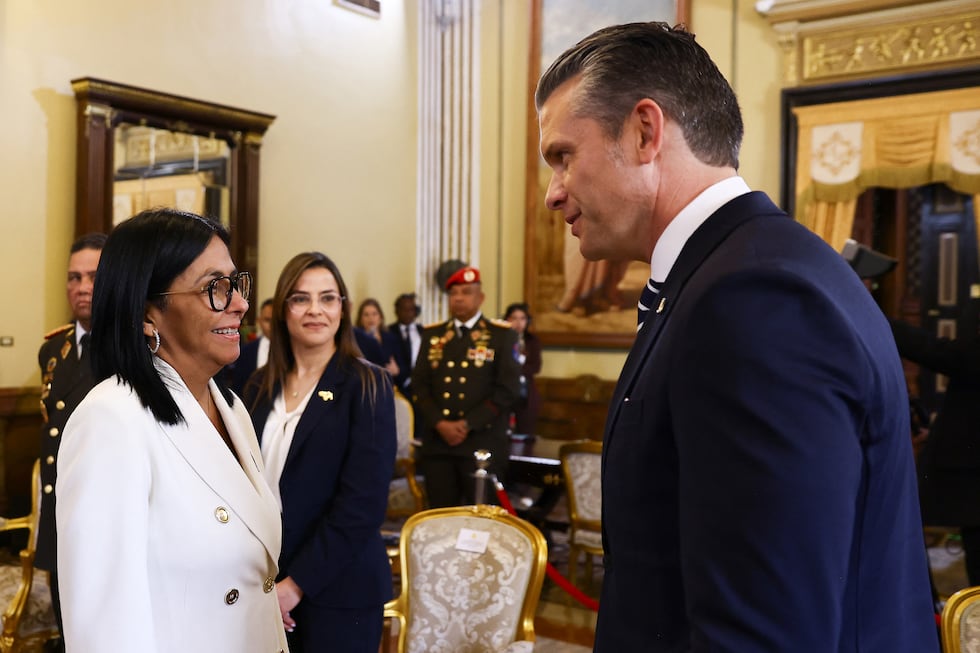
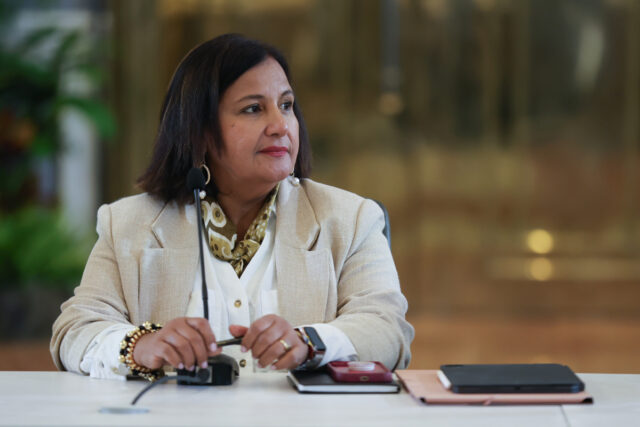
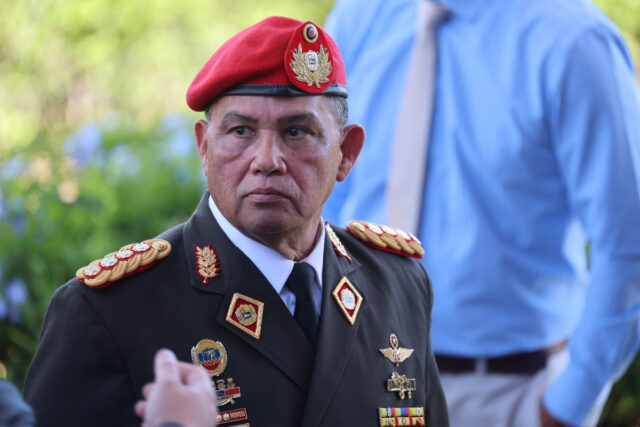
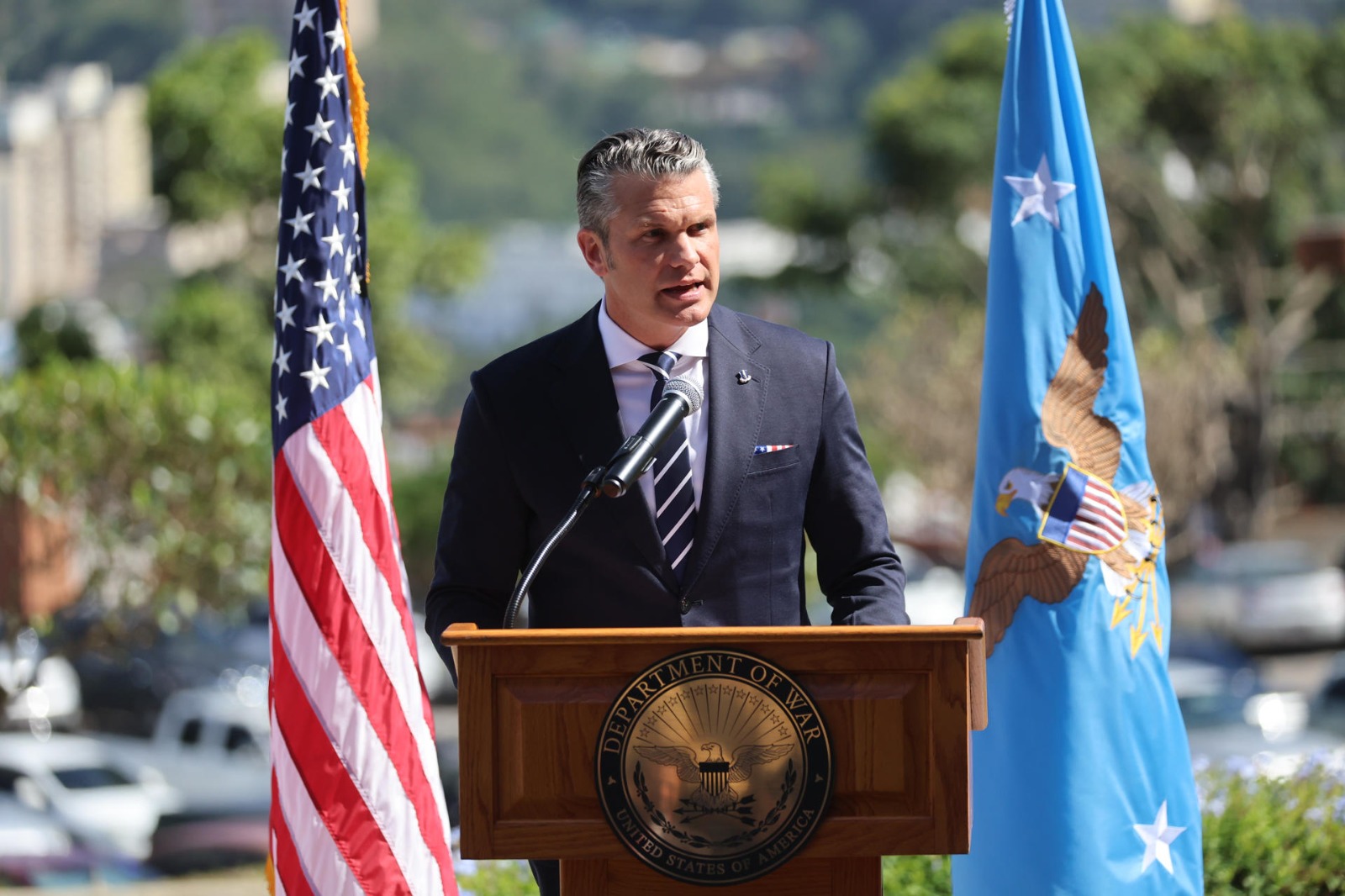
The signing of the agreement at Miraflores Palace was the day’s main event. Hegseth said the document provides for joint exercises, intelligence sharing and the supply of defense equipment, and stressed that the partnership “will not be merely cosmetic”: it “requires the elimination and eradication of all narco-terrorist networks that are currently usurping territory inside Venezuela,” El Estímulo reports. Rodríguez spoke of “resuming technical and military cooperation” and of the “political maturity” that had allowed former adversaries to restore working relations, according to Página/12.
Significantly, Venezuela’s Defense Ministry immediately issued a clarifying statement: cooperation would proceed with “full respect” for sovereignty, independence and territorial integrity, and in “strict compliance” with the Constitution, Diario Libre reports. This is no mere formality: the full text of the agreement has not been published, and the country’s basic law prohibits foreign military bases. That is why local observers read the official phrase “strict compliance with the Constitution” as an attempt to dispel the main fear in advance—that “technical assistance” could be followed by the establishment of bases.
“We Answered the Invitation”: Dispute Over Maduro’s Capture
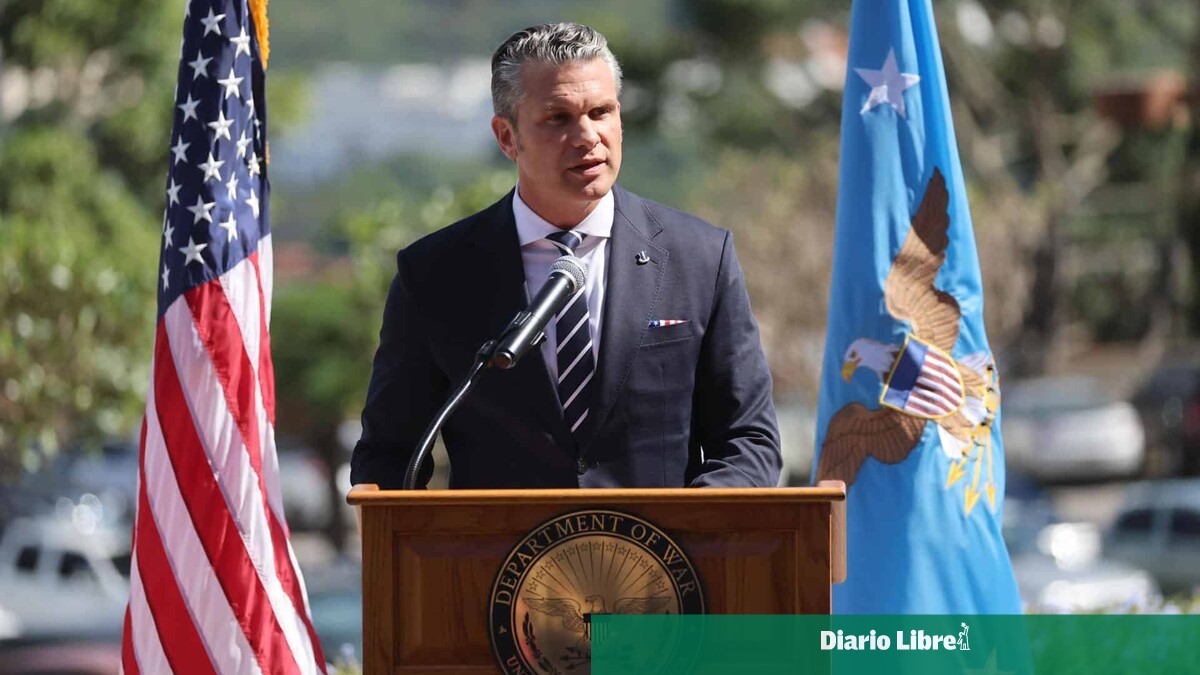
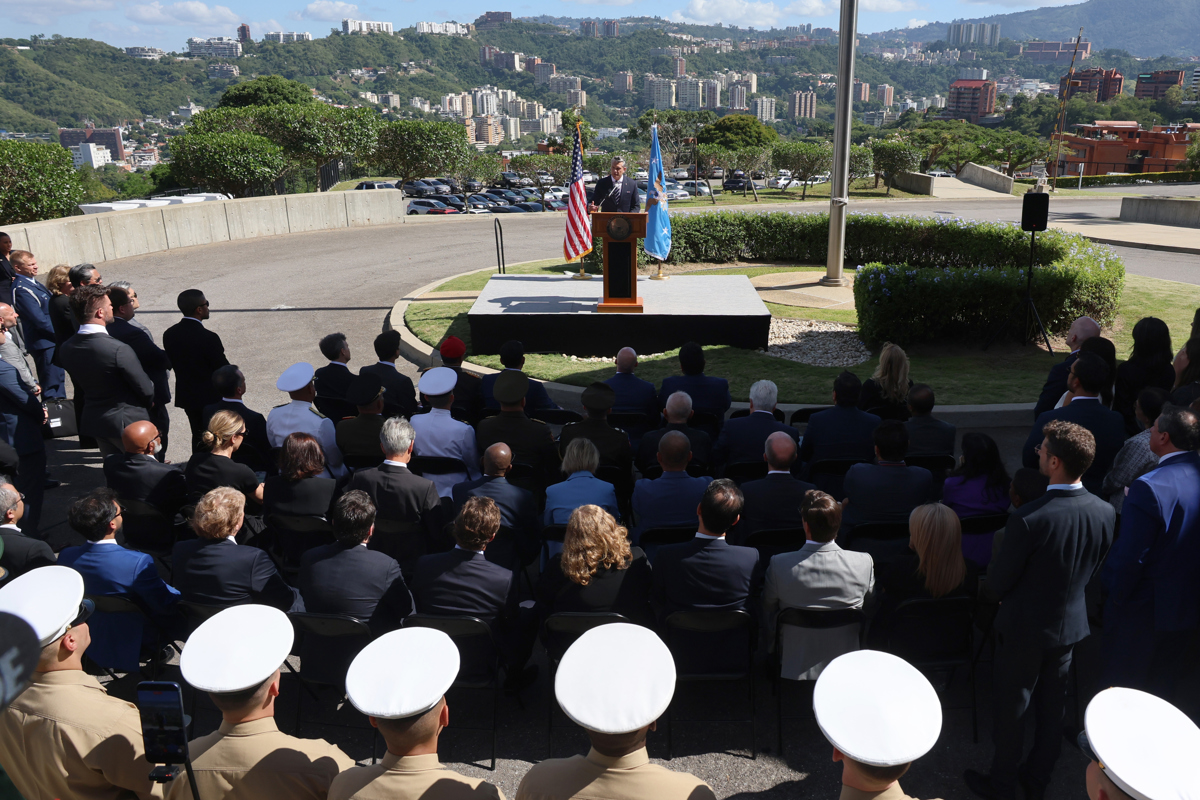
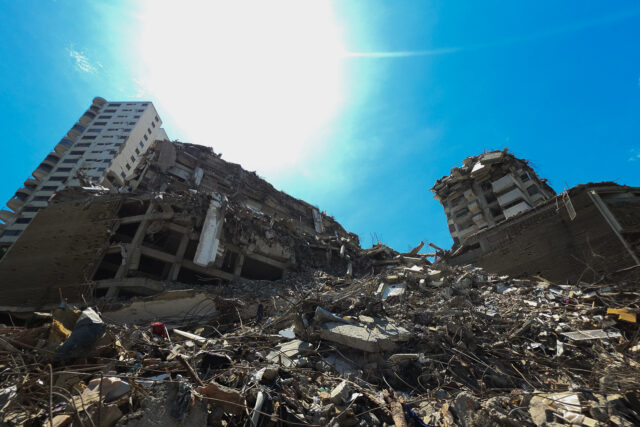
The second issue is the way Washington describes the military operation of January 3. In a speech at the U.S. Embassy, Hegseth called it “the most sophisticated military operation in the history of Latin America,” saying it lasted about 48 minutes and cost no American lives. He also quoted Nicolás Maduro’s earlier statement, “Come and get me,” adding: “We answered that invitation” (El Nacional). He called January 3 “the day Venezuela was liberated” (LaPatilla).
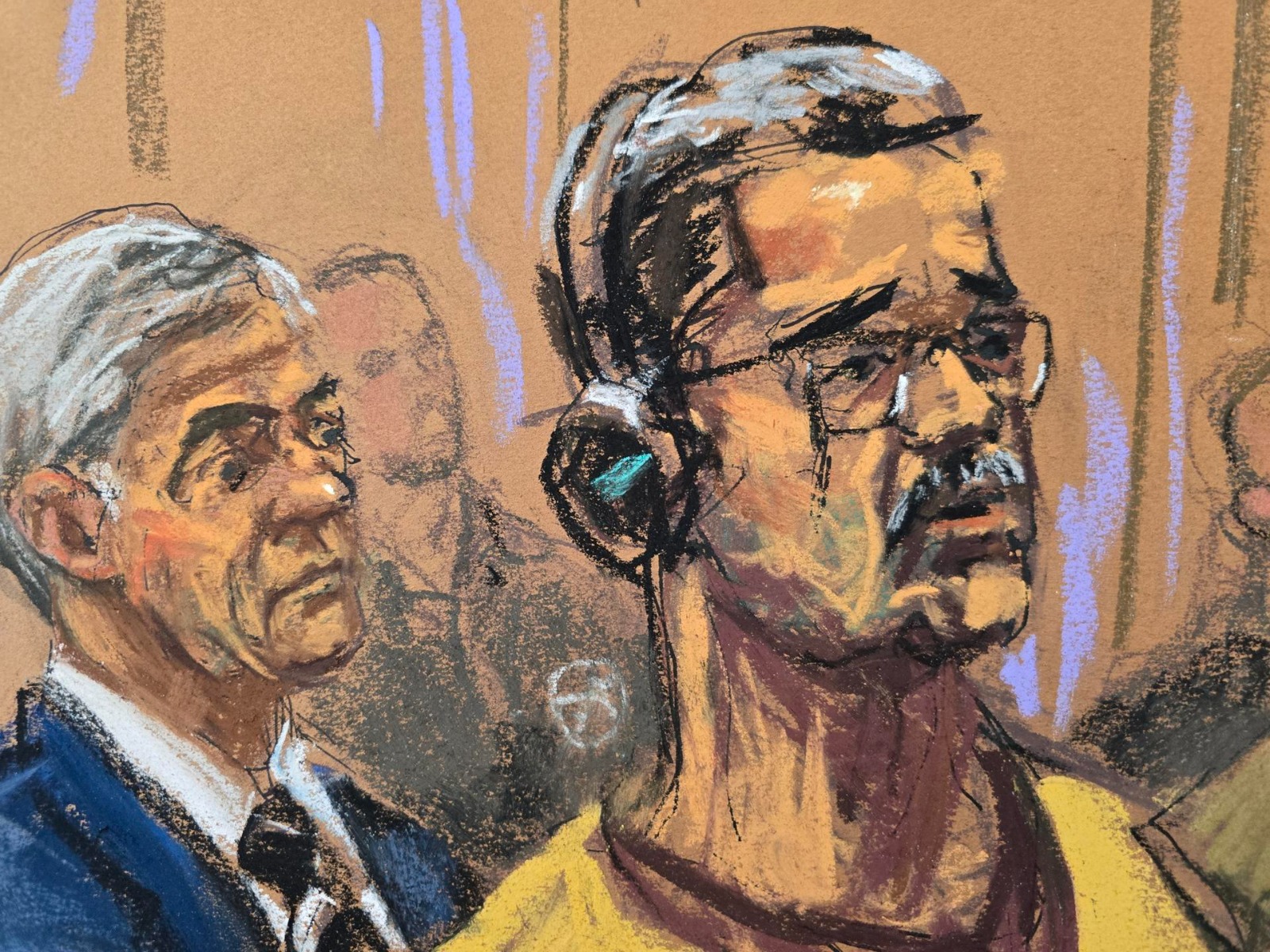
This passage drew a mixed reaction in Venezuela. State television broadcast the meeting at Miraflores, but for some in society, the emphasis on humiliating the ousted leader sounds more like a reminder of foreign intervention than a cause for celebration. Maduro himself continues his legal battle in New York: his defense team is seeking to seal some of the documents supporting its argument for sovereign immunity, and Judge Analisa Torres has allowed them to be filed under seal, LaPatilla reports. The dispute over the operation’s legitimacy is therefore continuing in court.
Oil, Sanctions and a “Managed” Economy
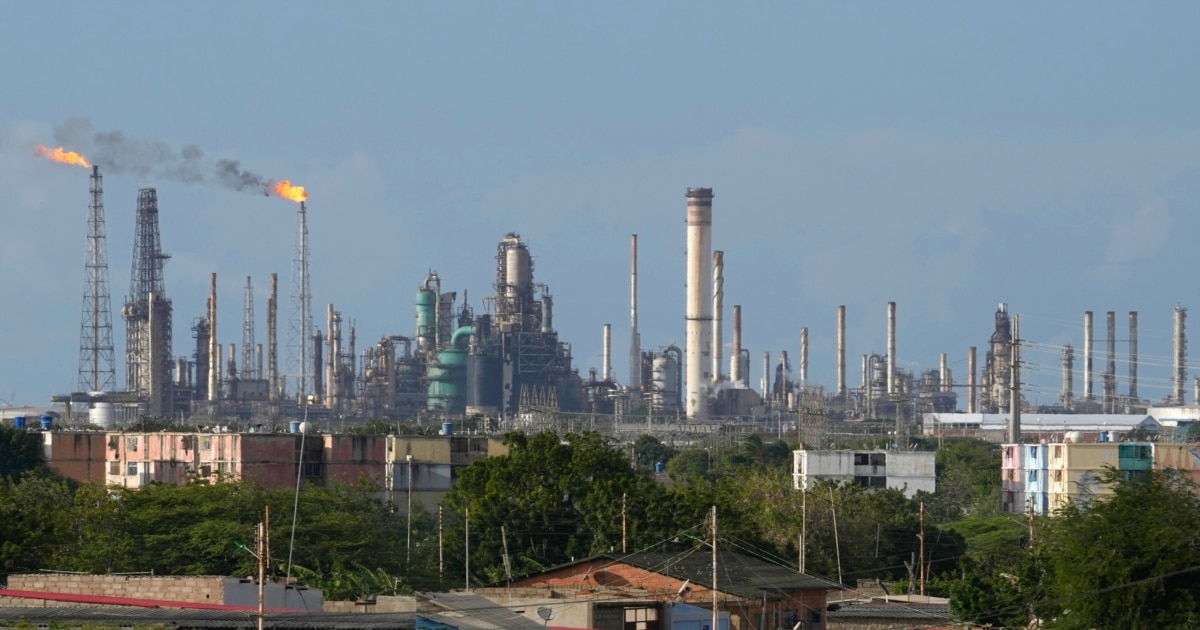
The third—and perhaps most sensitive—issue is the economy. Bloomberg, in an analysis republished by LaPatilla, describes a model in which the United States uses sanctions relief, access to the global financial system and control over oil revenues as levers of influence. Sanctions on PDVSA and the Central Bank are being eased gradually through temporary U.S. Treasury licenses; personal restrictions on Rodríguez and her brother Jorge Rodríguez have been lifted. An August oil deal granted the concessions to 17 fields, with reserves of about 65 billion barrels, to North American Blue Energy Partners (NABEP), a company owned by businessman Alejandro Betancourt. The United States received a stake in the company and rights to purchase oil. According to KPMG, by the end of September about $12.3 billion in oil revenues had accumulated in a special Treasury account, of which $12.1 billion had returned to the Venezuelan economy (Noticia Al Minuto).
For ordinary Venezuelans, however, the impact remains limited: high prices, low incomes and worsening living conditions persist, Bloomberg notes. Economist Francisco Monaldi of Rice University sees the developments as a “geopolitical reshuffling”: ExxonMobil could buy out Russian company Roszarubezhneft’s stakes in joint ventures in the Orinoco Belt, including Petrovictoria, while Russia would reduce its presence in assets that could eventually produce up to one million barrels a day (Banca y Negocios).
Criticism of the Deal: “Capitulation” or a Forced Compromise?
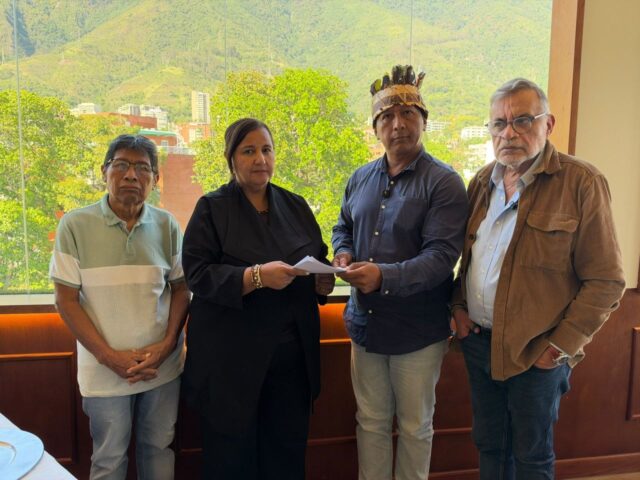
The fourth issue is domestic resistance. The opposition group Third Electoral Path and signatories of the “Manifesto for the Restoration of Sovereignty over the Nation’s Oil Wealth” issued a statement “categorically rejecting” Hegseth’s visit. They said it was not cooperation between sovereign states but “a staging of geopolitical and military tutelage, agreed behind the backs of the Venezuelan people,” and that the August 28 oil deal deprives the country of control over its subsoil resources and must be annulled (statement on X). Critics also point to a lack of transparency: the agreement was not put out to public tender and has not been approved by a “legitimate” parliament.
Some opposition figures, however—including Nobel Peace Prize laureate María Corina Machado, who has returned to the country—are calling for elections as soon as possible rather than a break with Washington. She does not recognize Rodríguez as the legitimate head of state, but is not calling for the military agreement to be derailed, ORF notes. This is where the divide lies: some view any contact with the United States as capitulation; others see it as the only path to restoring the country’s institutions.
An Election Roadmap Under Outside Supervision
The fifth issue is the political timetable. Under the U.S. “roadmap” set out in October, Venezuela must renew its Supreme Court by mid-December, then reform the National Electoral Council (CNE), stripping it of the power to decide who may run in elections. The authorities would then formally declare the “absolute absence” of the president and hold new elections within six months, according to Bloomberg’s account of the plan. U.S. Secretary of State Marco Rubio said on the sidelines of the G7 meeting in Paris that the transition was “going well,” but that the deadlines needed to be “closely monitored” (VOA). Hegseth, for his part, referred to Trump’s “three-phase plan”—stabilization, recovery and transition—without giving dates (MDZ).
The contrast is clear: official Caracas speaks of sovereignty and “shared threats,” while Washington focuses on deadlines and conditions on which further normalization depends. Venezuelan analysts agree on one point: the key question is not whether there will be cooperation with the United States, but who will determine the country’s future, and on what terms—the voters or outside overseers.